
Salads
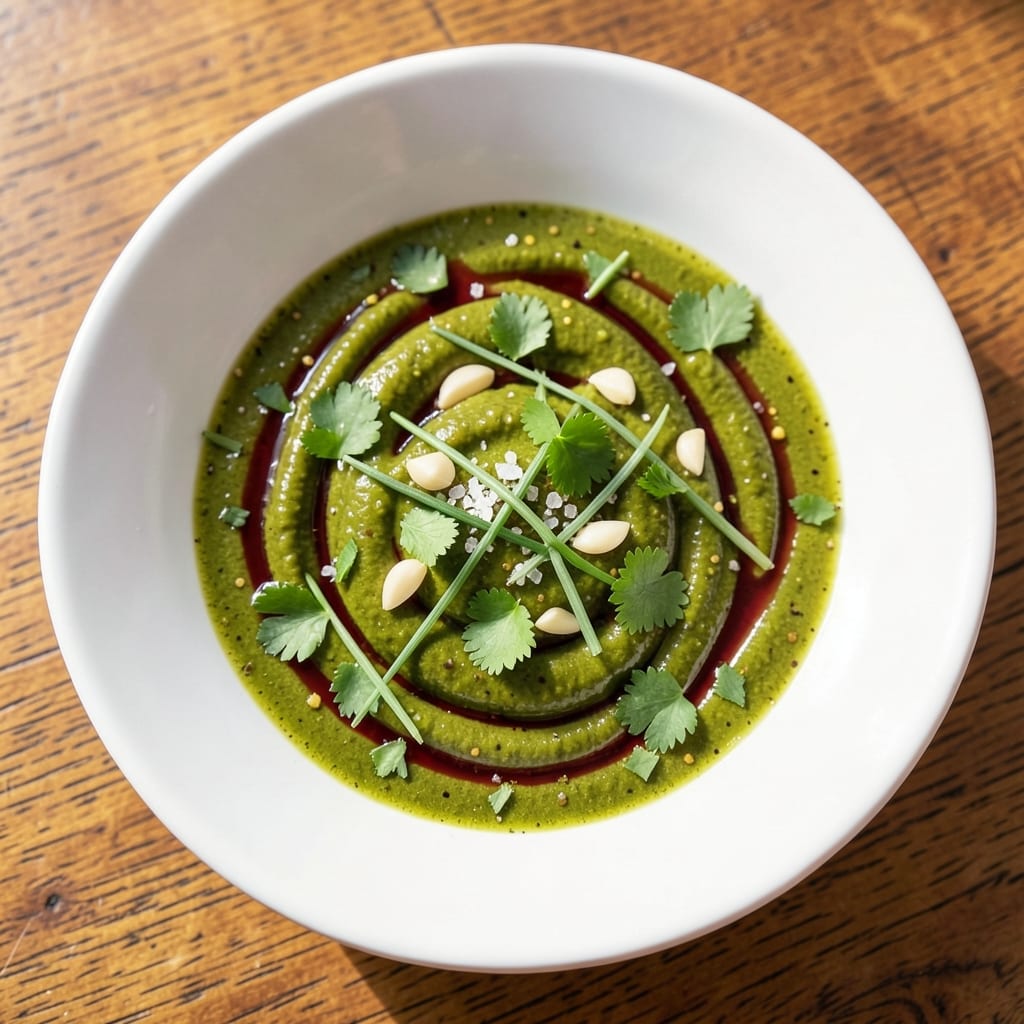
This five bean salad dressing recipe transforms simple salads into vibrant, herb-packed bites that steal the show. The secret lies in balancing tangy red wine vinegar with fresh herbs and a touch of Dijon mustard, creating a dressing that clings perfectly to every bean while enhancing their natural sweetness. I developed this recipe after realizing store-bought dressings lacked the bright, layered flavor needed to complement the varied textures of five-bean salads.
The dressing comes together in just 5 minutes with simple pantry staples—no fancy ingredients required. Olive oil provides richness, while fresh parsley and chives add freshness that brightens even the most basic bean salad. The key is emulsifying the dressing properly so it stays cohesive, whether drizzled over chilled beans or tossed with warm greens. This version is vegetarian and can easily be made vegan by omitting honey if included.
What you'll achieve is a dressing that elevates any bean salad from ordinary to extraordinary—bold in flavor, balanced in texture, and versatile enough for picnics, potlucks, or weeknight dinners. The herbs stay fresh-tasting even after refrigeration, making this an ideal make-ahead option. Perfect for those who want restaurant-quality flavor without the fuss.
Use it immediately or store it in the fridge for up to 5 days, shaking before each use to re-emulsify. The dressing works equally well on mixed greens, roasted vegetables, or even as a dip for crudités. Here's how to make it—simple, professional, and packed with flavor.
Ingredients for 5 bean salad dressing
Simple pantry staples meet vibrant herbs for a dressing that transforms basic bean salads into restaurant-worthy bites.
| Ingredient | Amount | Notes |
|---|---|---|
| Extra-Virgin Olive Oil 🫒 | ½ cup | High-quality, fruity, cold-pressed |
| Red Wine Vinegar 🍷 | ¼ cup | Dry, bold variety preferred |
| Dijon Mustard 🌿 | 1 tbsp | Whole-grain, not prepared |
| Fresh Parsley Leaves 🌿 | ¼ cup | Finely chopped, stems removed |
| Fresh Chives 🌱 | 0.15 cup | Finely chopped, mild onion flavor |
| Garlic Cloves 🧄 | 2 cloves | Minced, for aromatic depth |
| Dried Thyme 🌿 | ½ tsp | Or 1 tsp fresh thyme leaves |
| Granulated Sugar 🍚 | 1 tsp | Balances acidity, adjust to taste |
| Diamond Crystal Kosher Salt 🧂 | ½ tsp | Fine grain, enhances flavor |
| Honey 🍯 | 1 tbsp | Optional, for subtle sweetness |
The quality of your olive oil and vinegar makes all the difference here. Look for extra-virgin olive oil with a fruity, peppery finish—California or Italian brands like Bertolli or Filippo Berio excel. Red wine vinegar should be dry, not sweet; Maille or Balsamic Vinegar Co. are reliable choices. Fresh herbs are non-negotiable for brightness—Trader Joe's sells pre-washed parsley and chives, but even grocery store varieties work if the leaves are vibrant. The Dijon mustard should be whole-grain for texture, not that smooth prepared type. If you're using dried thyme, Penzeys or Spicewalla offer high-quality options that won't taste like dust.
No fresh herbs? Dried oregano at half the amount works in a pinch, but you'll lose that freshness. Substituting honey with maple syrup keeps it vegetarian—just reduce other sweetener by half. For a tangier dressing, add an extra 1/2 teaspoon of vinegar. The garlic can be roasted (microwave 30 seconds with a splash of water) for a mellow, sweet flavor instead of raw. If you're making this ahead, store the dressing without the honey and add it just before serving to prevent separation. The sugar can be swapped for agave or maple syrup for a vegan version, though it'll be slightly less stable when emulsified.
This dressing stays fresh for 5 days in an airtight container in the fridge, but the emulsification weakens over time. To revive, whisk vigorously or shake before use. For best texture, add the olive oil last and whisk vigorously to create a stable emulsion. If it separates, simply re-emulsify by whisking or using an immersion blender. Portion into small jars for easy use—perfect for picnics or meal prep. The herbs keep their vibrancy longer if you add them just before serving, but they'll still taste fresh after refrigeration.
Why You'll Love This Recipe
- No-Chop Needed: I swear by this trick—just tear those parsley and chives by hand, no knife required. The dressing comes together faster than you can say "dinner’s ready," and honestly? The freshness still shines through.
- Tangy Herb Magic: That bright red wine vinegar and Dijon mustard combo? It’s the secret weapon here. The parsley and chives add a bright, herby finish that cuts through anything—salads, roasted veggies, even grilled chicken—like a flavor upgrade.
- Meal Prep MVP: Between us, this dressing lasts forever in the fridge. I make a big batch on Sundays, and it’s still vibrant by Friday. Slather it on sandwiches, toss it with pasta, or drizzle it over beans—it’s the one pantry staple that never lets me down.
- Budget Brightener: Extra-virgin olive oil and vinegar are my go-to cheap luxuries. This recipe costs pennies but tastes like I spent hours in the kitchen. (Yes, even on a Tuesday night when takeout feels tempting.)
Step-by-step instructions for herb-infused five bean salad dressing
This bright, herbaceous vinaigrette transforms simple beans into a flavorful centerpiece.
Whisk the Base Ingredients Together
In a medium bowl, combine the 0.5 cup extra-virgin olive oil, 0.25 cup red wine vinegar, 1 tablespoon Dijon mustard, 1 teaspoon granulated sugar, and 0.5 teaspoon diamond crystal kosher salt. Use a whisk to blend vigorously for 30 seconds until the sugar fully dissolves and the mixture becomes emulsified.
This foundational step creates the dressing's backbone. The sugar helps balance the vinegar's acidity while the mustard adds depth. Whisking thoroughly ensures the oil and vinegar integrate smoothly rather than separating later. If you prefer a sweeter dressing, you can add the 1 tablespoon honey at this stage—it blends in beautifully.
Add Aromatics and Herbs
Next, incorporate the 2 minced garlic cloves, 0.5 teaspoon dried thyme, 0.25 cup finely chopped fresh parsley leaves, and 0.15 cup finely chopped fresh chives. Stir well with a wooden spoon to distribute the herbs evenly throughout the dressing. The garlic and thyme will infuse their bold flavors, while the parsley and chives add freshness and vibrant color.
Here's the thing—don't overmix at this stage. A gentle stir prevents the herbs from bruising and releasing bitter compounds. For best results, use freshly chopped herbs, as their bright flavors elevate the dressing significantly. If you're using fresh thyme instead of dried, reduce the amount to 1 teaspoon to maintain balance.
Taste and Adjust Seasoning
Taste the dressing immediately to evaluate the balance of flavors. At this point, it should be tangy from the vinegar, slightly sweet from the sugar (and honey, if added), and herby from the garlic, thyme, parsley, and chives. If the dressing tastes too sharp, add a pinch more sugar or a drizzle of honey. If it lacks brightness, a splash of additional vinegar will sharpen the flavor.
This is where the magic happens—adjusting to your taste preferences. The dressing should coat the back of your spoon without being overly thick. If it's too thick, whisk in 1 teaspoon water at a time until it reaches a pourable consistency. Conversely, if it's too thin, let it sit for 10 minutes to allow the oil to naturally emulsify further.
Rest and Emulsify
Cover the bowl with plastic wrap and let the dressing rest at room temperature for at least 15 minutes—this allows the flavors to meld and the emulsion to stabilize. During this time, the garlic and herbs will release their full aromatic potential, deepening the dressing's complexity. Give it a quick stir before using to ensure everything is well incorporated.
Real talk: Don't skip this step. Rushing the resting time can result in a dressing that separates or lacks depth. The longer it sits, the better the flavors develop. If you're short on time, rest it for 5 minutes at a minimum, but 15 minutes is ideal. Once rested, the dressing should have a velvety texture and a harmonious blend of tangy, herby, and slightly sweet notes.
Pro Tips For Making 5 Bean Salad Dressing
- Whisk in stages: Start with just vinegar and mustard—this emulsifies faster than dumping everything at once. I used to add the oil all at once and end up with a broken dressing every time. Mix the acid and mustard first, then drizzle in the oil slowly while whisking like your life depends on it.
- Use cold mustard: Keep your Dijon chilled until the last minute—warm mustard turns the dressing grainy and separates faster. I learned this after making a batch where the dressing split within hours. Pop that mustard jar in the fridge for 10 minutes if your kitchen’s warm.
- Chop herbs fine: No one likes a dressing with herb chunks—pulse parsley and chives in a food processor for 3-4 seconds, or chop them aggressively with a knife. I used to just tear them by hand, and it looked pretty but tasted like you forgot half the recipe.
- Balance the oil first: Taste the raw oil and vinegar mix before adding herbs—you’ll adjust salt and mustard more accurately. I’ve ruined dressings by adding herbs too early and then needing to compensate with extra acid or salt. Get the base right, then tweak.
Regional styles of this dish
Southern U.S. Twist
In the South, this dressing gets a smoky kick by swapping red wine vinegar for apple cider vinegar and adding ½ teaspoon smoked paprika. The warmth of the paprika complements the beans beautifully, especially when paired with black-eyed peas—a staple in Southern five-bean salads. I like to add 1 teaspoon hot sauce (like Crystal or Tabasco) for extra zing, making it perfect for barbecue sides or picnic dishes. 🌶️
Midwest Farmhouse Style
Midwestern cooks often prefer a creamier texture, so they blend in 1 tablespoon sour cream or Greek yogurt for richness. Fresh dill replaces chives, and ½ teaspoon celery seed adds a subtle crunch. This version works wonderfully with green beans and wax beans, which are common in Midwest gardens. Store it in a mason jar for rustic presentation—it’s a hit at potlucks and church gatherings. 🥫
Pacific Northwest Herb Garden
Up north, the focus shifts to fresh garden herbs like mint and tarragon, which add a bright, almost floral note. Substitute balsamic vinegar for red wine vinegar to deepen the flavor, and include 1 teaspoon lemon zest for a citrusy lift. This dressing pairs perfectly with kidney beans and chickpeas, a favorite combo in Pacific Northwest salads. It’s light enough for summer but hearty enough for fall harvest feasts. 🌿
Italian-Inspired Version
For an Italian touch, replace Dijon mustard with 1 teaspoon dried oregano and add 1 minced shallot for depth. Use white wine vinegar instead of red, and finish with ½ teaspoon red pepper flakes for heat. This dressing shines with cannellini beans and cherry tomatoes, mirroring classic Italian pasta e fagioli flavors. It’s bold, herby, and perfect for antipasto platters. 🍅
Vegan Adaptation
To make this dressing fully plant-based, skip the honey and use 1 tablespoon maple syrup instead. For extra creaminess, whisk in 1 tablespoon tahini or silken tofu (blended smooth). This version keeps all the vibrancy but adds a nutty richness that vegans love. It’s especially great when drizzled over roasted chickpeas or quinoa salads. 🌱
Nutrition facts
Frequently asked questions
Can I make this dressing without fresh herbs?
Yes! If fresh herbs aren't available, use 1 teaspoon dried parsley and ½ teaspoon dried chives (or 1 teaspoon dried oregano for a different flavor profile). The texture won't be as vibrant, but the dressing will still taste delicious. For extra depth, add ½ teaspoon onion powder to mimic the chives' mild onion note.
How do I prevent the dressing from separating?
Emulsification is key! Always add the olive oil last and whisk vigorously for 30-60 seconds to create a stable bond. For extra insurance, whisk in 1 teaspoon water or 1 teaspoon lemon juice before adding the oil. If it separates later, simply whisk or shake before using. The Dijon mustard also helps stabilize the emulsion.
Can I use this dressing on other dishes besides bean salads?
This versatile dressing works beautifully on mixed greens, roasted vegetables, grilled chicken, or even as a dip for crudités or pita chips. The herby, tangy flavor pairs well with almost any protein or veggie. For a bolder taste, drizzle it over warm quinoa or cold pasta salads.
Is this dressing vegan?
The base recipe is vegetarian, but it contains honey, which makes it non-vegan. For a fully plant-based version, omit the honey and use 1 tablespoon maple syrup or agave nectar instead. You can also add 1 tablespoon tahini for extra creaminess without dairy. The flavor remains bright and herbaceous.
How do I store leftovers?
Transfer the dressing to an airtight container and refrigerate for up to 5 days. Before using, shake or whisk vigorously to re-emulsify. For best flavor, use within 3 days. If storing long-term, freeze in ice cube trays—thaw and shake before use. The herbs retain their freshness better when refrigerated, but the dressing will still taste good after freezing.