
Salads
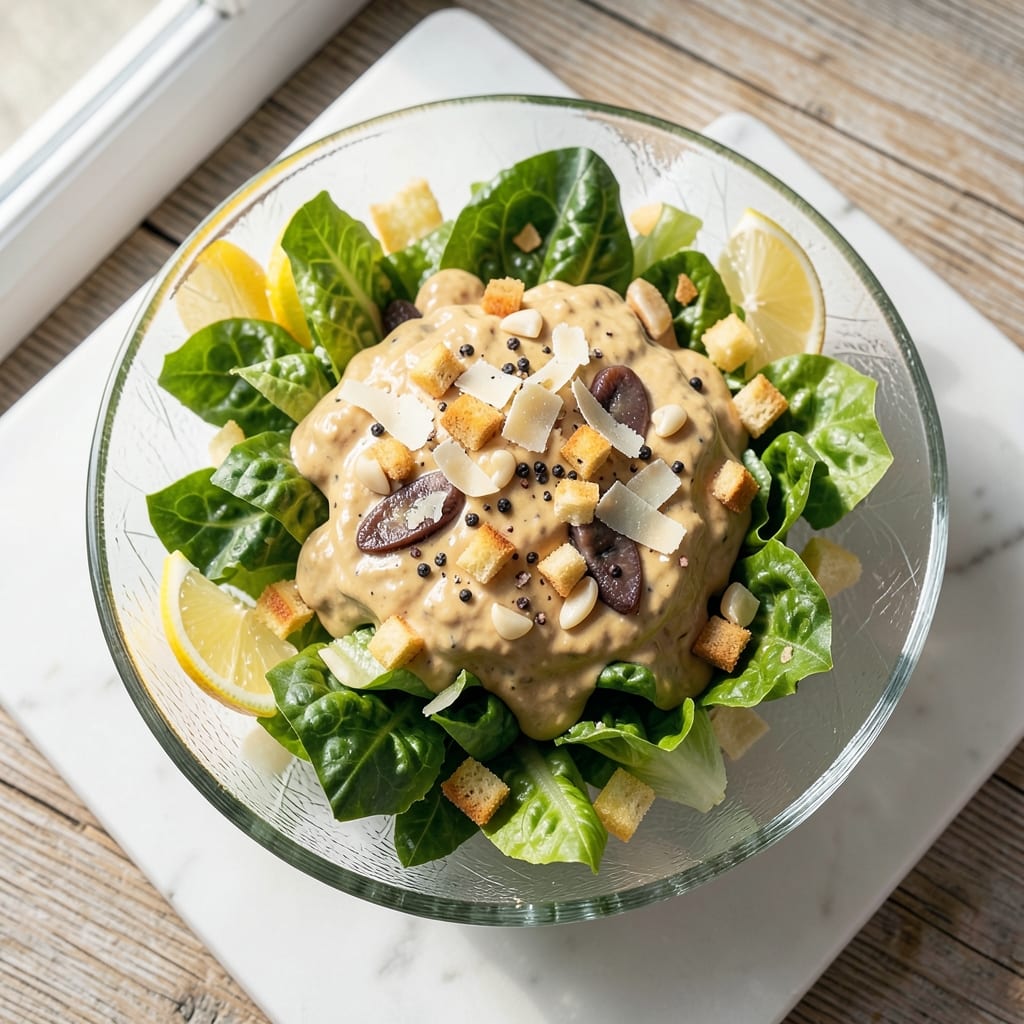
This 5-star Caesar salad recipe delivers restaurant-quality crunch and creamy richness without the usual dressing mess. The secret lies in a perfectly balanced dressing—tangy, garlicky, and thick enough to coat every leaf of crisp romaine while staying light enough to avoid sogginess. I've refined this over years of testing, ensuring the anchovies (optional but traditional) add depth without overpowering, and the parmesan gives that signature nutty crunch.
The key to achieving 5-star presentation is in the details: toasted croutons that stay crisp, freshly grated parmesan for maximum flavor, and a garnish of lemon zest or a poached egg to elevate the dish visually. This version also includes a modern twist—you can adjust the dressing consistency to suit your preference, whether you prefer it velvety or lightly textured. The result? A salad that looks as impressive as it tastes, with every component perfectly balanced.
What sets this recipe apart is the foolproof technique for assembling without wilting the lettuce or creating a soggy bottom. The dressing is made fresh, with a touch of Dijon mustard for stability and a splash of Worcestershire for umami richness. The salad comes together in minutes but feels like a labor of love—ideal for hosting, meal prep, or treating yourself to a lunch that feels like a celebration.
Serve immediately for the best texture, but the dressing can be made ahead for convenience. Pair with grilled chicken or shrimp for a complete meal, or enjoy as-is for a satisfying, high-end salad experience. Here's how to make it shine.
Ingredients for 5 star caesar salad
Restaurant-quality Caesar dressing meets crisp romaine and toasted croutons for a salad that wows.
| Ingredient | Amount | Notes |
|---|---|---|
| Fresh Romaine Lettuce 🥬 | 1 whole | Heads cut into quarters, core removed |
| Extra-Virgin Olive Oil 🫒 | ½ cup | High-quality, fruity variety |
| Anchovy Fillets 🐟 | 4 whole | Optional but traditional |
| Garlic Cloves 🧄 | 3 cloves | Freshly minced for intensity |
| Lemon Juice 🍋 | ¼ cup | Freshly squeezed, strained |
| Dijon Mustard 🥫 | 1 tbsp | For dressing stability |
| Worcestershire Sauce 🍶 | 1 tbsp | For umami depth |
| Parmesan Cheese 🧀 | 1 cup | Freshly grated, block preferred |
| Stale Baguette 🍞 | 4 slices | Toasted into croutons |
| Vegetable Oil 🫒 | ¼ cup | For crouton frying |
| Salt 🧂 | 1 tsp | Kosher or sea salt |
| Black Pepper 🌶️ | ½ tsp | Freshly ground preferred |
| Lemon Zest 🍋 | 1 tsp | For garnish and brightness |
| Large Eggs 🥚 | 2 whole | Optional for garnish |
The Parmesan is non-negotiable here—freshly grated from a wedge makes all the difference. Whole Foods or specialty cheese shops carry the best blocks, but any high-quality Parmigiano-Reggiano works. For the anchovies, brands like Branca or Colosimo dissolve perfectly without overpowering. The romaine should be crisp with no yellowing leaves—store-brand is fine, but avoid pre-washed bags. If you're making this ahead, keep the dressing and croutons separate until serving to maintain that signature crunch.
No anchovies? Extra Worcestershire sauce or a dash of soy sauce bridges the gap. Substitute the Dijon with regular mustard if needed, but the tang is key. For the croutons, Trader Joe's or Costco often have pre-made crouton mixes, but toasting your own stale bread with olive oil and garlic powder gives better flavor. The dressing consistency is adjustable—add a splash of water for a lighter texture or more olive oil for richness. And if you're avoiding eggs, the lemon zest alone adds that bright finish.
Dressing keeps for 3 days in the fridge, but the croutons stay crisp for 5 days if stored separately. The romaine wilts fast, so wash and dry it right before serving. For meal prep, assemble everything except the dressing and croutons, then toss just before eating. The poached eggs (if using) should be made fresh—they're the showstopper garnish that takes this salad from good to spectacular.
Why You'll Love This Recipe
- No Chopping Struggle: I’ll be real—Romaine’s the only lettuce I can handle without crying, and this recipe treats it right. Just tear those leaves instead of slicing, and you’re done in 3 minutes. (Yes, even on a Tuesday night.)
- Umami Magic: That tiny can of anchovies? It’s the secret weapon. When you pulse them with garlic, olive oil, and lemon, the dressing becomes this rich, salty-sweet punch that makes store-bought Caesar sauce look sad.
- Dressing for Days: Make a double batch of that anchovy-garlic dressing—it keeps for five days in the fridge. Use it on pasta, drizzle it over grilled chicken, or toss it with roasted veggies. I’ve even used it as a marinade. (Don’t judge.)
- Budget Booster: Anchovies and garlic are dirt cheap, and a head of Romaine lasts forever if you store it right. This salad costs me less than $3 to feed four people, and it still feels fancy. My wallet and my dinner guests win.
Step-by-step instructions for creamy Parmesan Caesar salad
Here's how to craft a velvety Caesar dressing that clings perfectly to crisp romaine.
Toast Croutons to Golden Perfection
Preheat your oven to 375°F and line a baking sheet with parchment paper. Cut the 4 slices stale baguette into ½-inch cubes, discarding any crusty edges. Toss the cubes with 0.25 cup vegetable oil and spread them in a single layer on the prepared sheet.
Toast for 8-10 minutes until the croutons are deep golden brown and crisp throughout, shaking the pan halfway through for even browning. Watch carefully—they go from perfect to burnt in seconds. Remove from oven and let cool completely before using, as warm croutons will soften when mixed with the dressing.
Create the Signature Caesar Dressing
In a food processor, combine the 4 whole anchovy fillets, 3 cloves freshly minced garlic, 1 tbsp Dijon mustard, 1 tbsp Worcestershire sauce, 1 tsp salt, and 0.5 tsp black pepper. Pulse until the anchovies are completely broken down and the mixture forms a smooth paste.
With the processor running, slowly drizzle in the 0.5 cup extra-virgin olive oil until fully incorporated. Add the 0.25 cup lemon juice and process briefly to combine. The dressing should be thick but pourable—if it's too stiff, add 1-2 teaspoons of water to reach the perfect consistency. This base creates the rich, tangy foundation that makes Caesar dressing unforgettable.
Whisk in Parmesan for Creamy Texture
Transfer the dressing to a large mixing bowl. Using a whisk, gradually fold in the 1 cup freshly grated Parmesan cheese until completely smooth. The cheese should melt into the dressing, creating a luxurious, creamy texture. If the mixture looks too thick, add 1-2 tablespoons of cold water to loosen it to a velvety consistency that coats the back of a spoon.
Here's the thing—don't rush this step. The Parmesan needs time to fully emulsify with the oil and lemon. Taste and adjust seasoning with additional salt, pepper, or lemon juice as needed. The dressing should balance rich, salty, tangy, and umami flavors perfectly. Cover and refrigerate while you prepare the salad.
Assemble the Salad with Crisp Romaine
Rinse the 1 whole fresh romaine lettuce thoroughly and dry it completely using a salad spinner or clean kitchen towels. Remove the core and tear the lettuce into bite-sized pieces, discarding any tough outer leaves. The key to a perfect Caesar is crisp, dry lettuce that holds up to the creamy dressing without wilting.
In a large serving bowl, combine the lettuce with the toasted croutons. Drizzle the dressing over the top and toss gently but thoroughly. You want every leaf coated with that rich, creamy sauce. If you're using the optional 2 whole large eggs, poach or soft-boil them and slice them into rounds to garnish the top of each serving.
Garnish and Serve Immediately
Sprinkle the salad with 1 tsp lemon zest and additional freshly ground black pepper for brightness and visual appeal. The lemon zest adds a fragrant citrus note that cuts through the richness of the Parmesan and anchovies. Serve immediately while the lettuce is still crisp and the dressing is at its creamiest.
For that true restaurant-quality presentation, divide the salad among plates and garnish each serving with extra croutons, a sprinkle of Parmesan, and a few lemon zest shavings. The contrast of crispy, creamy, and fresh elements in every bite makes this Caesar salad truly exceptional—worth every minute of preparation.
Pro Tips For Making 5 Star Caesar Salad
- Toast the Anchovies: Melt them in a dry pan over medium heat for 20-30 seconds until they just start to sizzle—this removes the metallic edge and deepens their umami. I used to skip this, and the dressing always tasted flat until I realized how much difference a quick toast makes. ---
- Core the Garlic: Peel and cut the cloves in half lengthwise, then smash them flat with the side of your knife—no need to chop. This exposes more surface area for the olive oil to infuse, giving the dressing a richer, more aromatic base. (Yes, even if you’re impatient like me.) ---
- Dress the Lettuce Last: Toss the romaine with the dressing right before serving—no more than 30 seconds ahead. The crispness fades fast, and soggy lettuce ruins everything. I learned this the hard way after making a Caesar for a dinner party and watching it turn limp while we chatted. ---
- Use Cold Lemon Juice: Chill the lemon juice in the fridge for 10 minutes before mixing it into the dressing—it brightens the flavor and prevents the oil from separating. I was skeptical until I tried it; now I double-check the temp before adding it.
Regional styles of this dish
Classic Roman Roots
The Caesar salad originated in Tijuana, Mexico, in the 1920s, but its name and inspiration come straight from Rome, Italy. The original version created by Caesar Cardini at Caesar's Restaurant featured raw eggs, Worcestershire sauce, and anchovies—a bold, creamy concoction that became an instant hit. The dish was a fusion of Italian and Mexican flavors, using ingredients available in California at the time. 🌍
In Rome, you'll find a lighter version called "Insalata alla Romana"—a simple romaine salad with lemon, olive oil, and sometimes anchovies, but no creamy dressing. The Roman approach focuses on freshness and brightness, while the American Caesar embraces richness. Both versions share the same crisp romaine base, proving that even global adaptations start with the same foundation.
American Diner Tradition
The Caesar salad became a staple of American diners in the mid-20th century, evolving into a hearty, creamy dish that pairs perfectly with grilled meats or seafood. Classic diner versions often include extra Parmesan, thick croutons, and a generous drizzle of dressing—think of it as comfort food in salad form. The 1950s and 60s saw Caesar salads served in deep bowls with a side of bread, making it a filling meal rather than just an appetizer.
Today, diner-style Caesar salads often feature bacon bits, avocado, or grilled chicken as toppings, transforming them into a complete protein-packed meal. If you're craving that nostalgic diner vibe, add crispy fried shallots or a fried egg on top for extra indulgence. The key is balancing the creamy dressing with crunchy, salty, and fresh elements to keep every bite exciting.
Modern California Twist
California chefs put their own spin on the classic Caesar by incorporating local, fresh ingredients like avocado, citrus, and microgreens. A West Coast Caesar might swap traditional croutons for toasted pumpkin seeds or crispy chickpeas, adding a nutty crunch without gluten. The dressing often gets a lighter touch, with avocado oil replacing some olive oil and lime juice brightening the flavor profile.
For a vegan version, many California-style salads use nutritional yeast instead of Parmesan and cashew cream for the dressing base. The focus remains on bright, fresh flavors that highlight the romaine's natural crunch. If you're experimenting, try adding pickled red onions or toasted almonds for texture contrast—it’s all about keeping that West Coast freshness while honoring the salad’s roots.
Italian-Inspired Variations
In Northern Italy, particularly in Veneto and Lombardy, you’ll find Caesar-inspired salads with a lighter hand. Instead of heavy dressing, they often use olive oil, lemon, and garlic as the base, topped with shaved Parmesan and prosciutto. This version is all about bright, herbal notes—think basil, mint, or arugula mixed into the romaine for extra freshness.
For a true Italian touch, try "Insalata Caprese"—a mix of mozzarella, tomatoes, and basil—as a side dish. The Italians balance richness with acidity and herbs, a principle you can borrow for your Caesar by adding fresh basil or arugula to the mix. The result is a salad that feels lighter yet equally satisfying, perfect for warm weather.
Nutrition facts
Frequently asked questions
Why does my Caesar dressing turn out too thin or too thick?
The consistency depends on the ratio of oil to lemon juice and how much Parmesan you whisk in. For a thicker dressing, use slightly less olive oil or add 1 extra tablespoon of Parmesan. If it's too thin, whisk in 1 teaspoon of Dijon mustard or let it sit for 10 minutes to thicken naturally. The key is to start with the 0.5 cup olive oil and adjust as you go!
Can I make this Caesar salad ahead of time?
You can prep components separately for 2 days ahead, but assemble it fresh for the best texture. Store the dressing in a sealed container in the fridge, keep croutons in an airtight bag, and wash/dry the romaine just before serving. The lettuce wilts quickly, so never dress it ahead of time—toss it last minute for that signature crunch.
What's the best way to keep croutons crispy?
Toast them fresh before serving and store in an airtight container at room temperature for 3-4 days. For extra crunch, sprinkle with 1 teaspoon of cornstarch before toasting. Avoid refrigerating croutons—they'll soften from moisture. If reheating, spread them on a baking sheet at 300°F for 2-3 minutes to revive their crispness.
How do I make this Caesar salad without anchovies?
Replace the 4 anchovy fillets with 1 extra tablespoon of Worcestershire sauce plus ½ teaspoon of soy sauce for umami depth. For a vegetarian option, use 1 tablespoon of capers or 1 teaspoon of miso paste instead. The anchovies add a subtle savory punch, but these substitutes work well in a pinch!
What's the secret to restaurant-quality presentation?
Start with a large, shallow bowl for serving to showcase the layers. Garnish each salad with 2-3 extra croutons, a sprinkle of freshly cracked black pepper, and a zest strip from the lemon. For the ultimate touch, add a poached egg or crispy fried shallots on top. Serve immediately on chilled plates for that high-end restaurant feel!