
Salads
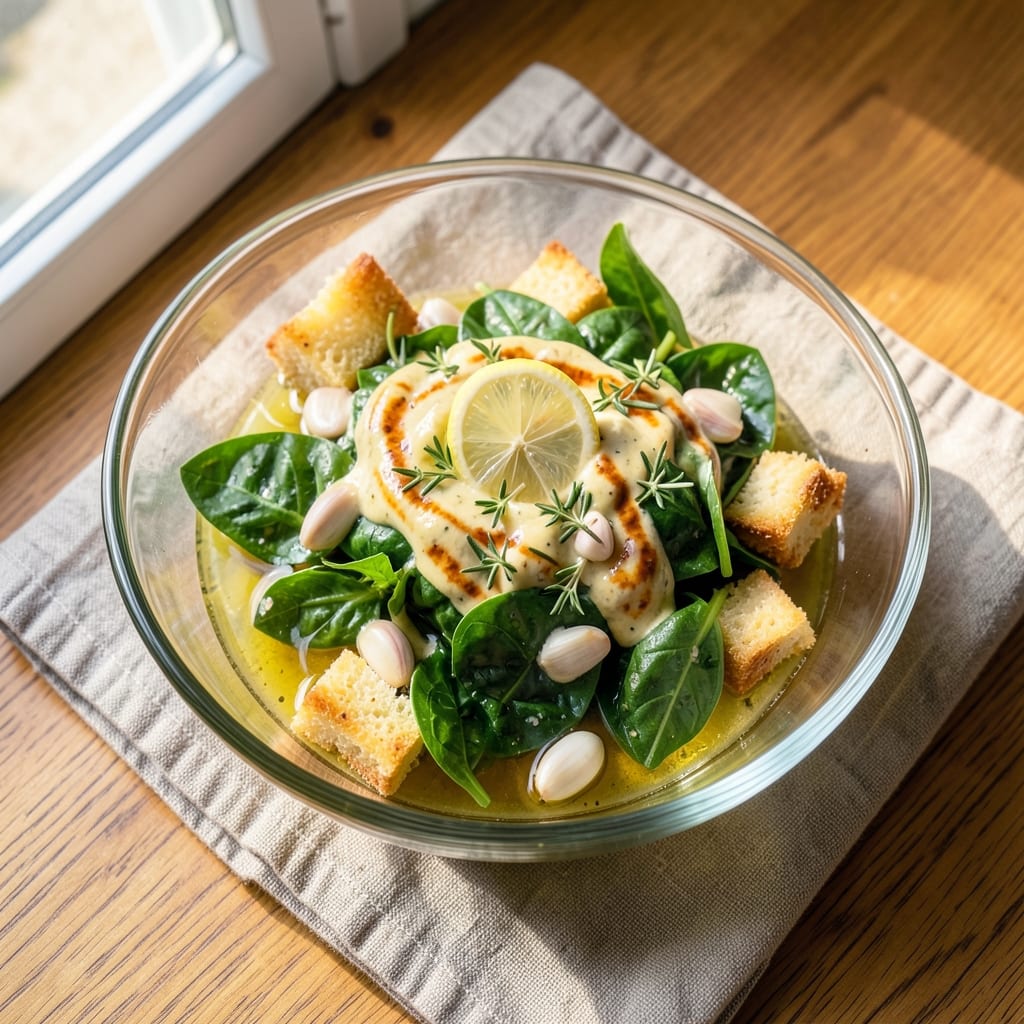
This Alibi Antipasto Salad Dressing Recipe transforms simple ingredients into a vibrant, herb-infused oil that elevates any antipasto spread or salad. The bright lemon twist and aromatic herbs create a dressing that's as versatile as it is delicious—perfect for drizzling over fresh greens, crusty bread, or marinated vegetables. I developed this recipe to capture the bold, Mediterranean flavors of classic antipasto platters in every drop.
The secret lies in the balance of extra-virgin olive oil, fresh herbs, and a zesty lemon base. Unlike traditional vinaigrettes, this version relies on infused oil for a richer texture while maintaining that signature tang. The garlic and Dijon mustard add depth, while fresh basil and oregano bring the Mediterranean essence. What makes it special is how quickly it comes together—just minutes of prep, yet the flavors develop beautifully when rested.
What you'll end up with is a dressing that's creamy yet bright, with layers of herbaceous notes and a citrusy finish that cuts through rich ingredients. It's the kind of dressing that turns a simple salad into a restaurant-worthy dish or transforms a basic antipasto plate into something extraordinary. The best part? It keeps well in the fridge for up to a week, so you can make a batch and enjoy it all week long.
This dressing works equally well as a marinade for grilled vegetables or a finishing drizzle for roasted meats. The versatility makes it a staple in any kitchen, whether you're hosting a dinner party or simply craving a taste of Italy. Let's get started on creating this flavorful staple that will elevate every dish it touches.
Ingredients for alibi antipasto salad dressing
Eight vibrant ingredients create this Mediterranean-inspired dressing that transforms ordinary salads into restaurant-worthy dishes.
| Ingredient | Amount | Notes |
|---|---|---|
| Extra-Virgin Olive Oil 🫒 | 1 ½ cups | High-quality, fruity, cold-pressed |
| Fresh Basil Leaves 🌿 | 1 cup | Packed, stems removed, vibrant green |
| Fresh Oregano Leaves 🍃 | ¼ cup | Finely chopped, preferably Mediterranean |
| Garlic Cloves 🧄 | 4 cloves | Peeled, lightly crushed for infusion |
| Dijon Mustard 🍯 | 1 tbsp | Mellow or strong, depending on preference |
| Fresh Lemon Juice 🍋 | 2 tbsp | From 1 medium lemon, freshly squeezed |
| Sea Salt 🧂 | ¾ tsp | Fine grain, Diamond Crystal preferred |
| Black Peppercorns 🌶️ | ½ tsp | Freshly cracked, coarse grind |
The olive oil is the foundation—look for extra-virgin with a fruity, peppery finish. Trader Joe's and Whole Foods carry excellent options, but any high-quality brand works. Fresh basil and oregano should be fragrant and bright green; avoid wilted leaves. For garlic, choose plump cloves with no sprouts—they infuse flavor beautifully. The Dijon mustard adds depth, so don't skimp on quality here either. I always grab the Maille brand when I'm making this dressing.
No fresh basil? Dried basil at half the amount works in a pinch, though it lacks that fresh punch. Substitute oregano with thyme or marjoram if needed, but the Mediterranean profile suffers slightly. Running low on Dijon? Yellow mustard at double the quantity mimics the tang, though it won't have the same complexity. For lemon juice, bottled works but fresh is always better. The sea salt should be fine grain—Diamond Crystal or Maldon are ideal. For pepper, freshly cracked black peppercorns add dimension that pre-ground can't match.
This dressing keeps beautifully—up to 1 week in the fridge when stored in a sealed jar. The flavors actually improve with time, developing deeper herbaceous notes. For longer storage, freeze in 1-tablespoon portions in ice cube trays. Perfect for drizzling on antipasto platters, salads, or even grilled vegetables. The oil separates slightly when refrigerated—just give it a good shake before using. Make a double batch; you'll want it on hand for everything.
Why You'll Love This Recipe
- No-Chop Required: I swear by this—just toss in whole basil and oregano leaves, let the blender do the work. No measuring cups, no tiny dice of garlic (unless you’re feeling fancy), and zero prep time. That’s right: you can make this while scrolling through your phone.
- Garlic-Basil Magic: The moment I hit pulse on the blender, that fresh garlic and basil combo hits like a flavor bomb. Dijon mustard ties it all together—tangy, bright, and just salty enough to make your taste buds stand up. Honestly, it’s the kind of dressing that makes even plain lettuce feel like a gourmet meal.
- Weeknight Superstar: This is my go-to when I’m too tired to think. Drizzle it on grilled chicken, toss it with roasted veggies, or—my favorite—dump it over a charcuterie board with zero effort. It’s the kind of dressing that works every time, even when you’re too exhausted to care.
- Lasts All Week: Between us, I make a big batch on Sunday and it’s still good by Friday. The olive oil keeps it from going rancid, and the herby notes actually get stronger as it sits. Best of all? It’s cheap—just a handful of ingredients, no fancy bottles, and no waste. My wallet and I both approve.
Step-by-step instructions for herb-infused antipasto dressing
This bright, aromatic dressing transforms simple salads into Italian-inspired masterpieces.
Prepare the Herb and Garlic Base
In a food processor, combine the 1 cup fresh basil leaves and 0.25 cup fresh oregano leaves with the 4 peeled garlic cloves. Pulse until the herbs are finely chopped but not completely puréed—you want visible texture, not a smooth paste. This preserves the vibrant colors and distinct flavors that make antipasto dressing special.
Transfer the herb mixture to a small bowl and set aside. The key here is freshness—using vibrant green herbs at their peak will give your dressing that authentic Italian brightness. If your herbs are wilted or yellowing, this dressing won't shine as brightly, so choose the freshest you can find.
Combine Wet Ingredients
In the same food processor, add the 1.5 cups extra-virgin olive oil and process for 10-15 seconds just to blend everything lightly. This step ensures the oil absorbs the herb flavors without breaking down the texture. Pour the oiled herbs into a clean glass jar with a tight-fitting lid.
In a separate small bowl, whisk together the 1 tbsp Dijon mustard, 2 tbsp fresh lemon juice, 0.75 tsp sea salt, and 0.5 tsp freshly cracked black peppercorns. The mustard acts as an emulsifier, helping the oil and lemon juice blend smoothly. Taste this mixture—it should be tangy, slightly peppery, and well-seasoned before combining with the oil.
Infuse and Rest for Maximum Flavor
Slowly pour the mustard-lemon mixture into the jar with the herb-oil blend, stirring gently to combine. Seal the jar tightly and let it sit at room temperature for at least 2 hours, or refrigerate for up to 48 hours for deeper flavor infusion. The longer it rests, the more pronounced the herb and garlic notes become.
I like to give this dressing a good shake before each use to redistribute any settled herbs. The lemon juice will keep the dressing fresh longer than traditional vinaigrettes, and the olive oil provides a luxurious, velvety texture that elevates any antipasto salad. This resting period is crucial—it's what transforms a simple mixture into a complex, flavorful dressing.
Adjust and Use Immediately
Before using, give the dressing another good shake and taste. The flavors should be balanced—bright from the lemon, aromatic from the herbs, with a subtle garlic presence. If it needs more acidity, add a splash of fresh lemon juice. For more saltiness, a pinch of sea salt will do the trick. Remember, this dressing is meant to complement, not overpower, your antipasto salad.
Use the dressing immediately or store it in the refrigerator for up to 1 week. The flavors will continue to develop over time, making it even more complex. When ready to use, drizzle generously over your antipasto salad just before serving to prevent the dressing from making the vegetables soggy. The perfect ratio is about 2 tablespoons per serving—enough to coat the vegetables lightly without overwhelming them.
Pro Tips For Making Alibi Antipasto Salad Dressing
- Pulse the Herbs: Use a mortar and pestle instead of chopping—it releases more oils from the basil and oregano, giving the dressing depth. I tried a blender once, and it turned out flat; the herbs need to be worked, not just blended.
- Infuse the Oil Slowly: Heat the olive oil just until it shimmers (160°F/70°C), then let the garlic and herbs steep for 2-3 minutes off the heat. Rushing this step makes the dressing taste raw and bitter—patience here makes all the difference.
- Strain Twice: First strain through a fine-mesh sieve to catch big herb bits, then filter again through cheesecloth for a silky texture. I learned this after serving a dressing with visible basil stems—no one wants to chew while eating antipasto.
- Balance the Mustard: Start with half the Dijon called for, taste, then adjust—this dressing can turn sharp fast. I once added all the mustard upfront and had to fix it with honey; better to play it safe and add more later.
Wine and beer pairings for this recipe
Italian White Wines
This dressing pairs beautifully with crisp, dry Italian whites that mirror its bright lemon and herb notes. I always reach for a Vermentino from Sardinia—its citrusy acidity and mineral finish cut through the richness of antipasto platters perfectly. Pinot Grigio from Alto Adige is another fantastic choice, offering a clean, refreshing profile that won’t overpower the dressing’s vibrant flavors. Avoid heavy, oaked whites—they’ll clash with the delicate herbaceousness. 🍷
Light-Bodied Reds
For those who prefer red wine, opt for light, high-acid varieties like Chianti or Sangiovese. The bright acidity in these wines complements the lemon and garlic in the dressing, while their earthy undertones harmonize with the oregano and basil. Serve slightly chilled to enhance the wine’s freshness and prevent it from feeling too heavy alongside the dressing. A Valpolicella Classico also works beautifully—just ensure it’s not too tannic.
Sparkling Wine Pairings
Celebrate your antipasto spread with a glass of Prosecco or Franciacorta—their effervescence cleanses the palate between bites of marinated vegetables and cured meats. The bubbles also mirror the dressing’s lively texture, creating a perfect balance. For a more robust option, try Lambrusco, a slightly fizzy red from Emilia-Romagna, which adds a fun contrast to the dressing’s herbaceous notes. Serve well-chilled for the best experience. ✨
Craft Beer Options
If wine isn’t your thing, a crisp Italian lager like Peroni or Moretti pairs wonderfully with this dressing. Their light, refreshing profiles won’t compete with the herbs and lemon. For craft beer lovers, a Belgian witbier—like Stella Artois Wit—brings a citrusy, spiced note that echoes the dressing’s lemon and oregano. Avoid heavy stouts or IPAs, which could overpower the delicate flavors. 🍺
Non-Alcoholic Pairings
For a refreshing non-alcoholic option, try a sparkling blood orange soda like San Pellegrino Aranciata Rossa. The citrus notes enhance the dressing’s lemon brightness, while the bubbles keep it light and refreshing. Alternatively, a cucumber-mint infused water with a splash of Italian limoncello (if you want a hint of alcohol) adds a crisp, cooling contrast to the rich dressing. 💧
Nutrition facts
Frequently asked questions
Can I make this dressing without fresh herbs?
Yes, but the flavor will be less vibrant. Use 1/2 teaspoon dried basil and 1/4 teaspoon dried oregano instead of fresh, but infuse them in the olive oil for 30 minutes before adding the wet ingredients. For best results, combine dried herbs with 1 extra garlic clove to compensate for the reduced aroma.
How can I use this dressing beyond salads?
This versatile dressing works beautifully as a marinade for grilled vegetables or chicken breasts—just use 1/4 cup per pound of protein. It also elevates bruschetta, pasta dishes, or even as a finishing drizzle for wood-fired pizza. The herb-infused oil makes it perfect for dipping fresh bread or crudité platters.
Why does my dressing separate after refrigerating?
This is normal! The oil and lemon juice naturally separate when chilled. Simply shake the jar vigorously before using—it should emulsify perfectly. For a smoother texture, add 1 extra teaspoon Dijon mustard when making a fresh batch. The mustard acts as a natural emulsifier, keeping the dressing cohesive.
Can I add anchovies to this dressing for extra umami?
For a more traditional antipasto flavor, add 2-3 finely chopped anchovy fillets when combining the wet ingredients. They dissolve completely but add deep, savory depth. Start with 2 fillets and adjust to taste—anchovies can be potent. This variation works especially well with olive tapenade or marinated artichokes.
What's the best way to store leftovers?
Transfer any unused dressing to a clean, airtight glass jar and store it in the refrigerator for up to 1 week. The flavors actually improve over time! For longer storage, freeze in 1-tablespoon portions in ice cube trays. Thaw overnight in the fridge—never microwave, as it destroys the delicate herb flavors. Label with the date for tracking freshness.