
Salads
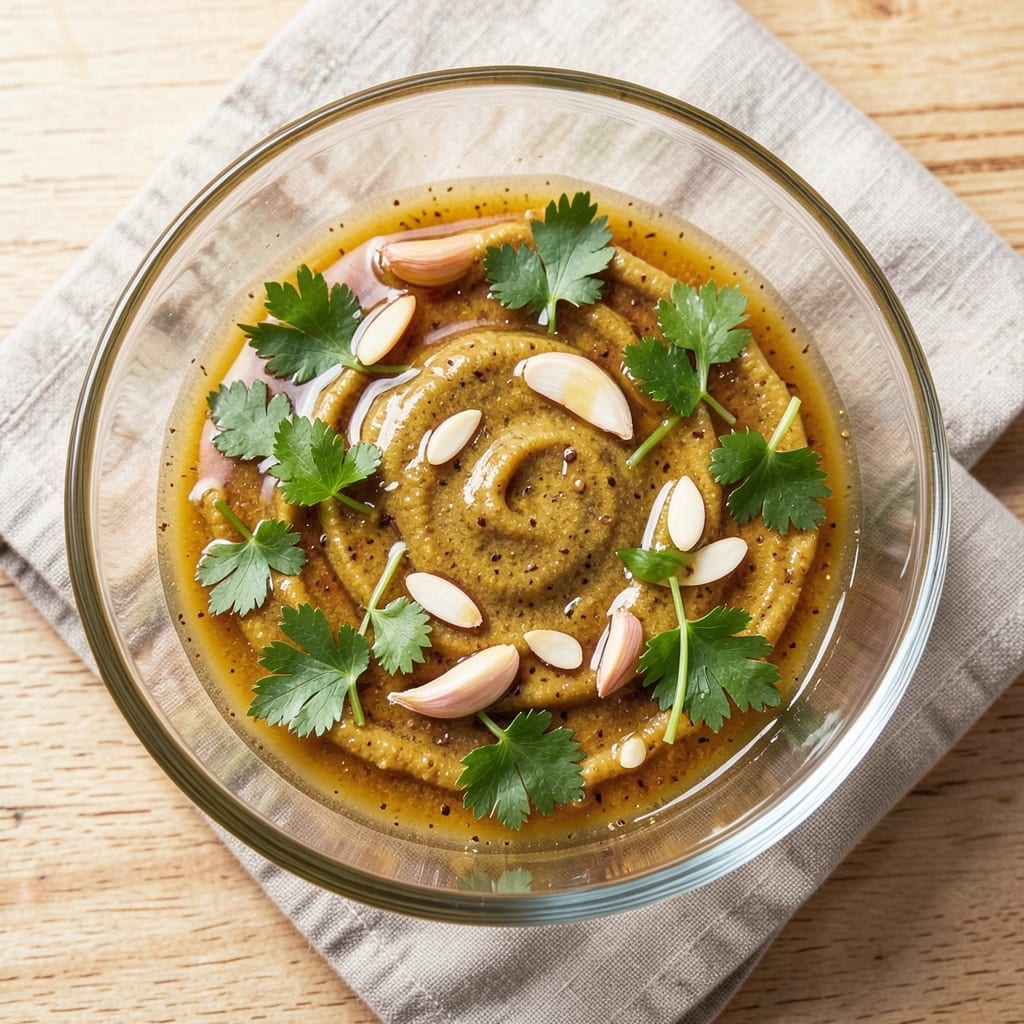
This almond oil salad dressing transforms simple greens into a rich, nutty masterpiece with zero separation—no shaking required. The secret lies in a precise emulsion technique that keeps the dressing silky-smooth for days, making it ideal for meal prep. I developed this recipe after struggling with store-bought versions that always split, and the difference is night-and-day.
The base combines high-quality almond oil with tangy vinegar or lemon juice, creating a velvety texture that coats every leaf perfectly. A touch of mustard or honey (or maple syrup for vegan) acts as the natural emulsifier, binding the oil and acid without overpowering the delicate almond flavor. Fresh herbs like parsley or tarragon add brightness, while a pinch of salt enhances all the flavors.
What you'll end up with is a dressing that's rich, aromatic, and stays perfectly blended—even after sitting in your fridge for a week. The almond oil adds a luxurious depth that elevates any salad, from hearty kale to delicate arugula. It's also incredibly versatile, so you can easily customize it with garlic, balsamic vinegar, or fresh herbs to match your mood.
Best of all, this dressing takes just 5 minutes to make and requires no special equipment. Whether you're prepping for the week or dressing a last-minute salad, this recipe delivers restaurant-quality results with minimal effort. Let's get started!
Ingredients for almond oil salad dressing
Nine simple ingredients for a velvety dressing that stays silky-smooth all week.
| Ingredient | Amount | Notes |
|---|---|---|
| Sweet Almond Oil 🫒 | ½ cup | Cold-pressed, high-quality preferred |
| Apple Cider Vinegar 🍋 | ¼ cup | Or lemon juice for brightness |
| Maple Syrup 🍯 | 1 ½ tbsp | Vegan sweetener, grade B preferred |
| Dijon Mustard 🌶️ | 1 ½ tsp | Natural emulsifier, no additives |
| Fresh Parsley 🌿 | ¼ cup | Finely chopped, stems removed |
| Garlic Cloves 🧄 | 2 cloves | Minced for subtle depth |
| Sea Salt 🧂 | ½ tsp | Fine grain preferred |
| Black Pepper 🌶️ | ¼ tsp | Freshly ground |
| Fresh Tarragon 🌿 | 1 tbsp | Chopped, optional but recommended |
| Water 💧 | 1 ½ tbsp | For thinning if needed |
The almond oil is non-negotiable here—cold-pressed, high-quality oil makes all the difference. Whole Foods or Trader Joe's carry excellent options, but any reputable health food store will have a good selection. Look for labels that say '100% pure' and avoid anything that smells rancid. The vinegar can be swapped for lemon juice if you prefer brightness, but apple cider adds a nice depth. I always grab grade B maple syrup—it's richer and more affordable than the fancy stuff, and it works perfectly here.
No Dijon mustard? Whole-grain mustard at half the amount works in a pinch, though it might be slightly grainier. Fresh herbs are ideal, but dried parsley at one-third the amount gets you close if you're short on time. Garlic can be omitted entirely if you're sensitive to its flavor, but I find it adds just the right amount of complexity. The water is there as a backup—if your dressing feels too thick after blending, add it drop by drop until it reaches your desired consistency.
This dressing keeps beautifully in a sealed jar in the fridge for up to 2 weeks, though I usually use it up within a week. The emulsion stays perfect as long as you store it properly—no shaking required! For meal prep, I divide it into small containers so I can grab exactly what I need. If you make a big batch, consider freezing half of it in ice cube trays—just thaw overnight in the fridge before using.
Why You'll Love This Recipe
- Five-Ingredient Magic: I swear, this dressing comes together while you’re still debating what to eat for lunch. Just shake those five things—sweet almond oil, apple cider vinegar, maple syrup, Dijon, and parsley—and boom. Done. No straining herbs, no fancy techniques, just honest, quick flavor.
- Nutty-Sweet Balance: That almond oil gives it a rich, velvety mouthfeel, but the maple syrup and vinegar keep it bright and tangy. Honestly, the Dijon mustard ties it all together—just enough kick to make it interesting, not overpowering. It’s the kind of dressing that makes you take an extra bite.
- Lunchbox to Dinner Party: Between us, this works on everything from a quick office salad to a fancy charcuterie board. The parsley keeps it fresh, the almond oil adds sophistication, and the maple syrup makes it feel special—without needing a recipe. (Yes, even on a Tuesday night.)
- Stays Fresh, Costs Less: I’ve had this dressing last a full week in the fridge, and it still tastes like day one. The almond oil doesn’t go rancid fast, and the vinegar keeps it from separating. Plus, you’re not buying expensive oils or weird ingredients—just pantry staples with a little extra shine.
Step-by-step instructions for almond oil salad dressing
Here's how to create a rich, creamy dressing that stays perfectly emulsified—no shaking required.
Combine Wet Ingredients for a Smooth Base
In a medium bowl, whisk together the 0.5 cup sweet almond oil, 0.25 cup apple cider vinegar, and 1.5 tbsp maple syrup. Start with slow strokes to gradually incorporate the oil into the vinegar mixture—this prevents sudden separation. You'll see the liquid turn cloudy as the oil begins to emulsify naturally.
Next, add the 1.5 tsp Dijon mustard and whisk vigorously for 30 seconds. The mustard acts as a natural emulsifier, binding the oil and vinegar together. If you're using lemon juice instead of vinegar, add it now—it'll brighten the flavor but still work with the mustard to create stability.
Blend in Aromatics and Seasonings
Finely mince the 2 cloves garlic and chop the 0.25 cup fresh parsley and 1 tbsp fresh tarragon into small pieces. Add these to the bowl along with the 0.5 tsp sea salt and 0.25 tsp black pepper. Stir gently to distribute the herbs and garlic evenly—you don't want to overmix or the dressing may separate.
Here's the thing—if you're using tarragon, taste the mixture now. It adds a delicate anise-like flavor that pairs beautifully with the nutty almond oil, but too much can overpower. If you're unsure, start with just ½ tbsp and adjust to taste later.
Emulsify with Precision for a Silky Texture
Using a hand mixer or immersion blender, blend the dressing on low speed for 1 full minute. This step is critical—it breaks down the oil particles into tiny droplets that suspend evenly in the vinegar. You'll notice the mixture thicken slightly as it emulsifies. If it looks too thick, add 1 tbsp water and blend for another 10 seconds.
For the ultimate test, dip a spoon into the dressing and let it sit for 10 seconds. If it holds its shape without separating, you're golden. If it starts to split, blend again for 15 seconds—this usually fixes it. The goal is a velvety, spoonable consistency that clings beautifully to greens.
Rest and Adjust for Perfect Balance
Cover the bowl and let the dressing rest at room temperature for 10 minutes. This allows the flavors to meld and the emulsion to fully stabilize. After resting, give it one final taste and adjust the seasoning if needed—add a pinch more salt if it's too mild, or a splash of vinegar if it needs more tang.
If you find the dressing is still too thick after resting, add the remaining 0.5 tbsp water (if needed) and whisk gently. The dressing should coat the back of a spoon smoothly without feeling greasy. This is your cue that it's ready to drizzle over your favorite salads, grain bowls, or roasted vegetables.
Pro Tips For Making Almond Oil Salad Dressing
- Whisk in Stages: Start by mixing the vinegar, mustard, and maple syrup—then slowly drizzle in the almond oil while whisking constantly. I learned this the hard way: pouring it all at once just creates a greasy lump that never emulsifies, no matter how much you shake it after. ---
- Use Cold Almond Oil: Chill the sweet almond oil in the fridge for 10 minutes before adding it to the dressing. Cold oil blends smoother and resists separating later, especially if you’re storing leftovers. (Yes, even if you’re impatient like me.) ---
- Pulse the Parsley: Roughly chop the parsley and give it a quick pulse in a mini food processor before adding it to the dressing. This releases more flavor and keeps it from settling at the bottom like a sad, leafy afterthought. ---
- Taste Before the Oil: Adjust the vinegar-to-maple ratio before adding the almond oil—once it’s in, you can’t fix a sour or cloying imbalance. Start with a 2:1 vinegar-to-maple ratio, then tweak to taste. (Your future salads will thank you.)
Troubleshooting this recipe
Oil Separation Fix
If your dressing separates after blending, don’t panic—this happens when oil and vinegar aren’t properly emulsified. First, whisk in 1 tsp Dijon mustard and blend again for 20 seconds. For stubborn separation, add 1 tsp water and blend on low for 10 seconds. The key is patience: let the dressing sit for 5 minutes before tasting again. 💡
Thickness Adjustments
Too thick? Thin with 1 tsp water at a time until it reaches a pourable consistency. Too thin? Add ½ tsp more Dijon mustard and blend briefly. The ideal texture should coat a spoon without dripping. If you’re prepping ahead, store it in a glass jar—the emulsion holds better in glass than plastic. ❄️
Flavor Imbalance
If the dressing tastes too sweet, add ½ tsp apple cider vinegar or a pinch of salt. Too tangy? Balance with ½ tsp maple syrup or a splash of water. For extra depth, stir in ½ tsp minced shallot or ¼ tsp smoked paprika. Always taste as you go—adjustments are easier before resting. 🌶️
Herb Overload
Fresh herbs can dominate if chopped too finely. For parsley or tarragon, use ½ the amount if you prefer subtle flavor. If you accidentally overdo it, strain the dressing through a fine-mesh sieve to remove excess herbs. Dried herbs work too—just reduce to ⅓ the fresh amount. 🌿
Rancid Oil Prevention
Almond oil can go rancid if stored improperly. Keep your dressing in an airtight glass jar in the fridge, and use it within 2 weeks. For longer storage, freeze in ice cube trays—thaw overnight in the fridge before using. If the oil smells sour, discard it immediately. 🚫
Equipment Swaps
No immersion blender? Use a mason jar and whisk: combine ingredients, seal the lid, and shake vigorously for 30 seconds. For a smoother texture, pulse with a food processor (but blend briefly to avoid overheating). A small whisk attachment works too—just blend on low for 1 minute. 🔄
Nutrition facts
Frequently asked questions
Why does my almond oil dressing separate even after blending?
Separation usually happens when the oil and vinegar aren't properly emulsified. The Dijon mustard is your secret weapon—whisk in an extra ½ tsp and blend for 20 seconds to fix it. For stubborn cases, add 1 tsp water and blend gently. Let it rest for 5 minutes before using. Patience is key!
Can I make this dressing without Dijon mustard?
Yes! Use ½ tsp xanthan gum or 1 tsp ground flaxseed as a substitute emulsifier. For a mustard-free option, blend with a hand mixer on high for 2 full minutes—the extra blending time helps stabilize the emulsion. Just be prepared for slightly less stability than with mustard.
How do I adjust the flavor if it's too sweet or tangy?
Too sweet? Add ½ tsp apple cider vinegar or a pinch of salt. Too tangy? Balance with ½ tsp maple syrup or a splash of water. For extra complexity, stir in ½ tsp minced shallot or ¼ tsp smoked paprika. Always taste as you go—small adjustments make all the difference!
What's the best way to store this dressing for meal prep?
Store in an airtight glass jar in the fridge for up to 2 weeks. For longer storage, freeze in ice cube trays—thaw overnight in the fridge before using. Glass preserves the emulsion better than plastic, and freezing prevents rancidity. Label with the date to track freshness!
Can I use this dressing on non-salad dishes?
Drizzle over roasted vegetables, grain bowls, or even grilled chicken for a nutty, velvety finish. It also works as a dip for crusty bread or pita chips. The almond oil adds richness that pairs well with savory dishes, not just greens. Get creative—it's versatile!