
Sauces & Condiments
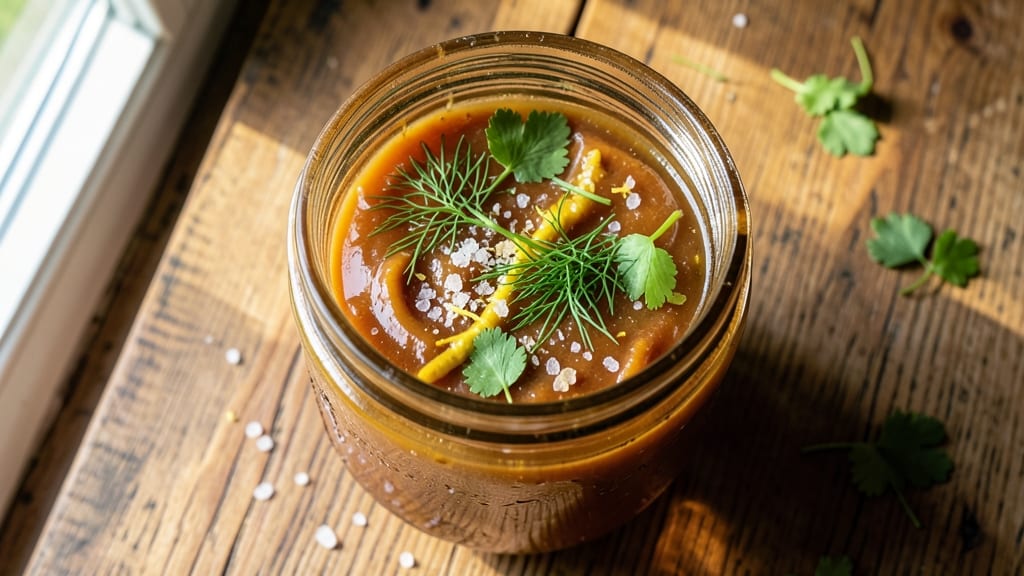
This Amish sweet and sour salad dressing recipe transforms simple pantry staples into a vibrant, tangy-sweet sauce that elevates every salad. The secret lies in balancing apple cider vinegar's sharp bite with honey's smooth sweetness, creating a dressing that clings beautifully to greens and vegetables.
I developed this recipe after years of testing Amish-inspired flavors, and it never fails to bring that classic sweet-and-sour harmony to the table.
The dressing comes together in just 10 minutes with no special equipment—just a whisk and a jar. The combination of apple cider vinegar, honey, Dijon mustard, and fresh herbs creates a complex flavor profile that's both nostalgic and refreshing.
Unlike store-bought versions, this homemade dressing stays fresh for up to 2 weeks in the refrigerator, making it perfect for meal prep.
What makes this dressing truly special is its versatility. It works equally well on crisp green salads, hearty coleslaw, or even as a marinade for grilled chicken. The herbs add a fresh brightness that cuts through richer ingredients, while the sweet-and-sour balance creates a satisfying contrast in every bite.
This is the kind of dressing that turns simple vegetables into a memorable meal.
Once you try this homemade version, you'll never go back to store-bought again. The ingredients are simple, but the flavor is anything but ordinary—rich, tangy, and perfectly balanced. Let's get started on making your next salad the star of the meal.
Ingredients for amish sweet and sour salad dressing
Nine simple ingredients create this nostalgic, tangy-sweet dressing that transforms ordinary salads into memorable meals.
| Ingredient | Amount | Notes |
|---|---|---|
| Apple Cider Vinegar 🍎 | ½ cup | Raw, unfiltered preferred for depth |
| Honey 🍯 | ½ cup | Wildflower or clover variety |
| Dijon Mustard 🍯 | 1 tbsp | High-quality, smooth texture |
| Granulated Sugar 🍚 | ¼ cup | Fine grain for quick dissolving |
| Fresh Dill Weeds 🌿 | ¼ cup | Chopped, stems removed |
| Fresh Parsley Leaves 🌿 | ¼ cup | Flat-leaf preferred |
| Garlic Cloves 🧄 | 2 cloves | Minced for subtle depth |
| Extra-Virgin Olive Oil 🫒 | ½ cup | Light, fruity variety |
| Salt 🧂 | 1 tsp | Diamond Crystal kosher |
| Black Peppercorns 🌶️ | ½ tsp | Freshly cracked preferred |
The apple cider vinegar is the heart of this dressing—Bragg's or Texas Pete are my go-tos for that authentic Amish tang. Look for raw, unfiltered varieties at Whole Foods or well-stocked grocery stores, as they contain more flavorful 'mother' strands. Honey should be local or wildflower—avoid ultra-processed brands that taste artificial. Fresh herbs are non-negotiable here; dried versions lack the bright, fresh character that makes this dressing special. Trader Joe's and Costco often have excellent fresh dill and parsley at reasonable prices. For the olive oil, California Olive Ranch or Colavita provide that light, fruity profile without overpowering the other flavors.
No apple cider vinegar? White vinegar or lemon juice will work in a pinch, though the flavor will be slightly different. Substituting honey? Maple syrup or agave nectar maintain the sweetness, though the texture may be slightly thicker. Fresh herbs unavailable? Dried dill and parsley at one-third the amount can be used, but expect a more muted flavor. For the mustard, whole-grain Dijon adds texture, while yellow mustard keeps it smooth. The garlic can be omitted entirely if you prefer a milder dressing, but it adds that subtle depth that makes this recipe truly special. If you're concerned about the sugar dissolving quickly, mix it with a splash of warm water before adding to the dressing.
This dressing keeps beautifully in an airtight jar in the refrigerator for up to 2 weeks, though I rarely have it last that long. The flavors actually deepen slightly after 24 hours, so making it a day ahead is ideal. For best results, shake well before each use. If the dressing separates, simply whisk vigorously to re-emulsify. The herbs will wilt over time, but the dressing remains perfectly usable. Freezing isn't recommended as it can alter the texture, but you can freeze individual portions in ice cube trays for quick use in future salads.
Why You'll Love This Recipe
- Here’s what sold me: that perfect push-and-pull of honey’s warmth and vinegar’s tang, with the Dijon adding depth. The sugar cuts through the sharpness just enough to make it ridiculously good on everything from coleslaw to grilled chicken.
- I’ll be real: apple cider vinegar and honey are cheap, but they make this taste like a high-end restaurant dressing. No splurge ingredients, just smart swaps—Dijon instead of fancy mustard, fresh dill (or dried in a pinch) that elevates everything without breaking the bank.
Step-by-step instructions for Amish sweet and sour salad dressing
This dressing delivers the perfect balance of tangy, sweet, and herby notes—just like Amish kitchens have perfected for generations.
Whisk Together the Vinegar, Honey, and Mustard
In a medium bowl, combine the 0.5 cup apple cider vinegar, 0.5 cup honey, and 1 tablespoon Dijon mustard. Use a whisk to blend these ingredients until fully incorporated and smooth. The vinegar and honey should begin to emulsify slightly, creating a syrupy base. I like to let this mixture sit for 2-3 minutes at room temperature—this allows the flavors to meld before adding the remaining ingredients.
The raw, unfiltered apple cider vinegar adds depth that store-bought versions can't match, while the Dijon mustard provides that signature tangy backbone. Don't rush this step—the initial emulsification is crucial for a stable dressing that won't separate later.
Gradually Incorporate the Sugar and Herbs
Add the 0.25 cup granulated sugar, 0.25 cup chopped fresh dill weeds, 0.25 cup fresh parsley leaves, and 2 minced garlic cloves to the vinegar mixture. Whisk vigorously for 1-2 minutes until the sugar dissolves completely and the herbs are evenly distributed. The mixture should become vibrant green with flecks of chopped herbs visible throughout.
Using fine-grain sugar ensures it dissolves quickly, preventing graininess in the final dressing. The fresh herbs add bright, aromatic notes that elevate this dressing beyond basic sweet-and-sour blends. I always use flat-leaf parsley for its slightly more robust flavor compared to curly varieties.
Slowly Stream in the Olive Oil
With the whisk still in the bowl, very slowly drizzle in the 0.5 cup extra-virgin olive oil while continuing to whisk vigorously. This gradual addition is critical—it allows the oil to emulsify properly with the vinegar mixture, creating a stable dressing rather than a separated one. The emulsification process should take 2-3 minutes of continuous whisking.
A light, fruity olive oil works best here as it complements the vinegar's acidity without overpowering the delicate herb notes. If you whisk too quickly, the dressing may break. Instead, maintain a steady, circular motion until the mixture thickens noticeably and coats the back of a spoon.
Season with Salt and Pepper
Add the 1 teaspoon salt and 0.5 teaspoon freshly cracked black peppercorns to the dressing. Whisk once more to distribute these seasonings evenly. Taste the dressing at this stage—it should be perfectly balanced between sweet, tangy, and herby notes with just a hint of garlic's subtle depth.
The salt enhances all the flavors while the freshly cracked pepper adds a subtle heat that rounds out the sweetness. If you find the dressing needs more acidity, add 1 teaspoon more apple cider vinegar; if it needs sweetness, add 1 teaspoon more honey. Adjust gradually to maintain balance.
Rest and Adjust Consistency
Cover the bowl with plastic wrap and let the dressing rest at room temperature for at least 30 minutes. This resting period allows all the flavors to fully meld together. After resting, check the consistency—if it's too thick for your liking, thin it with 1-2 tablespoons of warm water, whisking until smooth.
The dressing should have a velvety texture that coats greens beautifully without being overly heavy. If you prefer a thinner consistency for drizzling, you can add up to 2 additional tablespoons of water. For maximum flavor, let the dressing sit in the refrigerator for up to 24 hours before using—this allows the herbs to infuse even more deeply.
Pro Tips For Making Amish Sweet And Sour Salad Dressing
- Whisk in Stages: Mix the honey and sugar first—this keeps the granulated sugar from clumping when you add the vinegar later. I learned this the hard way when my first batch turned into a grainy mess.
- Use Warm Vinegar: Heat the apple cider vinegar slightly (just warm, not hot) before mixing—it helps the honey and sugar dissolve faster and makes the dressing smoother. Yes, even if you're impatient like me, wait 30 seconds for it to cool before adding the mustard.
- Skip the Clumps: If your Dijon mustard thickens when mixed, thin it with a splash of warm water first. I was skeptical until I tried it—now my dressing is always silky, not lumpy.
- Chop Dill Fine: Cut the fresh dill into tiny pieces, almost like confetti—this ensures even distribution and prevents big herb chunks from sinking. My grandmother swore by this, and she was right: it looks better and tastes more consistent.
Dietary considerations for this amish sweet and sour salad dressing
Gluten-Free Adaptation
This dressing is naturally gluten-free as long as you use certified gluten-free ingredients, particularly the Dijon mustard. Always check labels—some brands contain hidden gluten. I recommend Annie's Organic or Maille gluten-free Dijon varieties.
The honey, vinegar, and herbs are inherently gluten-free, so no substitutions are needed beyond verifying your mustard choice. 🌾
Dairy-Free and Vegan
The original recipe is already dairy-free and vegan, making it perfect for plant-based diets. All ingredients—apple cider vinegar, honey, Dijon mustard, sugar, herbs, olive oil, salt, and pepper—are naturally vegan. For those avoiding honey, substitute maple syrup or agave nectar in a 1:1 ratio.
The texture remains identical, but the flavor will be slightly less complex. The dressing's tangy-sweet balance works beautifully on vegan coleslaw or grain bowls.
Sugar-Free Option
To create a sugar-free version, replace the 0.25 cup granulated sugar with 0.25 cup monk fruit sweetener or erythritol. These sugar alcohols provide sweetness without the glycemic impact. Whisk the sweetener into the vinegar mixture first to dissolve completely before adding the oil.
The dressing will still cling to greens, though the texture may be slightly lighter. I've found Lakanto Monk Fruit Sweetener works best for maintaining the original consistency. 🍯
Allergy-Friendly Swaps
For nut allergies, ensure your extra-virgin olive oil is processed in a nut-free facility—some brands may cross-contain. For mustard allergies, omit the Dijon entirely and increase the apple cider vinegar by 1 tablespoon to compensate for the tang.
If you're sensitive to garlic or herbs, reduce the minced garlic to 1 clove and use 0.125 cup herbs instead of the full amount. The dressing remains flavorful while accommodating dietary restrictions.
Low-Sodium Version
To reduce sodium, cut the 1 teaspoon salt in half or use a low-sodium salt substitute like Morton Lite Salt. The dressing will still taste well-balanced, though the herbs and vinegar will shine more prominently.
For added flavor without sodium, increase the fresh dill and parsley by 1 tablespoon each. This adjustment works particularly well for those on heart-healthy or blood pressure-friendly diets. 💪
Nutrition facts
Frequently asked questions
Can I make this dressing without fresh herbs?
Yes, but the flavor will be less vibrant. Use 1 tablespoon dried dill and 1 tablespoon dried parsley instead of the fresh versions. For best results, crush the dried herbs between your fingers to release their oils before adding. The dressing will still taste good, but the bright, fresh character will be more muted.
How do I prevent the dressing from separating?
Emulsification is key! Always whisk the vinegar, honey, and mustard first, then slowly drizzle in the olive oil while whisking continuously. If it separates later, simply whisk vigorously to re-emulsify. For extra stability, add 1 teaspoon cornstarch dissolved in 1 tablespoon water to the vinegar mixture before adding oil. This creates a natural thickener that helps bind the dressing.
What's the best way to store leftover dressing?
Transfer to an airtight glass jar and refrigerate for up to 2 weeks. The flavors actually improve after 24 hours as the herbs infuse. Shake well before using, especially if it separates. For longer storage, freeze individual portions in ice cube trays—thaw overnight in the fridge before using. The texture may thin slightly after freezing, so you might need to adjust consistency.
Can I use this dressing on non-salad dishes?
This versatile dressing works beautifully as a marinade for grilled chicken or pork, a dip for spring rolls, or even a glaze for roasted vegetables. The sweet-and-sour balance complements savory proteins perfectly. For marinades, use 1/3 cup dressing per pound of meat and marinate for at least 2 hours. The herbs and acidity tenderize while adding flavor.
Why does my dressing taste too sweet?
This usually happens when the vinegar's acidity isn't balanced. Add 1-2 teaspoons more apple cider vinegar and whisk well. For a more gradual adjustment, add 1/2 teaspoon at a time until the sweetness is balanced by the tang. If you prefer less sweetness overall, reduce the honey to 1/4 cup in future batches. Taste as you go—this dressing should have equal parts sweet, tangy, and herby notes.