
Salads
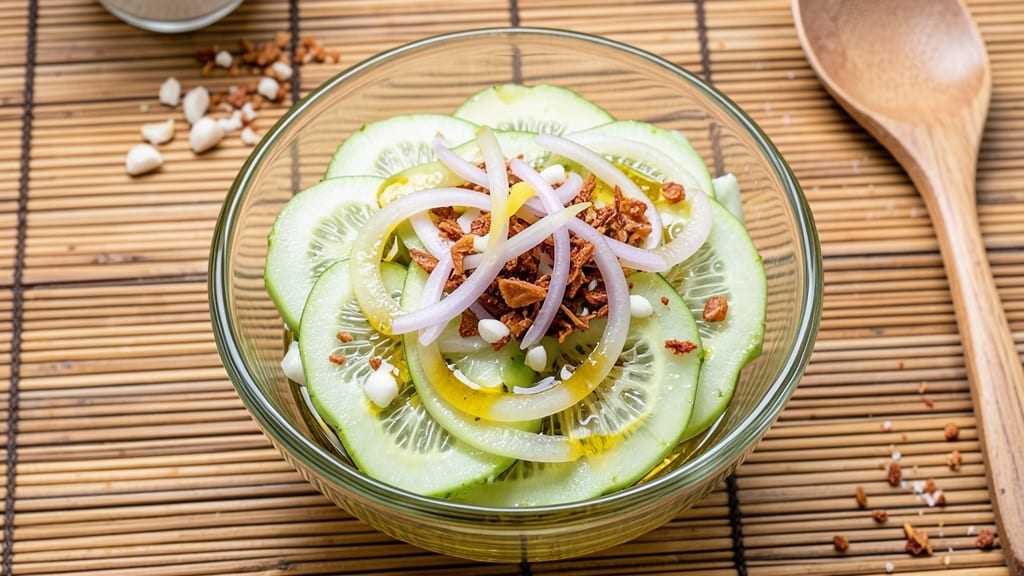
Filipino Ampalaya Salad Recipe transforms humble hearts of palm into a crispy, tangy masterpiece that captures the essence of Filipino home cooking. The secret lies in the perfect balance of vinegar’s sharp bite with the natural bitterness of ampalaya, creating a salad that’s both refreshing and deeply satisfying. This dish is a staple in Filipino households—simple yet elevated, with textures that range from tender to delightfully crispy.
The recipe begins with sautéing the ampalaya until it achieves that signature golden-brown crispiness, a technique that softens its bitterness while enhancing its natural sweetness. A tangy vinegar dressing—made with garlic, onions, and a touch of sugar—ties everything together, ensuring each bite is vibrant and full of flavor.
The salad’s versatility shines whether served as a side dish or a light main course.
What makes this recipe truly special is its ability to transform a common ingredient into something extraordinary. The crispy ampalaya, combined with the bright, zesty dressing, delivers a dish that’s as visually appealing as it is delicious.
It’s the kind of salad that feels like a hug—comforting yet refreshing, with every element working in harmony.
Perfect for weeknight dinners, potlucks, or as a side for grilled meats, this Filipino Ampalaya Salad is a testament to how simple ingredients can create something truly remarkable. Let’s bring the flavors of the Philippines to your table with this foolproof recipe.
Ingredients for ampalaya salad recipe filipino
Simple ingredients create this Filipino classic—crispy, tangy, and full of texture.
| Ingredient | Amount | Notes |
|---|---|---|
| Hearts of Palm (Ampalaya) 🍠 | 14 oz | Canned, drained and rinsed |
| White Vinegar 🍶 | ½ cup | Distilled for tanginess |
| Granulated Sugar 🍚 | 2 tbsp | Adjust to taste |
| Olive Oil 🫒 | 2 tbsp | Light extra-virgin preferred |
| Yellow Onion 🧅 | ¼ cup | Finely diced, small pieces |
| Garlic Cloves 🧄 | 4 cloves | Minced for dressing |
| Salt 🧂 | 1 tsp | Diamond Crystal preferred |
| Black Pepper 🌶️ | ¼ tsp | Freshly ground |
| Red Bell Pepper 🌶️ | ½ cup | Diced, medium pieces |
| Green Onions 🧅 | ¼ cup | Sliced, white and green parts |
| Vegetable Oil 🫒 | ¼ cup | For frying ampalaya |
| Lemon Juice 🍋 | 1 tbsp | Freshly squeezed |
The hearts of palm are the star, so choose high-quality canned ampalaya—avoid those with added preservatives. Filipino markets often carry the best brands, but any reputable canned vegetable aisle will work. The key is rinsing thoroughly to remove excess sodium. For the vinegar dressing, distilled white vinegar delivers the sharpest tang, though rice vinegar works beautifully if you prefer a milder bite. The sugar balances the acidity, so don’t skimp—it’s what makes this salad sing. When selecting bell peppers, vibrant red ones offer the best flavor, but any color will do in a pinch.
No hearts of palm? Substitute with thinly sliced zucchini or eggplant—they crisp up nicely, though the texture will differ slightly. Running short on vinegar? Lime juice with a pinch of sugar mimics the tang, though it won’t be identical. The garlic can be roasted for a sweeter note (microwave 30 seconds in a damp paper towel), but raw minced works just as well. For the frying step, vegetable oil with a high smoke point prevents burning—no need for expensive specialty oils. If you’re avoiding oil entirely, a nonstick pan with a light spray of oil works, though the ampalaya may not get quite as crispy.
Store the dressing separately in an airtight container for up to 5 days—it keeps beautifully. The fried ampalaya loses crispiness after 2 days, so assemble the salad just before serving. For meal prep, fry only what you’ll use within 24 hours and store the raw ampalaya in the fridge until ready. The entire salad reheats well in a skillet for 2-3 minutes if you need to revive leftovers, though it’s best enjoyed fresh. Freezing isn’t recommended—the texture suffers, and the crispiness disappears entirely.
Why You'll Love This Recipe
- Five-Ingredient Magic: I swear, this salad comes together with what’s already in my pantry. No fancy prep—just slice the onion, drain the hearts of palm, toss with vinegar and sugar, and let the acidity cut through that creamy, fibrous texture. It’s the kind of dish that makes me feel like I’ve outsmarted grocery shopping.
- Sweet-Tangy Crunch: That vinegar-sugar mix? It’s the real MVP. The sugar caramelizes just enough to balance the sharpness, while the onions add a sharp bite that sticks with you. Honestly, the first time I tasted it, I grabbed another forkful before I even finished chewing.
- Lunchbox Legend: Between us, this salad holds up perfectly for days. I pack it in containers for work—crunchy, tangy, and still delicious by Wednesday. My coworkers keep asking for the recipe, and I’ve even convinced my picky teen to eat it cold with leftover rice.
- Budget Stretch: Hearts of palm are a steal, and a little goes a long way. I’ve made this salad feed six people for under $10, and it never feels like I’m sacrificing flavor. Plus, the leftovers? They’re my secret weapon for quick lunches or a last-minute side dish. No waste, all win.
Step-by-step instructions for Filipino ampalaya salad
Transform canned hearts of palm into a crispy, tangy Filipino masterpiece with this precise technique.
Prepare the Hearts of Palm for Crispy Perfection
Drain and rinse the 14 oz hearts of palm thoroughly under cold water to remove any excess sodium from canning. Using a sharp knife, trim off any tough fibrous ends and cut the hearts into ½-inch thick slices. The slices should be uniform in thickness to ensure even cooking.
Pat each slice completely dry with paper towels—this is critical for achieving that signature crispy texture. Arrange the slices on a wire rack set over a baking sheet and let them air-dry for 10 minutes. This drying step prevents the vegetable oil from being absorbed too quickly, which would result in soggy rather than crispy ampalaya.
Create the Tangy Vinegar Dressing
In a medium bowl, whisk together the 0.5 cup white vinegar, 2 tbsp granulated sugar, 2 tbsp olive oil, 1 tbsp freshly squeezed lemon juice, 1 tsp salt, and 0.25 tsp freshly ground black pepper until the sugar dissolves completely. This dressing should be smooth and slightly syrupy—it's the secret to balancing the crispy texture with bright, tangy flavor.
Taste the dressing and adjust the sugar to your preference. Some prefer a sharper vinegar bite, while others like a touch more sweetness. The dressing will mellow as it sits, so don't over-sweeten at this stage. Set the dressing aside while you prepare the remaining salad components.
Fry the Hearts of Palm Until Golden Crisp
Heat the 0.25 cup vegetable oil in a large skillet over medium-high heat until it shimmers but doesn't smoke. Working in batches to avoid crowding, add the dried ampalaya slices and fry for 2-3 minutes per side until golden brown and crispy. The slices should develop a beautiful caramelized color and a satisfying crunch when pressed between your fingers.
Transfer the fried ampalaya to a paper towel-lined plate to drain excess oil. If the oil begins to smoke excessively, reduce the heat slightly—you want to maintain a steady temperature without burning the ampalaya. The key is patience; rushing this step will result in uneven cooking and less crispy texture.
Assemble the Salad with Fresh Vegetables
In a large mixing bowl, combine the 0.25 cup finely diced yellow onion, 0.5 cup diced red bell pepper, and 0.25 cup sliced green onions. Add the 4 minced garlic cloves and toss gently to distribute evenly. The vegetables should be fresh and vibrant—this is the base that will contrast beautifully with the crispy ampalaya.
Add the fried ampalaya slices to the vegetable mixture and gently toss to combine. Pour the prepared dressing over the salad and toss again until everything is evenly coated. The dressing should lightly cling to the crispy ampalaya and fresh vegetables, creating a harmonious balance of textures and flavors.
Rest and Serve for Maximum Crunch
Let the salad rest for 5-10 minutes before serving. This brief resting period allows the flavors to meld together and the dressing to penetrate the crispy ampalaya slices. The salad will maintain its crunch best when served immediately, but the resting time ensures the dressing is fully absorbed without making the ampalaya soggy.
Garnish with additional sliced green onions if desired and serve chilled or at room temperature. The contrast between the crispy, golden ampalaya and the fresh, tangy dressing creates a satisfying crunch with every bite. This dish pairs beautifully with grilled meats or as a refreshing vegetarian main course.
Pro Tips For Making Ampalaya Salad Recipe Filipino
- Drain and Rinse Hearts: Canned hearts of palm come packed in brine or syrup—both add unwanted saltiness and cloying sweetness. After draining, give them a thorough cold-water rinse, then squeeze out excess moisture with your hands. I learned this the hard way when my first batch tasted like a pickle.
- Sweat Onions Low and Slow: Don’t rush the onions—cook them on medium-low heat with a pinch of salt until they’re translucent and just starting to caramelize (about 8-10 minutes). High heat burns them before they soften, and you’ll end up with bitter bits instead of sweet, mellow flavor.
- Balance Vinegar and Sugar: Taste your dressing before tossing it with the salad. The ratio should feel sharp but not sour, sweet but not cloying. Start with 3 parts vinegar to 1 part sugar, then adjust by the teaspoon. I was skeptical until I tried it—now I double-check this every time.
- Chill Before Serving: Let the salad sit in the fridge for at least 30 minutes after dressing. This lets the flavors meld and prevents the hearts of palm from releasing too much moisture, which makes the salad soggy. (Yes, even if you’re impatient like me.)
Troubleshooting perfect results
Oil Too Hot?
If your vegetable oil smokes excessively while frying the ampalaya, immediately reduce the heat to medium. Smoking means the oil is overheating, which burns the ampalaya and makes it bitter.
Let the oil cool slightly before continuing—it should shimmer gently but not smoke. I’ve learned this the hard way: once, I rushed and ended up with charred slices. 🔥
Soggy Ampalaya?
Soggy ampalaya usually means the slices weren’t dried properly. Pat them extra dry with paper towels and let them air-dry for 15 minutes instead of 10. Also, avoid overcrowding the pan—fry in small batches so the oil can maintain its temperature.
If you’re short on time, use a salad spinner to remove excess moisture before frying.
Dressing Too Bland?
The dressing might taste flat if the vinegar isn’t sharp enough. Use distilled white vinegar (not apple cider or balsamic) for the brightest tang. If it still lacks punch, add ½ tsp more sugar or a splash of lemon juice to cut through the sweetness.
I like to taste the dressing before tossing it with the salad—adjust while it’s fresh, not after!
Uneven Cooking?
Unevenly cooked ampalaya often happens when slices aren’t uniform. Trim the ends and cut them into consistent ½-inch slices—no thicker, no thinner. If some slices cook faster, remove them early and set aside. You can reheat them in a dry skillet for 30 seconds to restore crispiness before serving.
Bitterness Lingers?
If the ampalaya still tastes bitter after frying, it might be undercooked. Fry for an extra 30 seconds per side until deeply golden. The bitterness also fades as the salad sits—let it rest for 10-15 minutes before eating.
For extra balance, add 1 tsp more sugar to the dressing or a pinch of salt to the fried slices.
Oil Absorbed Too Fast?
If the ampalaya absorbs oil too quickly, it’s not dried enough. Extend the air-drying time to 20 minutes or use a fan to speed up evaporation. Another trick: lightly dust the slices with cornstarch before frying—it creates a barrier that keeps them crispy.
Just shake off the excess before adding to the salad.
Nutrition facts
Frequently asked questions
Why does Filipino Ampalaya Salad taste different from other vinegar salads?
The secret lies in the crispy texture of the fried ampalaya and the balance of sweet, tangy, and slightly bitter flavors. Unlike traditional vinegar salads that rely on raw vegetables, this dish transforms the hearts of palm through frying, creating a satisfying crunch. The dressing uses white vinegar with sugar to soften the bitterness while keeping the sharp tang, making it uniquely refreshing.
Can I make this salad without frying? How?
Yes! For a lighter version, skip frying and instead sauté the ampalaya in olive oil for 5-7 minutes until tender but still slightly crisp. Toss with the dressing and fresh veggies as usual. Alternatively, blanch the slices in boiling water for 2 minutes, then shock in ice water to soften them while keeping some texture. The result won’t be as crispy, but it’s still delicious and healthier.
What’s the best way to store leftovers?
Store the dressing separately in an airtight container for up to 5 days—it keeps beautifully. Keep the fried ampalaya in a sealed container for 2 days max to maintain crispiness. Reheat the ampalaya alone in a dry skillet for 1-2 minutes before tossing with fresh dressing and veggies. Avoid freezing—the texture becomes mushy. For meal prep, fry only what you’ll use within 24 hours and store raw ampalaya separately.
How do I make this salad less bitter?
The bitterness in ampalaya softens with cooking and dressing. For extra balance, add 1 extra tbsp sugar to the dressing or a pinch of salt to the fried slices. If using fresh bitter melon instead of canned hearts, soak it in salted water for 30 minutes before cooking to reduce bitterness. Also, let the salad rest for 10-15 minutes before eating—the flavors mellow over time.
What’s the best way to serve this salad?
This versatile salad works as a refreshing side dish with grilled meats like chicken or pork, or as a light main course with a protein like tofu or hard-boiled eggs. For a complete meal, pair it with steamed rice and a simple soup. Garnish with extra green onions or a sprinkle of sesame seeds for added flair. It’s also perfect for potlucks or picnics—just pack the dressing separately until ready to serve.