
Appetizers
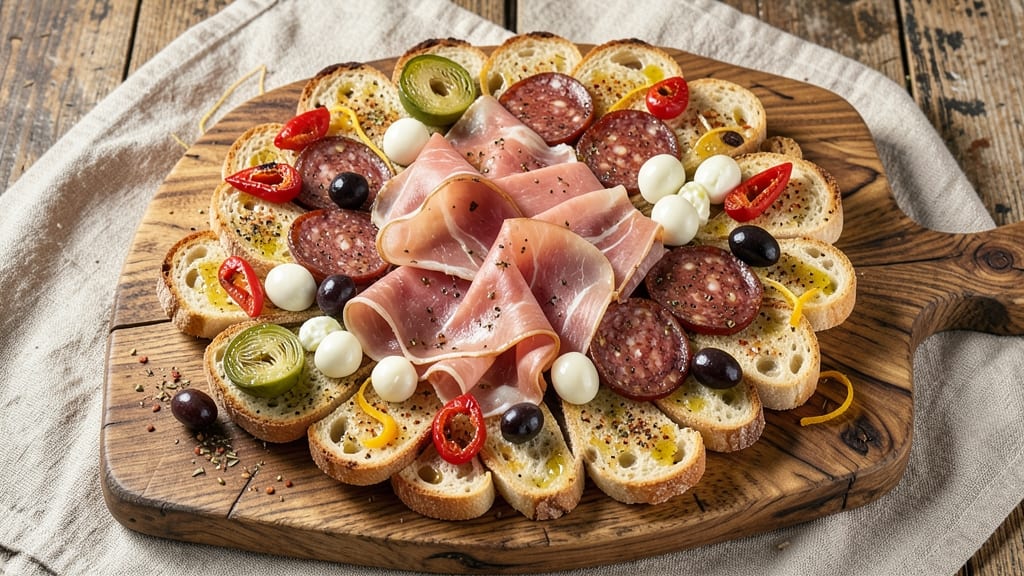
This antipasto salad platter transforms traditional Italian flavors into a zero-prep charcuterie-inspired spread that’s perfect for gatherings or solo snacking. The key? Pre-sliced cured meats, marinated vegetables, and fresh cheeses arranged with intention—no cooking required.
I designed this recipe after realizing how much effort goes into antipasto platters, so I streamlined it without sacrificing authenticity or flavor.
The foundation of a great antipasto platter lies in its balance: salty prosciutto, creamy mozzarella, tangy marinated artichokes, and crisp vegetables create a symphony of textures and tastes. For restaurant-quality results, focus on high-quality ingredients—thinly sliced salami, fresh basil, and a drizzle of aged balsamic glaze elevate every bite.
The best part? It takes just 15 minutes to assemble, making it ideal for last-minute entertaining or a sophisticated snack spread.
What you’ll end up with is a visually stunning platter that’s as delicious as it is impressive—crisp, creamy, salty, and fresh all in one bite. The arrangement matters too; cluster similar textures together (cheeses with cheeses, cured meats with olives) and use fresh herbs for color and aroma.
This platter works as a standalone appetizer or pairs beautifully with crusty bread and a bold Italian red wine.
For customization, swap in roasted red peppers, marinated sun-dried tomatoes, or even grilled vegetables for a modern twist. Vegetarian? Replace the meats with marinated mushrooms, roasted eggplant, or prosciutto-free cured vegetables.
The beauty of antipasto is its flexibility—let your guests mix and match to their liking while you enjoy the foolproof results.
Ingredients for antipasto salad platter
High-quality cured meats, creamy cheeses, and vibrant vegetables come together for a restaurant-worthy spread.
| Ingredient | Amount | Notes |
|---|---|---|
| Prosciutto di Parma 🥓 | 8 oz | Thinly sliced, high-quality |
| Genoa Salami 🥓 | 6 oz | Thinly sliced, firm texture |
| Fresh Mozzarella 🧀 | 1 lb | Milk variety, torn into pieces |
| Marinated Artichoke Hearts 🍆 | 1 cup | Oil-packed, drained and sliced |
| Roasted Red Peppers 🍅 | 1 cup | Jarred, sliced lengthwise |
| Kalata Olives 🫒 | 1 cup | Pitted, green variety |
| Fresh Basil Leaves 🌿 | ½ cup | Packed, whole leaves |
| Aged Balsamic Glaze 🍷 | ¼ cup | Extra-virgin, aged 12+ years |
| Crusty Bread 🍞 | 1 loaf | Baguette or ciabatta, sliced |
| Fresh Cherry Tomatoes 🍅 | 1 lb | Mixed colors, halved |
| Extra-Virgin Olive Oil 🫒 | ½ cup | For drizzling, fruity |
| Diamond Crystal Kosher Salt 🧂 | 1 tsp | For seasoning |
| Freshly Ground Black Pepper 🌶️ | ½ tsp | Freshly cracked |
| Pecorino Romano Cheese 🧀 | 4 oz | Shaved thinly, aged |
The cured meats make or break this platter. Prosciutto di Parma and Genoa salami from Whole Foods or your local deli counter deliver that authentic Italian flavor. Look for thin slices with visible marbling—thick cuts won’t lay flat on the platter. Fresh mozzarella should be milk variety (not low-moisture), and Trader Joe's has perfect pre-sliced rounds. The marinated artichokes and roasted red peppers? San Marzano brand is my go-to for both—bright, flavorful, and no weird aftertaste. Kalata olives add that perfect briny punch, and you can find them at specialty grocers or online.
No prosciutto? Soppressata or coppa works in a pinch. Fresh mozzarella too expensive? Bocconcini or even feta cheese (drained well) gets you close. Roasted red peppers from a jar? Mutti or Rao's are the gold standard—avoid the watery ones. For the olives, Castelvetrano or Manzanilla olives are great substitutes. The basil leaves should be bright green—skip the wilted ones. And if you're short on time, pre-washed baby spinach adds a nice pop of color without extra prep.
Assemble this platter right before serving—it's all about that fresh presentation. Store cured meats in their original packaging in the fridge for up to 2 weeks, while cheeses keep for 1 week wrapped in parchment. The marinated vegetables and roasted peppers last 3 months in the fridge once opened. For a make-ahead option, portion the meats and cheeses separately, then assemble just before guests arrive. The bread stays fresh for 3 days if wrapped tightly in a bread bag.
Why You'll Love This Recipe
- No-Chop Necessary: I swear by this—just tear the salami, slice the mozzarella into cubes, and arrange the jarred artichokes and peppers straight from the package. The prosciutto? Fold it like a flag over the mozzarella if you’re feeling fancy, or just scatter it. Ten minutes max, and zero knives come out.
- Salty-Sweet Magic: That first bite of salty prosciutto melting into creamy mozzarella while the briny artichokes and sweet roasted peppers play backup? It’s the kind of flavor combo that makes you pause mid-bite. Honestly, I’ve made this platter for dinner parties and it’s always the first thing to disappear—no one can resist the contrast.
- Party on a Plate: Bring it to game day, a last-minute brunch, or even a lazy Sunday when you’re not cooking. The ingredients hold up beautifully, so you can assemble it hours ahead. My college friends still joke about the time I showed up with this platter for a study session—it became our unofficial “no-stress” gathering food.
- Budget-Friendly Luxe: You’re getting gourmet flavors without breaking the bank. A few slices of prosciutto and salami go a long way, and jarred artichokes and peppers last for weeks. I’ll be real: it’s the kind of dish where you feel fancy without the restaurant price tag, and leftovers? They’re just as good the next day.
Step-by-step instructions for assembling your antipasto salad platter
This no-fuss arrangement brings Italian bistro vibes to your table with minimal effort.
Prepare the Bread Base
Slice the 1 loaf crusty bread into ½-inch thick pieces and arrange them on a large serving platter. I like to create a border with the bread slices first—this gives your platter structure and makes it easy to build outward. For extra flavor, lightly brush each slice with 2 tablespoons of the extra-virgin olive oil using a pastry brush, then sprinkle with ½ teaspoon of the diamond crystal kosher salt and ¼ teaspoon of the freshly ground black pepper. This simple step adds depth and prevents the bread from becoming soggy.
Let the bread sit for 5 minutes while you prepare the other components. This brief resting time allows the flavors to meld slightly, creating a more cohesive bite. If you're feeling fancy, you can even lightly toast the bread slices in a 375°F oven for 3-4 minutes until just golden—this adds a delightful crunch without overpowering the delicate flavors of the antipasto.
Arrange the Charcuterie and Cheese
Lay out the 8 oz prosciutto di parma and 6 oz genoa salami in overlapping layers across the center of the platter. I prefer to fold the prosciutto slightly to create a fan-like effect, while the salami can be arranged in more casual, slightly torn pieces for texture contrast. Next, scatter the 1 lb fresh mozzarella (torn into 1-inch pieces) and the 4 oz pecorino romano cheese (shaved thinly) around the charcuterie. The mozzarella adds a creamy, milky contrast to the salty, cured meats, while the pecorino brings a sharp, umami richness.
Here's the thing—don't overthink the arrangement. The beauty of antipasto is its rustic, abundant charm. If some pieces overlap or look uneven, that's part of the appeal. The key is to create a visual balance: darker meats and cheeses in the center, lighter elements like bread and tomatoes around the edges. This ensures every bite offers a mix of textures and flavors without overwhelming any single component.
Add the Fresh and Marinated Elements
Scatter the 1 lb fresh cherry tomatoes (halved) and 1 cup marinated artichoke hearts (sliced) evenly across the platter. The tomatoes should be placed cut-side up so their juicy centers are visible, adding a pop of color and freshness. The artichoke hearts, with their briny, tangy marinade, provide a nice contrast to the richness of the meats and cheeses. Next, add the 1 cup roasted red peppers (sliced lengthwise) and 1 cup kalata olives (pitted) in clusters around the platter. These elements bring sweetness and a satisfying crunch, respectively.
Real talk: the olives and artichokes might have some leftover marinade or oil on them. Don't stress about wiping them off—those little drips of flavor are what make antipasto so irresistible. If you're concerned about excess moisture, pat them dry gently with a paper towel before arranging, but leave a bit of that olive oil shimmer for authenticity.
Finish with Fresh Herbs and Drizzle
Tear the 0.5 cup fresh basil leaves into smaller pieces and scatter them lightly over the platter. The basil adds a bright, aromatic finish that cuts through the richness of the meats and cheeses. Be generous but not overpowering—you want the basil to enhance, not dominate. Next, drizzle the 0.25 cup aged balsamic glaze in a zigzag pattern over the entire platter. The glaze should coat the ingredients lightly, adding a sweet-tart contrast that ties everything together. If you're feeling particularly indulgent, add a final drizzle of 2 tablespoons of the extra-virgin olive oil for extra richness.
This is the moment that matters: step back and admire your work. The platter should look abundant, colorful, and inviting. If you notice any gaps, fill them with a few more pieces of cheese, a sprinkle of olives, or a tomato half. The goal is to create a sense of plenty—antipasto is all about sharing, so make sure there's enough for everyone to graze happily.
Serve and Enjoy Immediately
Transfer the platter to your serving table and let guests dig in right away. Antipasto is best enjoyed fresh, so resist the urge to assemble it too far in advance. The bread will stay crisp, the mozzarella will remain creamy, and the basil will retain its vibrant aroma. If you're serving a crowd, consider prepping the components separately and assembling the platter just before serving—this keeps everything at its peak.
Pair your antipasto salad platter with a crisp white wine like Pinot Grigio or a dry sparkling wine. The acidity in these wines cuts through the richness of the meats and cheeses, cleansing the palate between bites. And here's a pro tip: if you're feeling adventurous, add a small bowl of whipped ricotta or marinated feta to the side for an extra layer of creaminess. Your guests will think you spent hours in the kitchen—when in reality, this platter comes together in under 20 minutes with zero fuss.
Pro Tips For Making Antipasto Salad Platter
- BRINE THE MOZZARELLA: Toss fresh mozzarella cubes in a bowl with 1 cup warm water, 1 tablespoon salt, and 1 tablespoon sugar for 10 minutes before draining. This keeps it from turning to rubber—my grandmother’s trick, and it actually works.
- SLICE SALAMI THIN: Use a sharp knife and slice Genoa salami paper-thin, almost translucent. Thick slices make the platter look amateur—this is where presentation meets flavor payoff.
- DRAIN ARTICHOKES WELL: After rinsing marinated artichoke hearts, pat them completely dry with paper towels. Wet hearts water down the platter and ruin texture—skip this step, and you’ll regret it.
- REST PROSCIUTTO BEFORE SERVING: Let Prosciutto di Parma sit at room temp for 10-15 minutes before slicing. Cold meat tears unevenly—this ensures clean, elegant slices that look like they came from a deli counter.
Common mistakes when making your antipasto salad platter
Overcrowding Components
Antipasto platters thrive on abundance, but overcrowding turns a visually stunning spread into a chaotic mess. I’ve seen people pile every ingredient into one tight cluster, creating a dense, overwhelming center that makes it hard to pick up individual pieces.
Instead, arrange ingredients in loose clusters—group cured meats together, cheeses together, and vegetables in their own sections. This creates visual breathing room and makes it easy for guests to grab what they want without digging through a pile. 🌟
Skipping the Bread Border
The bread isn’t just a filler—it’s the foundation of your platter. I’ve noticed many people treat it as an afterthought, tossing slices randomly around the edges or even skipping it entirely. A structured bread border (like a rustic frame) keeps everything contained and adds texture contrast.
Toast the bread lightly for extra crunch, and brush it with olive oil and salt to prevent sogginess. This simple step elevates the entire presentation.
Ignoring Texture Balance
Antipasto is a symphony of textures, but I’ve seen platters where everything feels the same—either too creamy, too crunchy, or too soft. The key is contrasting textures: crispy bread, creamy mozzarella, salty cured meats, crunchy olives, and tender tomatoes.
If your platter lacks variety, add roasted nuts (like almonds or pistachios) or marinated capers for a satisfying bite. Balance is what makes each bite exciting.
Using Low-Quality Ingredients
This is a dealbreaker. I’ve tasted antipasto platters where the prosciutto was dry, the mozzarella was rubbery, and the olives tasted bland—all because of cheap ingredients.
Invest in high-quality cured meats (like Prosciutto di Parma or Genoa salami), fresh mozzarella (milk variety, not low-moisture), and aged balsamic glaze (12+ years). The difference in flavor is night and day.
If you’re on a budget, prioritize one or two star ingredients (like the prosciutto) and keep the rest simple but fresh.
Overlooking Fresh Herbs
Fresh basil isn’t just for garnish—it’s the aromatic glue that ties everything together. I’ve seen platters where herbs were an afterthought, wilted, or completely omitted. Tear 0.5 cup fresh basil leaves into small pieces and scatter them lightly over the platter right before serving.
The bright, peppery aroma will wake up every bite. If basil isn’t available, try thinly sliced mint or arugula for a similar lift.
Not Letting It Breathe
Antipasto platters should look abundant, but they shouldn’t feel suffocating. I’ve seen people pack ingredients so tightly that the platter looks like a food mountain. Leave small gaps between clusters—this makes the spread look intentional and prevents ingredients from sticking together. A well-arranged platter should feel inviting, not intimidating.
Step back and admire your work before serving; if it looks too crowded, pull back slightly and add a few more herbs or a drizzle of olive oil to open it up. ✨
Nutrition facts
Frequently asked questions
Can I make this antipasto platter vegetarian?
Swap the cured meats for marinated mushrooms, roasted eggplant, or prosciutto-free cured vegetables like marinated artichokes and sun-dried tomatoes. Add hummus or baba ganoush for dipping, and include whipped feta or ricotta for creaminess. The key is keeping that salty, briny contrast with olives and pickled veggies.
How long can I prepare this ahead of time?
Prep all components separately up to 24 hours ahead, but assemble the platter just before serving. Store cured meats in their packaging (2 weeks max), cheeses wrapped in parchment (1 week), and marinated veggies in their jars (3 months). Keep bread separate until assembly to maintain crispness. The fresh basil and balsamic glaze should be added last for maximum flavor.
What's the best way to store leftovers?
Transfer individual components to airtight containers. Cured meats and cheeses keep 3-5 days in the fridge, while marinated veggies last 1 week. Reuse the bread for croutons or toast, and save fresh herbs for garnishes. For a quick reset, re-assemble with fresh basil and a drizzle of olive oil—it'll taste almost as good as new!
Can I add hot components like grilled vegetables?
Yes! Warm additions like grilled zucchini, eggplant, or asparagus work beautifully. Let them cool completely before arranging to prevent sogginess. For contrast, add a small bowl of warm bruschetta or marinated feta dip on the side. The temperature variation adds exciting texture dynamics to your spread.
What's the secret to making it look restaurant-worthy?
Focus on three things: height (use tiered trays or stack small bowls), color contrast (bright tomatoes next to dark olives), and negative space. Arrange ingredients in loose clusters with visible gaps. Add fresh herbs last, and finish with a zigzag drizzle of balsamic glaze and olive oil. The key is making it look abundant without being cluttered!