
Sauces & Condiments
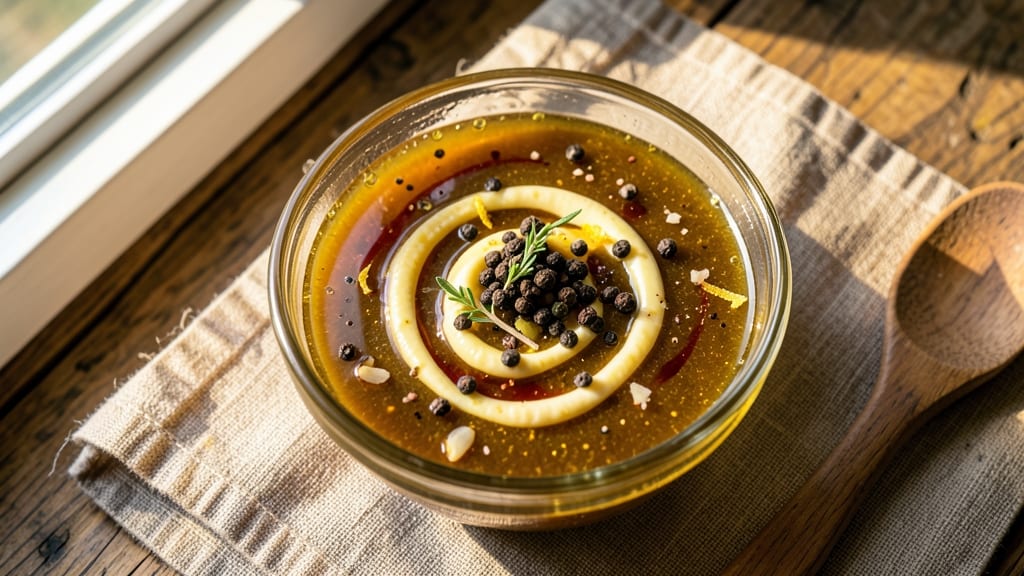
This apple cider vinegar and olive oil salad dressing recipe delivers a bright, balanced flavor profile with just three essential ingredients—no fancy techniques required. The tangy sharpness of apple cider vinegar cuts through rich ingredients while the smooth finish of extra-virgin olive oil creates a velvety texture that clings perfectly to greens. I developed this recipe after realizing most store-bought dressings fall short of the bold, clean taste you can achieve with simple pantry staples.
The beauty of this dressing lies in its simplicity and versatility. With a perfect 3:1 ratio of olive oil to vinegar, you achieve an emulsified consistency that stays stable for up to two weeks in the refrigerator.
The key technique is vigorous whisking—just 30 seconds transforms these basic ingredients into a silky, restaurant-quality dressing that elevates everything from simple greens to hearty grain bowls.
What makes this dressing truly special is its adaptability. Use it as-is for a classic vinaigrette, or customize with a pinch of Dijon mustard for depth, minced garlic for aroma, or fresh herbs for color.
The bright acidity makes it ideal for cutting through rich ingredients like roasted vegetables, fried chicken, or even as a marinade for meats. This is the kind of dressing that transforms ordinary salads into something extraordinary with minimal effort.
The best part? You can make a batch in under five minutes and have it ready for the week. Whether you're prepping meals ahead or simply want a dressing that never disappoints, this recipe delivers consistent, professional-quality results every time.
Let's get started with the ingredients you likely already have on hand.
Ingredients for apple cider vinegar and olive oil salad dressing
Three core ingredients plus optional customizations create this restaurant-quality dressing.
| Ingredient | Amount | Notes |
|---|---|---|
| Extra-Virgin Olive Oil 🫒 | ¾ cup | High-quality, fruity, cold-pressed |
| Apple Cider Vinegar 🍏 | ¼ cup | Raw, unfiltered preferred |
| Diamond Crystal Kosher Salt 🧂 | ½ tsp | Fine grain for even dissolution |
| Freshly Ground Black Pepper 🌶️ | ¼ tsp | Cracked peppercorns preferred |
| Dijon Mustard (Optional) 🍯 | 1 tsp | For enhanced depth of flavor |
| Minced Garlic Cloves (Optional) 🧄 | 1 tsp | Freshly minced for aromatic punch |
The olive oil is non-negotiable—extra-virgin with a peppery finish elevates the dressing above basic vinaigrette. California Olive Ranch or Corto brands deliver consistent quality, but any high-quality EVOO works. Apple cider vinegar should be raw and unfiltered for maximum tang and complexity; Bragg or Zevia are reliable choices. The salt and pepper are finishing touches—Diamond Crystal dissolves perfectly, while freshly cracked peppercorns add texture. For optimal results, store both oils and vinegar in cool, dark cabinets to preserve freshness.
No Dijon mustard? Substitute with 1/2 tsp of lemon juice for brightness while maintaining the 3:1 oil-to-acid ratio. Fresh garlic can be omitted entirely or replaced with 1/2 tsp garlic powder, though fresh delivers superior aroma. For a herbaceous twist, add 1 tsp chopped fresh tarragon or thyme. The dressing's stability relies on the oil-to-vinegar ratio—never exceed 3:1 or separation occurs. If you prefer a sweeter profile, add 1/2 tsp maple syrup, but this alters the classic tangy balance.
This dressing maintains peak freshness for 2 weeks refrigerated in an airtight glass jar. The emulsified texture remains stable, though gentle stirring before use ensures consistency. For long-term storage, freeze in ice cube trays—thaw and whisk before use. The optional ingredients (mustard, garlic) can be added post-freezing. Portion into small jars for meal prep convenience; the dressing pairs equally well with roasted vegetables, grain bowls, and fried proteins.
Why You'll Love This Recipe
- No-Measuring Madness: I just eyeball the olive oil and vinegar—honestly, a 3:1 ratio works every time. The salt and pepper are the only things I measure, and even then, I taste as I go. That’s the magic: it’s forgiving when I’m distracted.
- Tangy Brightness: The apple cider vinegar cuts through everything—rich greens, hearty grains, even grilled chicken—without overpowering. It’s that perfect balance of sharp and smooth, like a crisp autumn day in a jar.
- Weeknight Workhorse: This dressing saves me from buying overpriced bottles and lasts forever in the fridge. I drizzle it on salads, toss it with roasted veggies, or even use it as a marinade. (Yes, even on a Tuesday night.)
- Pantry Staple Power: Five ingredients, all of which I already own. No weird substitutions, no last-minute store runs—just olive oil, vinegar, and a pinch of salt. It’s my go-to when I’m broke, busy, or both.
Step-by-step instructions for apple cider vinegar and olive oil salad dressing
This simple dressing delivers bright acidity and rich texture with minimal effort—perfect for any salad.
Measure and Combine the Base Ingredients
In a clean, dry measuring cup or small bowl, pour in the 0.75 cup extra-virgin olive oil. Use a high-quality, fruity variety for the best flavor profile. Then add the 0.25 cup apple cider vinegar, which should be raw and unfiltered for maximum tang. Let these two ingredients sit together for 2-3 minutes—this allows the vinegar to begin emulsifying naturally with the oil.
While waiting, take the 0.5 teaspoon Diamond Crystal kosher salt and the 0.25 teaspoon freshly ground black pepper. The fine grain of kosher salt ensures even dissolution, while freshly cracked peppercorns provide a more aromatic bite than pre-ground. Sprinkle these directly into the oil-vinegar mixture and stir gently with a small whisk or fork to dissolve completely.
Incorporate Optional Flavor Boosters (If Using)
If you're using the optional ingredients, add 1 teaspoon Dijon mustard first. This creates an emulsion that helps stabilize the dressing. The mustard's subtle depth will complement the vinegar's sharpness beautifully. Next, add the 1 teaspoon minced garlic cloves—freshly minced garlic releases its aromatic oils immediately, so don't skip this step if you want that punchy garlic flavor.
Use a small whisk or fork to combine these thoroughly. The mixture should look slightly thickened, almost like a fine mayonnaise consistency. If you notice any separation, that's normal at this stage—we'll fix it in the next step. The Dijon mustard acts as a natural emulsifier, but we'll give it one final stir to ensure everything is fully integrated.
Emulsify for a Silky, Stable Dressing
Transfer the mixture to a clean jar with a tight-fitting lid. Seal it securely and shake vigorously for 30-45 seconds. You'll notice the dressing begin to thicken and become uniform in color. This shaking action forces the oil and vinegar to bond, creating that signature creamy texture. If you're still seeing slight separation after shaking, don't worry—this is normal and will resolve when you use the dressing.
For best results, let the dressing rest at room temperature for 5-10 minutes before using. This allows the flavors to meld completely. The dressing should now have a velvety consistency with a bright, balanced flavor—tangy from the apple cider vinegar, rich from the olive oil, and seasoned perfectly with salt and pepper. If you added mustard and garlic, you'll taste those subtle enhancements as well.
Adjust Consistency and Store Properly
If the dressing is too thick for your liking, thin it with 1-2 teaspoons of water at a time until it reaches your desired consistency. Conversely, if it's too thin, let it sit for another 5 minutes—sometimes the emulsion tightens up on its own. The dressing should coat the back of a spoon smoothly without being gluey.
Transfer any unused dressing to a clean, airtight container and store it in the refrigerator. This dressing will keep for up to 2 weeks, though I recommend using it within 5-7 days for peak flavor. Before each use, give it a good shake—it may separate slightly in the fridge, but it will re-emulsify when you whisk or shake it again. This dressing is incredibly versatile, perfect for everything from crisp green salads to hearty grain bowls.
Pro Tips For Making Apple Cider Vinegar And Olive Oil Salad Dressing
- Shake It Properly: Don’t just stir—give that jar a good 30-second shake after mixing. The emulsion needs agitation to hold, especially with just oil and vinegar. I used to skip this and ended up with a sad, separated mess every time.
- Use Cold Vinegar: Chill your apple cider vinegar in the fridge for 10 minutes before mixing. Cold vinegar blends more smoothly with the oil and keeps the dressing from getting too warm, which can make it split. Trust me, your salad will thank you.
- Salt in Layers: Add half the salt before emulsifying, then taste and adjust after. Diamond Crystal flakes dissolve unevenly, so sprinkling it in stages lets you control the flavor without overdoing it. (Yes, even if you’re impatient like me.)
- Mustard as Backup: Skip the mustard if you’re lazy, but add it if your oil and vinegar refuse to play nice. A teaspoon acts as a natural emulsifier—no fancy equipment needed. I only use it when the dressing looks like it’s fighting me.
Perfect pairings for this recipe
Salad Pairings
This dressing transforms simple greens into gourmet meals. Toss it with mixed baby greens (arugula, spinach, frisée) for a refreshing base. I love adding roasted Brussels sprouts or shaved fennel for texture contrast.
For heartier salads, pair with quinoa, farro, or roasted beets. The bright acidity cuts through rich ingredients like fried chicken or grilled salmon beautifully. 🥗
Protein Pairings
Use this dressing as a marinade for grilled shrimp or chicken thighs—the apple cider vinegar tenderizes while adding depth. Drizzle over seared scallops or pan-seared duck breast for an elegant finish.
For vegetarian options, toss with marinated tofu or grilled halloumi cheese. The dressing's balance makes it perfect for both delicate proteins and bold flavors. 🍗
Grain Bowl Topper
Elevate grain bowls with this dressing as a finishing drizzle. I recommend pairing with warm brown rice, cold soba noodles, or farro salad. Add crispy chickpeas, avocado slices, and pickled red onions for a complete meal.
The tangy notes complement the earthiness of grains while adding freshness. Store dressing separately until ready to serve for maximum flavor impact. 🍚
Vegetable Drizzle
Roasted vegetables become restaurant-worthy with this dressing. Toss with caramelized cauliflower, roasted sweet potatoes, or blistered green beans. The acidity enhances natural sweetness while balancing richness.
For extra flair, sprinkle with toasted pumpkin seeds or crumbled feta cheese. This works equally well with warm or room-temperature vegetables. ✨
Dip for Crudités
Serve this dressing as a dip for raw vegetables at parties or game day gatherings. Pair with carrot sticks, celery, bell pepper strips, and cucumber slices.
The bright flavors make it irresistible alongside hummus or ranch dip for variety. For a sweet-savory twist, add 1 tsp honey to the dressing before serving. 🥕
Breakfast Applications
Don't limit this dressing to lunches! Drizzle over avocado toast with a sprinkle of flaky sea salt and red pepper flakes. Toss with scrambled eggs or sautéed mushrooms for a flavorful breakfast upgrade.
Even yogurt parfaits benefit from this dressing's bright acidity—just a teaspoon adds complexity. The versatility makes it a pantry staple for any meal. 🍳
Nutrition facts
Frequently asked questions
Can I use regular vinegar instead of apple cider vinegar?
While you can substitute white vinegar or balsamic vinegar, apple cider vinegar's unique depth and subtle sweetness make it ideal. White vinegar will taste sharper, while balsamic adds a richer, slightly sweet note. For a balanced flavor, use a 1:1 ratio—just be prepared for a more pronounced acidity that may need extra olive oil to mellow.
Why did my dressing separate after refrigerating?
Separation is normal! The oil and vinegar naturally separate when cold, but the emulsion will re-form when you whisk or shake it vigorously before use. For a more stable dressing, add 1 teaspoon Dijon mustard or 1/2 teaspoon honey as an emulsifier. Always store it in an airtight container to minimize exposure to air, which can accelerate separation.
How can I make this dressing sweeter without adding sugar?
Use 1/2 teaspoon maple syrup or 1 teaspoon honey to add natural sweetness while balancing the tang. For a fruitier profile, stir in 1 teaspoon finely grated apple or pear (the pectin helps stabilize the dressing). These alternatives dissolve easily and won’t alter the dressing’s silky texture.
Can I use this dressing on hot foods like grilled chicken?
The dressing’s high oil content makes it heat-stable, so it won’t curdle or separate when drizzled over warm dishes. For extra flavor, marinate proteins (like shrimp or chicken) in the dressing for 15-30 minutes before cooking. The acidity tenderizes while the olive oil adds richness—just pat dry before grilling to avoid flare-ups.
What’s the best way to store leftovers for maximum freshness?
Transfer the dressing to a clean, airtight glass jar and refrigerate for up to 2 weeks. For longer storage, freeze in ice cube trays—thaw and whisk before use. To preserve freshness, keep the jar filled to the top (minimizing air exposure) and avoid contaminating the dressing with utensils. Shake well before each use to re-emulsify.