
Sauces & Condiments
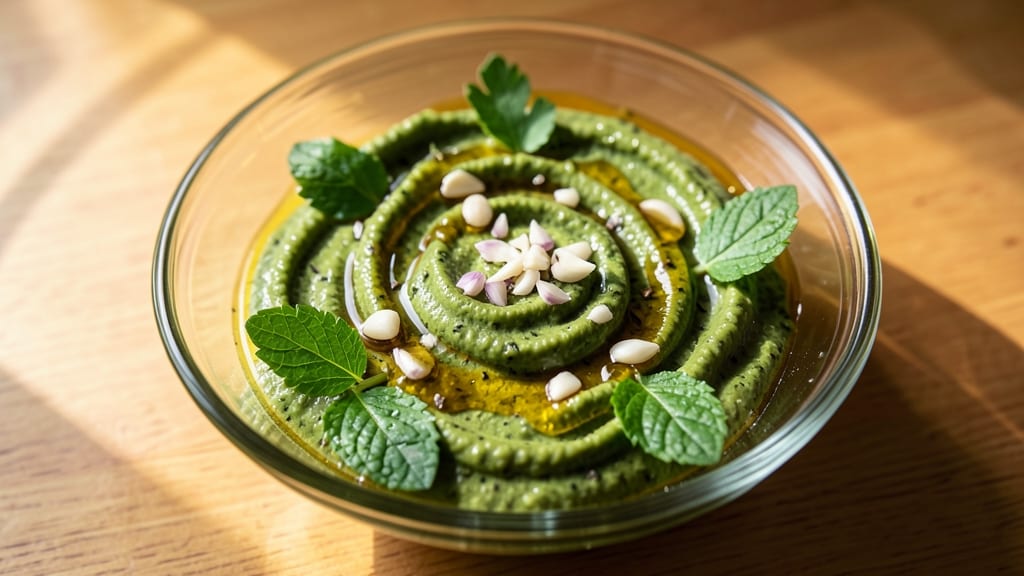
This Arabic salad dressing transforms simple salads into vibrant, herb-forward masterpieces with just six ingredients. The secret lies in balancing bright citrus with rich tahini and fresh herbs—a harmony that elevates everything from grain bowls to fresh vegetables.
I developed this recipe after years of testing Middle Eastern dressings, refining it to be both authentic and foolproof for home cooks.
The foundation is simple: olive oil, lemon juice, garlic, and tahini create the base, while fresh parsley and mint add that signature Middle Eastern brightness. Unlike store-bought versions, this dressing stays emulsified for days, thanks to a technique that binds the oil and citrus without overpowering the delicate herb flavors.
The result is a creamy yet tangy dressing that clings perfectly to greens and grains.
What makes this dressing special is its versatility—drizzle it over tabbouleh, use it as a marinade for grilled meats, or serve it as a dip with warm pita. The tahini adds depth, while the lemon keeps it fresh and zesty.
Unlike heavy creamy dressings, this one is light yet rich, with a texture that’s smooth yet slightly textured from the herbs.
The best part? It keeps for up to a week in the fridge, allowing you to make a big batch and use it all week. Whether you're hosting a meal or simply dressing up a weeknight salad, this Arabic dressing delivers restaurant-quality flavor with minimal effort.
Let’s make it—your taste buds will thank you.
Ingredients for arabic salad dressing
Six ingredients blend into a creamy, herb-forward dressing that elevates salads to restaurant quality.
| Ingredient | Amount | Notes |
|---|---|---|
| Extra-Virgin Olive Oil 🫒 | ¾ cup | Light, fruity variety preferred |
| Fresh Lemon Juice 🍋 | ½ cup | Freshly squeezed, no pulp |
| Tahini 🥜 | ½ cup | Sesame paste, unsweetened |
| Garlic Cloves 🧄 | 4 cloves | Fresh, minced to fine paste |
| Fresh Flat-Leaf Parsley 🌿 | ¼ cup | Stems removed, finely chopped |
| Fresh Mint Leaves 🌿 | ¼ cup | Stems removed, finely chopped |
| Diamond Crystal Kosher Salt 🧂 | 1 tsp | Fine grain for even dissolving |
| Ground Black Pepper 🌶️ | ¼ tsp | Freshly ground for best flavor |
The tahini and olive oil form the dressing's rich base, so quality matters. I always grab Whole Foods' organic tahini—it's smooth and never bitter. For olive oil, California Avocado Ranch or Colavita are my go-tos; their fruity notes complement the herbs perfectly. Fresh garlic is non-negotiable here—jarred minced garlic lacks the depth. If you're short on time, roast the garlic cloves whole at 400°F for 10 minutes before mincing for a sweeter flavor. The parsley and mint should be bright green with no wilting—Middle Eastern markets often have the freshest herbs, but grocery store bunches work too if they're crisp.
No tahini? Substitute with equal parts peanut butter and water (thin with a splash of lemon juice), though the flavor will differ slightly. Short on parsley? Cilantro or dill at the same amount works in a pinch, but the herb profile changes. If you're avoiding garlic, asafetida powder (1/8 tsp) mimics its savory depth without the raw taste. For extra tang, add 1 tsp apple cider vinegar to the lemon juice. The salt and pepper are simple but crucial—Diamond Crystal dissolves completely, while table salt can leave gritty residue. Always taste before emulsifying; adjust salt to preference.
This dressing stays fresh for up to 7 days in the fridge, but the emulsification weakens after 3-4 days. To extend shelf life, pour a thin layer of olive oil on top before sealing the jar—it acts as a natural preservative. For best texture, whisk vigorously before each use. Makes about 1.5 cups, perfect for dressing multiple salads or storing for the week. Freezes beautifully for up to 3 months if stored in an airtight container; thaw in the fridge and whisk to re-emulsify.
Why You'll Love This Recipe
- Five-Ingredient Magic: I swear by this combo—just oil, lemon, tahini, garlic, and parsley. No fancy gadgets, no stress. Honestly, the tahini does most of the work, and the lemon keeps it bright without overpowering.
- No-Burnt-Garlic Risk: Between us, I’ve torched garlic before. Here, you just mince it raw—no waiting for it to soften, no charred bits. That fresh, sharp punch? Instant flavor without the drama.
- Meal Prep MVP: This dressing lasts ages in the fridge, and it’s the star of everything—bowls, wraps, even drizzled over roasted veggies. I make a big batch Sunday and forget about it until Thursday.
- Budget Brightener: Tahini’s cheap, lemon’s a steal, and olive oil stretches further than you’d think. It’s the kind of dressing that makes simple greens feel like a fancy spread without breaking the bank.
Step-by-step instructions for herb-forward Arabic salad dressing
This vibrant dressing balances rich tahini with bright citrus and aromatic herbs for bold Mediterranean flavor.
Blend Tahini and Lemon Juice
Start by combining the 0.5 cup tahini and 0.5 cup fresh lemon juice in a blender or food processor. The tahini should be at room temperature for smooth blending—if it's thick from the fridge, let it sit for 10-15 minutes first. Blend on high until completely smooth, about 1-2 minutes, scraping down the sides as needed. This creates the creamy base that will carry all the other flavors.
Here's the thing—tahini can sometimes separate when mixed with citrus, so blending thoroughly prevents any graininess in your final dressing. If it looks too thick after blending, add 1 tablespoon water at a time until it reaches a pourable consistency, but don't overdo it or the dressing will become too thin.
Incorporate Garlic and Olive Oil
Add the 4 cloves minced garlic and 0.75 cup extra-virgin olive oil to the blender. Pulse a few times to break up the garlic, then blend again on high for 30-45 seconds until fully emulsified. The mixture should look silky, not streaked with oil. This is where the dressing starts to come together—you'll see it transform from a thick paste into a smooth, velvety liquid.
I like to taste at this stage to check the balance. The garlic should be present but not overpowering, and the olive oil should add a rich, fruity depth. If you find the garlic too strong, add another 1 tablespoon olive oil to mellow it out. The dressing should taste vibrant and slightly tangy but not harsh.
Add Herbs and Seasonings
Transfer the blended mixture to a medium bowl and stir in the 0.25 cup chopped fresh flat-leaf parsley and 0.25 cup chopped fresh mint leaves. The herbs should be finely chopped so they distribute evenly throughout the dressing. Add the 1 teaspoon Diamond Crystal kosher salt and 0.25 teaspoon ground black pepper, then mix well with a whisk or silicone spatula.
This is the moment that matters: the herbs should brighten the dressing with their fresh, grassy notes while the salt and pepper round out the flavors. If you're using particularly strong mint, you might want to reduce it slightly to 0.2 cup to avoid overpowering the parsley's more delicate flavor. The dressing should now have a vibrant green hue and a complex, layered taste.
Adjust Consistency and Flavor
Taste the dressing and adjust the seasoning as needed. If it needs more brightness, add another 1 tablespoon lemon juice at a time. For richness, add 1 tablespoon olive oil. If it's too thick, thin it with 1 tablespoon water until it reaches a pourable consistency—you want it to coat the back of a spoon but still flow freely. The ideal texture should be like heavy cream, clinging to ingredients without being gluey.
Let the dressing sit for 10 minutes at room temperature before using. This resting period allows all the flavors to meld together, resulting in a more cohesive taste. If you notice any separation after resting, simply whisk vigorously to re-emulsify. This dressing keeps well in the refrigerator for up to 1 week, though the herbs will lose some of their freshness after 3-4 days.
Pro Tips For Making Arabic Salad Dressing
- Blend Tahini Slowly: Start with just a splash of lemon juice or water in your blender before adding tahini—this prevents a greasy, clumpy mess. I learned this the hard way after scraping tahini off my blender walls for the third time.
- Use Cold Garlic: Chill your garlic cloves in the freezer for 10 minutes first—this makes them easier to mince and prevents the dressing from turning bitter. Trust me, your taste buds will notice the difference.
- Strain for Smoothness: Whisk the dressing, then strain it through a fine-mesh sieve into a bowl. Skipping this step leaves behind parsley stems and garlic bits that make the texture uneven—worth the extra 30 seconds.
- Balance Oil Last: Add olive oil gradually, tasting as you go, until the dressing reaches your desired consistency. Dumping it all in at once can overwhelm the bright, tangy flavors you worked so hard to build.
Essential equipment for this dish
Blender or Food Processor
You’ll need a high-speed blender or food processor to emulsify the tahini and olive oil properly. I recommend a Ninja BN601 or Vitamix for smooth, lump-free results—their blades handle tahini’s thickness better than basic blenders.
If you don’t have one, a handheld immersion blender works in a pinch, but you’ll need a deep bowl and extra patience to avoid splatter.
Whisk and Silicone Spatula
A balloon whisk or French whisk is essential for combining the herbs and seasonings after blending. I keep a OXO Good Grips whisk in my kitchen—it’s sturdy and won’t bend when stirring thick dressings.
A silicone spatula (like Kuhn Rikon) helps scrape every last bit of dressing from the bowl without scratching.
Measuring Tools
Precision matters with tahini and olive oil—use a liquid measuring cup with clear markings for the oils and a spoon or small bowl for the tahini (it’s thick and sticky). A microplane for garlic and a sharp chef’s knife for herbs ensure even, fine textures.
I also keep a small digital scale handy to measure tahini by weight if I’m feeling precise—140g equals roughly 0.5 cup for consistency.
Storage Containers
Store your dressing in a glass jar with an airtight lid (like Le Parfait) to preserve freshness. Mason jars work too, but avoid plastic—it can absorb flavors and odors over time.
For longer storage, a vacuum-sealed bag extends shelf life to 3 months in the freezer. Label your containers with the date to track freshness.
Optional: Emulsifier
If you’re worried about separation, add 1 teaspoon xanthan gum or 1 egg yolk to the blend for extra stability. I’ve found that Whole Foods’ xanthan gum works best—just mix it with a splash of water before adding to the blender.
For a vegan option, 1 tablespoon Dijon mustard also helps bind the dressing, though it adds a slight tang.
Fresh Herb Prep Tools
Invest in a herb scissors (like Mercer Culinary) to chop parsley and mint quickly and evenly. A mortar and pestle can also work for mincing garlic—just crush the cloves into a fine paste before adding to the blender.
Avoid pre-chopped herbs from jars; their flavors fade fast and often contain preservatives that alter the dressing’s taste.
Nutrition facts
Frequently asked questions
Can I make this dressing without tahini?
Yes! For a tahini-free version, replace the 0.5 cup tahini with 0.4 cup peanut butter (unsweetened) plus 1 tablespoon lemon juice to thin it. The flavor will be slightly nuttier but still bright and creamy. Alternatively, use 0.3 cup Greek yogurt for a tangier, lighter texture—just reduce the olive oil to 0.6 cup to balance richness.
Why did my dressing separate?
Separation usually happens when oil and citrus aren't properly emulsified. To fix it, whisk vigorously or blend again until smooth. For future batches, blend the tahini and lemon juice first until completely smooth, then slowly drizzle in the olive oil while blending. A splash of 1 tablespoon water can also help re-emulsify if the dressing is too thick.
How long does this dressing last in the fridge?
This dressing stays fresh for up to 7 days in an airtight glass container. The herbs will lose some brightness after 3-4 days, but the base flavors remain delicious. To extend shelf life, pour a thin layer of olive oil on top before sealing—it acts as a natural preservative. For longer storage, freeze for up to 3 months in a sealed container.
Can I use this dressing on non-salad dishes?
This versatile dressing works beautifully as a marinade for grilled chicken or fish, a dip for warm pita or falafel, or even a sauce for roasted vegetables. The tahini and herbs add depth to proteins, while the citrus keeps flavors bright. For dips, thin it slightly with water or more lemon juice for easier scooping.
What herbs can I substitute if I don't have parsley or mint?
For parsley, try cilantro or dill (use the same amount). For mint, basil or chives work well—though they'll change the flavor profile slightly. If you're missing both, use 0.5 cup fresh cilantro alone for a similar brightness. Always chop herbs finely to ensure even distribution in the dressing.