Salads
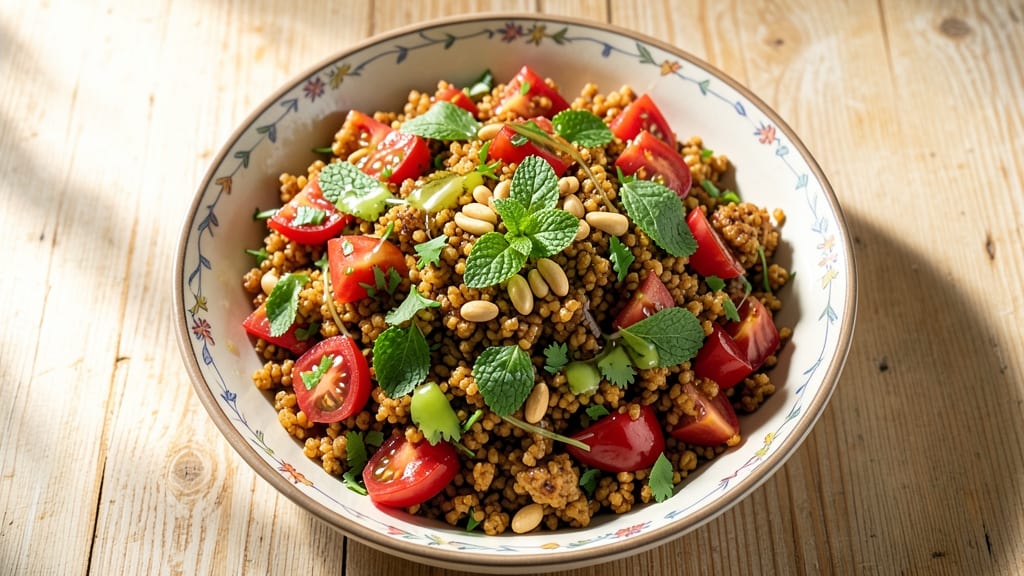
This Arabic tabbouleh salad recipe brings the vibrant flavors of the Mediterranean to your table in just 15 minutes—no fancy skills required.
The secret lies in perfectly hydrated bulgur wheat and a bright mix of fresh parsley, mint, and ripe tomatoes, all tossed with zesty lemon and premium olive oil. I’ve perfected this version to deliver that signature tangy, herby freshness without the bitterness of overcooked bulgur or wilted herbs.
The key to authentic tabbouleh starts with the bulgur—soaked just long enough to soften but still hold its texture, then fluffed to light, airy perfection. Fresh herbs take center stage, with parsley providing the classic bright flavor and mint adding a refreshing twist.
This isn’t your average salad; it’s a bold, herb-packed dish that stands up as a main course or complements grilled meats beautifully.
What you’ll end up with is a glossy, lemon-kissed salad where every bite delivers a perfect balance of crisp bulgur, juicy tomatoes, and fragrant herbs. The dressing—simple yet essential—ties everything together with a bright citrus punch and rich olive oil finish.
This is the kind of dish that tastes like a vacation, yet comes together in one bowl.
Serve it chilled as a refreshing starter, alongside grilled lamb, or even as a hearty vegetarian main with warm pita. The possibilities are endless, but the method stays true to tradition—simple, fresh, and impossible to resist. Let’s get started!
Ingredients for arabic tabbouleh salad
Fresh herbs, perfectly toasted bulgur, and zesty lemon create this vibrant Mediterranean masterpiece.
| Ingredient | Amount | Notes |
|---|---|---|
| Fine Bulgur Wheat 🌾 | 1 cup | Toasted for nutty flavor |
| Fresh Parsley Leaves 🌿 | 2 cups | Stems removed, loosely packed |
| Fresh Mint Leaves 🌿 | ½ cup | Chopped, loosely packed |
| Ripe Tomatoes 🍅 | 2 medium | Seeded, finely diced |
| Extra-Virgin Olive Oil 🫒 | ½ cup | Light, fruity variety |
| Fresh Lemon Juice 🍋 | ¼ cup | Strained, freshly squeezed |
| Diamond Crystal Kosher Salt 🧂 | 1 tsp | Fine grain preferred |
| Fresh Garlic Cloves 🧄 | 4 cloves | Minced, not roasted |
| English Cucumber 🥒 | 1 medium | Peeled, seeded, diced |
| Red Onion 🧅 | ¼ medium | Thinly sliced, white part only |
| Toasted Pine Nuts 🥜 | ¼ cup | Optional, for crunch |
| Ground Black Pepper 🌶️ | ¼ tsp | Freshly ground |
The bulgur is non-negotiable—fine, toasted bulgur from the Middle Eastern aisle at Whole Foods or Trader Joe's gives the best texture. Toast it lightly in a dry pan for 2 minutes before soaking to deepen its nutty flavor. Fresh herbs are the soul of tabbouleh: parsley for classic brightness and mint for that refreshing twist. Look for bright green, plump stems at the market—wilted herbs scream 'old.' The tomatoes should be ripe but firm; vine-ripened from the farmers market is ideal, but regular grocery store tomatoes work if they're red all over.
No fine bulgur? Regular bulgur soaked 30 minutes longer works in a pinch, but texture suffers. Short on parsley? Cilantro or dill at half the amount adds a different but still delicious vibe. The lemon juice is critical—freshly squeezed is a must; bottled won't cut it. For the garlic, roasted garlic adds sweetness but traditional minced gives that sharp punch. The cucumber and onion can be swapped for radishes or fennel if you're feeling adventurous. Pine nuts? Walnuts or slivered almonds save money without sacrificing crunch.
This salad shines when made fresh but keeps beautifully for 3 days in the fridge, sealed tightly. The bulgur absorbs flavors over time, so it actually tastes better the next day. Store herbs separately if prepping ahead—they wilt fast. For serving, I like to double the dressing and keep it on the side so everyone can adjust to taste. The flavors meld perfectly when tossed just before eating, so hold off on that final mix until you're ready to serve. Perfect with warm pita or grilled halloumi for a complete meal.
Why You'll Love This Recipe
- No Soak, No Stress: I’ll be real—most tabbouleh recipes make you wait 30+ minutes for the bulgur to soak. Not this one. Just rinse the fine bulgur, mix it with the herbs and tomatoes, and let it sit for 15 minutes. That’s it. No measuring cups of boiling water, no waiting around.
- Herb-Packed Punch: The parsley and mint aren’t just garnish—they’re the stars. Chop them fine, toss them in with the bulgur while still slightly wet, and let them marinate in the olive oil. The result? Bright, grassy, and ridiculously fresh. Add a few crushed tomatoes for that juicy pop, and you’ve got a flavor explosion that sticks with you.
- Picnic to Potluck: This salad travels like a dream. Pack it in a jar for a beach day, bring it to a barbecue where everyone else is serving sad store-bought chips, or make a big batch for work lunches. It holds up for days in the fridge, tastes better the next day, and pairs with grilled meats, flatbread, or even just as a standalone snack.
- Budget Brightener: Honestly, this is one of those recipes where the ingredients cost next to nothing but feel like a fancy meal. A handful of parsley and mint (or even just parsley if you’re short on time) plus a few tomatoes and olive oil? You’re not breaking the bank, but you’re serving something that feels special. Plus, bulgur lasts forever in the pantry.
Step-by-step instructions for Arabic tabbouleh salad
Here's how to craft this vibrant, herb-forward salad with perfect texture every time.
Toast the Bulgur Wheat for Nutty Depth
Place the 1 cup fine bulgur wheat in a dry skillet over medium heat. Toast it for 2-3 minutes, stirring constantly, until it turns a golden brown color and releases a nutty aroma. This step is crucial—it removes any raw taste and gives the salad its signature toasted flavor. Watch closely as bulgur burns quickly once it starts browning.
Immediately transfer the toasted bulgur to a large mixing bowl. Pour over 2 cups cold water (not boiling) and let it soak for 10 minutes. The bulgur will absorb the water and nearly triple in volume, becoming tender and fluffy. This hydration step ensures your tabbouleh has the perfect bite rather than a mushy texture.
Prepare the Herb and Vegetable Base
While the bulgur soaks, remove stems from the 2 cups fresh parsley leaves and chop them finely. In the same bowl, add the 0.5 cup fresh mint leaves (also chopped) and the 2 medium ripe tomatoes (seeded and finely diced). The herbs should dominate visually—this is what makes tabbouleh distinct from other salads.
Add the peeled, seeded, and diced 1 medium English cucumber and the thinly sliced white part of the 0.25 medium red onion. Mix everything gently with your hands, being careful not to bruise the herbs. The raw flavors should be bright and vibrant—this is your flavor foundation before adding the dressing components.
Create the Dressing and Combine
In a small bowl, whisk together the 0.5 cup extra-virgin olive oil, 0.25 cup fresh lemon juice, 1 tsp diamond crystal kosher salt, 4 cloves minced fresh garlic, and 0.25 tsp freshly ground black pepper. The dressing should emulsify slightly but remain light—this ensures it coats the bulgur without making the salad greasy.
After the bulgur has soaked for 10 minutes, drain any excess water (there shouldn't be much) and add the dressing. Gently fold everything together with your hands until the bulgur is evenly coated. The herbs should be distributed throughout, not just concentrated in the center. Taste and adjust seasoning—you might need a touch more salt or lemon depending on your tomatoes' acidity.
Add Final Touches and Rest
Sprinkle the 0.25 cup toasted pine nuts (if using) over the salad and gently toss just once to distribute them. The pine nuts add a delightful crunch that contrasts beautifully with the soft bulgur and herbs. For best flavor development, cover the bowl and let the salad rest at room temperature for 15-20 minutes.
This resting period allows the flavors to meld and the bulgur to absorb the dressing completely. When ready to serve, give it one final gentle toss with your hands. The salad should be bright green with visible herbs, slightly tangy from the lemon, and perfectly balanced between crisp and tender textures. Serve immediately while the flavors are at their peak.
Pro Tips For Making Arabic Tabbouleh Salad
- SOAK THE BULGUR LONG: I learned this the hard way—skipping the full 30-minute soak leaves you with chewy, undercooked wheat. Use twice the water called for (1 cup bulgur to 2 cups boiling water), cover, and let it sit until the liquid’s fully absorbed. No peeking, or you’ll dry it out.
- CHOP HERBS COARSELY: Fine chopping makes tabbouleh mushy fast. Cut parsley and mint into rough ¼-inch pieces—big enough to see the texture, small enough to taste. And resist the urge to pack them tightly; herbs bruise and release water when crowded.
- TOSS TOMATOES LAST: Add diced tomatoes too soon, and they’ll turn your salad into a watery mess. Save them for the final mix—let the bulgur and herbs sit for 10 minutes first, so the acidity brightens instead of dilutes.
- USE COLD OIL: Room-temperature olive oil coats everything evenly, but cold oil (straight from the fridge) clings better to the herbs and bulgur. Drizzle it over the salad after it’s tossed, then give it a quick shake to distribute. The crunch stays sharper this way.
Health benefits of arabic tabbouleh salad
Herb-Rich Antioxidant Boost
Tabbouleh is a powerhouse of antioxidants thanks to its fresh parsley and mint. These herbs are packed with vitamin C, vitamin A, and flavonoids that combat oxidative stress and support your immune system.
Just 2 cups of parsley in this recipe provide over 100% of your daily vitamin K needs, which plays a key role in bone health and blood clotting. The bright green color isn’t just pretty—it’s a visual cue of the salad’s nutrient density. 💚
Fiber-Packed Energy
The fine bulgur wheat in tabbouleh delivers 5 grams of fiber per cup, making this salad a satisfying, low-calorie meal. Fiber supports digestion, helps stabilize blood sugar, and keeps you full longer—perfect for a light lunch or side dish.
Unlike refined grains, bulgur retains its bran and germ, giving you the full nutritional benefits. I always feel energized after eating tabbouleh, especially when paired with grilled proteins.
Hydration and Electrolytes
This salad is surprisingly hydrating thanks to its high water content from fresh herbs and tomatoes. The cucumber and tomatoes contribute electrolytes like potassium and magnesium, which help maintain proper fluid balance in your body.
The lemon juice adds a bonus dose of vitamin C, which aids in hydration and skin health. It’s the kind of dish that keeps you refreshed without needing extra water.
Heart-Healthy Fats
The extra-virgin olive oil used in the dressing provides monounsaturated fats, the same heart-healthy fats found in Mediterranean diets. These fats help lower bad cholesterol (LDL) while maintaining good cholesterol (HDL).
Using ½ cup of olive oil in this recipe adds flavor without overpowering the fresh herbs. I always opt for a light, fruity variety to complement the bright flavors of the salad.
Digestive Benefits
The combination of fiber from bulgur, enzymes from fresh herbs, and probiotic-friendly ingredients makes tabbouleh gentle on digestion. The lemon juice also stimulates stomach acid production, aiding in nutrient absorption.
This salad is particularly soothing for those with mild digestive sensitivities, as long as you avoid any problematic herbs like mint if you’re sensitive to it.
Low-Calorie, High-Nutrient
At just around 150 calories per serving, tabbouleh is one of the most nutrient-dense salads you can make. It’s packed with vitamins, minerals, and antioxidants while being low in calories and fat-free.
This makes it an ideal choice for weight management or simply adding more vegetables to your diet without the guilt. The bright flavors make it satisfying enough to eat as a main dish, especially when paired with grilled halloumi or warm pita. 💪
Nutrition facts
Frequently asked questions
Can I make tabbouleh without bulgur wheat?
While bulgur is traditional, you can substitute with cooked quinoa or couscous for a similar texture. Use 1 cup dry quinoa cooked according to package instructions (about 3 cups cooked) and rinse well to remove excess starch. The flavor won't be identical, but it works in a pinch!
How do I store leftover tabbouleh?
Store in an airtight container in the fridge for up to 3 days. The flavors actually improve overnight as the bulgur absorbs more dressing. To serve, give it a gentle toss and add fresh herbs if you like. Avoid freezing—it makes the bulgur mushy.
What's the secret to preventing wilted herbs?
Use the freshest herbs possible—look for bright green stems at the market. Store herbs in the fridge wrapped in a damp paper towel in a sealed bag. When chopping, work quickly and add the dressing last to preserve their vibrant color. The key is timing: mix everything together just before serving.
Can I make tabbouleh ahead for a party?
Prepare everything except the dressing up to 2 days ahead, storing components separately. Just before serving, combine with the dressing and let sit for 15 minutes to meld flavors. This keeps the herbs crisp and prevents sogginess. For large groups, double the recipe—it's always a crowd-pleaser!
Why does my tabbouleh taste bitter?
Bitter flavor usually comes from over-soaked bulgur or wilted herbs. For the bulgur, stick to 10 minutes soaking time—no longer! If herbs taste bitter, they may be old. Always buy the freshest herbs you can find, and store them properly in the fridge. A splash of extra lemon juice can also brighten the flavor.