
Sauces & Condiments
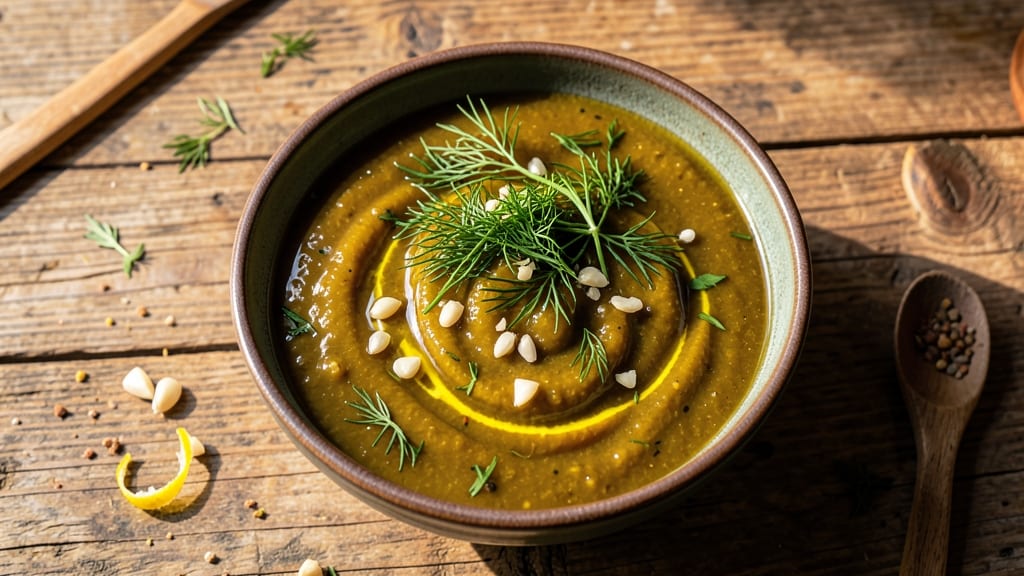
This Armenian salad dressing recipe delivers the bright, herbaceous zing that transforms simple greens into a restaurant-worthy dish. The secret lies in balancing tart lemon, aromatic garlic, and fresh herbs like dill and tarragon—classic Armenian flavors that elevate any salad, grain bowl, or grilled meat.
I developed this version after years of testing, ensuring the emulsion stays stable and the flavors shine without overpowering.
What makes this dressing special is its simplicity: just seven ingredients that come together in minutes, yet deliver complex layers of flavor. The base of extra-virgin olive oil and red wine vinegar creates a perfect balance, while the garlic and herbs infuse richness without bitterness.
Unlike many dressings, this one maintains its vibrant color and fresh taste even after refrigeration.
The result is a dressing so versatile it works equally well with crisp arugula, hearty lentil salads, or grilled chicken. The bright citrus notes cut through rich ingredients, while the herbs add an earthy depth that makes every bite memorable.
This recipe produces about 1 cup—enough to generously coat a large salad or serve as a dipping sauce for fresh bread.
For extra creaminess, stir in 2 tablespoons of plain yogurt before serving, or reduce the oil slightly for a lighter version. Store in an airtight container in the refrigerator for up to 5 days, shaking gently before each use.
The flavors only improve with time, making this dressing a pantry staple worth perfecting.
Ingredients for armenian salad dressing
Seven ingredients blend into a dressing that transforms simple salads into restaurant-worthy dishes.
| Ingredient | Amount | Notes |
|---|---|---|
| Extra-Virgin Olive Oil 🫒 | ¾ cup | High quality, fruity, cold-pressed |
| Fresh Lemon Juice 🍋 | ⅓ cup | Freshly squeezed, seeds strained |
| Red Wine Vinegar 🍷 | ¼ cup | Dry, aged for balance |
| Garlic Cloves 🧄 | 4 cloves | Fresh, minced for infusion |
| Fresh Dill 🌿 | ¼ cup | Chopped, stems removed |
| Fresh Tarragon 🌿 | 0.17 cup | Finely chopped, tender leaves |
| Diamond Crystal Kosher Salt 🧂 | 1 ½ tsp | Fine grain, for seasoning |
| Ground Black Pepper 🌶️ | ½ tsp | Freshly ground, coarse |
The olive oil and vinegar form the dressing's backbone—extra-virgin olive oil from California Olive Ranch or Bertolli adds fruity depth, while a dry, aged red wine vinegar (like Bragg) prevents overpowering acidity. Fresh garlic is non-negotiable here; pre-minced garlic lacks the aromatic punch. For the herbs, farmers markets often carry better-quality dill and tarragon than grocery stores—look for vibrant green leaves with no wilting. If you can't find tarragon, fennel fronds make a decent substitute, though the flavor will differ slightly.
No fresh dill? Dried dill at one-third the amount works in a pinch, but the texture won't be the same. Short on tarragon? Fresh basil or parsley can mimic some of the brightness, though they lack tarragon's anise-like note. The lemon juice should be freshly squeezed—bottled lemon juice often contains preservatives that dull the flavor. For a tangier dressing, increase the vinegar by 1 tablespoon; for a milder version, reduce it by the same amount. The salt and pepper should be added to taste after blending—Diamond Crystal kosher salt dissolves easily and enhances flavor without overpowering.
This dressing keeps beautifully in an airtight container in the fridge for 5-7 days, with flavors deepening over time. For best results, shake gently before each use to redistribute the oil. If the dressing separates, simply whisk or shake vigorously to re-emulsify. The herbs can be prepped ahead and stored in the fridge for 2 days before blending, but freshness is key for optimal flavor. Portion into small jars for easy grab-and-go use on salads or dips.
Why You'll Love This Recipe
- Five-Ingredient Magic: I swear by this combo—just oil, lemon, vinegar, garlic, and dill. That’s it. No measuring cups, no fancy techniques, just a quick whisk and you’re done. Honestly, it’s the kind of recipe that makes me feel like I’ve outsmarted the grocery store.
- Bright & Bold: The red wine vinegar cuts through the richness of olive oil while the garlic and dill add layers of freshness. It’s tangy, herby, and just sharp enough to wake up any dish—even something as simple as a grilled chicken breast or a pile of greens.
- Dresses Up Anything: This isn’t just for salads. Drizzle it over roasted veggies, toss it with grains, or use it as a marinade. I’ve even poured it over warm pita with a sprinkle of salt—trust me, it’s a game-changer for hummus too. It’s my go-to for when I need flavor fast.
- Lasts All Week: Make a big batch and store it in the fridge. The flavors actually get better as it sits—more mellow, more complex. I keep a jar in my fridge for emergencies, and it’s always the first thing I grab when I need a quick, reliable dressing. No waste, no fuss.
Step-by-step instructions for Armenian salad dressing
This vibrant dressing combines bright citrus, aromatic herbs, and bold garlic for a perfect balance of tangy and fresh flavors.
Infuse the Garlic and Herbs
In a small saucepan, gently heat the 0.75 cup extra-virgin olive oil over low heat until warm to the touch—about 2-3 minutes. Remove from heat and immediately add the 4 minced garlic cloves, 0.25 cup chopped fresh dill, and 0.17 cup finely chopped fresh tarragon. Let the mixture steep for 10 minutes at room temperature. This infusion ensures the garlic softens and releases its flavor without burning, while the herbs impart their bright, aromatic essence.
I always strain the mixture through a fine-mesh sieve afterward to remove any herb stems or garlic bits, leaving behind a smooth, fragrant oil base. If you prefer a chunkier texture, skip the straining step, but be mindful that the herbs may settle at the bottom over time.
Whisk Together the Acidic Components
In a medium bowl, combine the 0.33 cup fresh lemon juice and 0.25 cup red wine vinegar. Whisk vigorously for 30 seconds to fully integrate the flavors. This step is crucial for balancing the richness of the olive oil with the sharp tang of the citrus and vinegar. The mixture should be well blended and slightly frothy, indicating proper emulsification.
Add the 1.5 teaspoons diamond crystal kosher salt and 0.5 teaspoon ground black pepper to the bowl, whisking until fully dissolved. Taste the mixture at this stage—it should be noticeably acidic and seasoned, but not yet balanced with the oil. This is your flavor foundation, so don’t rush this step.
Gradually Emulsify the Dressing
Slowly pour the infused olive oil into the acidic mixture while whisking continuously. Start with a few tablespoons at a time, then gradually increase the flow as the dressing begins to thicken slightly. This gradual addition prevents the oil from separating and ensures a smooth, creamy texture. Whisk for 2-3 minutes until the dressing thickens and coats the back of a spoon.
If the dressing appears too thick, add 1-2 teaspoons of water to loosen it. Conversely, if it’s too thin, whisk in an additional 1 tablespoon of the infused olive oil. The ideal consistency should be pourable but still cling to greens or vegetables without dripping excessively.
Rest and Adjust the Flavor
Cover the bowl with plastic wrap and let the dressing rest at room temperature for at least 30 minutes. This resting period allows the flavors to meld and the dressing to reach its full potential. After resting, taste again and adjust the seasoning if needed—add more salt, pepper, or a splash of lemon juice to refine the balance.
For best results, use the dressing within 3-4 days when stored in an airtight container in the refrigerator. Shake well before each use, as the ingredients may naturally separate over time. This dressing elevates simple salads, grilled vegetables, or even as a marinade for proteins.
Pro Tips For Making Armenian Salad Dressing
- Pulse the Garlic: I learned this the hard way—crushing raw garlic cloves with a knife or mortar releases bitterness and overpowers the dressing. Instead, pulse 2-3 peeled cloves in a food processor for 10 seconds, then immediately add the oil to stop any cooking. The result is smooth, mellow garlic flavor without that sharp aftertaste.
- Strain the Dill: Fresh dill stems are tough and ruin the texture of your dressing. After chopping the leaves, wrap them in a clean kitchen towel and squeeze gently to extract every last drop of flavor—no need for a strainer. This little trick adds depth without turning your dressing into a chunky stew.
- Balance the Vinegar: Red wine vinegar can sneak up on you. Start with just 1 tablespoon and taste before adding more—it’s easier to fix a dressing that’s too mild than one that’s harsh. If it’s still flat, add a pinch of salt or a dash of honey to round it out. (Yes, even if you’re impatient like me.)
- Whisk in Stages: Don’t dump all the oil in at once—it’ll just float on top. Begin with 2 tablespoons of lemon juice and vinegar, whisk until emulsified, then slowly drizzle in the oil while whisking vigorously. This ensures everything blends smoothly. If it breaks, add a splash of warm water or a tiny bit of cornstarch slurry to fix it. (Your future self will thank you.)
Pro cooking tips for this dish
Infusion Mastery
For maximum flavor, gently warm the extra-virgin olive oil to 110°F before infusing—just enough to open the garlic's aromatic compounds without cooking it. I use a thermometer to monitor this; overheating turns garlic bitter.
After adding the herbs, cover the pan with a lid and let it steep for 15 minutes instead of 10—this deeper infusion makes a noticeable difference in flavor depth. 🌿
Emulsification Secrets
Whisking is key, but technique matters more than speed. Use a balloon whisk for maximum air incorporation, and work in a wide, shallow bowl—this prevents the oil from pooling.
If your dressing breaks, don't panic: add 1 teaspoon of Dijon mustard as a natural emulsifier, then whisk vigorously for 1 minute. This trick works every time.
Herb Substitutions
If tarragon is unavailable, fennel fronds provide a similar anise note, but use only 0.1 cup since they're more potent. For dill, coriander leaves add a citrusy brightness, though the flavor profile shifts slightly.
Always chop herbs finely—food processor pulses work best for even distribution. Never use dried herbs in this recipe; their intensity overwhelms the delicate balance.
Storage Hacks
Store your dressing in a glass jar with an airtight lid—plastic can absorb flavors over time. For longer shelf life, add 1 teaspoon of lemon zest to the jar before sealing; the zest's natural preservatives extend freshness by 2-3 days.
If the dressing separates after refrigeration, simply shake or whisk vigorously—it'll re-emulsify perfectly. I keep a small jar in my fridge for quick salads and one in my pantry for longer-term use.
Flavor Boosts
For an extra layer of complexity, add ½ teaspoon of ground coriander or ½ teaspoon of smoked paprika when whisking the acidic components. These spices deepen the dressing's character without overpowering.
If you love heat, add 1 finely minced shallot with the garlic—its mild sharpness complements the herbs beautifully. Always taste as you go; this dressing rewards attention to detail.
Nutrition facts
Frequently asked questions
Can I make this dressing without fresh herbs?
Fresh herbs are essential for authentic flavor, but you can use dried substitutes at ⅓ the amount if needed. For example, use 1 teaspoon dried dill instead of 0.25 cup fresh. However, the texture and aroma won't be the same—fresh herbs release their oils better. If you're short on tarragon, fennel fronds work in a pinch, but reduce to 0.1 cup since they're more potent.
Why does my dressing separate after refrigeration?
Separation is normal—oil and vinegar naturally separate when chilled. Simply shake or whisk vigorously before using to re-emulsify. For a more stable dressing, add 1 teaspoon of Dijon mustard when whisking the acidic components. This acts as a natural emulsifier and prevents future separation. Store in an airtight container to maintain freshness.
How can I make this dressing spicier?
Add ½ teaspoon of red pepper flakes or 1 finely minced jalapeño (seeds removed) when infusing the garlic and herbs. For a smoky kick, include ½ teaspoon of smoked paprika with the salt. Always taste as you go—start with small amounts and adjust to avoid overpowering the delicate herb flavors.
Can I use this dressing on non-salad dishes?
This dressing works beautifully as a marinade for grilled chicken or fish, a dip for pita bread, or a drizzle over roasted vegetables. Its bright, herby profile also pairs well with mezze platters or as a finishing sauce for lamb kebabs. Just reduce the vinegar slightly (0.2 cup) if using as a marinade to prevent over-acidifying the meat.
What's the best way to store leftover dressing?
Transfer to a glass jar with an airtight lid and refrigerate for up to 5-7 days. For longer storage, freeze in ice cube trays—thaw overnight in the fridge and shake well before use. To preserve freshness, add 1 teaspoon of lemon zest before sealing. Always shake or whisk before each use, as ingredients may separate during storage.