
Sauces & Condiments
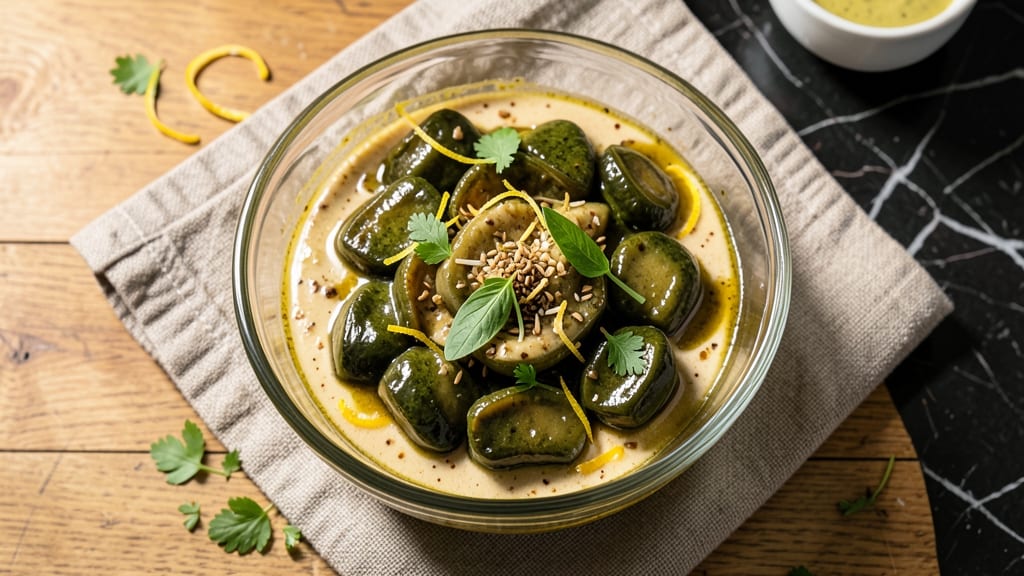
This artichoke salad dressing recipe transforms humble artichoke hearts into a velvety, herb-infused sauce that elevates every bite. The secret lies in blending tender artichokes with bright lemon, fresh garlic, and a touch of Dijon mustard—creating a dressing that’s creamy yet light, with just the right crunch from celery.
What sets this apart is how the artichokes’ natural earthiness mellows into a rich, almost buttery texture that clings perfectly to greens or grilled meats.
To achieve that signature herb-infused creaminess, we’ll use a simple base of olive oil, lemon juice, and a splash of vegetable broth for depth, then blend in artichoke hearts until silky smooth.
A sprinkle of fresh dill and parsley adds brightness, while celery seeds contribute a subtle, aromatic crunch that lingers on the palate. The dressing stays fresh for up to a week in the fridge, making it ideal for meal prep or last-minute salads.
What you’ll end up with is a dressing that’s restaurant-quality at home—rich enough to stand up to hearty greens like kale or arugula, yet light enough to complement delicate lettuces. The artichoke’s natural umami shines through, while the celery crunch adds texture that keeps every bite exciting.
It’s the kind of dressing that turns a simple salad into a showstopper, whether you’re hosting a dinner party or just craving something fresh and flavorful.
Best of all, this recipe is vegetarian-friendly and requires just 10 minutes of prep—no cooking required. The ingredients are simple, but the result is anything but ordinary. Let’s make this dressing, and you’ll never reach for store-bought again.
Ingredients for artichoke salad dressing
Eight ingredients blend into creamy, herby artichoke dressing that’s restaurant-quality at home.
| Ingredient | Amount | Notes |
|---|---|---|
| Marinated Artichoke Hearts 🍃 | 1 cup | Chopped, drained well |
| Extra-Virgin Olive Oil 🫒 | ¾ cup | High quality, fruity |
| Fresh Lemon Juice 🍋 | ¼ cup | Strained, freshly squeezed |
| Vegetable Broth 💧 | ¼ cup | Low-sodium preferred |
| Dijon Mustard 🌶️ | 1 tbsp | Mild or strong variety |
| Fresh Garlic Cloves 🧄 | 2 cloves | Peeled, roughly chopped |
| Fresh Dill 🌿 | ¼ cup | Chopped, stems removed |
| Fresh Parsley 🌿 | 0.15 cup | Chopped, flat-leaf preferred |
| Celery Seeds 🧅 | ½ tsp | Toasted for extra flavor |
| Sea Salt 🧂 | ½ tsp | Fine grain preferred |
The artichoke hearts are the star here—Trader Joe’s or Whole Foods carry the best marinated kind, but any jarred hearts work if they’re drained well. Fresh dill and parsley make all the difference (the grocery store’s plastic containers are fine), but if you’re feeling fancy, grab them from the produce section where they’re usually fresher. Celery seeds can be tricky to find—Penzeys or bulk spice sections at natural grocery stores are your best bet. The Dijon mustard? Maille is my go-to, but any good-quality jarred mustard will do.
No fresh dill? Dried dill at one-third the amount works in a pinch, but you’ll miss that bright freshness. Short on celery seeds? Ground celery salt (just skip the extra salt) or even a pinch of fennel seeds for a similar aromatic kick. The artichoke hearts can be water-packed if marinated isn’t available—just make sure to drain and pat them dry. For extra richness, swap half the olive oil for vegan mayo (like Hellmann’s Vegan), but keep it to a tablespoon or two or the dressing gets too heavy.
This keeps beautifully—1 week in the fridge in a sealed jar. I like to pour a thin layer of olive oil on top to preserve the color and flavor. For meal prep, divide into small containers so you’re not opening the whole jar every time. Freezes for 3 months if you want to make a big batch, but the texture gets slightly grainier after thawing. Always shake before using—it settles fast.
Why You'll Love This Recipe
- Five-Ingredient Magic: I swear by this combo—just blend, drizzle, and you’re done. No chopping, no fuss, and those jarred artichoke hearts? Already marinated for you. Honestly, I keep a jar in my fridge just for this.
- Umami Zing: That Dijon mustard cuts through the richness, while the lemon brightens every bite. The broth adds depth without tasting like soup—it’s the secret to a dressing that’s actually savory, not just tangy.
- Salad’s Best Friend: Toss it on greens, but also? Drizzle it over grilled chicken, roasted potatoes, or even a charcuterie board. I’ve used it as a pasta sauce in a pinch—it’s that versatile. (Yes, even on a Tuesday night.)
- No-Waste Pantry Hero: Uses up leftover broth, a splash of lemon, and a jar you’d otherwise forget. The olive oil is the only thing you’ll need to buy fresh, and a little goes a long way. My wallet and my fridge thank me.
Step-by-step instructions for herb-infused artichoke dressing
This dressing comes together in minutes but tastes like it simmered for hours.
Toast the Celery Seeds for Depth
Heat a small dry skillet over medium-low heat. Add the 0.5 teaspoon celery seeds and toast for 1-2 minutes until fragrant and just beginning to pop. Watch closely—they burn quickly, so keep the heat gentle. Let them cool for 30 seconds before transferring to a small bowl.
This step unlocks the celery seeds' nutty aroma, which forms the dressing's signature crunch and complexity. Skipping the toasting means missing that earthy punch that makes this dressing stand out. Once cooled, you'll blend them directly into the dressing for even distribution.
Blend the Base Ingredients
In a blender or food processor, combine the 1 cup chopped marinated artichoke hearts, 0.75 cup extra-virgin olive oil, 0.25 cup fresh lemon juice, 0.25 cup vegetable broth, 1 tablespoon Dijon mustard, the toasted 0.5 teaspoon celery seeds, and 0.5 teaspoon sea salt. Secure the lid and blend until completely smooth, scraping down the sides as needed.
The artichoke hearts should dissolve into the mixture, creating a thick, velvety base. If the dressing looks too thick, add 1 tablespoon water at a time until it reaches a pourable consistency. This blend forms the creamy foundation that makes the dressing so rich and satisfying.
Incorporate the Fresh Herbs
Transfer the blended mixture to a medium bowl. Using a fork, gently fold in the 0.25 cup chopped fresh dill and 0.15 cup chopped fresh parsley. Add the 2 cloves roughly chopped fresh garlic cloves and stir to combine. Taste and adjust the seasoning with more sea salt if needed.
The herbs should be evenly distributed but still visible, adding both texture and freshness. The garlic adds a subtle sharpness that balances the dressing's richness. Here's the thing—don't over-blend the herbs; you want that bright, fresh crunch in every bite of your salad.
Rest and Adjust for Perfect Texture
Let the dressing sit at room temperature for 10-15 minutes before using. This resting period allows the flavors to meld together and the texture to thicken slightly. After resting, give it one final taste and adjust the seasoning if needed—perhaps a splash more lemon juice for brightness or a pinch of sea salt for depth.
This dressing keeps well in the refrigerator for up to 5 days, but I find it tastes best within the first 2 days. The flavors deepen over time, but the herbs retain their freshness longer when stored properly. Shake or stir before using to redistribute any settled ingredients.
Pro Tips For Making Artichoke Salad Dressing
- Drain and Pat Dry: Marinated artichoke hearts cling to their brine like glue—skip the rinse. Instead, drain them well, then blot each heart with a paper towel to remove excess moisture. Trust me, this keeps your dressing from turning into a watery mess, especially when you’re blending in broth later.
- Use Warm Broth: Cold vegetable broth will make your dressing separate faster than a bad date. Heat it gently—just until it’s warm to the touch—before adding it to the mix. This ensures everything emulsifies smoothly, giving you a silky texture instead of a split dressing.
- Zest the Lemon First: Fresh lemon juice is non-negotiable, but don’t stop there. Zest the peel too—it adds a bright, aromatic depth that plain juice can’t match. Just be sure to strain out any bitter pith, or you’ll regret it later.
- Whisk in Oil Slowly: Pouring olive oil straight into the bowl and stirring? That’s how you end up with a greasy, uneven dressing. Instead, start with just 2 tablespoons of oil, whisk it into the mustard-lemon mixture until emulsified, then drizzle in the rest while whisking constantly. Patience here guarantees a creamy, stable dressing every time.
Pro cooking tips for artichoke salad dressing
Blend Like a Pro
Use a high-speed blender like the Ninja BN601 or Vitamix E310 for the smoothest texture—low-powered blenders can leave artichoke bits behind. I pulse first, then blend continuously for 30-45 seconds to fully emulsify the olive oil and lemon juice.
If your dressing separates, add 1 tsp water at a time until it recombines. 💫
Herb Freshness Matters
Fresh herbs make all the difference—store-bought containers work, but loosely packed herbs from the grocery store’s produce section are even better. Rinse and dry them thoroughly before chopping to remove any dirt.
For maximum flavor, add the herbs last and fold them in gently with a fork so they stay bright and vibrant. Over-chopping releases moisture, which can dilute your dressing.
Toast Those Seeds
Never skip toasting the celery seeds—this unlocks their nutty aroma. Use a small nonstick skillet on medium-low heat to prevent burning. Toast for just 1-2 minutes until fragrant, then cool completely before blending.
If you’re short on time, use ½ tsp ground celery salt instead, but you’ll miss that signature crunch. 🧅
Adjust Consistency
This dressing should coat the back of a spoon but still pour easily. If it’s too thick, thin with 1 tbsp water or vegetable broth. Too thin? Add 1 tsp Dijon mustard or blend in 1 tbsp extra artichoke hearts.
I find it thickens slightly after resting, so adjust before storing. For a thicker dressing, reduce the broth by 2 tbsp—it’ll cling beautifully to greens.
Storage Hacks
Store in an airtight glass jar with a thin layer of olive oil on top to preserve freshness. Shake well before using—it settles fast. For meal prep, divide into small containers so you’re not opening the whole jar each time.
The dressing keeps for 5-7 days in the fridge, but the herbs stay brightest in the first 3 days. Freeze for up to 3 months if you want to make a big batch, but expect a slightly grainier texture after thawing.
Flavor Boosts
Want extra depth? Add ½ tsp smoked paprika or 1 tsp capers for a briny kick. For a sweeter twist, blend in 1 tsp honey or maple syrup.
If you love garlic, add 1 extra clove—just make sure it’s finely chopped so it blends smoothly. The key is balancing flavors, so taste as you go. 🌶️
Nutrition facts
Frequently asked questions
Why does my artichoke dressing turn grainy?
Graininess usually means the artichoke hearts weren't blended long enough. Use a high-speed blender and pulse continuously for 30-45 seconds to fully emulsify the mixture. If it still separates, add 1 teaspoon water at a time while blending. The dressing should be silky smooth—like a velvety sauce, not chunky.
Can I make this dressing without fresh herbs?
Yes! Use 1 teaspoon dried dill and ½ teaspoon dried parsley instead, but reduce the amount by one-third since dried herbs are more concentrated. For extra flavor, add ½ teaspoon onion powder to mimic the depth of fresh herbs. The texture will be slightly less vibrant, but the taste will still be delicious.
How do I use this dressing beyond salads?
This versatile dressing works as a marinade for grilled chicken or fish, a dip for crusty bread, or even a sauce for roasted vegetables. Drizzle it over avocado toast, mix it into pasta, or use it as a base for creamy soups. The artichoke's umami flavor pairs beautifully with proteins and hearty veggies—just adjust the seasoning slightly for each use.
What's the best way to store leftovers?
Transfer to an airtight glass jar and refrigerate for up to 7 days. To preserve freshness, add a thin layer of olive oil on top before sealing. For meal prep, divide into small containers so you’re not opening the whole jar repeatedly. The dressing keeps its best flavor within 3 days—after that, the herbs start to lose their brightness.
Can I substitute water-packed artichokes?
Yes, but drain and pat them completely dry first to avoid a watery dressing. Water-packed artichokes hold more moisture, which can thin out the consistency. For every 1 cup of water-packed hearts, reduce the vegetable broth by 1 tablespoon to maintain the perfect balance of creaminess.