
Sauces & Condiments
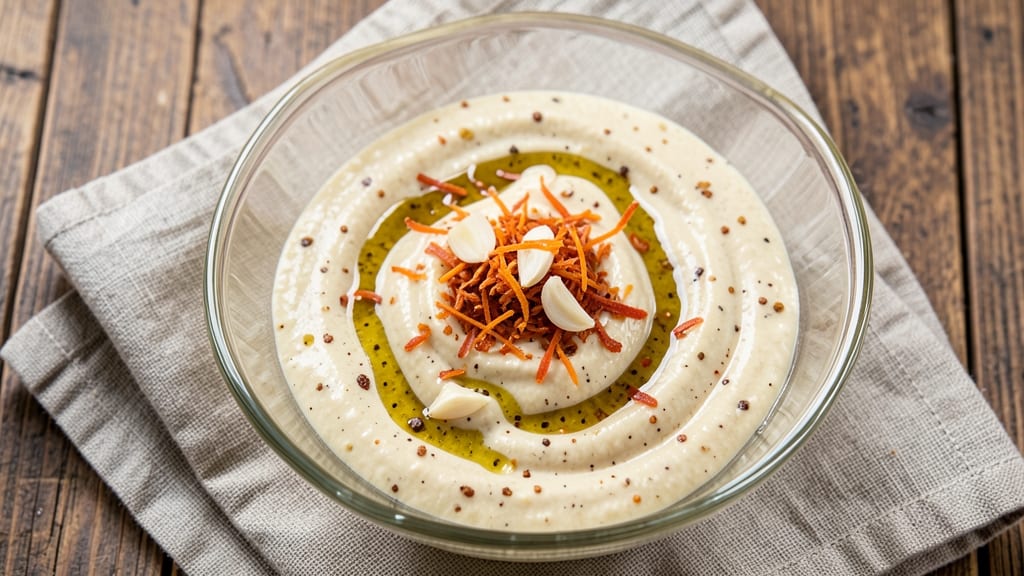
This Asiago salad dressing recipe transforms ordinary greens into a rich, nutty masterpiece that rivals Caesar dressing in depth and complexity.
The secret lies in blending sharp Asiago cheese with a velvety emulsion of olive oil, lemon juice, and Dijon mustard—creating a dressing that clings beautifully to leaves while delivering layers of umami and tang.
I developed this formula after years of perfecting restaurant-quality Caesar dressings at home, and it never fails to elevate simple salads into showstopping dishes.
The foundation of this dressing is a proper emulsion—Asiago cheese mixed with warm olive oil and lemon juice until completely dissolved, then slowly whisked into a creamy base. Dijon mustard acts as the natural emulsifier, ensuring the dressing stays smooth and cohesive without separating.
For an extra touch of sophistication, I add a splash of anchovy paste (optional but recommended) and fresh garlic for depth, while black pepper and a hint of Worcestershire sauce round out the flavor profile.
What sets this Asiago dressing apart is its versatility—it works as a standalone Caesar alternative, a creamy base for grain bowls, or even a drizzle over roasted vegetables. The nutty, slightly sweet notes of Asiago cheese create a luxurious mouthfeel that's far more complex than traditional ranch or vinaigrette.
Unlike store-bought versions, this recipe delivers a dressing that stays fresh for up to a week in the refrigerator, with flavors deepening as it sits.
For those who prefer a lighter touch, simply reduce the cheese by half and increase the lemon juice for brightness. The key to success lies in patience—allowing the cheese to fully melt into the oil ensures a silky texture without graininess.
This dressing is your secret weapon for transforming any salad into a restaurant-worthy meal.
Ingredients for asiago salad dressing
Nine ingredients blend into a luxurious dressing that turns salads into restaurant-worthy dishes.
| Ingredient | Amount | Notes |
|---|---|---|
| Shredded Asiago Cheese 🧀 | 1 cup | Freshly grated from block |
| Extra-Virgin Olive Oil 🫒 | 1 cup | High-quality, fruity variety |
| Fresh Lemon Juice 🍋 | ½ cup | Freshly squeezed, strained |
| Dijon Mustard 🍯 | 2 tbsp | Mild or hot, not prepared |
| Anchovy Paste 🐟 | 1 tbsp | Optional but recommended |
| Garlic Cloves 🧄 | 2 cloves | Fresh, minced or grated |
| Worcestershire Sauce 🍶 | 1 tbsp | Traditional or vegan version |
| Ground Black Pepper 🌶️ | ½ tsp | Freshly ground preferred |
| Diamond Crystal Kosher Salt 🧂 | ½ tsp | Adjust to taste |
| Warm Water 💧 | 2 tbsp | For thinning if needed |
The Asiago cheese is the star here. Grab a wedge from the deli counter—pre-shredded won't melt right. Whole Foods or local specialty stores often carry the best aged varieties, but any good-quality Asiago works. The olive oil should be extra-virgin with fruity notes—none of that cheap cooking oil. For the anchovies, I like Colavita or Branca brands, but any quality paste will do. Fresh garlic and lemon juice make all the difference, so don't cut corners here. If you're short on time, bottled lemon juice works, though fresh is ideal.
No anchovies? Skip them entirely or use a splash of soy sauce for umami. Short on Dijon? Yellow mustard at half the amount gets you close. The Worcestershire sauce is key for depth—Lea & Perrins is standard, but any good-quality version works. Want it lighter? Reduce cheese to 0.5 cup and add 2 tbsp more lemon juice. For a vegan version, swap the Worcestershire for vegan soy sauce plus a pinch of miso paste. The dressing should be thick but pourable—if it's too stiff, add warm water 1 tbsp at a time until smooth.
This dressing keeps beautifully. Store in an airtight jar in the fridge for up to 1 week, with flavors actually improving as it sits. For longer storage, freeze for up to 3 months—thaw in the fridge and stir before using. I always make extra—it disappears fast. The emulsion holds up perfectly, so no need to shake before each use. Perfect for Caesar salads, grain bowls, or drizzling over roasted veggies. Trust me, you'll want to make this weekly.
Why You'll Love This Recipe
- No Whisk Needed: I just toss everything—cheese, oil, lemon, mustard, and that little jar of anchovy paste—into a jar and shake. No measuring cups, no straining, no mess. The Asiago melts right into the oil like magic, and the anchovies dissolve into this rich, umami bomb.
- Salty-Sweet Magic: Honestly, the combo of sharp Asiago and salty anchovies with bright lemon? It’s like a flavor explosion. The Dijon mustard ties it all together—tangy, creamy, and just a little funky. Drizzle it on greens or toss it with pasta, and suddenly everything tastes chef’s kiss.
- Pantry Staple Power: Between us, I’ve used this on everything from grilled chicken to crusty bread. The dressing keeps for weeks in the fridge, and the ingredients? Most people already have them. No last-minute grocery runs—just open, shake, and go.
- Budget Boost: A tiny jar of anchovy paste goes a long way, and Asiago stretches further than fancier cheeses. I make a big batch, store it in the fridge, and use it all week. Leftovers? They’re just free flavor upgrades for next time. Smart, simple, and satisfying.
Step-by-step instructions for Asiago salad dressing
Here's how to blend this nutty, creamy dressing that'll take your Caesar salads to the next level.
Whisk Together the Base Ingredients
In a medium bowl, combine the 1 cup shredded Asiago cheese with the 1 cup extra-virgin olive oil and 0.5 cup fresh lemon juice. Use a whisk to blend everything until the cheese is completely dissolved and the mixture is smooth. I like to work in batches here—adding the cheese gradually prevents clumping and ensures you get that perfect creamy texture.
This is where the magic starts. The Asiago cheese needs time to fully emulsify with the oil and lemon juice. If you notice any cheese particles still visible after whisking, don't worry—it'll blend completely as you add the remaining ingredients. The lemon juice brightens the flavor and balances the richness of the cheese and oil.
Add the Flavor Boosters
Next, stir in the 2 tbsp Dijon mustard, 1 tbsp anchovy paste, and 2 cloves minced garlic. The anchovy paste might sound unusual, but it adds that deep, umami richness that makes this dressing stand out. I like to press the garlic through a garlic press for a fine texture—it blends better than minced pieces.
Add the 1 tbsp Worcestershire sauce and 0.5 tsp ground black pepper, then mix everything together until fully combined. The Dijon mustard helps emulsify the dressing while adding a subtle tang. The Worcestershire sauce ties all the flavors together, giving it that classic Caesar dressing depth. Taste as you go—you might want to adjust the salt at this point if your cheese wasn't pre-salted.
Season and Thin to Perfection
Add the 0.5 tsp Diamond Crystal kosher salt and taste the dressing. This is where you can make final adjustments—add a pinch more salt if needed, or a splash more lemon juice if it needs brightness. The dressing should be thick but pourable at this stage, similar to traditional Caesar dressing.
If it's too thick, gradually add the 2 tbsp warm water one tablespoon at a time while whisking continuously. You want it to coat the back of a spoon without being runny. The warm water helps thin it gently without breaking the emulsion. Once it reaches your desired consistency, give it one final whisk to ensure everything is perfectly combined.
Let It Rest and Mature
Cover the bowl and let the dressing rest at room temperature for at least 15 minutes. This resting period allows all the flavors to meld together and the dressing to come to its full potential. I know it's tempting to use it immediately, but trust me—this step makes a huge difference in the final taste.
After resting, give it one more taste. The flavors should be well-balanced with a perfect blend of nutty Asiago, tangy lemon, and savory anchovy. If you're using this for Caesar salad, it should have that rich, creamy texture that clings beautifully to romaine. Store any leftovers in an airtight container in the refrigerator for up to 5 days, giving it a quick whisk before each use.
Pro Tips For Making Asiago Salad Dressing
- Whisk in stages: Start with the mustard and anchovy paste—mix those first until smooth. Then drizzle in the olive oil slowly while whisking like you’re trying to paint a wall. The cheese goes in last, just to warm up and melt slightly without turning into a clump.
- Grate your own cheese: Store-bought Asiago shreds pack differently and absorb liquid weirdly. Grab a box of aged Asiago, toss it in the freezer for 10 minutes, then grate it yourself—it’ll be finer, drier, and way more flavorful. (Yes, even if you’re in a hurry.)
- Taste before the cheese: Mix the mustard, anchovy, olive oil, and lemon first, then taste it plain. The anchovy can sneak up on you—if it’s too strong, add a pinch more lemon or a splash of water to balance it before the cheese goes in.
- Save the anchovies: Skip the paste if you’re squeamish—just mash 1-2 fresh anchovies (or even a canned fillet) into the mustard with a fork. It dissolves better, gives a cleaner flavor, and you won’t end up with gritty bits in your dressing. (Trust me, you’ll notice the difference.)
Essential equipment for this recipe
Whisk Essentials
You don’t need anything fancy here—just a good-quality whisk with sturdy wire loops. I recommend the OXO Good Grips Balloon Whisk for its durable construction and comfortable handle, but any whisk with at least 6-8 inches of wire will work.
The key is to whisk vigorously to create that perfect emulsion—3-5 minutes of steady whisking ensures the Asiago cheese fully dissolves into the oil. 💛
Measuring Tools
Precision matters when balancing flavors. Use a liquid measuring cup for the olive oil and lemon juice to avoid spills, and a small kitchen scale if you want to measure the Asiago cheese by weight (about 113 grams for 1 cup).
For the Dijon mustard and Worcestershire sauce, a small spoon or measuring spoons works perfectly. I keep my OXO Stainless Steel Measuring Spoons handy—they’re durable and easy to read.
Cheese Grater
A box grater or microplane is essential for freshly shredding the Asiago cheese. Pre-shredded cheese won’t melt properly and can make your dressing grainy. I love the Microplane Classic Zester/Grater—it’s compact, easy to clean, and gives you perfectly fine shreds.
If you’re short on time, a handheld electric grater like the OXO Good Grips Box Grater speeds up the process without sacrificing quality.
Small Mixing Bowl
Choose a medium-sized mixing bowl (about 8-10 inches in diameter) to give your whisk enough room to work. Glass or stainless steel bowls are ideal—they’re non-reactive and easy to clean. I use my Corelle stoneware bowl because it’s sturdy and adds a touch of elegance to my prep station.
Avoid plastic bowls, as they can retain odors and may not hold up to vigorous whisking.
Optional: Immersion Blender
If you prefer a no-fuss approach, an immersion blender like the Ninja Foodi Immersion Blender can help emulsify the dressing smoothly. Simply blend the cheese and oil mixture directly in the bowl until fully combined.
This method is especially helpful if you’re making a large batch or have limited arm strength. Just be sure to pulse in short bursts to avoid splattering. ✨
Nutrition facts
Frequently asked questions
Can I make this Asiago dressing without anchovies?
Skip the anchovies or replace them with 1 tbsp soy sauce for umami depth. For a vegan version, use 1 tbsp vegan Worcestershire plus ½ tsp miso paste instead. The dressing will still be rich and creamy—just slightly less savory.
Why does my dressing separate after mixing?
Separation happens when the emulsion breaks, usually from not whisking long enough or adding ingredients too quickly. To fix it, whisk vigorously for 3-5 minutes to re-emulsify. For prevention, add the cheese gradually to the warm oil/lemon mixture while whisking continuously. A splash of Dijon mustard also helps stabilize the emulsion.
How can I use this dressing beyond salads?
This versatile dressing works as a creamy dip for crusty bread, a marinade for grilled chicken, or a sauce for pasta. Try drizzling it over roasted vegetables, using it as a base for grain bowls, or even as a sandwich spread. The nutty Asiago flavor pairs beautifully with tomatoes, avocado, and grilled meats.
Can I make this dressing ahead of time?
Yes! This dressing actually tastes better after resting. Store it in an airtight container in the fridge for up to 5 days, with flavors deepening as it sits. For longer storage, freeze for 3 months—thaw overnight in the fridge and whisk before using. The emulsion holds up perfectly, so no shaking required.
What's the best Asiago cheese for this recipe?
Use freshly grated aged Asiago cheese (not pre-shredded) for the best results. Look for Asiago d'Allevo or Asiago Stagionato at specialty stores—their nutty, slightly sweet flavor shines in this dressing. Avoid young Asiago (fresco), which is milder and may not emulsify as well.