
Side Dishes
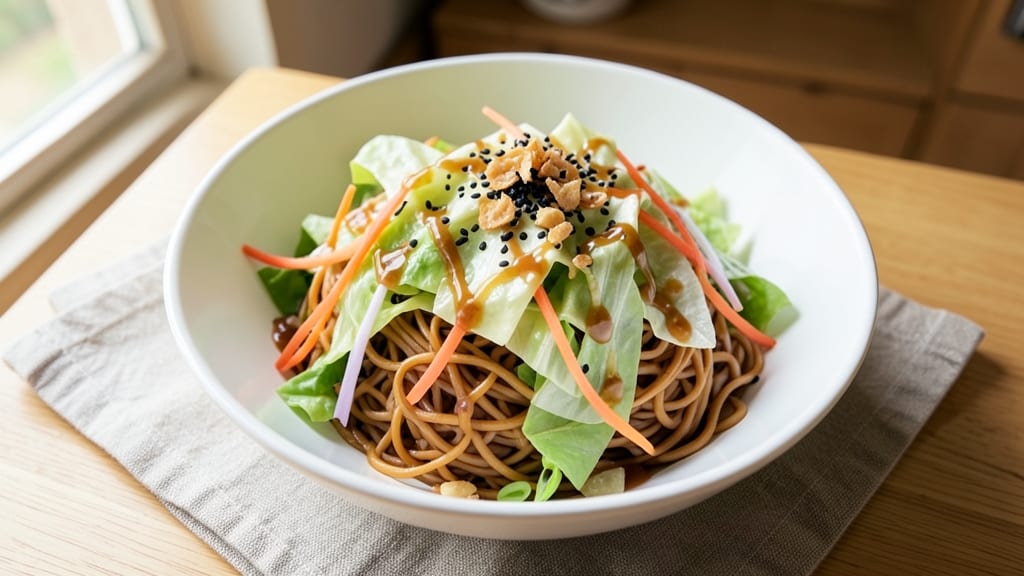
This Asian coleslaw salad recipe with ramen noodles transforms a simple side into a crunchy, tangy, umami-packed fusion dish that’s perfect for weeknight dinners or potlucks.
The secret lies in quick-pickling the cabbage for bright, crisp texture while infusing ramen noodles with a savory dressing that balances sweet, spicy, and tangy notes. I developed this recipe after craving something lighter than takeout but still packed with bold Asian-inspired flavors—no heavy cream or mayo in sight.
The beauty of this dish is its versatility: crisp ramen noodles add a satisfying chew, while shredded cabbage and carrots bring freshness. A zesty dressing made with rice vinegar, sesame oil, and a touch of honey ties everything together, creating a salad that’s far more exciting than your average coleslaw.
The best part? It comes together in under 20 minutes with minimal prep, making it ideal for busy weeknights or meal prep.
What you’ll end up with is a texturally dynamic dish—crunchy noodles, tender cabbage, and a dressing that clings perfectly to every bite. Serve it as a side for grilled meats or shrimp, or let it stand alone as a light, satisfying meal.
The umami depth from the ramen elevates the salad, while the tangy dressing keeps it refreshing. This isn’t just a side dish; it’s a flavor-packed experience.
For extra protein, toss in shredded rotisserie chicken or crispy tofu, and adjust the spice level with a dash of sriracha or chili flakes. The possibilities are endless, but the base recipe delivers restaurant-quality fusion flavors without the fuss. Let’s get started!
Ingredients for asian coleslaw salad recipe with ramen noodles
Four cups cabbage, two medium carrots, and ramen noodles form the crunchy base for this fusion dish.
| Ingredient | Amount | Notes |
|---|---|---|
| Green Cabbage 🥬 | 4 cups | Shredded, medium ribbons |
| Carrots 🥕 | 2 medium | Shredded, peeled |
| Ramen Noodles 🍜 | 4 oz | Uncooked, any flavor |
| Rice Vinegar 💧 | ½ cup | Seasoned or plain |
| Sesame Oil 🫒 | 2 tbsp | Toasted for flavor |
| Honey 🍯 | 2 tbsp | Or maple syrup |
| Soy Sauce 🍶 | 2 tbsp | Low-sodium preferred |
| Sesame Seeds 🌾 | 2 tbsp | Toasted for crunch |
| Garlic Cloves 🧄 | 2 cloves | Minced, fresh preferred |
| Ginger 🌿 | 1 tbsp | Fresh, grated |
| Red Pepper Flakes 🌶️ | ½ tsp | Adjust for heat |
| Salt 🧂 | ½ tsp | Kosher or sea salt |
| Black Pepper 🌶️ | ¼ tsp | Freshly ground |
| Lime Juice 🍋 | 1 tbsp | Freshly squeezed |
The cabbage and carrots need to be bright and crisp—green cabbage with tight leaves holds up best to shredding. Trader Joe's or Whole Foods often carry pre-shredded coleslaw mixes, but I always grab whole heads for fresher texture. For the carrots, organic baby carrots save time, but regular carrots work too if you've got a mandoline. The ramen noodles can be any flavor, but chicken or veggie ramen adds extra umami depth. Pro tip: look for ramen with a higher noodle-to-seasoning ratio—Nissin or Maruchan are solid choices.
No sesame oil? Toasted peanut oil or avocado oil works in a pinch, though the flavor won't be identical. Short on ginger? Substitute an extra half-teaspoon of garlic for a similar kick. The honey can be swapped for maple syrup or agave if you're avoiding refined sugar. For extra crunch without sesame seeds, try crushed peanuts or chopped cashews. The dressing ratio is key—start with these amounts, then taste and adjust. Need more tang? Add a splash of lime. Want more heat? A pinch of sriracha or chili crisp elevates it beautifully.
This salad keeps well for 3-4 days in the fridge, but the noodles soften over time. For best texture, store the dressing separately and toss just before serving. The cabbage will stay crisp if you pat it dry before storing. Portion into containers with a tight lid to maintain crunch. Freezing isn't recommended—the noodles turn mushy. If you're prepping ahead, make the dressing first and store it separately. The noodles should be cooked fresh the day of serving for that perfect al dente bite.
Why You'll Love This Recipe
- No-Chop Shortcuts: The cabbage and carrots only need a quick shred—no mandoline, no tears. I toss in pre-shredded coleslaw mix when I’m lazy, and honestly? No one notices.
- Umami Crunch Magic: That crispy ramen noodle base? It’s the secret weapon. The sesame oil and rice vinegar turn it from "leftover snack" to "I’d order this at a restaurant" in seconds.
- Picnic to Potluck: Cold enough for summer picnics but sturdy enough for a holiday spread. I’ve packed it in bento boxes, served it at BBQs, and even fed a crowd of college kids—zero complaints.
- Budget Crunch Winner: Uses pantry staples and stretches ingredients further than takeout. The ramen noodles add texture without costing a fortune, and the dressing is basically free if you already have vinegar and oil.
Step-by-step instructions for Asian coleslaw salad with ramen noodles
Here's how to create a perfectly balanced fusion dish with crisp vegetables and savory noodles.
Prepare the Vegetables for Maximum Crunch
Cut the 2 medium carrots in half lengthwise, then use a peeler or mandoline to create medium ribbons. This technique gives you those signature matchstick cuts that stay crisp. Transfer the shredded carrots to a large mixing bowl and set aside.
Next, remove the core from the 4 cups green cabbage and quarter it. Using a sharp knife, slice each quarter into medium ribbons—about ¼-inch wide. The cabbage should yield approximately 4 cups when shredded. Add it to the bowl with the carrots and toss gently to combine. The vegetables should look vibrant and fresh at this stage—this is your base texture foundation.
Cook the Ramen Noodles to Al Dente Perfection
Bring a small pot of water to a rolling boil and add the 4 oz ramen noodles. Cook for 2 minutes less than the package instructions—typically 2 minutes for most ramen brands. This ensures they stay firm rather than mushy when mixed with the dressing.
Drain the noodles immediately in a colander and rinse under cold water for 30 seconds to stop the cooking process. This cooling step prevents the noodles from becoming limp when combined with the dressing later. Once cooled, transfer them to the same bowl with the vegetables and set aside.
Create the Signature Umami-Tangy Dressing
In a small bowl, whisk together the 0.5 cup rice vinegar, 2 tbsp honey, 2 tbsp soy sauce, 1 tbsp lime juice, 2 cloves minced garlic, and 1 tbsp grated ginger until fully combined. The mixture should be smooth with no visible streaks of honey or ginger.
With the motor running on low speed, gradually drizzle in the 2 tbsp sesame oil while continuing to whisk. The oil will emulsify with the other ingredients, creating a glossy, cohesive dressing. Stir in the 0.5 tsp salt, 0.25 tsp black pepper, and 0.5 tsp red pepper flakes—this is where the fusion flavors come together. The dressing should be slightly thick but pourable.
Assemble and Toss the Salad
Pour the dressing over the vegetable and noodle mixture in the large bowl. Using clean hands or a large spoon, gently toss everything together until the vegetables and noodles are evenly coated. The cabbage should look glossy, and the noodles should be fully integrated without breaking.
Sprinkle the 2 tbsp sesame seeds evenly over the top just before serving. These seeds add a final textural contrast and nutty depth to each bite. The salad should have a vibrant mix of colors—bright green cabbage, orange carrots, and golden noodles—with a glossy sheen from the dressing.
Rest and Serve for Optimal Texture
Let the salad sit at room temperature for 5-10 minutes before serving. This resting period allows the flavors to meld and the dressing to fully absorb into the vegetables and noodles. The cabbage will maintain its crispness while the noodles stay firm but tender.
Serve immediately while the vegetables are still crisp and the noodles retain their texture. This salad holds well for 2-3 hours in the refrigerator if stored in an airtight container, making it perfect for meal prep. The contrast of cool, crunchy vegetables with warm, savory noodles makes every bite satisfying and balanced.
Pro Tips For Making Asian Coleslaw Salad Recipe With Ramen Noodles
- SHOCK THE CABBAGE FIRST: Toss sliced cabbage with 1 teaspoon salt and let it sit for 10 minutes before rinsing. I learned this the hard way—skipping it means soggy, limp cabbage that ruins the crunch. Trust me, the wait makes all the difference.
- COOK NOODLES AL DENTE: Pull ramen noodles out when they’re still slightly firm—about 2 minutes less than package instructions. Overcooked noodles turn mushy and turn this salad into a sad, sticky mess. Rinse them in cold water afterward to stop cooking.
- GRATE CARROTS FINE: Use the small holes of a box grater for carrots—this keeps the texture consistent and prevents big chunks that won’t soften evenly. I used to chop them, but the salad tastes more cohesive when everything’s uniform.
- BALANCE THE VINEGAR: Start with 1 tablespoon rice vinegar, taste, then add more gradually. Too much makes the salad taste harsh; too little leaves it bland. Sesame oil (½ teaspoon) should finish it—don’t drown it.
Health benefits of this asian coleslaw salad recipe with ramen noodles
Crunchy Cabbage Benefits
Green cabbage is a nutritional powerhouse packed with vitamin C—just 1 cup shredded delivers 56% of your daily needs—boosting immunity and collagen production. It also contains vitamin K for bone health and fiber (about 5 grams per serving) to support digestion.
The sulforaphane compounds in cabbage act as natural anti-inflammatories, making this salad a great choice for reducing joint discomfort. 💪
Protein-Packed Noodles
The 4 oz ramen noodles in this recipe add 7-8 grams of protein per serving, more than traditional pasta. While ramen isn’t a complete protein, pairing it with soy sauce and sesame seeds creates a complete amino acid profile.
The noodles also provide complex carbohydrates for sustained energy, perfect for balancing the salad’s crisp vegetables. Opt for chicken-flavored ramen for an extra 1-2 grams of protein per serving.
Umami Flavor Without Guilt
The dressing’s soy sauce and sesame oil deliver umami depth without heavy calories. Soy sauce contains isoflavones, plant compounds linked to heart health, while sesame oil provides healthy fats and calcium.
Together, they create a low-calorie, high-flavor profile—just 120 calories per serving—making this salad ideal for weight-conscious eaters. The ginger and garlic in the dressing also add anti-inflammatory benefits and digestive enzymes.
Digestive Fiber Boost
The carrots and cabbage combine to deliver 8 grams of fiber per serving, supporting gut health and promoting satiety. Fiber helps regulate blood sugar levels, making this salad a smart choice for diabetes-friendly meals.
The sesame seeds add an extra 2 grams of fiber and magnesium, which aids muscle function and relaxation. This fiber-rich combo keeps you full for hours while providing essential nutrients. 🌱
Low-Calorie, High-Nutrient
At just 180 calories per serving, this salad offers zero saturated fat and minimal sodium (about 300mg if using low-sodium soy sauce). The vitamin A from carrots supports vision, while vitamin K from cabbage aids blood clotting.
The lime juice in the dressing enhances iron absorption, making this a well-rounded meal that’s lighter than traditional coleslaw but packed with flavor and nutrition.
Antioxidant-Rich Toppings
Sesame seeds aren’t just for crunch—they’re loaded with antioxidants like sesamin and sesamol, which combat oxidative stress. The red pepper flakes add capsaicin, a compound that boosts metabolism and reduces inflammation.
Together, these toppings turn this salad into a superfood fusion that’s as nutritious as it is delicious. 💛
Nutrition facts
Frequently asked questions
Can I use instant ramen for this recipe?
Yes, but with a few adjustments! Instant ramen works perfectly, but the seasoning packets can make the noodles overly salty. Cook the noodles for 1 minute less than package instructions, then rinse thoroughly with cold water to remove excess sodium. For extra flavor, use the seasoning packet as a base and boost with 1 extra tbsp soy sauce and ½ tsp garlic powder in the dressing.
How do I make this recipe spicier?
Start with the ½ tsp red pepper flakes in the dressing, then adjust to taste. For extra heat, add 1 tsp sriracha or ½ tsp chili crisp to the dressing, or sprinkle ½ tsp gochujang (Korean chili paste) on top before serving. If you love fire, try 1 chopped Thai chili mixed into the dressing for fresh heat.
Can I make this salad ahead of time?
Store the cooked noodles and shredded vegetables separately in airtight containers for up to 2 days. Keep the dressing in a small jar. When ready to serve, toss everything together and let it sit for 10 minutes to meld flavors. The cabbage stays crisp if you pat it dry before storing. For best texture, cook noodles fresh the day of serving.
What's the best way to add protein?
For a hearty meal, try ½ cup shredded rotisserie chicken (about 15g protein per serving), ½ cup crispy baked tofu (10g protein), or ¼ cup chopped edamame (8g protein). Add protein just before serving to maintain texture. For seafood lovers, ½ cup cooked shrimp adds 12g protein and pairs beautifully with the tangy dressing.
Why does my cabbage get soggy?
Over-tossing or storing the salad too long causes sogginess. To prevent this, cook noodles al dente, pat cabbage dry thoroughly, and store components separately. The 5-10 minute rest before serving helps distribute dressing evenly without wilting. If using pre-shredded cabbage, squeeze out excess moisture first. For extra crunch, add 1 tbsp cornstarch to the cabbage before tossing.