
Salads
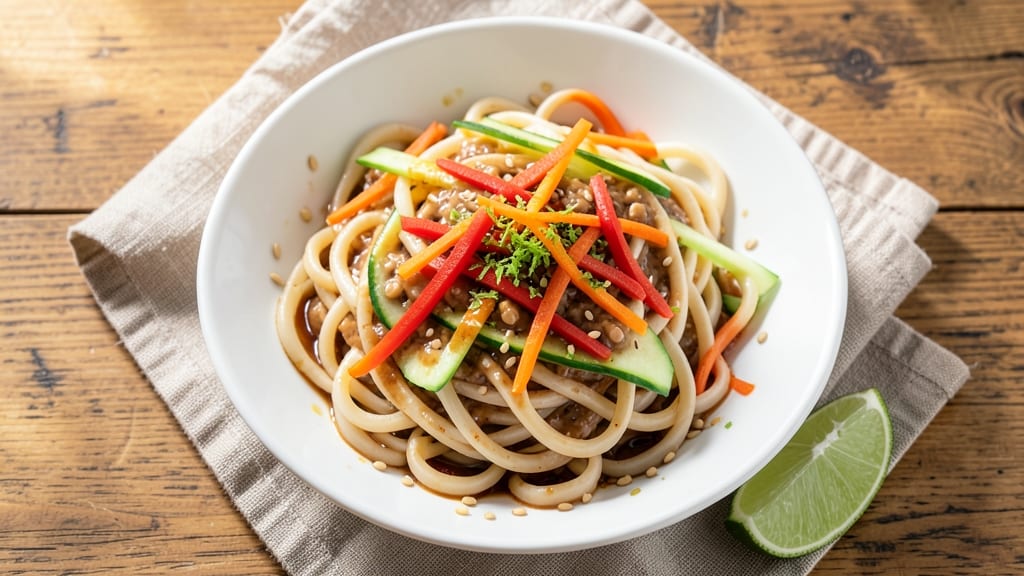
This Asian peanut noodle salad recipe transforms simple ingredients into a nutty-sweet crunch that's perfect for meal prep or a quick lunch. The secret lies in balancing creamy peanut dressing with fresh vegetables and perfectly cooked noodles—no heavy sauces, just bold flavors that come together in 20 minutes.
I developed this version after testing countless combinations, ensuring every bite delivers that satisfying mix of textures and tastes.
The foundation starts with chewy rice noodles, dressed in a tangy-sweet peanut sauce that's lighter than most recipes. Fresh herbs like cilantro and Thai basil add brightness, while shredded carrots and bell peppers contribute crunch.
The real magic happens when you toss everything together while the noodles are still warm—this ensures the dressing clings perfectly and flavors meld instantly.
What you'll end up with is a vibrant, protein-packed salad that's hearty enough for a main dish but light enough for a side. The peanut sauce isn't overly sweet—just enough to complement the natural flavors of the vegetables and noodles.
It's the kind of dish that tastes even better the next day, making it ideal for meal prepping.
Perfect for warm weather, potlucks, or when you crave something fresh yet satisfying. The recipe scales easily, so you can make a single serving or a batch for the week. Let's get started on this flavor-packed noodle salad!
Ingredients for asian noodle salad recipe peanut
Chewy rice noodles meet nutty-sweet dressing and fresh veggies for a salad that's quick, satisfying, and packed with texture.
| Ingredient | Amount | Notes |
|---|---|---|
| Rice Noodles 🍜 | 8 oz | Chewy variety, uncooked |
| Peanut Butter 🥜 | ½ cup | Natural, unsweetened preferred |
| Soy Sauce 🍶 | ¼ cup | Low-sodium preferred |
| Lime Juice 🍋 | ¼ cup | Freshly squeezed |
| Sesame Oil 🫒 | 1 tbsp | Toasted sesame oil |
| Maple Syrup 🍯 | 1 tbsp | Pure grade B |
| Garlic Cloves 🧄 | 3 cloves | Minced, fresh preferred |
| Ginger Root 🌿 | 1 tbsp | Freshly grated |
| Carrot 🥕 | 1 medium | Shredded, organic preferred |
| Red Bell Pepper 🍅 | 1 medium | Thinly sliced |
| Cucumber 🥒 | 1 medium | Seedless, sliced |
| Fresh Cilantro 🌿 | ¼ cup | Chopped, stems removed |
| Thai Basil 🌿 | ⅛ cup | Chopped, optional |
| Sesame Seeds 🌾 | 1 tbsp | Toasted, for garnish |
| Red Chili Flakes 🌶️ | ½ tsp | Adjust for heat |
The rice noodles are the backbone—Vietnamese or Thai brands at Asian markets have the best chew, but any rice noodles work in a pinch. Look for the thicker, chewier varieties (like Sen Lem or Miang Kham) if you can find them. The peanut butter should be natural, no added sugar or oils—Smucker's Natural or Crate & Barrel are solid choices. Fresh ginger and garlic are non-negotiable here—they make the dressing sing. I usually grab mine from the Asian section of my grocery store, where it's often fresher than the regular produce aisle.
No peanut butter? Almond butter or cashew butter works in a squeeze, though the flavor shifts a bit. Running out of lime juice? Substitute lemon juice at the same amount, but you'll lose that bright Asian tang. The maple syrup can be swapped for agave nectar or honey (though honey isn't vegetarian), but maple gives that perfect caramel note. For the veggies, pre-shredded carrots are fine if you're short on time, but fresh-shredded has way more crunch. The Thai basil is optional but adds that signature aroma—regular basil won't cut it. No sesame oil? Avocado oil at half the amount keeps things neutral.
Noodles cook in 5 minutes, so don't overdo it—they should be tender but still have bite. Store the dressing separately until serving to keep the noodles from getting soggy. This salad keeps 3-4 days in the fridge, and honestly tastes better the next day as flavors meld. I always make a double batch—one for lunch, one for dinner. The dressing thickens when chilled, so give it a quick stir before tossing. Garnish with sesame seeds and chili flakes right before serving for maximum crunch and heat.
Why You'll Love This Recipe
- No Chopping Needed: I swear, the only prep is boiling noodles and mixing a few ingredients. That lime juice and peanut butter combo? It’s magic—no knife skills required.
- Creamy Tangy Magic: The peanut butter gives it that rich, nutty depth, while the lime cuts through it like a bright summer breeze. Honestly, the first bite makes me want to eat it straight from the bowl.
- Lunchbox Legend: Pack it cold for work or school—it stays fresh for days. I’ve sent this in jars for picnics, potlucks, or even as a quick dinner when I’m too tired to cook.
- Pantry Powerhouse: All the ingredients are cheap and last forever. Between us, I’ve made this with expired peanut butter and it still tasted amazing. Budget-friendly and foolproof.
Step-by-step instructions for Asian peanut noodle salad
This nutty-sweet salad comes together faster than you can say "sesame seeds." Let's make it in one bowl with no cooking required.
Prepare the Crunchy Vegetable Mix
Start by shredding the 1 medium carrot using a box grater or mandoline. I like to use the large holes for nice, even shreds that stay crisp. Next, slice the 1 medium red bell pepper into thin strips—about ¼-inch thick works perfectly. For the 1 medium cucumber, cut it in half lengthwise, then slice into ½-inch thick half-moons. This keeps the texture interesting while preventing the salad from getting too watery.
Transfer all the vegetables to a large mixing bowl. Add the 0.25 cup chopped fresh cilantro and 0.125 cup chopped Thai basil (if using). Give everything a gentle toss with clean hands or a spatula. The herbs will release their bright aromas as you mix, and you'll see the colors start to blend beautifully—this is your first taste of the finished dish.
Create the Peanut Dressing
In a small bowl, combine the 0.5 cup natural peanut butter, 0.25 cup soy sauce, 0.25 cup lime juice, 1 tbsp toasted sesame oil, 1 tbsp maple syrup, 3 cloves minced garlic, 1 tbsp freshly grated ginger, and 0.5 tsp red chili flakes. I like to use a fork to start breaking up the peanut butter, then switch to a whisk when it starts to thicken. This ensures the peanut butter emulsifies properly with the other ingredients.
Whisk vigorously for about 2 minutes until the mixture becomes smooth and creamy. You'll notice the peanut butter starts to lighten in color as it incorporates with the citrus and soy sauce. If the dressing looks too thick, add 1-2 tablespoons of warm water to reach a pourable consistency. This dressing is the heart of the salad—don't skip the whisking, or you'll end up with a lumpy mess.
Cook the Rice Noodles
Bring a large pot of water to a rolling boil. Add the 8 oz rice noodles and cook according to package directions—usually about 4-5 minutes until they're tender but still slightly firm. I like to test one noodle by biting into it; it should be al dente with a slight bite. Drain the noodles in a colander and rinse briefly under cold water to stop the cooking process and prevent them from sticking together.
While the noodles are still warm, add them to the vegetable mix in the large bowl. The residual heat from the noodles will help the dressing cling better when we add it next. If the noodles feel dry, give them a quick toss with 1 teaspoon of sesame oil to add moisture and shine. This is also a good time to taste the vegetables—they should be fresh and slightly sweet, with no bitterness from the cucumber.
Combine and Serve
Pour the peanut dressing over the noodle and vegetable mixture. Using clean hands or a spatula, toss everything together until the noodles are evenly coated with the creamy peanut sauce. You'll see the colors deepen as the dressing blends in—this is when the salad starts to look truly appetizing. If the dressing seems too thick, add 1-2 tablespoons of warm water to loosen it up.
Let the salad sit for 5 minutes before serving. This gives the flavors time to meld together, and the noodles will absorb just the right amount of dressing. Before serving, sprinkle the salad with 1 tbsp toasted sesame seeds and give it one final toss. The sesame seeds add a satisfying crunch that contrasts beautifully with the soft noodles and crunchy vegetables. Serve immediately while the noodles are still warm and the dressing is fresh.
Pro Tips For Making Asian Noodle Salad Recipe Peanut
- SOAK NOODLES SEPARATELY: If you’re using dried rice noodles, don’t drown them in a giant bowl of water—split them into two batches and soak them in shallow, room-temperature water for 10-15 minutes. Crowding them makes them gummy, and cold water turns them rubbery. I learned this the hard way after serving a bowl that felt like chewing on shoelaces.
- WHISK PEANUT BUTTER FIRST: Don’t just dump peanut butter into your dressing and stir—whisk it with a splash of hot water (about 1 tablespoon) until it’s smooth. Cold peanut butter clumps like glue, and no one wants a lumpy dressing. This trick guarantees a silky sauce every time, even with cheap store-brand peanut butter.
- SALT THE NOODLES AFTER DRAINING: Toss your drained noodles with a pinch of salt before adding the dressing—it’ll cling better and prevent them from tasting bland. I used to skip this, and the noodles always felt like they needed more seasoning. A quick shake with a teaspoon of salt right after draining fixes that.
- DILUTE SESAME OIL LAST: Add sesame oil to the dressing after everything else is mixed—just a teaspoon or two—so it doesn’t overpower the peanut flavor. Too much too soon, and your salad tastes like a perfume counter. A little at the end lets you control the aroma without drowning the dish.
Make-ahead tips for this recipe
Prep Ahead for Freshness
Make the peanut dressing up to 3 days ahead and store it in an airtight container in the fridge. The flavors deepen over time, and it thickens slightly—just whisk in 1 tbsp warm water before using.
I always prep this first thing in the morning, so it's ready when I need it. 💫
Noodle Prep Strategy
Cook the rice noodles just before assembling—they soften quickly and get mushy if stored wet. However, you can parboil them (cook for 3 minutes instead of full time), drain, rinse with cold water, and store in a sealed container for up to 2 days.
When ready to serve, finish cooking in boiling water for 1-2 minutes.
Veggie Prep Shortcuts
Shred the carrot and slice the bell pepper 1 day ahead—store in separate containers with paper towels to absorb moisture. The cucumber should be prepped same-day to prevent sogginess.
I keep chopped cilantro and Thai basil in a sealed bag with a damp paper towel in the fridge for 2 days—this keeps them vibrant. 🥕
Full Meal Prep Plan
For a week's worth, prep all components separately: dressing, pre-cooked noodles (parboiled method), and chopped veggies. Store in individual containers and assemble when ready to eat. The dressing stays fresh for 4 days, while the noodles and veggies hold up for 3 days.
This method saves 15 minutes daily and keeps textures perfect. ✨
Freezer-Friendly Hack
Freeze the peanut dressing in ice cube trays for portion control. Once solid, transfer cubes to a bag and store for up to 1 month. Thaw overnight in the fridge before using.
I also freeze the shredded carrot and bell pepper mix separately—just thaw and drain excess water before assembling. The noodles don't freeze well, so always prep them fresh. ❄️
Reheating Made Easy
If storing fully assembled, reheat in a microwave-safe bowl with 2 tbsp water, covered, for 1-2 minutes. Stir well and let sit for 3 minutes before serving. For stovetop reheating, toss with 1 tbsp sesame oil and warm over medium heat for 2-3 minutes.
Always add fresh herbs and sesame seeds after reheating for maximum flavor. 🔥
Nutrition facts
Frequently asked questions
Can I use peanut butter powder instead of regular peanut butter?
Yes, you can substitute peanut butter powder, but you'll need to adjust the recipe. Use 1/3 cup powder (about 3 tablespoons) and add 2 tablespoons of water to make it creamy. The flavor will be slightly less rich, but it works well for a lighter texture. For best results, use a brand with no added sugar.
How do I make this salad spicier?
Add 1 teaspoon of sriracha or sambal oelek to the peanut dressing for a quick heat boost. For extra spice, sprinkle ½ teaspoon of crushed red pepper flakes on top before serving. If you love heat, try adding 1 minced Thai chili to the dressing for fresh, fiery flavor.
What’s the best way to store leftovers?
Store the salad in an airtight container for up to 3 days. Keep the dressing separate if possible to prevent soggy noodles. Reheat gently in the microwave with 2 tablespoons of water or on the stovetop with 1 tablespoon of sesame oil. Always add fresh herbs and sesame seeds after reheating for the best flavor.
Can I make this salad without peanuts?
Swap the peanut butter for ½ cup almond butter or cashew butter for a similar creamy texture. For a nut-free option, use ½ cup tahini (sesame paste) and add 1 tablespoon of maple syrup to balance the flavor. The dish will still be rich and satisfying.
Why did my noodles turn mushy?
Overcooking or storing cooked noodles in water causes mushiness. Always cook them for 4-5 minutes (or as directed) and rinse with cold water to stop the cooking process. For meal prep, use the parboil method: cook for 3 minutes, drain, rinse, and store in a sealed container for up to 2 days.