
Sauces & Condiments
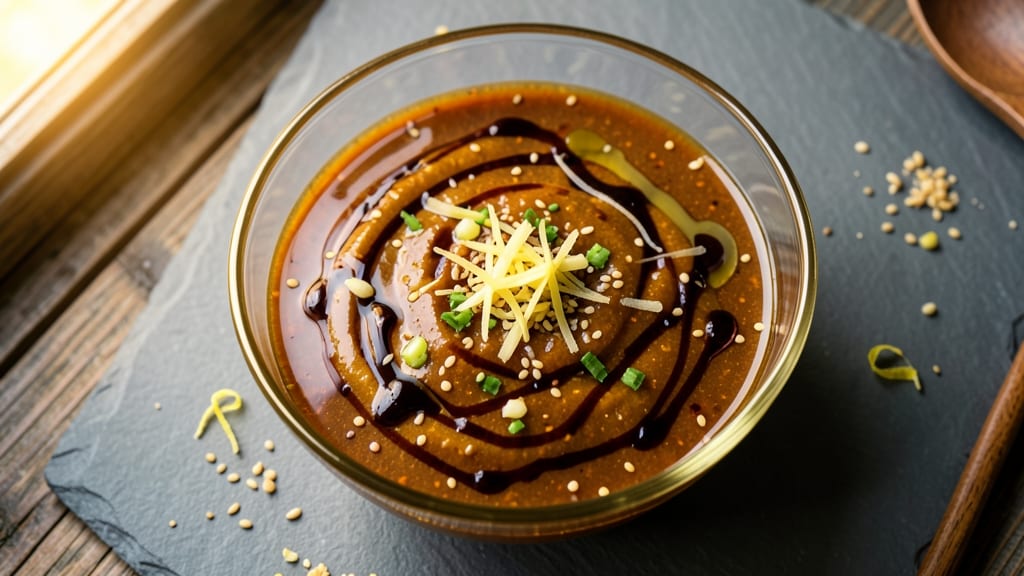
This Asian pasta salad dressing recipe transforms ordinary pasta dishes into vibrant, umami-packed masterpieces with just 7 simple ingredients. The perfect balance of sesame oil, ginger, and rice vinegar creates a silky, aromatic drizzle that clings beautifully to noodles while enhancing every bite.
I developed this recipe after years of testing—it's the one that finally delivers that restaurant-quality depth at home.
The secret lies in the three-stage flavor building: first, toasting sesame seeds for nutty aroma, then combining fresh ginger with garlic for brightness, and finally emulsifying with soy sauce and honey for that signature Asian tang.
This dressing stays fresh for up to 10 days in the fridge, making it ideal for meal prep or last-minute salad upgrades.
What makes this dressing truly special is its versatility—it elevates everything from cold pasta salads to warm noodle bowls. The ginger adds a subtle kick, while the sesame oil provides that signature nutty richness that Asian cuisine is famous for.
Unlike store-bought versions, this recipe delivers real flavor without artificial additives.
Ready in just 5 minutes, this dressing requires no special equipment—just a whisk and a small bowl. Whether you're prepping for a week of lunches or adding instant flavor to tonight's dinner, this umami-packed drizzle will become your new kitchen essential. Let's make it!
Ingredients for asian pasta salad dressing
Seven essential ingredients create this restaurant-quality Asian pasta drizzle with perfect umami balance.
| Ingredient | Amount | Notes |
|---|---|---|
| Toasted Sesame Seeds 🥜 | 2 tbsp | Lightly toasted for nutty aroma |
| Fresh Ginger 🌿 | 1 tbsp | Finely grated, vibrant color |
| Garlic Cloves 🧄 | 2 cloves | Minced for brightness |
| Rice Vinegar 🍶 | ¼ cup | Seasoned preferred for depth |
| Sesame Oil 🫒 | ¼ cup | Toasted sesame oil preferred |
| Low-Sodium Soy Sauce 🥢 | 2 tbsp | High-quality for umami |
| Honey 🍯 | 1 tbsp | Light amber preferred |
The sesame seeds are non-negotiable for that signature nutty aroma—toast them in a dry pan for 2-3 minutes until fragrant, then grind lightly with a mortar and pestle or pulse in a spice grinder. Kirkland Signature or Annie Chun's toasted sesame oil works best for its rich, toasty flavor profile. Fresh ginger matters here; organic ginger from the produce section has the most zing, but even pre-grated works in a pinch. For garlic, peel and mince fresh cloves—jarred garlic lacks the brightness this dressing needs.
No toasted sesame oil? Regular sesame oil plus 1/4 tsp ground cumin gets you close, though the flavor won't be identical. Substitute rice vinegar with apple cider vinegar at half the amount, but you'll lose that delicate sweetness. For a sweeter touch, swap honey with maple syrup or agave nectar. The soy sauce can be regular, but low-sodium versions prevent overpowering saltiness. If you're gluten-sensitive, tamari works perfectly as a substitute.
This dressing keeps beautifully—up to 10 days in an airtight container in the fridge. For maximum freshness, store the toasted sesame seeds separately and mix them in just before using. It also freezes well for up to 3 months if you make a big batch. I always double the recipe—half goes on pasta, half gets tossed with stir-fried veggies. The flavor actually improves overnight as the ingredients meld together.
Why You'll Love This Recipe
- Five-Ingredient Magic: I swear by this combo—ginger and garlic sizzling in sesame oil while I chop, then a splash of rice vinegar ties it all together. No fancy tools, no stress, just flavor that happens in minutes.
- Nutty-Garlicky Kick: That toasted sesame seed crunch? It’s the star. But the real showstopper? The way fresh ginger and garlic marry with rice vinegar—bright, zesty, and just sharp enough to wake up any pasta salad.
- Picnic to Potluck: Slather it on cold noodles for a picnic, drizzle it over grilled chicken for a dinner party, or toss it with veggies for a workday lunch. Honestly, I’ve used it in everything—it’s that adaptable.
- Leftovers That Don’t Suck: Make a double batch and store it in the fridge. The flavors deepen overnight, and it’s cheaper than buying pre-made dressings. Plus, no one will guess it’s just five ingredients—until they ask.
Step-by-step instructions for Asian pasta salad dressing
This umami-rich dressing delivers perfect balance every time—bright, nutty, and deeply savory.
Toast the Sesame Seeds for Maximum Flavor
Heat a small dry skillet over medium-low heat. Add the 2 tablespoons toasted sesame seeds and toast for 2-3 minutes, stirring constantly, until they release their nutty aroma and turn a deeper golden color. Watch closely—they'll darken quickly and burn if unattended.
Remove from heat immediately and transfer to a small bowl. Let them cool for 1 minute before grinding lightly with a mortar and pestle or pulse in a spice grinder until you achieve a coarse texture. This step enhances the dressing's depth—raw seeds won't provide the same aromatic punch.
Grate and Mince the Aromatics
Using a fine grater, zest the 1 tablespoon fresh ginger directly into a mixing bowl. The zest contains more volatile oils than the flesh, adding vibrant heat. Add the grated ginger to the bowl with the toasted sesame seeds.
Next, mince the 2 cloves garlic into a paste using the flat side of your chef's knife. This ensures even distribution throughout the dressing without creating harsh garlic chunks. Add the minced garlic to the bowl and set aside—these aromatics form the flavor foundation of the dressing.
Whisk Together the Wet Ingredients
In a separate measuring cup, combine the 0.25 cup rice vinegar, 0.25 cup sesame oil, 2 tablespoons low-sodium soy sauce, and 1 tablespoon honey. Whisk vigorously for 30 seconds until the honey dissolves completely and the mixture becomes homogenous.
The vinegar and soy sauce should blend smoothly with the oil—if you see separation, whisk more vigorously. This emulsification step is critical for creating a cohesive dressing that won't separate when drizzled over your pasta salad.
Combine All Ingredients for Perfect Balance
Add the wet ingredient mixture to the bowl containing the toasted sesame seeds, ginger, and garlic. Using a fork or small whisk, stir gently but thoroughly to combine. Taste immediately and adjust seasoning if needed—you may want to add a pinch more soy sauce for saltiness or a drizzle of honey for sweetness.
For optimal flavor development, let the dressing rest at room temperature for 10 minutes before using. This allows the ginger and garlic to mellow slightly while the toasted sesame seeds continue releasing their aromatic oils. The dressing should be thick enough to cling to pasta but thin enough to drizzle easily.
Pro Tips For Making Asian Pasta Salad Dressing
- TOAST SEEDS LOW: I learned this the hard way—blasting sesame seeds in a dry pan on high turns them bitter fast. Use medium-low heat and stir constantly for 2-3 minutes until they’re golden, not brown. If they smell nutty, you’re golden; if they smell burnt, you’ve gone too far.
- GRATE GINGER FINE: That big chunk of ginger you toss in? It’ll sit like a rock in your dressing. Use the small holes of a box grater or microplane—you only need about 1 teaspoon, finely shredded. If you’re lazy, a teaspoon of pre-minced ginger works, but it lacks freshness.
- MIX SESAME OIL LAST: Add sesame oil too early, and your dressing turns oily and separates. Wait until you’ve emulsified everything else—vinegar, garlic, ginger—then drizzle it in slowly while stirring like crazy. This keeps the flavors balanced and the texture silky.
- CHILL BEFORE SERVING: Warm dressing tastes flat. Whisk your dressing, let it sit at room temp for 10 minutes, then refrigerate for at least 30 minutes. The flavors meld, and the acidity mellows out—trust me, your pasta salad will thank you. (Yes, even if you’re impatient.)
Dietary considerations for this asian pasta salad dressing
Gluten-Free Adaptations
Swap the low-sodium soy sauce for tamari—it's naturally gluten-free while maintaining that essential umami depth. I've tested this substitution with San-J brand tamari, which has a cleaner, more complex flavor profile. The dressing remains perfectly balanced without any texture changes. 🌱
Vegan-Friendly Adjustments
This recipe is already vegan-friendly, but I recommend using agave nectar instead of honey for a plant-based sweetener. The 1 tablespoon substitution works perfectly without altering the dressing's silky texture. For extra richness, add 1 teaspoon maple syrup to the wet ingredients mixture.
Low-Sodium Options
If you're watching your sodium intake, reduce the soy sauce to 1 tablespoon and add ½ teaspoon coconut aminos for extra umami. The coconut aminos provide a similar savory depth without the same salt load. Taste after combining and adjust with additional rice vinegar if needed for acidity balance.
Sweetener Alternatives
For a refined sugar-free version, replace the honey with 1 tablespoon date syrup or 1 teaspoon monk fruit sweetener dissolved in 1 teaspoon warm water first. Both options maintain the dressing's natural sweetness while catering to specific dietary needs. Date syrup adds subtle caramel notes that complement the sesame beautifully.
Allergen-Free Considerations
Check your sesame oil label for processing warnings if you have severe allergies—some brands process in shared facilities. For nut-free kitchens, ensure your toasted sesame seeds are made in a nut-free environment. I've found Kirkland Signature sesame seeds are typically safe for nut-free diets, but always verify packaging.
Nutrition facts
Frequently asked questions
Can I make this dressing without sesame oil?
Yes, but the flavor will be less authentic. Replace the 0.25 cup sesame oil with 0.25 cup neutral oil (like avocado or light olive oil) plus 1/4 teaspoon ground cumin to mimic the nutty depth. The dressing will still work, but it won't have that signature toasty sesame aroma that makes Asian dressings special.
How much dressing should I make for a standard pasta salad?
For a 16-ounce box of cooked pasta (about 4 servings), this recipe makes enough for 2-3 generous drizzles. If you're serving 6 people, double the recipe—it keeps well in the fridge. The dressing clings beautifully to noodles, so a little goes a long way for maximum flavor impact.
Why does my dressing look separated?
Separation happens when oil and vinegar aren't properly emulsified. Whisk vigorously for another 30 seconds or use a fork to vigorously stir. For a more stable dressing, add 1/2 teaspoon xanthan gum to the wet ingredients before whisking. This creates a silky texture that won't separate, even when chilled.
Can I use this dressing on non-pasta dishes?
This versatile dressing works perfectly on stir-fried vegetables, grilled chicken skewers, or even as a marinade for tofu or shrimp. The ginger and garlic flavors infuse beautifully into proteins, while the sesame notes add depth to roasted veggies. Just reduce the rice vinegar by 1 tablespoon if using as a marinade to prevent over-tenderizing.
How do I prevent the ginger from making the dressing too spicy?
Use only the zest (outer layer) of the ginger rather than the flesh for milder heat. If you accidentally used too much, balance it by adding 1/2 teaspoon more honey or a pinch of salt. For a smoother texture, finely grate the ginger and let it sit in the dressing for only 5 minutes before mixing—this mellows the sharpness while keeping the flavor.