Side Dishes
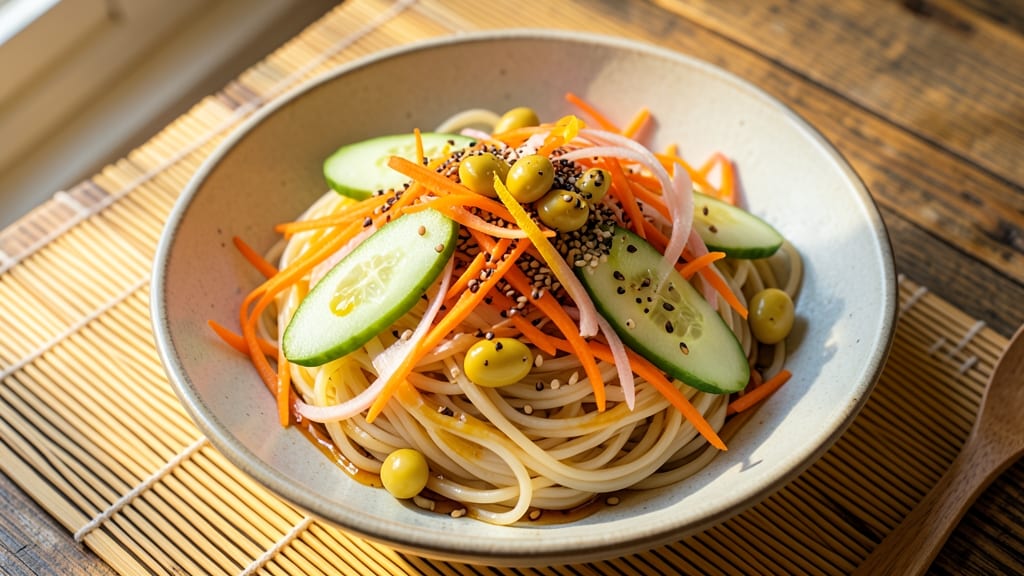
This Asian sesame noodle salad recipe delivers the perfect balance of nutty crunch, tangy dressing, and fresh vegetables in every bite. The secret lies in a simple yet flavorful sesame-ginger dressing that coats chewy noodles and crisp toppings, creating a dish that's both satisfying and adaptable to any dietary preference.
Whether you're preparing a light lunch or a side for a larger meal, this recipe comes together in under 20 minutes with ingredients you likely already have on hand.
The foundation of this salad is a combination of cold noodles—either rice noodles for a lighter texture or egg noodles for extra heartiness—tossed with a dressing made from toasted sesame oil, fresh ginger, garlic, and a touch of soy sauce.
This dressing is where the magic happens, delivering a harmonious blend of savory, sweet, and slightly spicy flavors that complement the fresh crunch of shredded carrots, cucumber, and edamame. The addition of toasted sesame seeds and crushed peanuts adds an extra layer of texture that makes this salad irresistibly satisfying.
What sets this recipe apart is its flexibility. You can easily customize it to suit your dietary needs—skip the optional protein like shrimp or tofu for a vegetarian version, or add grilled chicken for a heartier meal.
The dish is also packed with nutrients, offering a balance of carbohydrates, protein, and healthy fats. The result is a visually appealing salad with vibrant colors and enticing aromas that will elevate any meal.
Serve this sesame noodle salad chilled or at room temperature, garnished with fresh herbs like cilantro or Thai basil for an extra pop of freshness.
It’s the perfect dish for meal prep, as it keeps well in the refrigerator for up to three days and tastes even better the next day as the flavors meld together.
Ingredients for asian sesame noodle salad
Eight noodles, ten fresh toppings, and five dressing ingredients. Perfect balance in every bite.
| Ingredient | Amount | Notes |
|---|---|---|
| Rice Noodles 🍜 | 8 oz | Uncooked, jasmine or vermicelli preferred |
| Shredded Carrots 🥕 | 1 ½ cups | Freshly grated, fine shreds |
| English Cucumber 🥒 | 1 whole | Seeded, thinly sliced |
| Shelled Edamame 🌱 | 1 cup | Frozen works, thawed and drained |
| Toasted Sesame Oil 🫒 | 3 tbsp | High-quality, nutty flavor |
| Fresh Ginger 🌿 | 2 tbsp | Grated, finely minced |
| Garlic Cloves 🧄 | 3 cloves | Minced, fresh preferred |
| Soy Sauce 🍶 | 2 tbsp | Low-sodium preferred |
| Toasted Sesame Seeds 🌰 | 2 tbsp | For garnish and crunch |
| Crushed Peanuts 🥜 | ½ cup | Lightly toasted |
| Fresh Cilantro 🌿 | ¼ cup | Chopped, stems removed |
| Lime Juice 🍋 | 2 tbsp | Freshly squeezed |
| Honey 🍯 | 1 tbsp | For subtle sweetness |
| Rice Vinegar 🍶 | 1 ½ tbsp | For tangy balance |
| Vegetable Oil 🫒 | 1 tbsp | For noodle cooking |
The noodles are the base, so jasmine rice noodles are ideal—they hold up better than thin vermicelli when tossed. Trader Joe's and Asian markets carry the best quality, but any rice noodle brand works. For the carrots, organic is worth it—they shred more cleanly and have better flavor. Cucumber should be seedless and firm; English cucumbers are perfect. Edamame? Frozen is fine—just thaw and drain before adding. The sesame oil is non-negotiable here—look for 100% pure, toasted in the international aisle or Asian market.
No sesame oil? Avocado oil plus a pinch of sesame seeds gets you close, but the flavor won't be identical. Substituting honey? Maple syrup works at half the amount. Soy sauce too salty? Coconut aminos are a milder alternative. The peanuts can be walnuts or cashews if you prefer, but toasted is key—skip this step and you lose that essential crunch. Fresh ginger loses potency fast, so buy small amounts and grate fresh—it makes all the difference.
Noodles keep best in the fridge for 5 days if stored in an airtight container with a damp paper towel to prevent drying. The dressing components (except lime juice) can be prepped 2 days ahead—just store separately and mix before serving. For meal prep, store the dressing and toppings separately and toss with noodles when ready to eat. The flavors actually improve overnight as everything melds together—trust me on this.
Why You'll Love This Recipe
- No-Cook Crunch: I swear by the raw crunch of shredded carrots and cucumber—no wilting, no waiting. Just toss them in while the noodles soften, and you’ve got that perfect textural contrast without extra effort.
- Sesame Magic: That first drizzle of toasted sesame oil? It’s the secret weapon. Nutty, rich, and instantly aromatic—one teaspoon transforms bland into ridiculously good in seconds.
- Lunchbox Hero: Between us, this is my go-to for packed lunches. The rice noodles hold up for days, and the edamame adds protein so it’s actually filling—no sad, soggy salads here.
- Budget Brightener: Carrots, cucumbers, and frozen edamame? Check. Sesame oil is the only splurge, but it stretches across meals. Honestly, it’s the kind of dish that makes grocery day feel like a win.
Step-by-step instructions for Asian sesame noodle salad
Here's how to assemble this vibrant, crunchy salad with perfect texture and balanced flavors.
Cook the Rice Noodles Al Dente
Bring a pot of water to a rolling boil and add the 8 oz rice noodles. Cook for 6-8 minutes until the noodles are tender but still hold their shape—this is crucial for texture. You'll know they're done when they float to the surface and are slightly translucent.
Drain immediately in a colander and rinse under cold water for 10 seconds to stop the cooking process. This prevents the noodles from becoming mushy. Transfer them to a large mixing bowl and toss gently with 1 tablespoon vegetable oil to prevent sticking. Let them cool slightly while you prepare the remaining ingredients.
Prepare the Tangy Sesame Dressing
In a small bowl, whisk together 2 tablespoons soy sauce, 1.5 tablespoons rice vinegar, 2 tablespoons lime juice, and 1 tablespoon honey until the honey dissolves completely. The mixture should be smooth and slightly thick.
Add 2 tablespoons minced fresh ginger and 3 cloves minced garlic. Stir well to combine all ingredients thoroughly. In a separate step, warm 3 tablespoons toasted sesame oil in a small saucepan over low heat for 30 seconds—just enough to bring out its nutty aroma. Let it cool slightly before adding it to the dressing mixture. This warm oil will enhance the overall flavor profile.
Assemble the Vegetable Components
In the same large bowl with the cooled noodles, add 1.5 cups shredded carrots, 1 cup shelled edamame, and the seeded, thinly sliced English cucumber. Gently toss everything together with tongs to distribute the vegetable pieces evenly among the noodles.
Add the prepared dressing and toss again until the noodles and vegetables are thoroughly coated. The dressing should cling to the noodles without making them soggy. If the mixture looks too dry, add 1 tablespoon water to help the dressing adhere better. This is where the salad comes together—each bite should have a perfect balance of crunchy vegetables, tender noodles, and tangy dressing.
Add the Crunchy Toppings
Sprinkle 0.5 cup crushed peanuts and 2 tablespoons toasted sesame seeds evenly over the salad. Gently toss one final time to distribute these toppings throughout. The peanuts and sesame seeds will add a satisfying crunch that contrasts beautifully with the soft noodles and vegetables.
Finally, fold in 0.25 cup chopped fresh cilantro just before serving. This adds a bright, herby note that cuts through the richness of the sesame oil and peanuts. The salad should look vibrant with layers of color from the carrots, cucumber, edamame, and green cilantro.
Chill and Serve Immediately
Cover the salad bowl and refrigerate for at least 30 minutes before serving. This chilling time allows all the flavors to meld together perfectly. The noodles will absorb some of the dressing, resulting in an even more cohesive texture.
Serve the salad immediately after chilling, while the noodles are still slightly warm from the refrigerator. The contrast between the cool vegetables, warm noodles, and room-temperature dressing creates an ideal eating experience. Garnish each serving with an extra sprinkle of toasted sesame seeds and crushed peanuts for that final touch of texture and flavor.
Pro Tips For Making Asian Sesame Noodle Salad
- Rinse Noodles Cold: Toss cooked rice noodles under cold water for 30 seconds—this stops them from sticking together like glue. I used to skip this and ended up with a clump of sad, tangled noodles every time. Trust me, the cold water shock works.
- Shred Carrots Thin: Use a peeler or mandoline for uniform, paper-thin strips—they soften faster and stay crisp longer in the dressing. Thick shreds turn mushy while cucumbers stay crunchy, and no one wants a sad, limp salad.
- Toss Edamame Warm: Warm shelled edamame for 2 minutes in the dressing—just enough to soften slightly and release their nuttiness. Cold edamame hides in the salad; warm ones pop with flavor. (Yes, even if you’re impatient like me.)
- Dress Noodles Last: Toss the dressing with veggies and edamame first, then fold in noodles right before serving. Noodles soak up dressing too fast, turning your perfect salad into a soggy mess. Wait until the last minute—it’s the thing that matters most.
Pro cooking tips for perfect results
Noodle Texture Secrets
Cooking rice noodles to al dente is everything—overcooked noodles turn mushy, while undercooked ones stay rock-hard. I use a thermometer to check water temp at 205°F for perfect doneness.
Drain immediately and rinse with cold water for 10 seconds to halt cooking. Pro tip: Toss with 1 tbsp vegetable oil while warm to prevent sticking. 🌡️
Dressing Temperature Matters
Warming the sesame oil for just 30 seconds releases its nutty aroma without burning. Let it cool slightly before mixing with other dressing ingredients—this prevents the oil from separating. I like to whisk the soy sauce, vinegar, and lime juice first until smooth, then add the ginger and garlic.
The heat from the warm oil helps emulsify everything beautifully. 💫
Crunch Control Techniques
For maximum crunch, toast your peanuts in a dry skillet over medium heat for 3-4 minutes until golden. Store-bought crushed peanuts work too, but fresh toasted ones taste 10x better.
Sesame seeds should be toasted too—heat them in the same pan for 1 minute until fragrant. Add these toppings last to preserve their crunch. 🥜
Dressing Consistency Fixes
If your dressing seems too thick, add 1 tbsp water at a time until it reaches a pourable consistency. Too thin? Mix ½ tsp cornstarch with 1 tsp water and stir in.
The dressing should coat the back of a spoon but still drip slowly. I find the perfect balance when it clings to noodles without making them soggy. 🍶
Preventing Soggy Noodles
Noodles absorb dressing quickly, so assemble the salad no more than 15 minutes before serving. Store dressing and toppings separately in the fridge if prepping ahead. When ready to eat, toss everything together right before serving.
This keeps the noodles firm and the vegetables crisp. The 30-minute chill time helps flavors meld without sacrificing texture. ❄️
Garnish Like a Pro
Fresh cilantro should be added last to preserve its vibrant color and bright flavor. For extra flair, drizzle with extra sesame oil and sprinkle with crushed red pepper flakes if you like heat.
I also like to add thinly sliced scallions for a pop of color. Garnish just before serving to keep everything fresh and crisp. 🌿
Nutrition facts
Frequently asked questions
Can I use other types of noodles besides rice noodles?
For a heartier texture, try udon or soba noodles—just adjust cooking times since they're thicker. Thin spaghetti or vermicelli work too, but rice noodles are ideal for their light, springy bite. If you prefer gluten-free, check for certified rice noodles or use shirataki noodles (soaked first to remove excess water).
How do I make this salad vegan?
Skip the honey and use maple syrup or agave instead. For the dressing, swap soy sauce for coconut aminos and ensure your sesame oil is vegan-certified. Add extra firm tofu (pan-seared) or mushrooms for protein. The original recipe is already vegetarian-friendly!
Why does my dressing separate?
This happens when sesame oil isn't warmed properly or the dressing sits too long. Always warm the oil for 30 seconds before mixing, then let it cool slightly. For extra stability, whisk in 1 tsp cornstarch mixed with 1 tsp water before adding the oil. Stir gently when tossing with noodles to prevent separation.
Can I add protein to this salad?
Yes! For non-vegetarian versions, try grilled shrimp or chicken (chopped). Keep it light—4 oz per serving max. For vegetarian options, add marinated tofu or seared tempeh. Cook proteins separately and add them to the salad just before serving to maintain texture.
How long can I store leftovers?
Store in an airtight container for up to 3 days in the fridge. Keep dressing and toppings separate until ready to eat. The noodles will soften further over time, so add 1 tbsp cold water when reheating to restore texture. For best flavor, enjoy within 2 days—the dressing absorbs into noodles, intensifying the taste!