
Side Dishes
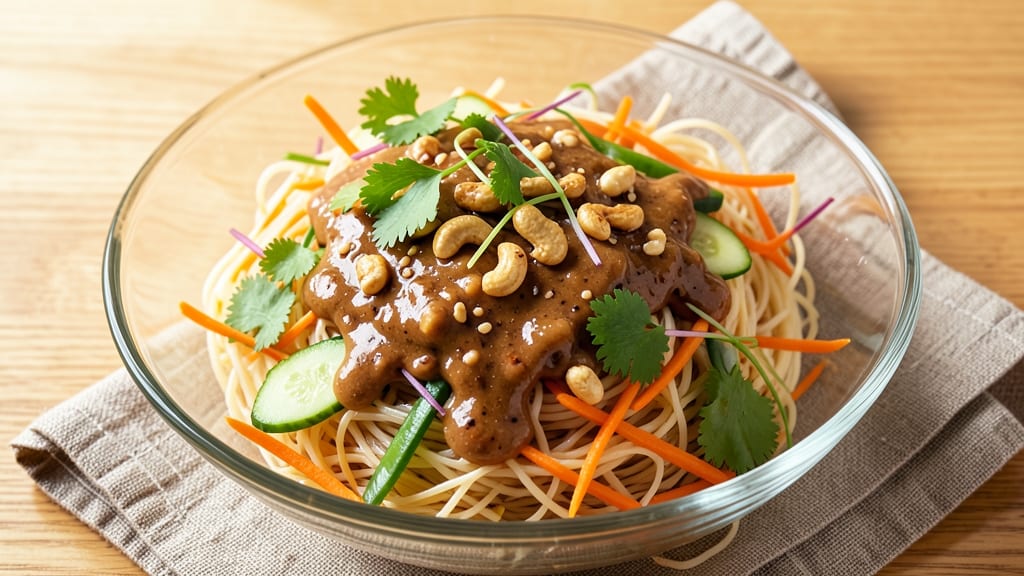
This Asian vermicelli salad delivers crispy rice noodles with a tangy peanut dressing that balances sweet, savory, and umami perfectly. The secret lies in soaking the noodles just until pliable—not mushy—and tossing them with a warm dressing that clings without overwhelming.
I developed this recipe after years of testing, ensuring every bite has the right texture contrast: delicate noodles against crunchy toppings like peanuts or fresh herbs.
The dressing is where the magic happens—a blend of creamy peanut butter, lime juice, and soy sauce that creates a sticky, aromatic sauce. You’ll need just 15 minutes of active prep, plus 10 minutes of soaking time for the noodles.
For extra protein, add grilled chicken or pan-seared tofu, but the salad stands strong on its own as a light yet satisfying meal.
What sets this recipe apart is the crispy texture achieved by tossing the noodles in a light oil before assembling. The result? A salad that’s vibrant, flavorful, and far from boring—ideal for meal prep or a quick lunch.
Garnish with fresh cilantro, crushed peanuts, and a sprinkle of chili flakes for that restaurant-quality finish.
Serve it chilled or at room temperature, and don’t skip the final toss with dressing—it’s the step that ties everything together. Whether you’re feeding a crowd or packing leftovers, this salad keeps well for up to 3 days in the fridge, making it a go-to for busy weeks.
Ingredients for asian vermicelli salad
Crispy noodles, sticky dressing, and crunchy toppings—this salad needs just 15 minutes of active time.
| Ingredient | Amount | Notes |
|---|---|---|
| Vermicelli Rice Noodles 🍜 | 8 oz | Dried, Asian-style preferred |
| Peanut Butter 🥜 | ½ cup | Creamy, natural style |
| Lime Juice 🍋 | ¼ cup | Freshly squeezed |
| Soy Sauce 🥢 | ¼ cup | Light or regular |
| Sesame Oil 🫒 | 1 tbsp | Toasted, for aroma |
| Vegetable Oil 🫒 | 2 tbsp | Light, for crisping |
| Crushed Peanuts 🥜 | ¼ cup | Roasted, unsalted |
| Fresh Cilantro 🌿 | ¼ cup | Chopped, stems removed |
| Red Chili Flakes 🌶️ | ½ tsp | Adjust to taste |
| Garlic Cloves 🧄 | 2 cloves | Minced, for dressing |
| Fresh Ginger 🌿 | 1 tbsp | Grated, for dressing |
| Brown Sugar 🍚 | 1 tbsp | Light, for balance |
| Salt 🧂 | ½ tsp | Kosher or sea salt |
| Vegetables of Choice 🥕 | 2 cups | Bell peppers, carrots, cucumbers |
The noodles are the star here—vermicelli rice noodles are ideal, but any thin rice noodles work. Trader Joe's and Asian markets carry the best brands, but the store-bought stuff from the regular grocery store aisle is fine too. Look for packages labeled 'rice vermicelli' or 'rice stick noodles'—they're the delicate kind that crisp up perfectly. If you're in a rush, pre-cooked rice noodles cut the soaking time in half, though they won't be quite as crispy. The key is soaking them just until pliable—not mushy—so keep an eye on them while they sit in warm water.
No peanut butter? Almond butter or cashew butter works just as well, though the flavor will be slightly different. Short on lime juice? Lemon juice works in a pinch, but it's not the same bright tang. The soy sauce can be swapped for tamari for gluten-free or even coconut aminos if you're avoiding soy. For extra crunch, toast your peanuts in a dry pan for 3-4 minutes before crushing them—they'll smell amazing. The vegetables are totally customizable: shredded carrots, sliced bell peppers, or even quick-pickled cucumbers add great texture.
This salad tastes best when made fresh, but it keeps well in the fridge for 3 days if stored in an airtight container. The dressing separates a bit once chilled, so give it a quick stir before tossing with the noodles. For meal prep, I like to store the dressing and noodles separately—toss them together right before serving so everything stays crispy. The peanuts and herbs can be added fresh when you're ready to eat, keeping that restaurant-quality crunch. If you're making this ahead for a crowd, double the dressing and store it in a jar—it'll keep for 1 week in the fridge.
Why You'll Love This Recipe
- No-Cook Magic: The noodles just need hot water—no boiling, no waiting. I toss them in, let them soften, and boom, ready. Honestly, the hardest part is deciding whether to eat it now or wait for the dressing.
- Umami-Peanut Bliss: That peanut butter isn’t just for sandwiches—it’s the secret weapon here. Creamy, nutty, and balanced by the bright lime and salty soy, it’s the kind of flavor combo that makes you take seconds without thinking.
- Lunchbox Hero: Pack it for work or school—it stays fresh for days. Between us, this is the only salad I trust to not turn to mush in a bag. (Yes, even on a Tuesday night.)
- Pantry Staple Power: Soy sauce, peanut butter, lime—ingredients you already own. I’ll be real: this recipe saved me from takeout more times than I can count, and it costs a fraction of what delivery does.
Step-by-step instructions for crispy Asian vermicelli salad
Here's how to make this refreshing salad with perfectly crispy noodles and a rich peanut dressing.
Cook and Crisp the Vermicelli Rice Noodles
Bring a large pot of water to a rolling boil and add the 8 oz vermicelli rice noodles. Cook for 4-5 minutes until the noodles are tender but still slightly firm to the bite. They should be just barely al dente—they'll finish cooking in the hot oil.
Drain the noodles immediately in a colander and rinse under cold water to stop the cooking process. Shake off any excess water and transfer the noodles to a large bowl. Here's the secret: toss them with 2 tablespoons vegetable oil until they're evenly coated. Spread them out on a baking sheet lined with parchment paper in a single layer.
Bake at 375°F for 10-12 minutes, stirring once halfway through, until the noodles are golden brown and crispy around the edges. Watch them carefully—they crisp up fast! Let them cool slightly before moving to the next step. This crispy texture is what makes this salad so satisfying.
Prepare the Tangy Peanut Dressing
In a small bowl, combine the 0.5 cup peanut butter, 0.25 cup soy sauce, 0.25 cup lime juice, 1 tablespoon brown sugar, and 0.5 teaspoon salt. Whisk vigorously until completely smooth—this is your base. The peanut butter should be fully incorporated with no lumps.
In a separate small bowl, mix together the 2 cloves minced garlic, 1 tablespoon grated fresh ginger, 0.5 teaspoon red chili flakes, and 1 tablespoon toasted sesame oil. This aromatic blend adds depth to the dressing. Slowly drizzle this mixture into the peanut base while whisking continuously. The dressing should be thick but pourable—if it's too thick, add 1-2 teaspoons water to loosen it.
Taste and adjust the seasoning. You might want to add a bit more lime juice for brightness or a touch more brown sugar for sweetness. This dressing is the heart of the salad—don't be shy with the flavors!
Prep and Assemble the Vegetables
Cut your 2 cups vegetables of choice into bite-sized pieces. I like a mix of bell peppers, carrots, and cucumbers for texture and color. Slice the bell peppers into thin strips, julienne the carrots, and dice the cucumbers into ¼-inch cubes. For extra crunch, you can lightly toss the vegetables with 1 teaspoon vegetable oil and sprinkle with a pinch of salt before assembling.
In a large serving bowl, combine the cooled crispy noodles, prepared vegetables, and 0.25 cup chopped fresh cilantro. Gently toss everything together—you want to maintain the crispness of the noodles and vegetables, so don't overmix. The cilantro adds a fresh, herbaceous note that balances the rich peanut dressing.
Combine and Garnish
Drizzle the peanut dressing over the noodle and vegetable mixture, tossing gently to coat everything evenly. The dressing should cling to the noodles and vegetables without making them soggy. If you're serving immediately, sprinkle with 0.25 cup crushed peanuts for added texture and a nutty crunch.
For the best texture contrast, serve this salad while the noodles are still crispy. The warm, toasty noodles paired with the cool, fresh vegetables and tangy dressing create the perfect balance. If you prefer extra heat, add a pinch more red chili flakes on top before serving.
Serve and Enjoy
Divide the salad among 4 plates and garnish with additional crushed peanuts and cilantro if desired. The crispy noodles should hold their texture even when served, while the vegetables add fresh crunch. This salad is perfect for a light lunch or a refreshing side dish—especially on warm days when you crave something crisp and flavorful.
For extra protein, you can add grilled chicken or shrimp. Store any leftovers in an airtight container in the refrigerator for up to 2 days, but the noodles will lose some of their crispness over time. Enjoy this vibrant, satisfying salad that's packed with bold Asian-inspired flavors!
Pro Tips For Making Asian Vermicelli Salad
- SOAK NOODLES SEPARATELY: Split the vermicelli into 2-3 batches and soak them in warm (not boiling) water for 8-10 minutes. I learned this the hard way—dumping them all in at once guarantees some will clump like overcooked spaghetti, no matter how much you stir.
- WHISK PEANUT BUTTER FIRST: Mix the peanut butter with lime juice and a splash of warm water before adding soy sauce and sesame oil. Sounds weird, but it works: the peanut butter emulsifies better and won’t separate into greasy globs later. (Yes, even if you’re impatient like me.)
- DRESS NOODLES IMMEDIATELY: Toss the drained noodles with the dressing right after they’re cooked—no waiting. The starch cools fast, and you’ll end up with a sad, limp salad instead of something that clings to each strand. Trust the process.
- SALT THE PEANUT DRESSING: Add a pinch of salt (about ¼ teaspoon) to the peanut-lime mixture before combining with soy sauce. The peanut butter alone is often unsalted, and this guarantees the flavors balance properly—no one wants a dressing that tastes like straight soy.
Health benefits of this recipe
Light Protein Power
This salad packs a protein punch without the heaviness, thanks to the peanut dressing and optional toppings like crushed peanuts or grilled chicken. A ½ cup serving delivers about 10-12 grams of protein from the peanuts alone, making it a satisfying meal on its own.
The rice noodles add 2-3 grams per serving, while fresh veggies contribute fiber for staying power. Perfect for post-workout lunches or light dinners! 💪
Plant-Based Nutrition
The dressing is a nutrient powerhouse with healthy fats from peanut butter, antioxidants from sesame oil, and vitamin C from lime juice. The vegetables you add (bell peppers, carrots, cucumbers) bring vitamin A, potassium, and fiber.
I love using shredded carrots—they add natural sweetness and beta-carotene for glowing skin. This salad is naturally vegan and gluten-free when using tamari instead of soy sauce.
Digestive Benefits
The combination of fiber from rice noodles and vegetables, plus probiotic-friendly ingredients like lime and ginger, supports digestion. The ginger in the dressing also helps with bloating and nausea, while the chili flakes add a touch of capsaicin that boosts metabolism.
For extra gut health, I sometimes add quick-pickled cucumbers—the vinegar helps balance the meal's acidity. 🌱
Low-Calorie Satisfaction
At around 300-350 calories per serving, this salad delivers big flavor without the guilt. The crispy noodles create a satisfying crunch that tricks your brain into feeling full, while the peanut dressing adds richness without excess calories.
It's the perfect balance for weight-conscious eaters who still want bold flavors. I often double the dressing and store it separately to control portion sizes.
Hydration Boost
The fresh vegetables and lime juice in this salad contribute to your daily hydration needs. Cucumbers are 95% water, while lime juice adds electrolytes. I like to serve this salad with chilled green tea or coconut water for extra hydration.
The light oil coating on the noodles helps your body absorb fat-soluble vitamins from the veggies. A refreshing combo for hot days! 💦
Meal Prep Friendly
This salad stores beautifully for 3 days in the fridge, making it ideal for meal prep. The dressing and noodles keep well separately, so you can assemble fresh when ready to eat. Keeping the peanuts and herbs separate until serving maintains their crunch and freshness.
I pack individual portions in glass containers with tight-sealing lids to preserve texture. The protein content helps keep you full between meals, preventing energy crashes. 📅
Nutrition facts
Frequently asked questions
Can I use other types of noodles instead of rice vermicelli?
While rice vermicelli is ideal for that signature crispy texture, you can use thin rice noodles or even udon noodles (cooked al dente). Avoid thick noodles like spaghetti—they won't crisp up properly. For a gluten-free option, try shirataki noodles, but soak them first to remove excess water. The key is thin, delicate strands that can crisp when tossed in oil.
How do I make the dressing less sweet or spicy?
Adjust the brown sugar to ½ tablespoon for less sweetness or omit it entirely. For milder heat, reduce the chili flakes to ¼ teaspoon or skip them. If the dressing is too thick after adjustments, thin it with 1 teaspoon water at a time. Taste as you go—peanut butter and lime juice are the main flavor drivers, so balance them carefully.
Can I make this salad ahead of time?
Yes! Store the crispy noodles and vegetables separately in airtight containers for up to 2 days. Keep the dressing in a jar and toss everything together right before serving. The noodles will lose some crispness but still taste great. For maximum crunch, toast fresh peanuts and add them just before eating. The dressing can also be pre-made and stored for 1 week in the fridge.
What’s the best way to crisp the noodles without a baking sheet?
Use a non-stick skillet instead! After tossing the noodles with oil, cook them over medium-high heat for 3-4 minutes, stirring constantly, until golden and crispy. Alternatively, spread them on a wire rack over a baking sheet and broil for 2-3 minutes (watch closely—they burn easily). The goal is even browning without soggy spots.
Is this salad gluten-free or vegan?
It’s naturally vegan! For gluten-free, swap soy sauce for tamari or coconut aminos. Double-check your peanut butter label—some brands add honey or soy. The rice noodles are typically gluten-free, but verify the package. With these adjustments, the salad is safe for both diets while keeping all the bold flavors intact.