
Sauces & Condiments
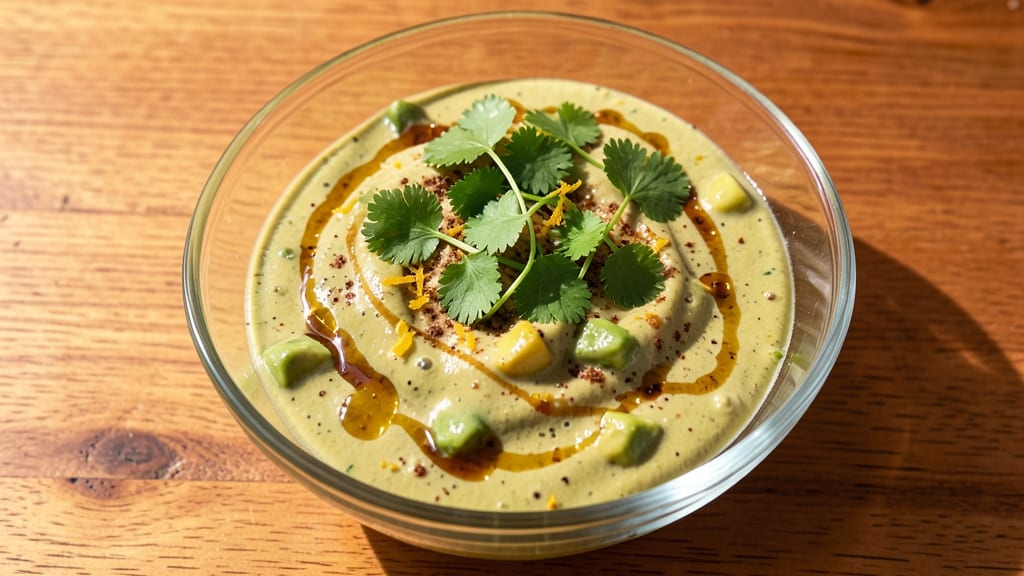
This avocado cilantro salad dressing recipe transforms simple ingredients into a luscious, vibrant sauce that elevates every dish it touches. The secret lies in blending ripe avocado with fresh cilantro, lime juice, and garlic until perfectly smooth—no blender required.
What makes it special is how effortlessly it bridges creamy and tangy flavors, creating a dressing that clings beautifully to greens, grains, and proteins alike.
The beauty of this recipe is its versatility—drizzle it over salads for instant brightness, use it as a dip for veggies or chips, or toss it with tacos for a zesty kick.
The emulsion stays stable for hours, thanks to the avocado’s natural fats and a touch of lemon juice to preserve freshness. Unlike store-bought versions, this dressing delivers a rich, herbaceous depth that’s impossible to replicate.
With just 7 ingredients and 5 minutes of prep, you’ll have a dressing that’s restaurant-quality yet simple enough for weeknight meals. The texture is velvety, not greasy, and the flavor profile—bright, herby, and slightly tangy—makes it a standout in any dish.
Best of all, it keeps well in the fridge for up to 3 days, so you can make a batch ahead and enjoy it all week.
Perfect for spring and summer gatherings, this dressing is a game-changer for anyone tired of bland, bottled options. Whether you’re prepping for a meal prep session or improvising dinner last-minute, this recipe delivers flavor without the fuss. Let’s make it!
Ingredients for avocado cilantro salad dressing
Seven vibrant ingredients blend into a velvety dressing that transforms salads and tacos into flavorful masterpieces.
| Ingredient | Amount | Notes |
|---|---|---|
| Ripe Avocados 🥑 | 2 whole | Pitted, flesh scooped |
| Fresh Cilantro Leaves 🌿 | 1 cup | Stems removed, loosely packed |
| Fresh Lime Juice 🍋 | ⅓ cup | About 2-3 limes squeezed |
| Garlic Cloves 🧄 | 2 cloves | Peeled, roughly chopped |
| Extra-Virgin Olive Oil 🫒 | ¼ cup | High-quality, fruity variety |
| Tahini 🥜 | 1 tbsp | Sesame paste for richness |
| Sea Salt 🧂 | ½ tsp | Diamond Crystal preferred |
The avocados are the foundation—ripe but firm is key. Mexican Hass avocados from the grocery store’s produce section work perfectly, but if you can find them, organic avocados from Whole Foods have superior flavor. Fresh cilantro is non-negotiable here; the bright, herby notes are essential for that signature zing. Look for bunches with vibrant green leaves and no wilting. The lime juice should be freshly squeezed—store-bought isn’t the same. For the garlic, fresh cloves from the refrigerated section at Trader Joe's are ideal, but any fresh garlic will do. The olive oil should be extra-virgin, with a peppery finish that complements the avocado’s creaminess.
No tahini? Substitute with an extra tablespoon of olive oil, though you’ll lose some of that nutty depth. Short on cilantro? Fresh parsley at half the amount works in a pinch, though the flavor will be milder. The lime juice can be replaced with lemon juice, but you’ll need slightly more for brightness. For a smoother texture, blend with a fork first before using a food processor or immersion blender. If you’re avoiding garlic, asafetida powder at a pinch mimics its umami punch without the raw taste. The dressing’s stability comes from the avocado’s natural fats, but adding a teaspoon of lemon juice helps preserve freshness longer.
This dressing stays fresh for 3 days in an airtight container in the fridge, though the flavor peaks within the first 24 hours. To prevent browning, press plastic wrap directly onto the surface before sealing. For longer storage, portion into ice cube trays and freeze—up to 3 months. Before using, let thawed portions sit at room temperature for 5 minutes. The emulsion thickens slightly when refrigerated, so give it a quick whisk or shake before serving. Leftovers make an excellent dip for veggies or a quick sauce for grain bowls.
Why You'll Love This Recipe
- No Blender Needed: I’ll be honest—this dressing comes together with just a fork, not a blender. Mash the avocado with the garlic and lime juice until it’s smooth, then stir in the chopped cilantro and olive oil. Takes less time than waiting for coffee to brew.
- Bright & Creamy Magic: That first bite of lime with the rich avocado? It’s like sunshine in a jar. The garlic adds a sharp punch, but the cilantro softens it into something fresh and addictive—perfect for when you crave bold but not heavy flavors.
- Works Everywhere: Slather it on tacos, drizzle it over grilled fish, or toss it with roasted veggies. Even my picky-eating friend devours it on avocado toast. Honestly, I’ve used it in everything from grain bowls to sandwiches, and it never lets me down.
- Lasts Days Without Spoiling: Between us, I’ve had this dressing sit in the fridge for five days and it still tastes fresh. The lime juice keeps the avocado from browning, and the olive oil seals it in. Plus, it’s cheaper than buying store-bought dressings that wilt after a week.
Step-by-step instructions for avocado cilantro dressing
This vibrant dressing delivers restaurant-quality freshness with minimal effort.
Prepare the Base Ingredients
Start by scooping the flesh from the 2 whole ripe avocados using a spoon, removing any pits. I like to mash the avocado flesh against the side of the bowl with the back of the spoon—this creates a smoother texture without overworking it. The goal is a chunky but well-blended consistency, not a puree.
Add the 1 cup fresh cilantro leaves and 2 peeled garlic cloves to the bowl. The stems should be removed for a cleaner texture, but don't worry if a few tiny stems sneak in—they're harmless. This is where the dressing gets its signature bright green color and fresh herbaceous flavor. Give everything a quick stir to combine before moving to the next step.
Blend Until Smooth
Transfer the avocado-cilantro mixture to a food processor or high-powered blender. I prefer using a food processor for this recipe because it creates a slightly chunkier texture that works beautifully on salads and tacos. Add the 0.33 cup fresh lime juice and 0.5 teaspoon sea salt, then pulse until the mixture is completely smooth.
This is the moment that matters: the lime juice will immediately react with the avocado, creating a bright, tangy base. If the mixture looks too thick, you can add 1-2 tablespoons of water to help it blend more easily. The dressing should be thick but pourable—like a vibrant green hummus. Taste and adjust the salt if needed, remembering that the tahini and olive oil will add additional flavor.
Incorporate the Oil and Tahini
With the food processor running on low speed, slowly drizzle in the 0.25 cup extra-virgin olive oil. This gradual approach prevents the dressing from splitting or becoming too thick. Once the oil is fully incorporated, add the 1 tablespoon tahini and blend again until completely smooth and emulsified.
The tahini adds a rich, nutty depth that balances the freshness of the avocado and cilantro. The olive oil contributes a fruity richness that rounds out the flavors. Here's the thing—if you're using a high-quality extra-virgin olive oil, you'll notice a distinct difference in flavor compared to regular olive oil. Don't rush this step; let the machine blend until everything is perfectly combined and creamy.
Adjust Consistency and Flavor
Transfer the dressing to a bowl and taste immediately. The flavor should be bright, herby, and slightly tangy with a rich, creamy finish. If it needs more acidity, add another tablespoon of lime juice. For more richness, add a teaspoon of olive oil or tahini. If it's too thick, thin with water or more lime juice until it reaches your desired consistency.
I like to let the dressing sit for 10-15 minutes before using it. This brief resting period allows the flavors to meld together more completely. The color will deepen slightly, and the texture will become even more stable. Store any unused dressing in an airtight container in the refrigerator for up to 3 days—it keeps beautifully and tastes even better the next day as the flavors develop.
Pro Tips For Making Avocado Cilantro Salad Dressing
- PULSE THE AVOCADO: Blend the avocado in short bursts—no more than 3-4 seconds at a time—then scrape down the sides and repeat. I learned this the hard way: over-blending turns the dressing into avocado mush, and you’ll end up with a sad, grainy paste instead of a velvety texture. Stop when it’s just broken down, not pureed.
- PIT THE LIMES FAST: Roll the lime on the counter with your palm hard before cutting—it cracks the membrane and makes juicing twice as easy. Skip this, and you’ll be squeezing half the fruit into your hand instead of the bowl. (Yes, even if you’re impatient like me.)
- SALT THE GARLIC FIRST: Toss the minced garlic with a pinch of salt and let it sit for 5 minutes before adding it to the dressing. This softens the bite and prevents that harsh, raw garlic punch that ruins the balance. Sounds weird, but it works—trust the process.
- STORE IT RIGHT: Press plastic wrap directly onto the dressing’s surface to block air, then refrigerate. Without this, the avocado will oxidize and turn brown in hours. I used to ignore this and come back to a dressing that looked like a science experiment—now I just slap that wrap on tight and forget about it.
Troubleshooting this recipe
Split Dressing Fix
If your dressing separates into oily and watery layers, it’s usually a sign of too much liquid or insufficient emulsification. First, whisk vigorously with a fork or immersion blender to re-combine the layers.
Add ½ teaspoon of Dijon mustard or 1 teaspoon of xanthan gum (found in baking aisles) to help stabilize future batches. I’ve found that blending the ingredients in a food processor with the lid slightly open helps release excess air that can cause separation. 💡
Overly Thick Texture
When your dressing is too thick, resist the urge to add water immediately—it can dilute the flavor. Instead, start with 1 teaspoon of lime juice, which thins the texture naturally while adding brightness. If that’s not enough, add ½ teaspoon at a time until you reach the desired consistency.
For a smoother texture, blend again briefly after adding liquid. Pro tip: Let the dressing sit for 5 minutes before adjusting—it often thickens slightly as it cools.
Avocado Browning
If your avocado turns brown mid-blending, it’s already oxidized. To prevent this, add the lime juice and salt immediately after scooping the avocado flesh. For future batches, store avocado pits in the dressing container—they release a natural enzyme that slows browning.
If browning occurs, don’t toss it! The flavor won’t be compromised, just the color. A splash of extra lime juice can help mask any metallic oxidation notes. ⚡
Weak Flavor Development
If your dressing tastes bland after blending, it’s likely due to underripe avocados or insufficient garlic. Next time, choose avocados that yield slightly to gentle pressure. For extra depth, add ¼ teaspoon of ground cumin or a pinch of smoked paprika during blending.
I also recommend letting the dressing rest for 30 minutes before tasting—flavors often develop more fully over time. Freshly toasted garlic cloves can make a surprising difference too!
Grainy Texture
A grainy texture usually means the avocado wasn’t blended long enough or was overworked. For a smoother result, blend in 30-second bursts with scraping-down the sides between each. If using a fork, mash the avocado thoroughly before adding other ingredients.
For stubborn chunks, add 1-2 tablespoons of water and blend again. Remember: the tahini helps create that creamy finish, so don’t rush this step. 🌟
Storage Issues
If your dressing separates or develops an off smell after refrigeration, it’s likely due to insufficient acidity. Always store with an extra 1 tablespoon of lime juice on top before sealing. For longer storage, portion into ice cube trays and freeze—this preserves texture better than bulk freezing.
When reheating, never microwave directly; instead, transfer to a bowl and warm gently on the stovetop. The dressing should smell fresh and citrusy, not sour or fermented.
Nutrition facts
Frequently asked questions
Can I make this dressing without a food processor?
Use a fork to mash the avocado thoroughly, then add lime juice and salt. Stir well, then gradually whisk in the olive oil and tahini until fully emulsified. For extra smoothness, transfer to a blender and pulse briefly. The texture will be slightly chunkier but still delicious!
How do I prevent my dressing from separating?
Blend the avocado and lime juice first until completely smooth, then slowly drizzle in the oil while blending. Add ½ teaspoon of Dijon mustard or 1 teaspoon of xanthan gum to stabilize it. Store with plastic wrap pressed directly on the surface to minimize air exposure.
What are the best ways to use this dressing?
This versatile dressing works perfectly on green salads, grain bowls, taco salads, or as a dip for veggie sticks. Try drizzling it over quinoa with black beans or using it as a sauce for fish tacos. The creamy texture also makes it ideal for pasta salads or as a base for soup garnishes.
Can I substitute cilantro with another herb?
Yes! For a similar flavor, use ½ cup fresh parsley or ¼ cup fresh dill. If you prefer a stronger taste, try mint leaves (reduce to ½ cup for balance). For a smoky twist, add 1 teaspoon of fresh basil along with the cilantro. The herb choice alters the dressing's profile but keeps it creamy and vibrant.
Why does my dressing taste bitter after storing?
This usually happens when the avocado oxidizes or the lime juice wasn't acidic enough. Always store with an extra 1 tablespoon of lime juice on top. If it tastes bitter, stir in ½ teaspoon of honey or 1 teaspoon of olive oil to balance the flavors. For future batches, use ripe but firm avocados and add the lime juice immediately after scooping.