Sauces & Condiments
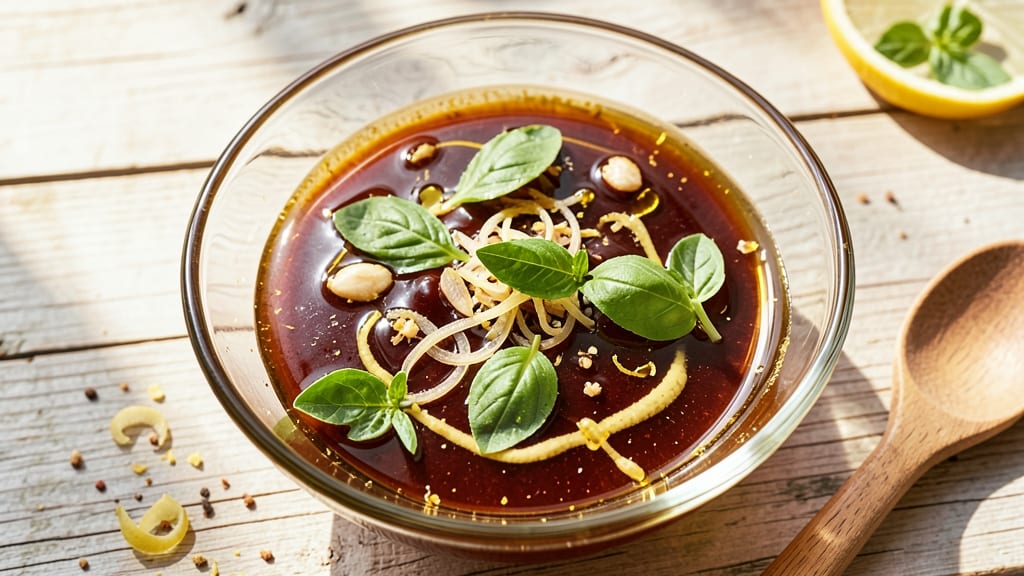
This balsamic reduction salad dressing recipe transforms simple salads into gourmet masterpieces with its deep, caramelized richness. The key lies in simmering balsamic vinegar until it thickens into a glossy, intensely flavorful syrup that elevates every dish it touches.
I've perfected this technique over years of testing, ensuring the perfect balance between sweetness and tang—no artificial additives, just pure, concentrated flavor.
The beauty of this dressing lies in its versatility. You'll start with a classic vinaigrette base of olive oil and Dijon mustard, then build layers of complexity by incorporating the reduced balsamic along with garlic, shallots, and fresh herbs.
The result is a dressing that clings beautifully to greens while adding depth to proteins and vegetables alike. It's the kind of sauce that turns a simple bowl of mixed greens into something restaurant-worthy.
What makes this recipe truly special is how it enhances other dishes beyond salads. Use it as a marinade for grilled chicken or steak, drizzle it over roasted vegetables, or even stir it into soups for an instant umami boost.
The dressing keeps well in the refrigerator for up to two weeks, making it perfect for meal prep. Its rich, caramelized notes make it a pantry staple that will transform your cooking.
Once you try this dressing, you'll never go back to store-bought versions. The reduction process might seem intimidating at first, but I've broken it down into simple steps that anyone can follow.
With just a few ingredients and a little patience, you'll have a dressing that's as impressive as it is delicious—ready to elevate any meal from ordinary to extraordinary.
Ingredients for balsamic reduction salad dressing
Nine simple ingredients create this luxurious dressing that turns salads into gourmet masterpieces.
| Ingredient | Amount | Notes |
|---|---|---|
| Extra-Virgin Olive Oil 🫒 | ¾ cup | High-quality, fruity variety preferred |
| Balsamic Vinegar 🍷 | 1 cup | Aged balsamic for deeper flavor |
| Dijon Mustard 🌶️ | 1 tbsp | Whole grain preferred for texture |
| Garlic Cloves 🧄 | 2 cloves | Freshly minced for aromatic punch |
| Shallots 🧅 | 2 whole | Thinly sliced for delicate sweetness |
| Fresh Basil Leaves 🌿 | ¼ cup | Packed, stems removed for vibrant flavor |
| Granulated Sugar 🍚 | 1 tbsp | Balances acidity in reduction |
| Salt 🧂 | ½ tsp | Diamond Crystal preferred for clarity |
| Black Peppercorns 🌶️ | ¼ tsp | Freshly cracked for robust flavor |
The balsamic vinegar is non-negotiable—aged balsamic from Trader Joe's or Whole Foods delivers that deep, caramelized richness. Look for bottles labeled 'aceto balsamico tradizionale' if you can find them. The extra-virgin olive oil should be fruity and peppery; California Olive Ranch or Colavita are my go-tos. Fresh basil and shallots are best bought in small batches from the grocery store's produce section—avoid pre-sliced shallots, as they oxidize quickly. For the garlic, organic cloves from the store's bulk section keep well and have more flavor punch than pre-minced.
No aged balsamic? Red wine vinegar with 1 extra tbsp of brown sugar mimics the depth, though it won't be identical. Substitute shallots with thinly sliced red onion if needed, but reduce to 1 whole for milder flavor. Fresh basil wilting? Dried basil at one-third the amount works, though the texture won't be the same. The Dijon mustard can be swapped for whole-grain mustard if you prefer a nuttier taste. For a sweeter reduction, add 1 extra tbsp of maple syrup to the sugar. Always taste as you go—adjust sugar or vinegar to balance sweetness and tang.
This dressing keeps beautifully in the fridge for up to 2 weeks in an airtight jar. The reduced balsamic syrup thickens further over time, so it's worth making extra. For storage, layer the dressing with a thin film of olive oil on top to preserve freshness. If you make this ahead, let it sit at room temperature for 10 minutes before shaking—it'll emulsify perfectly. The dressing also freezes well for up to 3 months if you portion it into ice cube trays for single-use servings.
Why You'll Love This Recipe
- Five-Minute Magic: I swear, this dressing takes less time than waiting for the pasta to boil. Just toss the shallots, garlic, and a splash of balsamic in a pan, let it reduce while you chop greens—no babysitting required.
- Umami Bomb: That slow-simmered balsamic glaze? It’s like a flavor grenade—sweet, tangy, and just sharp enough to wake up any salad. The Dijon mustard ties it all together with a little kick that lingers.
- Weeknight Swiss Army Knife: I use this on everything from grain bowls to roasted chicken. Even my picky teenager sneaks it into his lunchbox—proof it’s not just "fancy" but actually useful.
- No-Waste Goldmine: The leftovers? Even better. Store it in the fridge and drizzle it over toast, toss it with roasted veggies, or pour it straight from the jar. Honestly, I’ve never thrown out dressing again.
Step-by-step instructions for balsamic reduction salad dressing
Here's how to create a rich, caramelized dressing that transforms simple salads into gourmet masterpieces.
Sauté Aromatics Until Soft and Sweet
Heat the 0.75 cup extra-virgin olive oil in a medium saucepan over medium-low heat. Add the 2 whole shallots, sliced thinly, and cook for 5-6 minutes until they become translucent and just beginning to soften. You'll notice their sweetness intensify as they cook—this is crucial for balancing the acidity later.
Add the 2 cloves garlic cloves, minced, and cook for another 30 seconds until fragrant. Here's the thing—garlic burns quickly, so keep an eye on it. Remove the pan from heat immediately once you smell that aromatic punch, as it's ready to contribute flavor without overpowering the delicate reduction we're building.
Build the Reduction Base with Vinegar and Sugar
Return the pan to the stove and increase heat to medium-high. Pour in the 1 cup balsamic vinegar and add the 1 tablespoon granulated sugar. Stir to combine, then bring to a gentle boil. The sugar will dissolve quickly, creating a syrupy foundation for our reduction.
Let the mixture simmer vigorously for 10-12 minutes until it reduces by about half and becomes syrupy. You'll see a beautiful caramelization developing along the edges of the pan—this is your visual cue that the reduction is progressing. The aroma will become rich and complex, with notes of caramel and dried fruit.
Incorporate Mustard and Seasonings
Remove the pan from heat and let it cool slightly for 2-3 minutes. This cooling period prevents the mustard from scrambling when we add it. Stir in the 1 tablespoon Dijon mustard until completely dissolved. The mustard will help emulsify our dressing and add a subtle tang that cuts through the richness.
Add the 0.5 teaspoon salt and 0.25 teaspoon black peppercorns, freshly cracked. Taste the mixture—it should be tangy with a touch of sweetness and a hint of mustard bite. If you want to adjust the balance, add a pinch more sugar or a splash of vinegar, but the current combination should be perfectly harmonized.
Blend in Fresh Basil for Vibrant Flavor
Once the dressing has cooled to room temperature, stir in the 0.25 cup fresh basil leaves, packed and stems removed. The basil will infuse the dressing with its bright, herbal notes and add a stunning visual contrast to any salad. Pulse the mixture briefly in a blender if you prefer a completely smooth texture, or leave it slightly chunky for texture contrast.
Let the dressing rest for 10 minutes before using. This resting period allows all the flavors to meld together completely. The dressing should have a glossy, syrupy consistency that clings beautifully to greens and other salad components. If it thickens too much, whisk in 1-2 teaspoons of water to reach your desired pouring consistency.
Use Immediately or Store Properly
Use your balsamic reduction dressing immediately on fresh salads, drizzled generously over roasted vegetables, or as a dip for crusty bread. The dressing keeps well in the refrigerator for up to 1 week when stored in an airtight container. Before using, give it a good stir and taste—sometimes the flavors deepen even more after resting overnight.
Real talk: this dressing elevates everything it touches. The deep caramelized notes from the reduction create a luxurious finish that makes simple salads taste like restaurant-quality dishes. Don't be shy—drizzle it generously and watch your salads transform from ordinary to extraordinary.
Pro Tips For Making Balsamic Reduction Salad Dressing
- Sear Shallots First: Toss finely diced shallots in a dry pan over medium heat for 2-3 minutes before adding anything else—just until they soften and release their sweetness. I used to skip this and wondered why my dressing always tasted flat; caramelized shallots add depth without overpowering.
- Use Aged Balsamic: Skip the cheap stuff—aged balsamic vinegar (look for "traditional" or "extra aged" labels) has a richer, less sharp flavor that reduces better and tastes more complex. I learned this the hard way after making a dressing with regular balsamic that tasted harsh even after reduction.
- Whisk Mustard Last: Mix the mustard into the warm reduction after it’s off the heat—this keeps it from cooking into a bitter paste. I was skeptical until I tried it; now I add it cold to preserve that bright, tangy kick.
- Simmer Slow and Low: Reduce the balsamic mixture over low heat for 8-10 minutes, stirring occasionally—high heat burns it faster than you can say "disaster." Sounds counterintuitive, but it gives you a glossy, syrupy finish without losing flavor.
Flavor customization for this balsamic reduction salad dressing
Sweet and Tangy
Balance the richness of balsamic reduction with a touch of sweetness—add 1 extra tablespoon of honey or maple syrup to the reduction while simmering. This creates a luscious, dessert-like dressing perfect for fruit salads or grilled chicken.
For extra tang, increase the balsamic vinegar to 1.25 cups and reduce it longer for a more intense flavor. 🍯
Herb-Infused Variations
Swap the basil for thyme or rosemary to create a savory, herby dressing ideal for roasted meats or Mediterranean dishes. Use 0.25 cup fresh thyme leaves or 2 sprigs rosemary, finely chopped, for a fragrant twist.
For a citrusy kick, add 1 tablespoon lemon zest to the reduction before simmering—it brightens the caramelized notes beautifully. 🌿
Spicy Kick
Add 1 teaspoon of red pepper flakes or ½ teaspoon of cayenne pepper to the reduction while simmering for a fiery twist. For a smoky heat, stir in ½ teaspoon of smoked paprika with the mustard.
This spicy version pairs perfectly with grilled steak or hearty winter salads. If you love heat, try 1 chopped jalapeño in the reduction for a fresh, spicy depth. 🌶️
Nutty Crunch
For texture contrast, stir in 2 tablespoons of toasted pine nuts or walnuts just before serving. Toast the nuts in a dry pan over medium heat for 2-3 minutes until fragrant, then chop coarsely. This adds a satisfying crunch that complements the smooth, glossy dressing beautifully. 🌰
Creamy Twist
For a velvety texture, whisk in 2 tablespoons of Greek yogurt or sour cream after the dressing has cooled. This creates a creamy, tangy dressing perfect for grain bowls or hearty salads. For extra richness, use full-fat Greek yogurt and reduce the olive oil slightly to 0.5 cup. 🥛
Seasonal Adaptations
In summer, add fresh mint leaves (about 0.25 cup) for a refreshing, bright dressing that pairs well with watermelon or cucumber salads. For fall, incorporate 1 teaspoon of cinnamon or nutmeg into the reduction for a warm, spiced flavor that complements roasted squash. 🍂
Nutrition facts
Frequently asked questions
Can I make this dressing without a stove?
For a quick version, you can use store-bought balsamic glaze (about ¼ cup) instead of homemade reduction. Mix it with ½ cup olive oil, 1 tbsp Dijon mustard, and 1 tsp honey—it won't be as deep in flavor, but works in a pinch! For the full experience, the stove is worth it for that caramelized depth.
How do I fix dressing that's too thick or separated?
If it's too thick, whisk in 1-2 tsp water or a splash of vinegar to thin it out. For separation, stir in ½ tsp Dijon mustard or whisk vigorously to re-emulsify. If the oil and vinegar split completely, start fresh—this usually happens when the mustard wasn't incorporated properly during cooling.
What's the best way to store leftovers?
Keep in an airtight jar in the fridge for up to 2 weeks. The flavors actually improve over time! For longer storage, freeze in 1-tbsp portions (ice cube trays work great). Thaw overnight in the fridge before using—never at room temperature.
Can I use this dressing on hot dishes?
The high heat from grilled meats or roasted veggies will enhance its caramelized notes. Add it in the last 2 minutes of cooking so it doesn't curdle. Try it on steak, chicken, or even pizza—just drizzle generously right before serving.
Why does my reduction taste too sweet or sour?
If it's too sweet, add 1 extra tbsp vinegar and reduce for 2 more minutes. For sourness, stir in ½ tsp honey or a pinch of sugar. Taste as you go—the reduction should have a perfect balance where sweetness and tang complement each other.