
Sauces & Condiments
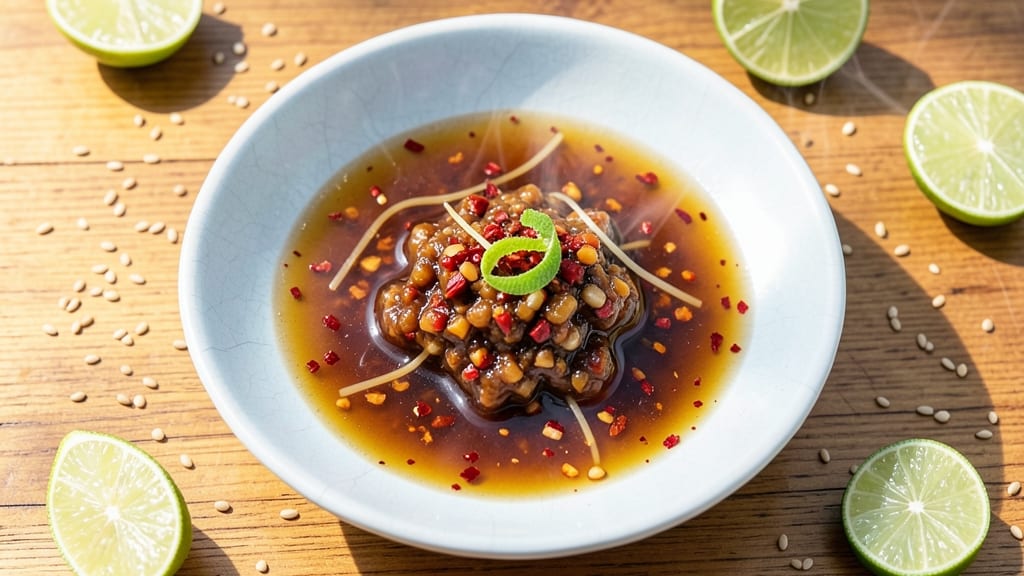
This banh mi salad dressing recipe transforms ordinary greens into a vibrant, zesty experience with just five simple ingredients. The magic lies in balancing sweet, tangy, and savory notes—fish sauce for umami depth, lime for brightness, and a touch of honey to round out the flavors.
I developed this dressing after realizing store-bought versions never quite captured the bold, complex taste of a real Vietnamese banh mi.
The secret to a perfect dressing is emulsifying the ingredients properly, creating a silky, clingy sauce that coats every leaf and bite of protein. Unlike other dressings, this one stays fresh for up to a week in the fridge, making it ideal for meal prep.
The garlic and chili add layers of heat and aroma, while the vinegar ties everything together with a sharp tang that cuts through rich ingredients like perfectly.
What you’ll end up with is a dressing that’s tangy, slightly sweet, and packed with umami—ideal for tossing with mixed greens, shredded chicken, or crisp vegetables. The balance of flavors elevates simple salads into something restaurant-worthy, with just the right amount of complexity.
It’s the kind of dressing that makes every bite feel like a taste of Vietnam.
Use it on banh mi salads, grain bowls, or even as a marinade for grilled meats. The versatility of this dressing means it’s perfect for weeknight meals or special occasions. Let’s make it—your salads will never be the same.
Ingredients for banh mi salad dressing
Five ingredients balance bold Vietnamese flavors perfectly for this restaurant-worthy dressing.
| Ingredient | Amount | Notes |
|---|---|---|
| Fish Sauce 🐟 | 2 tbsp | Red Boat preferred for authentic flavor |
| Lime Juice 🍋 | ½ cup | Freshly squeezed for maximum brightness |
| Honey 🍯 | 2 tbsp | Wildflower for subtle floral notes |
| Rice Vinegar 🍶 | ¼ cup | Seasoned preferred for umami depth |
| Fresh Garlic Cloves 🧄 | 4 cloves | Minced finely for smooth texture |
| Red Chili Flakes 🌶️ | 1 tsp | Adjust to taste for heat level |
| Sesame Oil 🫒 | 1 tbsp | Toasted for nutty aroma |
| Soy Sauce 🥢 | 1 tbsp | Light soy preferred for balance |
| Water 💧 | ¼ cup | For thinning if needed |
The fish sauce is non-negotiable here—Red Boat is the gold standard, but any reputable brand works. Look for a clean, pungent aroma with no fishy off-notes. Asian markets usually carry the best selection, but most grocery stores stock at least one decent option. Fresh lime juice is essential; bottled lacks the vibrant zing. If you can't find wildflower honey, regular works fine—just know the flavor will be slightly less complex. The garlic should be freshly minced (not pre-minced from jars) for the best texture and flavor.
No fish sauce? Soy sauce plus a dash of miso paste can mimic some umami, though it won't be identical. Substitute honey with maple syrup or agave if needed, though the flavor profile shifts slightly. For extra heat, fresh chili purée works better than flakes. The sesame oil adds depth—if you're avoiding it, toasted peanut oil is a decent swap. This dressing emulsifies easily, but if it separates, whisk in 1 tsp cornstarch slurry to stabilize it. The soy sauce can be light or dark, but light keeps the dressing cleaner in color.
Store in an airtight jar in the fridge for up to 7 days. The flavors actually improve after 24 hours as everything melds together. For meal prep, double the batch—it's perfect for 5-6 salads. If using as a marinade, reduce the vinegar slightly to 2 tbsp to prevent over-tenderizing proteins. The dressing thickens when chilled, so add a splash of water if it becomes too stiff before using.
Why You'll Love This Recipe
- Five-Ingredient Magic: I swear by this combo—just fish sauce, lime, honey, vinegar, and garlic. No fancy gadgets, no stress, and it’s ready while you’re still deciding what to eat.
- Umami-Packed Punch: That first drop of fish sauce? Pure flavor explosion. The garlic sizzles, the lime brightens, and the honey ties it all into something dangerously addictive—like a Vietnamese wake-up call in a bottle.
- Lunchbox Hero: Slather it on greens for a quick salad, drizzle it over grilled chicken, or toss it with cold noodles. Honestly, I’ve used it for everything from picnic spreads to last-minute takeout upgrades—it never lets me down.
- No-Waste, Budget Win: A little goes a long way, and every ingredient is cheap but mighty. I make a big batch, store it in the fridge, and it stays fresh for weeks—meaning fewer grocery runs and more money for the good stuff.
Step-by-step instructions for Vietnamese-inspired salad dressing
Here's how to blend these ingredients into a vibrant dressing that captures banh mi's signature tang and depth.
Prepare the Garlic and Chili Base
In a small bowl, finely mince the 4 cloves fresh garlic using a sharp knife or garlic press. I like to press the cloves directly into the bowl to avoid any waste. Add the 1 teaspoon red chili flakes and set aside. The garlic should be minced into a paste-like consistency—this ensures smooth texture without any chunks in your dressing.
This step is where the foundation of flavor begins. The garlic will mellow slightly as it blends with other ingredients, but starting with finely minced garlic prevents any harsh bite. If you prefer less heat, reduce the chili flakes to ½ teaspoon—but don't skip it entirely, as it's essential for that signature banh mi kick.
Whisk Together the Wet Ingredients
In a medium bowl, combine the 2 tablespoons fish sauce, 0.5 cup lime juice, 2 tablespoons honey, 0.25 cup rice vinegar, and 1 tablespoon soy sauce. Using a whisk, stir vigorously for 30 seconds until the honey dissolves completely and the mixture becomes homogeneous. The lime juice should be freshly squeezed—bottled juice lacks the bright acidity needed for balance.
Here's where the dressing starts to take shape. The fish sauce and soy sauce provide umami depth, while the lime juice and rice vinegar create the signature tang. The honey balances the acidity and adds a subtle sweetness that mirrors the caramelized notes in traditional banh mi. If the mixture looks too thick, you can add 1-2 tablespoons of the 0.25 cup water later to adjust consistency.
Incorporate the Garlic-Chili Mixture
Add the minced garlic and chili flakes to the wet ingredients. Whisk continuously for 1 minute until fully combined. The mixture should turn a vibrant yellow-orange color from the chili and a glossy sheen from the sesame oil you'll add next. Taste at this stage—you should detect bright citrus, salty umami, and a warm spicy note.
This is the moment that matters: the garlic and chili should be evenly distributed, but not overpowering. If the dressing tastes too sharp, add 1 teaspoon more honey. If it's too mild, add ½ teaspoon more fish sauce or ½ teaspoon more soy sauce. The balance should be complex—sweet, salty, tangy, and spicy all at once.
Finish with Sesame Oil and Adjust Consistency
Drizzle in the 1 tablespoon sesame oil while whisking continuously. The oil will create a silky texture and add nutty aroma that's essential to banh mi's profile. Taste again—now you should notice the depth of the sesame oil complementing the other flavors. If the dressing is too thick to drizzle easily, gradually add the remaining 0.25 cup water, 1 tablespoon at a time, until it reaches a pourable consistency.
Real talk: this dressing should coat the back of a spoon but still drizzle smoothly over salads. If it's too thin, let it sit for 5 minutes—the lime juice will slightly thicken as it mellows. For extra richness, you can add ½ teaspoon toasted sesame seeds just before serving, but don't mix them in during preparation as they'll sink to the bottom.
Rest and Serve for Maximum Flavor
Transfer the dressing to a clean jar or airtight container and let it rest at room temperature for 10-15 minutes. This resting period allows the flavors to meld and the acidity to mellow slightly. Give it a final taste—you'll notice the balance has improved, with the sweet, salty, and spicy elements harmonizing perfectly.
This dressing keeps well in the refrigerator for up to 5 days, though I recommend making it fresh whenever possible to capture the brightest lime flavor. Use it on Vietnamese-inspired salads, sandwiches, or even as a marinade for grilled meats. The dressing should be vibrant, glossy, and packed with layers of flavor that transport you straight to a bustling Saigon street market.
Pro Tips For Making Banh Mi Salad Dressing
- COMBINE GARLIC LAST: Mix everything except the garlic first—then crush and add it after the dressing sits for 10 minutes. The garlic’s sharpness mellows when tossed in last, and you avoid that bitter, overpowering hit that ruins the balance. (I learned this after making a batch where the garlic dominated and the honey couldn’t save it.)
- USE AGED FISH SAUCE: Skip the cheap stuff—go for a bottle labeled "30-year" or at least "Red Boat." The umami depth in aged fish sauce is what makes this dressing sing, and it cuts through the sweetness without needing extra salt. (Yes, it’s pricier, but one good bottle lasts years.)
- DILUTE THE LIME GRADUALLY: Add lime juice one tablespoon at a time, tasting after each addition. The first splash makes it tangy; the second can turn it sour too fast. You want bright, not puckery—adjust to your lime’s strength (Mexican limes are milder; key limes are aggressive).
- STORE WITH A LID ON: Let the dressing sit uncovered for 5 minutes after mixing—this helps the garlic release its oils and the flavors meld. Then seal it tightly and refrigerate. If you skip this, the garlic stays raw-tasting and the dressing separates faster. (I used to rush this step and always ended up with a dressing that needed shaking before every use.)
Serving suggestions for banh mi salad dressing
Salad Base Ideas
Start with a mix of butter lettuce and shredded cabbage for that classic banh mi crunch. I like adding thinly sliced cucumber and carrot sticks for freshness and texture. For extra depth, toss in pickled daikon and carrot—the tangy, crunchy contrast is pure magic. 🥬
Protein Pairings
Grilled chicken thighs marinated in this dressing work beautifully—they absorb the bold flavors perfectly. For vegetarian options, try tofu cubes pan-fried until crispy or shredded rotisserie chicken for convenience. The dressing also elevates simple hard-boiled eggs, sliced and sprinkled with toasted sesame seeds.
Herb Garnishes
Fresh cilantro and mint add a bright, aromatic finish that ties everything together. I like to roughly chop them and scatter over the top just before serving. For a more traditional touch, add thinly sliced scallions or shredded Thai basil if you can find it.
The herbs should be added last to preserve their freshness.
Crunchy Toppings
Toasted peanuts or crushed roasted cashews bring a satisfying crunch that balances the silky dressing. I also love adding quick-pickled red onions for a sharp, tangy bite.
For extra texture, sprinkle fried shallots or crushed potato chips (trust me, it works!). These toppings should be added right before eating to keep them crisp.
Bread Pairings
Serve with crusty baguette slices for a banh mi-style sandwich. Toast the bread lightly and spread with a thin layer of mayonnaise before adding the salad. For a lighter option, use rice paper wraps or lettuce cups to create fresh, gluten-free versions.
The dressing also works as a dip for spring rolls or fresh spring roll wrappers.
Meal Prep Tips
Store the dressing separately from the salad components to keep everything crisp. I recommend packing the dressing in a small leak-proof container and the salad ingredients in an airtight container with a paper towel to absorb moisture.
Assemble just before eating to maintain perfect texture. This dressing keeps for up to 5 days in the fridge, making it ideal for meal prep. ✨
Nutrition facts
Frequently asked questions
Can I make this dressing without fish sauce?
Yes, but the flavor will be different. Replace the 2 tbsp fish sauce with 1 tbsp soy sauce plus ½ tsp miso paste for umami depth. The dressing will still be tangy and sweet, but it won't have that signature Vietnamese savory richness. For a vegetarian option, use 1 tbsp coconut aminos instead of soy sauce.
Why does my dressing separate?
This happens when the oil and liquid ingredients aren't properly emulsified. Whisk vigorously or use an immersion blender to combine them. For a quick fix, whisk in 1 tsp cornstarch slurry (mix ½ tsp cornstarch with 1 tsp water) to stabilize the dressing. The sesame oil is key—don't skip it, as it helps bind the mixture.
Can I use this dressing on other dishes besides salads?
It's perfect for drizzling over grilled meats, spring rolls, or rice bowls. Try using it as a marinade for chicken or tofu—reduce the vinegar to 2 tbsp to prevent over-tenderizing. The bold flavors also work well as a dip for fresh spring roll wrappers or crudité platters.
How do I adjust the heat level?
Start with the 1 tsp chili flakes as written, then adjust to taste. For milder heat, reduce to ½ tsp. For extra spice, add ½ tsp cayenne pepper or 1 tsp fresh chili purée. If you love heat, toast the chili flakes in a dry pan for 30 seconds before adding—they'll develop deeper, smokier flavors.
Can I make this dressing ahead of time?
Yes! It actually tastes better after 24 hours as the flavors meld together. Store in an airtight jar in the fridge for up to 7 days. Shake well before using, as it may thicken slightly. For meal prep, double the recipe—it's perfect for 5-6 salads and keeps all ingredients fresh when stored separately.