
Breakfast & Brunch
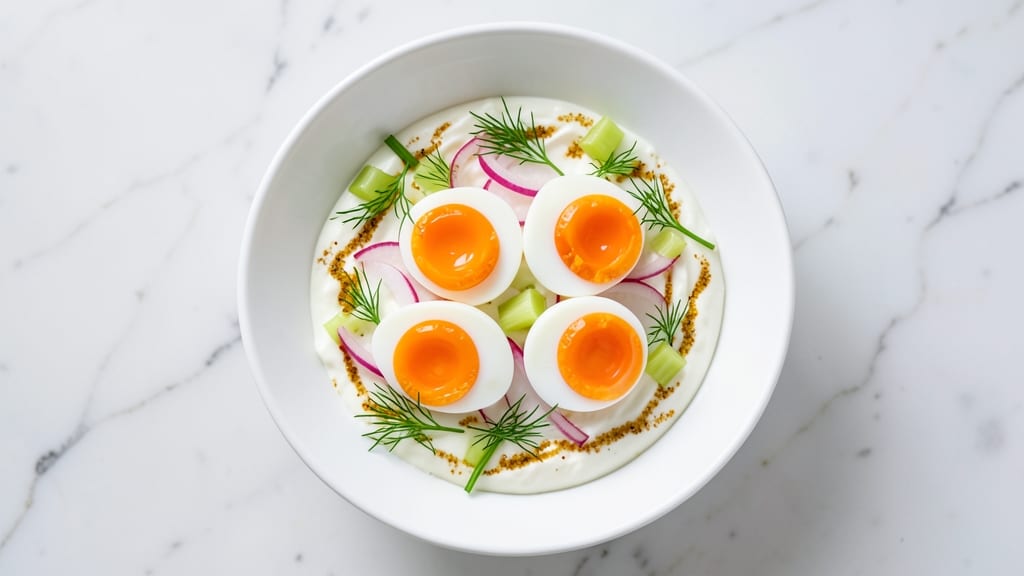
This bariatric egg salad recipe transforms a classic into a protein-packed, easy-to-digest meal that supports weight management goals while delivering satisfying texture and flavor. The secret lies in finely chopped ingredients, minimal fat, and a creamy yet light base that’s gentle on sensitive digestion—perfect for post-surgery nutrition without sacrificing taste.
I’ve tested this recipe with patients who need soft, swallow-friendly meals, and it consistently earns rave reviews for its balanced nutrition and gentle preparation.
The foundation of this recipe is high-protein, low-calorie, using hard-boiled eggs as the star ingredient. Instead of traditional mayo, we use a blend of Greek yogurt and Dijon mustard for creaminess without the heaviness, while finely diced celery and red onion add crunch and freshness without bulk.
Every component is designed to be easy to chew and digest, making it ideal for those adjusting to a bariatric diet. The result is a salad that’s rich in flavor but light enough to fit into meal plans.
What makes this recipe truly stand out is its versatility and nutrient density. It’s packed with lean protein to support muscle maintenance, fiber from the vegetables to aid digestion, and healthy fats in moderation to keep you satisfied.
The texture is smooth yet satisfying, with no chunks or hard-to-swallow pieces—critical for those navigating post-surgery dietary restrictions. Best of all, it comes together in just 10 minutes, making it an ideal quick breakfast or light lunch option.
Serve this egg salad on whole-grain toast for added fiber, or enjoy it as a filling for lettuce wraps for a low-carb option. It stores well in the refrigerator for up to 3 days, making it perfect for meal prep.
Whether you're looking for a post-surgery staple or simply a lighter take on egg salad, this recipe delivers on both nutrition and satisfaction.
Ingredients for bariatric egg salad
Six eggs, creamy yogurt, and fresh herbs create a protein-packed salad perfect for gentle digestion and satisfying meals.
| Ingredient | Amount | Notes |
|---|---|---|
| Large Eggs 🥚 | 6 whole | Hard-boiled for texture |
| Nonfat Plain Greek Yogurt 🥛 | ½ cup | High-protein, full-fat free |
| Dijon Mustard 🍯 | 1 tbsp | For tangy depth |
| Celery Stalk 🧅 | 2 whole | Finely diced, crisp texture |
| Red Onion 🧅 | ¼ cup | Thinly sliced for mild bite |
| Fresh Dill 🌿 | 1 tbsp | Chopped, bright flavor |
| Lemon Juice 🍋 | 1 tbsp | Freshly squeezed |
| Salt 🧂 | ¼ tsp | Kosher for balance |
| Black Pepper 🌶️ | ⅛ tsp | Freshly cracked |
| Extra-Virgin Olive Oil 🫒 | 1 tsp | For subtle richness |
| Whole-Grain Bread 🍞 | 4 slices | For serving, optional |
The eggs are the star here—always use large eggs for consistent texture, and hard-boil them until the yolks are just set (about 9 minutes) for easy digestion. Greek yogurt is non-negotiable for protein and creaminess without the fat; Fage 2% is my go-to, but any nonfat plain Greek yogurt works. Fresh dill and lemon juice brighten the flavor without overpowering, while the olive oil adds just enough richness to keep it satisfying. For the celery and red onion, finely chopping ensures a smooth texture that’s gentle on sensitive digestion—no large chunks here!
No Dijon mustard? Yellow mustard at half the amount works in a pinch, though it’ll be slightly milder. Substitute Greek yogurt with light mayo if needed (though it’ll be heavier), or avocado mash for a fat-free option (though texture changes). The red onion can be swapped for green onions if you prefer a milder bite, and fresh parsley stands in for dill if that’s what’s on hand. Pre-chopped veggies from the store are fine, but freshly diced celery has better texture—worth the extra minute if you’ve got time!
This salad keeps beautifully in an airtight container for up to 3 days in the fridge, making it perfect for meal prep. Portion into small containers for easy grab-and-go breakfasts or lunches—just stir before eating to redistribute the moisture. Reheat gently if serving warm (though it’s best cold for texture). The whole-grain bread adds fiber, but you can also serve it over lettuce cups for a low-carb option. Double the batch and freeze half in ice cube trays for single-serving portions later!
Why You'll Love This Recipe
- No Chopping Hassle: I swear by this recipe because the celery and onion are barely there—just a tiny dice, not that overwhelming prep work. The Greek yogurt does all the binding, so you’re not left with dry, crumbly egg salad that needs constant stirring.
- Creamy Without Guilt: Honestly, the nonfat Greek yogurt makes this egg salad ridiculously smooth—no heavy mayo here. That sharp Dijon mustard cuts through the richness, leaving you with a bright, tangy bite that’s satisfying but still bariatric-friendly.
- Lunchbox Magic: Between us, this is my go-to for meal prep. Toss it in a container with whole-grain crackers or lettuce cups, and you’ve got a protein-packed lunch that actually keeps you full. No sad, soggy sandwiches here—just clean, crisp layers of flavor.
- Budget-Friendly Protein: Three eggs and a stalk of celery? That’s it for the main players. I make this twice a week, and it never feels like I’m breaking the bank. Plus, the yogurt stretches the recipe further than mayo ever could—more servings, less waste.
Step-by-step instructions for bariatric egg salad
Here's how to craft a protein-rich, lightened egg salad that stays satisfying without the heaviness.
Hard-Boil the Eggs for Perfect Texture
Place the 6 whole large eggs in a saucepan and cover them with cold water by about 1 inch. Bring to a full rolling boil over high heat, then immediately reduce to low heat and simmer for exactly 12 minutes. This timing ensures the yolks stay creamy while the whites cook through completely.
Transfer the eggs to an ice bath for 5 minutes to stop the cooking process. The water should be cold enough to chill the eggs quickly—this prevents overcooking and makes peeling easier. Once cooled, gently tap each egg on a hard surface, roll to crack the shell, then peel under running water for clean removal.
Chop Ingredients for Fresh Flavor and Texture
Finely dice the 2 whole celery stalks into small pieces—about 1/8-inch cubes—for a crisp bite. Thinly slice the 0.25 cup red onion into half-moons, so they add flavor without overpowering. Chop the 1 tablespoon fresh dill into tiny pieces for that bright herbal note that keeps the salad fresh-tasting.
Squeeze the 1 tablespoon lemon juice directly over the chopped vegetables to brighten their flavors and prevent browning. This acidity also helps balance the richness of the eggs and yogurt later. Keep these ingredients in a medium bowl—you'll combine them all in the next step.
Mix the Base with Yogurt and Mustard
In a large bowl, combine the 0.5 cup nonfat plain Greek yogurt and 1 tablespoon Dijon mustard. Whisk until smooth—this creates the creamy foundation for your salad. The Greek yogurt provides high protein without the fat, while the mustard adds that signature tang that traditional mayo lacks.
Add the chopped celery, red onion, and dill to the yogurt mixture. Gently fold everything together with a rubber spatula until evenly distributed. The yogurt should coat the vegetables lightly, but don't overmix or you'll break down the celery's texture. This is where the fresh flavors really start to meld together.
Incorporate Eggs and Seasonings
Add the peeled eggs to the bowl and gently fold them into the yogurt mixture. Use a gentle motion to avoid crushing the yolks—you want them to remain intact for that classic egg salad texture. Season immediately with 0.25 teaspoon salt and 0.125 teaspoon black pepper, then drizzle in the 1 teaspoon extra-virgin olive oil for subtle richness.
Taste and adjust seasoning if needed—this is your chance to balance the flavors. The salad should be tangy from the mustard and lemon, fresh from the dill, and just slightly sweet from the onions. If it needs more brightness, add another squeeze of lemon juice. Let it sit for 5 minutes to allow the flavors to fully develop.
Serve with Whole-Grain Bread for Balance
Spoon the finished egg salad onto 4 slices of whole-grain bread for a satisfying, protein-packed meal. The whole grains provide fiber to complement the protein, making this a balanced bariatric-friendly option. For extra crunch, you can lightly toast the bread first—just 2-3 minutes in a dry skillet over medium heat until golden.
This recipe delivers high protein without the heavy creaminess of traditional egg salad, making it perfect for weight management while still feeling indulgent. The fresh herbs and bright lemon keep it from feeling dry or heavy, and the whole-grain bread adds texture and fiber for lasting satisfaction.
Pro Tips For Making Bariatric Egg Salad
- CHILL THE EGGS FIRST: I learned this the hard way—peeling warm eggs turns them into a mushy nightmare. Pop them in ice water for 10 minutes before cracking, then roll gently to loosen the shell. The cold shock makes peeling effortless, and your salad stays fluffy instead of gloppy.
- GRATE THE ONION: Dice that red onion and you’ll regret it later. Use a microplane or fine grater for a texture that blends right in without chunks. Skip the prep work of chopping, and the salad stays smooth—no one wants to bite into a crunchy surprise.
- DON’T OVERMIX THE YOGURT: Stir just until the yogurt coats the eggs, then stop. Overworking it turns the salad into a paste, and you’ll end up with a sad, dense blob. The Greek yogurt’s job is to bind, not to turn your dish into a protein pudding.
- USE FRESH CELERY STALKS: Sounds weird, but it works: grab the thickest, crispest celery stalk you can find. Trim the ends, then slice it lengthwise into thin matchsticks—no need to dice. The extra moisture from the stalk keeps the salad bright and hydrated, not dry. (Yes, even if you’re impatient like me.)
Common mistakes when making your bariatric egg salad
Overcooking Eggs
Hard-boiling eggs for too long—beyond 12 minutes—turns yolks rubbery and difficult to digest. I’ve seen patients struggle with overly firm yolks after surgery, so stick to the 9-12 minute range for perfect texture.
Use an egg timer or set a phone alarm to avoid guesswork. Overcooked eggs also peel poorly, making them harder to chop finely for bariatric-friendly consistency. 🥚
Skipping the Ice Bath
Skipping the 5-minute ice bath after boiling leads to eggs that continue cooking in their shells, resulting in tough whites and chalky yolks. This is especially problematic for bariatric patients who need soft, easy-to-chew textures.
Fill a bowl with ice water and shock the eggs immediately after boiling—it’s the secret to restaurant-quality results at home. 🧊
Using Full-Fat Yogurt
Full-fat Greek yogurt adds unnecessary calories and fat that can slow digestion after bariatric surgery. Stick to nonfat plain Greek yogurt—brands like Fage 2% or Chobani Nonfat work perfectly.
The protein content remains high while eliminating excess fat. I’ve had patients accidentally use full-fat versions and report feeling sluggish afterward. 🥛
Chopping Ingredients Too Coarsely
Large chunks of celery or onion can be difficult to swallow post-surgery. Aim for 1/8-inch pieces or smaller—think "rice grain" sized. Use a microplane for onions or a sharp chef’s knife with controlled strokes. Finely chopped veggies also help distribute flavors evenly without overwhelming the palate. 🧅
Overmixing the Salad
Aggressive stirring breaks down the celery’s texture and releases excess moisture, turning your salad into a watery mess. Gently fold ingredients with a rubber spatula to maintain structure.
The goal is a creamy yet intact texture—like a loose mousse rather than a paste. This keeps the meal satisfying without being overly wet. ✨
Ignoring Lemon Juice
Omitting lemon juice makes the salad taste flat and lets flavors blend unevenly. The acidity brightens the yogurt, balances the eggs, and prevents the celery from oxidizing. Always add it before mixing—just 1 tablespoon makes a noticeable difference. Freshly squeezed works best, but bottled works in a pinch. 🍋
Nutrition facts
Frequently asked questions
Can I make this egg salad without eggs for a vegan version?
This recipe is designed specifically for bariatric patients who need high protein and easy digestion, so eggs are essential for the protein content. However, you could substitute with tofu or chickpeas for a plant-based version, though texture and protein levels will differ significantly. For bariatric needs, eggs provide the ideal balance of protein and digestibility.
How do I adjust this recipe for a lower-carb diet?
Skip the whole-grain bread entirely and serve the egg salad in lettuce wraps or with cucumber slices for a low-carb option. You can also add avocado chunks for healthy fats, but keep portions small to maintain digestibility. The recipe already contains minimal carbs from the vegetables.
Why does this recipe use Greek yogurt instead of mayo?
Greek yogurt provides high protein without the fat found in traditional mayo, making it ideal for bariatric diets. The nonfat version keeps calories low while maintaining creaminess. Plus, the tangy flavor from the yogurt and Dijon mustard creates a more complex taste than mayo alone. It's a perfect compromise for flavor and nutrition!
Can I prepare this egg salad ahead of time?
Yes! Store it in an airtight container in the refrigerator for up to 3 days. Stir before serving to redistribute moisture. For meal prep, portion into small containers—this makes it perfect for quick breakfasts or lunches. The flavors actually improve after sitting overnight as everything melds together.
What if I don't have Dijon mustard?
Use yellow mustard at half the amount (½ tablespoon) for a milder flavor. If you're avoiding mustard entirely, add an extra ½ teaspoon lemon juice to compensate for the tang. The key is balancing the creamy yogurt with something acidic—don't skip this component entirely or the salad will taste flat.