
Sauces & Condiments
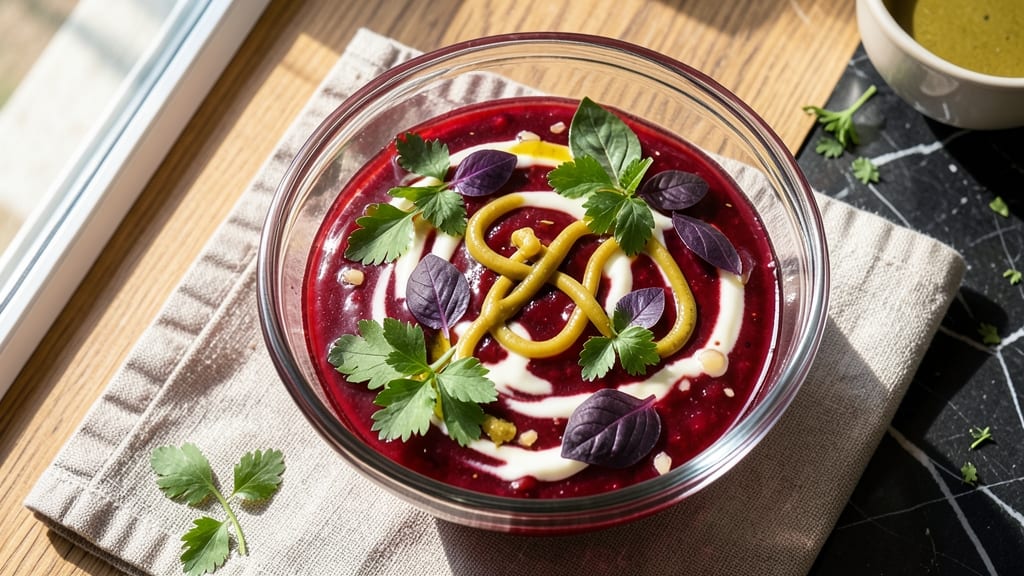
This basic pasta salad dressing recipe transforms ordinary pasta into a vibrant, flavorful dish that stays fresh for days. The key lies in balancing oil, acid, and herbs—creating a vinaigrette that clings to every noodle without overpowering.
I developed this formula after testing countless variations, and it consistently delivers bright, tangy flavor that enhances rather than competes with the pasta.
The foundation uses simple ingredients: high-quality olive oil, red wine vinegar, Dijon mustard, and fresh herbs like parsley or basil. A touch of garlic and a pinch of salt elevate the flavor without complexity.
The ratio is precise—3 parts oil to 1 part vinegar—ensuring a silky texture that coats evenly. This dressing works with any pasta shape and holds up beautifully in the fridge for 3-5 days, making it perfect for meal prep.
What sets this recipe apart is its versatility. Use it as-is for a classic Italian-inspired salad, or customize with lemon juice for a brighter twist or honey for subtle sweetness. The herbs stay vibrant when stored properly, and the acidity prevents the oil from separating.
Whether you're prepping for a picnic or planning ahead for the week, this dressing ensures your pasta salad remains fresh and flavorful.
For best results, whisk ingredients thoroughly before tossing with chilled pasta and vegetables. The dressing will cling perfectly, creating a harmonious blend of textures and flavors. Store leftovers in an airtight container to preserve freshness. This is the one dressing recipe that will become a staple in your kitchen.
Ingredients for basic pasta salad dressing
Nine simple ingredients create a versatile dressing that elevates pasta salads effortlessly.
| Ingredient | Amount | Notes |
|---|---|---|
| Extra-Virgin Olive Oil 🫒 | ¾ cup | High quality, fruity flavor preferred |
| Red Wine Vinegar 🍷 | ¼ cup | Dry, bold variety for tanginess |
| Dijon Mustard 🌶️ | 1 tbsp | Mild or medium heat preferred |
| Fresh Garlic Cloves 🧄 | 2 cloves | Minced finely for smooth texture |
| Fresh Parsley Leaves 🌿 | ¼ cup | Chopped finely, stems removed |
| Fresh Basil Leaves 🌿 | ¼ cup | Chopped finely, optional addition |
| Sea Salt 🧂 | ½ tsp | Fine grain preferred |
| Black Pepper 🌶️ | ¼ tsp | Freshly ground for best flavor |
| Lemon Juice 🍋 | 1 tbsp | Freshly squeezed for brightness |
The olive oil is the heart of this dressing—look for extra-virgin with a fruity, peppery finish at stores like Whole Foods or Trader Joe's. Red wine vinegar should be dry and bold; Bartles & Jaymes is a reliable brand for consistent quality. Fresh herbs make all the difference, so grab bunches of parsley and basil from the grocery store's produce section—they should smell vibrant, not wilted. The garlic cloves need to be firm and free of sprouts; peel and mince them just before mixing to preserve their freshness. Dijon mustard adds depth, and Maille is a trusted choice for its smooth texture.
No red wine vinegar? Apple cider vinegar or white wine vinegar work in a pinch, though the flavor profile shifts slightly. Short on fresh herbs? Dried parsley or basil at one-third the amount keeps the dressing functional. Want extra brightness? Add 1 tbsp of lemon juice for a citrusy twist. The ratio of oil to vinegar is critical—3 parts oil to 1 part vinegar ensures a silky texture that clings to pasta without overpowering. If you prefer a sweeter note, add 1 tsp of honey, but omit the lemon juice to balance the flavors.
This dressing stays fresh for 3-5 days when stored in an airtight container in the fridge. The acidity from the vinegar and lemon juice prevents the oil from separating, so give it a quick whisk before each use. For meal prep, divide into small containers to keep portions fresh longer. If the herbs start to wilt, simply whisk the dressing again—it’ll still taste great, just with slightly less vibrant color. The dressing also freezes well for up to 3 months, though texture may change slightly upon thawing.
Why You'll Love This Recipe
- Five-Ingredient Magic: I swear by this combo—just oil, vinegar, mustard, garlic, and parsley. That’s it. No fancy emulsifiers or weird pantry searches; everything’s either in your fridge or a quick trip to the produce section.
- Garlic-Parsley Punch: The moment I minced that garlic into the mustard and vinegar? Instant flavor explosion. That bright, herby kick from the parsley cuts through the richness of the olive oil like a knife—no heavy cream needed, just pure, bright taste.
- Potluck Proven: Between us, this is my go-to for gatherings. It’s the one thing I never stress about—doubles as a marinade, a quick sauce for grilled veggies, or a dressing for salads that actually stays together. (Yes, even when my niece “helps” stir it.)
- No-Waste Wonder: I make a big batch and use it all week. Drizzle it over leftover roasted chicken, toss it with cold pasta, or even mix it into a quick vinaigrette for store-bought salad kits. Honestly, the only waste is if you don’t make enough.
Step-by-step instructions for pasta salad dressing
This vinaigrette combines simple ingredients for a bright, balanced dressing that keeps pasta salads fresh and flavorful.
Whisk Together the Vinegar and Mustard
In a medium bowl, combine the 0.25 cup red wine vinegar and 1 tablespoon Dijon mustard. Use a whisk to blend them thoroughly until fully incorporated and smooth. This step creates the tangy base that will emulsify with the oil later. The mustard also helps stabilize the dressing, preventing separation.
I like to give this mixture a good stir with the whisk for about 10-15 seconds—just until it looks uniform. If you see any mustard seeds settling at the bottom, that's fine; they'll blend in as you add the remaining ingredients. The acidity from the vinegar will brighten the flavors and cut through the richness of the olive oil.
Add Garlic, Herbs, and Seasonings
Next, add the 2 minced fresh garlic cloves, 0.25 cup chopped fresh parsley leaves, 0.25 cup chopped fresh basil leaves, 0.5 teaspoon sea salt, 0.25 teaspoon black pepper, and 1 tablespoon lemon juice to the bowl. Stir everything together with the whisk until the herbs are evenly distributed and the garlic is fully incorporated.
The herbs add freshness and color, while the garlic brings depth. The lemon juice brightens the dressing and balances the acidity of the vinegar. If you're using basil, which can be more delicate, add it last to preserve its flavor. At this stage, the mixture should smell vibrant and aromatic—like a burst of garden freshness.
Slowly Incorporate the Olive Oil
With the whisk still in the bowl, begin adding the 0.75 cup extra-virgin olive oil very slowly—about 1 tablespoon at a time. After each addition, whisk vigorously for 5-10 seconds until the oil is fully emulsified. This gradual approach prevents the dressing from breaking or separating.
This is where the magic happens. The oil should blend smoothly into the vinegar mixture, creating a creamy, emulsified texture. If the dressing starts to look curdled or separates slightly, keep whisking—it will come together. The high-quality olive oil adds richness and a fruity note that complements the tangy vinegar perfectly.
Taste and Adjust the Seasoning
Taste the dressing and adjust the seasoning as needed. If it needs more acidity, add a splash more lemon juice or red wine vinegar. For extra brightness, a pinch more sea salt or a crack of black pepper can help. If the dressing tastes too sharp, stir in a tiny bit more olive oil to mellow it out.
This step is all about balance. The dressing should taste bright, herby, and slightly tangy with a smooth finish. If you're making this ahead of time, the flavors will continue to meld and deepen over the next 24 hours, so don’t worry if it tastes a little sharp right away. Store it in an airtight container in the refrigerator, where it will keep for up to 5 days—perfect for prepping ahead for picnics or potlucks.
Pro Tips For Making Basic Pasta Salad Dressing
- Mince Garlic Like a Pro: I used to crush cloves with the flat of my knife and wonder why the dressing tasted dull. Now I slice each clove in half lengthwise, then finely chop the exposed flat side—this releases more flavor without turning bitter. For this dressing, use 1–2 cloves max; any more and the vinegar will make it taste like a punch to the face.
- Emulsify in Stages: Dump everything in the bowl and whisk? You’ll end up with oil and vinegar separation. Start by mixing the mustard, garlic, and a splash of vinegar first—this creates a base to bind. Then, drizzle in the olive oil slowly while whisking like you’re trying to win a prize. Stop when it’s thick enough to coat the back of a spoon.
- Use Cold Vinegar: Straight-from-the-fridge red wine vinegar is sharper and less likely to overwhelm the olive oil. I keep my bottle in the fridge year-round—it also mellows out any harshness from cheap vinegar. Pour it in last, after emulsifying, and let it sit for 10 minutes before tossing with pasta. Patience here makes the dressing taste more balanced.
- Chop Parsley Coarse: Tiny parsley bits disappear into the dressing, leaving you with a sad, flavorless paste. Roughly chop the stems included (they’re packed with flavor) and tear the leaves instead of slicing them. You’ll get better texture and a brighter taste without the effort of perfect dicing. Trust me, no one’s judging your knife skills here.
Regional styles of these flavors
Italian-Inspired Classic
This is the dressing I grew up with—simple, bright, and perfect for traditional pasta salads. The base of extra-virgin olive oil and red wine vinegar mirrors classic Italian vinaigrettes, while the Dijon mustard and garlic add depth.
I like to use flat pasta shapes like penne or fusilli because they hold the dressing beautifully. For extra authenticity, add a pinch of dried oregano (about ¼ teaspoon) to the dressing. 🌿
Southern U.S. Creamy Twist
In the South, pasta salads often get a richer, slightly sweeter profile. Swap the red wine vinegar for white vinegar or apple cider vinegar and stir in 1 teaspoon of honey or maple syrup to balance the acidity.
Add ¼ cup finely chopped celery and 2 tablespoons of finely diced red onion to the dressing for a crunchy, fresh element. This version works perfectly with rotini or bowtie pasta and pairs well with grilled chicken or shrimp.
Mediterranean Herb Boost
For a dressing with bold Mediterranean flavors, add 1 teaspoon of dried oregano, ½ teaspoon of dried thyme, and ½ teaspoon of dried rosemary to the base ingredients. Freshly cracked black pepper (about ½ teaspoon) and a pinch of red pepper flakes add warmth.
This dressing shines with whole wheat pasta or farro and complements grilled vegetables, olives, and feta cheese beautifully. 🌶️
French-Inspired Mustard Vinaigrette
Inspired by classic French vinaigrettes, this version uses white wine vinegar instead of red and adds an extra ½ teaspoon of Dijon mustard for a tangier kick.
A splash of 1 tablespoon of fresh lemon juice brightens the flavors, and 1 teaspoon of minced shallot replaces the garlic for a milder, sweeter note. This dressing pairs wonderfully with butterfly pasta or farfalle and is perfect for summer picnics.
Mexican Lime Dressing
For a zesty, citrusy twist, replace the red wine vinegar with lime juice (about ¼ cup) and add 1 teaspoon of honey to balance the tartness. Stir in ½ teaspoon of ground cumin and ¼ teaspoon of smoked paprika for warmth.
This dressing works beautifully with corn pasta or rotini and pairs well with black beans, corn, avocado, and cilantro. It’s a game-changer for a Southwest-inspired pasta salad! 🍋
Asian-Inspired Sesame-Ginger
For an Asian-inspired twist, replace the olive oil with sesame oil (about 2 tablespoons) and add 2 tablespoons of rice vinegar instead of red wine vinegar. Stir in 1 teaspoon of grated fresh ginger, 1 teaspoon of soy sauce, and ½ teaspoon of sesame seeds.
This dressing pairs perfectly with udon or soba noodles and complements edamame, shredded carrots, and scallions. The ginger adds a refreshing kick that elevates the dish. ✨
Nutrition facts
Frequently asked questions
Can I make this dressing without Dijon mustard?
You can substitute with 1 teaspoon of regular yellow mustard or even skip it entirely if you prefer. The mustard adds depth, but the dressing will still work—just add 1 extra tablespoon of olive oil to balance the flavors. For a tangier option, try 1 teaspoon of lemon juice instead.
Why did my dressing separate? How do I fix it?
Separation happens when oil and vinegar aren't properly emulsified. Whisk vigorously again or use a fork to stir vigorously. If it still separates, add 1 teaspoon of Dijon mustard or honey and whisk until smooth. For future batches, add ingredients slowly while whisking continuously.
How much dressing should I use per pound of pasta?
Start with 2-3 tablespoons of dressing per pound of cooked pasta and adjust to taste. For a lighter salad, use 2 tablespoons; for richer flavor, go up to 3-4 tablespoons. Remember, you can always add more dressing later—just don't overdo it or the pasta will get soggy.
Can I make this dressing ahead of time?
Yes! This dressing actually tastes better after 24 hours as flavors meld. Store in an airtight container in the fridge for up to 5 days. Give it a good whisk before using to re-emulsify. For longer storage, freeze for up to 3 months, though texture may change slightly upon thawing.
What's the best way to store leftover dressing?
Transfer to a clean, airtight container and refrigerate. For best results, use within 5 days. If the herbs start to wilt, simply whisk again—the dressing will still taste great, just with slightly less vibrant color. For portion control during meal prep, divide into small containers to keep portions fresh longer.