
Sauces & Condiments
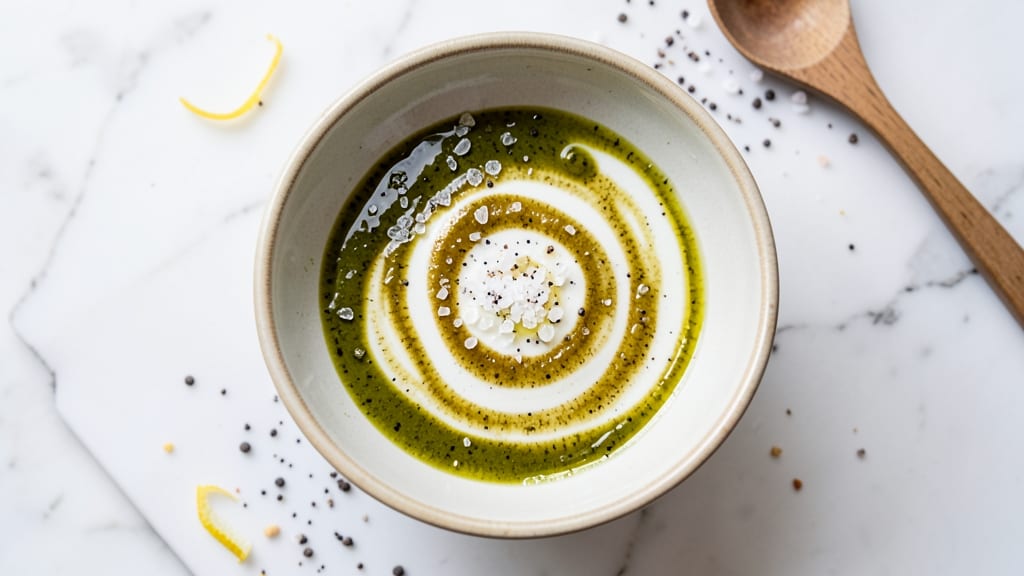
A basic salad vinaigrette recipe transforms simple greens into vibrant, restaurant-worthy dishes with just five ingredients and five minutes of work. The secret lies in balancing bold acidity with smooth oil—no fancy techniques required, just precise measurements and a whisk.
This versatile dressing elevates everything from crisp greens to hearty grain bowls, and it keeps beautifully in the fridge for up to a week.
The foundation of any great vinaigrette is the ratio: 3 parts oil to 1 part vinegar, with just enough seasoning to enhance without overpowering. I use high-quality extra-virgin olive oil for richness and white wine vinegar for brightness, but apple cider or balsamic vinegar work equally well.
A pinch of Dijon mustard (optional) helps emulsify the dressing, ensuring it clings to every leaf.
What makes this recipe truly special is its adaptability—toss in fresh herbs for brightness, minced shallots for depth, or a touch of honey for sweetness.
The result is a dressing that’s bold yet balanced, with a tangy finish that cuts through rich ingredients while letting the natural flavors shine through. Perfect for meal prep, this vinaigrette is your go-to for effortless, flavor-packed meals.
Whether you're dressing a simple green salad, drizzling over roasted vegetables, or using it as a marinade, this recipe delivers restaurant-quality results without the fuss. Store it in a sealed jar in the refrigerator, and shake well before each use to maintain its silky texture. Let’s get started!
Ingredients for basic salad vinaigrette
Eight ingredients, five minutes—this vinaigrette delivers restaurant-quality balance with minimal effort.
| Ingredient | Amount | Notes |
|---|---|---|
| Extra-Virgin Olive Oil 🫒 | ¾ cup | High-quality, fruity, cold-pressed preferred |
| White Wine Vinegar 🍷 | ¼ cup | Dry, crisp variety recommended |
| Dijon Mustard 🌶️ | 1 tbsp | Optional for emulsification |
| Granulated Sugar 🍯 | 1 tsp | Or honey/maple syrup for variation |
| Diamond Crystal Kosher Salt 🧂 | ½ tsp | Fine grain preferred for dissolving |
| Freshly Ground Black Pepper 🌶️ | ¼ tsp | Freshly cracked for optimal flavor |
| Garlic Cloves 🧄 | 1 whole | Minced, optional for depth |
| Fresh Parsley 🌿 | ¼ cup | Chopped, optional for brightness |
The olive oil and vinegar are the backbone of this dressing, so quality matters. Look for extra-virgin olive oil with a harvest date within the last year—it should smell fresh and fruity, not rancid. White wine vinegar from a glass bottle (like Barefoot or La Tour Anglaise) holds its acidity better than plastic. For the mustard, Maille or Amora are reliable brands, but any good-quality Dijon works. Fresh garlic and parsley elevate the dressing, but they're optional if you're keeping it simple. The kosher salt should be Diamond Crystal—it's finer and dissolves completely, unlike Morton's.
No Dijon mustard? Substitute with 1 tsp of honey or maple syrup to help emulsify, though the texture may separate slightly. Short on parsley? Fresh basil or tarragon work beautifully for a different herbal note. Want more depth? Add 1 tsp of minced shallot or red wine vinegar. For a sweeter profile, increase the sugar to 1.5 tsp or add 1 tsp of balsamic vinegar. If you prefer a smoother texture, blend the ingredients instead of whisking—though traditionalists argue whisking creates a better emulsion. The garlic is non-negotiable for flavor, but if you're sensitive to its taste, reduce it to half a clove.
This vinaigrette keeps for up to 1 week in the fridge, stored in a clean, airtight jar. Shake well before each use, as the oil and vinegar will naturally separate. For longer storage, transfer to a sterilized glass jar and refrigerate—it'll stay fresh for up to 3 months if properly sealed. Double the batch and store extras for quick meals; it's perfect for drizzling over roasted vegetables, grain bowls, or even grilled proteins. If the dressing separates, simply whisk or shake vigorously to re-emulsify before using.
Why You'll Love This Recipe
- No-Fuss Whisking: I swear by this recipe because it’s just three ingredients plus a shake—no blender, no straining, no fancy tools. The Dijon mustard emulsifies the oil and vinegar in seconds, so even if you spill half, you’re still golden.
- Tangy Crunch Factor: That balance of sharp white wine vinegar and just a pinch of sugar? It’s the kind of dressing that makes your greens taste like they’re from a $20 salad bar—not your fridge. (Yes, even wilted spinach gets a second chance.)
- Meal Prep MVP: Make a big batch on Sunday, and you’ve got lunch sorted for the week. It keeps for ages in the fridge, and I’ve used it on everything from grain bowls to roasted chicken—no one ever guesses it’s the same dressing.
- Pocketbook Hero: Extra-virgin olive oil and vinegar are the workhorses of my pantry, and this recipe uses them wisely. A little goes a long way, so you’re not blowing cash on single-serving bottles. Plus, the sugar and salt cost pennies.
Step-by-step instructions for perfect salad vinaigrette
This classic dressing comes together in minutes with precise technique and bold flavor balance.
Whisk Vinegar and Seasonings to Create the Base
In a medium bowl, combine the 0.25 cup white wine vinegar, 1 tsp granulated sugar, 0.5 tsp Diamond Crystal kosher salt, and 0.25 tsp freshly ground black pepper. Use a whisk to blend until the sugar and salt fully dissolve—this creates a smooth foundation for the dressing. The sugar helps balance the acidity while the salt enhances all flavors. I like to add the 1 minced garlic clove at this stage for subtle depth, though it's optional if you prefer a cleaner flavor profile.
If using the 1 tbsp Dijon mustard, add it now and whisk vigorously for 10-15 seconds to emulsify slightly. The mustard acts as a natural emulsifier, helping the oil and vinegar blend smoothly later. Skip this if you prefer a simpler dressing—just the acid and oil will still create a balanced vinaigrette.
Gradually Incorporate the Olive Oil for Emulsion
With the whisk still in the bowl, slowly drizzle in the 0.75 cup extra-virgin olive oil while whisking continuously. Start with a few drops at a time, then gradually increase to a steady stream. This gradual addition prevents the oil from separating and ensures a silky, cohesive texture. Whisk vigorously for 30-45 seconds after adding all the oil—you should hear a faint "schlick" sound as the dressing begins to thicken slightly.
The key here is patience. If you pour the oil in too quickly, the dressing will break and separate. You're aiming for a thick, glossy consistency that clings beautifully to greens. If it looks too thin, whisk in 1-2 teaspoons of vinegar; if too thick, add 1-2 teaspoons of water to adjust the balance.
Finish with Fresh Parsley and Final Taste Adjustments
Stir in the 0.25 cup chopped fresh parsley using a spoon to distribute it evenly. The parsley adds brightness and a pop of color, but don't overmix—just fold it in gently to preserve its freshness. Taste the dressing immediately and adjust seasoning if needed. You might need a touch more salt to balance the acidity or a sprinkle of pepper for heat.
For a restaurant-quality finish, let the dressing rest for 5-10 minutes before serving. This allows the flavors to meld fully. If you notice any separation after resting, simply whisk again for 10 seconds—the acid and oil will re-emulsify instantly. Store any leftovers in an airtight container in the refrigerator for up to 5 days, shaking well before each use.
Serve Immediately for Maximum Freshness
Transfer the vinaigrette to a small pitcher or bowl and drizzle it over your salad just before serving. The dressing should coat the greens evenly without making them soggy. I recommend using it immediately after tossing your greens to preserve that crisp, vibrant texture. If storing for later, keep the dressing and greens separate until ready to serve.
This dressing works beautifully with mixed greens, arugula, or even hearty ingredients like roasted vegetables and grilled chicken. The balance of acid, oil, and seasoning ensures every bite is bright and satisfying. For extra richness, you can substitute 0.25 cup white wine vinegar with 0.25 cup apple cider vinegar—just adjust the sugar to 0.75 tsp to compensate for the natural sweetness.
Pro Tips For Making Basic Salad Vinaigrette
- Mix Mustard First: Whisk the Dijon into the vinegar and sugar before adding oil—this emulsifies the mustard properly and prevents clumping. I learned this the hard way after making a lumpy vinaigrette that tasted like a science experiment gone wrong.
- Use Room-Temp Oil: Cold oil from the fridge won’t blend smoothly—let your olive oil sit out for 10 minutes before measuring. The difference in texture is noticeable, especially when dressing greens or hearty salads.
- Salt the Vinegar: Dissolve the kosher salt directly into the vinegar (not the oil) while whisking—this ensures even distribution and prevents grainy bits. Skip this, and you’ll end up with a dressing that tastes unevenly seasoned.
- Shake Before Pouring: Give the bottle a quick shake right before dressing your salad—settled mustard and sugar sink, so you’ll get a more balanced flavor with every pour. (Yes, even if you’re impatient like me.)
Make-ahead tips for this recipe
Batch Prep Secrets
Double the recipe and store it in amber glass bottles (like Weck jars) to protect the oil from light degradation. I make two batches weekly—one for salads and one for marinades.
The key is using airtight containers to prevent oxidation. Label with the date to track freshness—this dressing stays vibrant for up to 3 months in the fridge. 💛
Freezer-Friendly Hacks
For long-term storage, freeze the dressing in ice cube trays. Once frozen, transfer cubes to a ziplock bag and thaw only what you need. This works perfectly for herb-heavy versions (like parsley or basil) that might wilt in liquid storage.
Just add 1 tsp water to each cube when thawing to restore consistency. 🧊
Flavor Layering
Prep flavor bases separately to customize later. Store the vinegar-sugar-salt mix in one jar and the olive oil in another. When ready, combine with fresh herbs or aromatics (like minced shallots or garlic). This method keeps ingredients fresher longer and lets you experiment with flavors without waste. 🌿
Portion Control
Use small mason jars (4 oz size) for single-serving portions. Fill with 2 tbsp dressing and store upright in the fridge. Perfect for office lunches or quick salads—just grab, shake, and pour.
I keep these in my pantry for emergency meal prep days. The small size prevents overuse and keeps the dressing fresh. ✨
Herb Preservation
Chop herbs just before mixing to maintain vibrancy, but if prepping ahead, store them separately in a damp paper towel wrapped in plastic wrap. Add them to the dressing within 24 hours of making it for peak freshness.
For longer storage, freeze herbs in oil (like a herb oil) and mix into the dressing later. 🌱
Acid Balance Adjustments
If your vinegar is extra tangy, reduce it by 1 tbsp and add 1 tsp honey to balance. For milder vinegars (like apple cider), increase to 0.3 cup and adjust sugar to 1.5 tsp. Always taste as you go—this dressing is highly customizable to your taste preferences. 🍯
Nutrition facts
Frequently asked questions
Can I substitute balsamic vinegar for white wine vinegar?
Yes, but adjust the sweetness! Balsamic adds depth and caramel notes, so reduce the sugar to 0.5 tsp or omit it entirely. For a classic balsamic vinaigrette, use 0.25 cup aged balsamic vinegar and 0.5 tsp honey instead. The texture will be slightly thicker, perfect for hearty salads or roasted veggies.
Why does my dressing separate after a few hours?
Separation is normal—oil and vinegar naturally split due to different densities. To fix it, simply whisk or shake vigorously before using. For a more stable emulsion, add 1 tsp Dijon mustard or blend the ingredients briefly. Store in a clean, airtight jar to minimize separation. Pro tip: Use a smaller jar (like a mason jar) to reduce air exposure.
What’s the best way to store leftover dressing?
Keep it in an airtight glass jar in the fridge for up to 1 week. For longer storage, transfer to a sterilized glass container and refrigerate for up to 3 months. Always shake well before use—separation is normal. Avoid plastic containers, as they can absorb flavors and cause oxidation.
Can I use this dressing on non-salad dishes?
This versatile vinaigrette works as a marinade for grilled chicken or fish, a dip for crusty bread, or a glaze for roasted vegetables. For marinades, reduce the oil to 0.5 cup and add 1 tsp dried oregano for extra flavor. The acidity tenderizes proteins beautifully.
How do I make it thicker or thinner?
For a thicker dressing, whisk in 1-2 tsp extra Dijon mustard or reduce the oil by 1 tbsp. To thin it out, add 1-2 tsp water or vinegar and whisk until smooth. The ideal consistency should coat the back of a spoon without dripping. Adjust to your preference—thicker works well for grain bowls, while thinner suits delicate greens.