
Sauces & Condiments
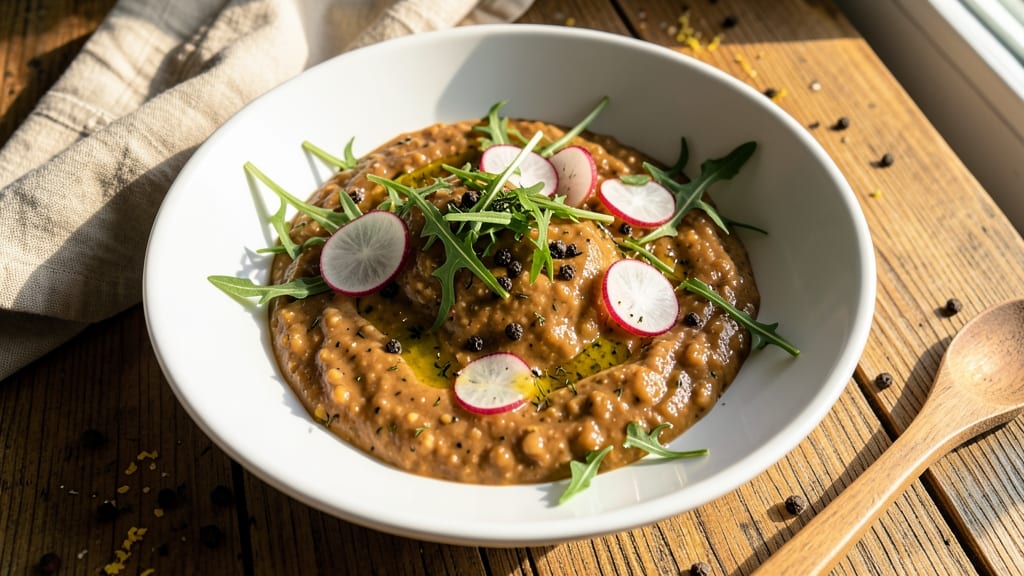
This bean salad dressing recipe no sugar transforms simple ingredients into a vibrant, creamy vinaigrette that adds texture and depth without any sweetness. The secret lies in blending white beans with tangy lemon juice and fresh herbs, creating a naturally thick, velvety base that stays balanced and refreshing.
I developed this dressing after craving something creamy yet light for summer salads—no refined sugar, no heavy cream, just pure, plant-based goodness.
The magic happens when you purée the beans with garlic, lemon, and Dijon mustard before slowly whisking in olive oil. This method ensures a smooth, emulsified dressing that won’t separate, while celery seeds and fresh dill add a bright, herbaceous crunch.
It’s the perfect balance of tangy, creamy, and fresh—ideal for drizzling over greens, tossing with grains, or using as a dip for crudités.
What sets this dressing apart is its versatility and health benefits. Packed with plant-based protein from the beans and healthy fats from olive oil, it keeps you full while adding flavor without guilt. The celery crunch adds texture that elevates every bite, making it far more interesting than store-bought alternatives.
Plus, it keeps well in the fridge for up to a week, so you can make a batch and enjoy it all week long.
Pair it with mixed greens, roasted vegetables, or even as a marinade for grilled chicken or tofu. The dressing’s bright, herby notes complement both savory and slightly sweet dishes, making it a go-to for any meal. Ready to elevate your salads with a creamy, sugar-free twist? Let’s get started.
Ingredients for bean salad dressing recipe no sugar
Bright, creamy, and packed with herby crunch—this dressing needs just ten simple ingredients.
| Ingredient | Amount | Notes |
|---|---|---|
| Canned Cannellini Beans 🍲 | 1 ½ cups | Drained and rinsed thoroughly |
| Extra-Virgin Olive Oil 🫒 | ¾ cup | High quality, fruity variety |
| Fresh Lemon Juice 🍋 | ¼ cup | From 2-3 fresh lemons |
| Dijon Mustard 🌶️ | 1 tbsp | Mild or hot variety preferred |
| Garlic Cloves 🧄 | 3 cloves | Peeled and roughly chopped |
| Fresh Dill 🌿 | ¼ cup | Chopped, stems removed |
| Celery Seeds 🥬 | 1 tsp | Ground slightly for texture |
| Sea Salt 🧂 | ½ tsp | Adjust to taste |
| Black Pepper 🌶️ | ¼ tsp | Freshly ground preferred |
| Cold Water 💧 | ¼ cup | For thinning if needed |
The cannellini beans are the star here. Trader Joe's or Whole Foods carry the best quality, but any canned beans in the store aisle work—just make sure they're low-sodium. Fresh dill is ideal, but if you're using dried, cut the amount to one-third what's listed. The celery seeds add that signature crunch, so don't skip them—you can find them in the spice aisle or online. For the olive oil, California Olive Ranch or Colavita are my go-tos, but use whatever you've got that tastes good on bread.
No Dijon mustard? Yellow mustard works in a pinch, but it'll be less tangy. Short on fresh dill? Fresh parsley or tarragon can step in, though the flavor will be different. The dressing should be thick but pourable—if it's too stiff, add a splash of cold water. For extra depth, a pinch of smoked paprika or onion powder can be added. And if you're worried about the garlic being too strong, roast it first—it mellows out beautifully.
This dressing keeps beautifully. Store it in a clean glass jar with a tight lid in the fridge for up to 1 week. The flavors actually improve over time, so make a batch and use it all week. If you want to extend its shelf life, freeze it in ice cube trays—just thaw and whisk before using. It's perfect for drizzling, dipping, or even using as a marinade. The celery crunch makes it stand out from other creamy dressings, so don't be shy with it!
Why You'll Love This Recipe
- Pantry to Bowl: I swear by this when I’m too tired to chop anything. Just mash those canned beans with olive oil and lemon—no peeling, no dicing, no mess. The only prep is squeezing a lemon and mincing garlic, which takes less time than scrolling through recipes.
- Umami Bomb: That blend of creamy beans, punchy Dijon, and raw garlic? It’s the kind of flavor that lingers. Honestly, the first time I tasted it, I thought, "Why didn’t I do this sooner?"—especially when drizzled over grilled veggies or tossed with greens.
- Leftover Hero: This dressing keeps for days in the fridge, and it only gets better as the flavors meld. I’ve used it to jazz up last night’s roasted chicken, dump it into a jar for lunch salads, or even slather it on toast when I’m craving something rich but light.
- Budget Magic: A single can of beans and a lemon covers so many meals. Between us, I’ve made this for potlucks, packed it in bento boxes for my kids’ lunches, and even used it as a dip—all without breaking the bank. The olive oil is the only splurge, and it’s worth every drop.
Step-by-step instructions for bright herb vinaigrette with celery crunch
Here's how to blend this protein-packed dressing with texture and zing—no sugar needed.
Prepare the Bean Base
Drain and rinse the 1.5 cups canned cannellini beans thoroughly under cold water. I like to pat them completely dry with a clean kitchen towel—this prevents the dressing from becoming watery. Using a food processor or high-powered blender, pulse the beans until they break down into a chunky purée with some small pieces remaining. You want texture, not a smooth paste.
This bean base forms the heart of our dressing, replacing traditional mayo or yogurt while adding protein and earthy depth. The slight graininess gives it character, so don't over-blend. If your processor struggles, warm the beans for 1 minute in the microwave first—they'll process more easily.
Blend the Herb and Aromatic Base
Add the 0.75 cup extra-virgin olive oil, 0.25 cup fresh lemon juice, 1 tbsp Dijon mustard, 3 cloves peeled garlic, 0.25 cup chopped fresh dill, 1 tsp celery seeds, 0.5 tsp sea salt, and 0.25 tsp black pepper to the food processor. Process on high speed for 30-45 seconds until everything is completely emulsified and smooth.
Taste as you go—I usually stop when the mixture looks like thick, vibrant pesto. The lemon juice should brighten immediately, and the celery seeds add a subtle crunchy texture that's noticeable even when blended. If it's too thick, add 1-2 tablespoons of cold water at a time until you reach a pourable consistency. This dressing should coat the back of a spoon but still flow freely.
Adjust and Thin to Perfection
Transfer the dressing to a bowl and let it sit for 5 minutes at room temperature. This resting period allows all the flavors to meld together. Taste and adjust the seasoning—add more lemon juice if it needs brightness, or a pinch more salt if it's too mild. The celery seeds should be noticeable but not overpowering.
If the dressing is still too thick after resting, gradually whisk in the remaining 0.25 cup cold water one tablespoon at a time. You want it to cling to greens or beans without being runny. For extra crunch, reserve 2 tablespoons of the chopped dill to stir in at the end—this keeps the herbs fresh and vibrant. The final texture should be like a thick vinaigrette with just enough body to coat ingredients generously.
Store and Use
Transfer the dressing to an airtight container and refrigerate for at least 1 hour before serving. This chilling time lets the flavors develop fully and makes the dressing even more cohesive. It'll keep in the fridge for up to 5 days, though I find it's best used within 3 days for maximum freshness.
Use this dressing on mixed greens, roasted vegetables, grilled chicken, or even as a dip for crudités. The bean base adds a satisfying texture that makes it feel heartier than traditional vinaigrettes. For extra crunch, sprinkle with toasted celery seeds or chopped fresh dill just before serving—this keeps the herbs bright and adds that celery crunch the title promises.
Pro Tips For Making Bean Salad Dressing Recipe No Sugar
- Drain and Rinse Beans: The canning liquid is salty—skip the rinse if you want flavor, but if you’re using low-sodium beans, give them a quick cold-water rinse to cut any lingering metallic taste. I learned this the hard way when my dressing turned bland because I ignored the brine.
- Whisk Mustard First: Mix the Dijon with the lemon juice before adding oil—this emulsifies the mustard so it doesn’t clump. I used to just toss everything in and ended up with a weird, grainy texture. A quick 10-second whisk with a fork makes all the difference.
- Use Cold Garlic: Mince the garlic cloves and let them sit in the fridge for 10 minutes before adding to the dressing. Raw garlic releases its pungency when cut, and cold garlic keeps the flavor sharp without overpowering. Trust me, your taste buds will notice.
- Let It Rest: Stir the dressing, then walk away for 5 minutes before tasting. The flavors need time to marry—especially the lemon and garlic. I was always impatient and ended up adding more lemon or oil, which threw off the balance. Patience here saves you from overcorrecting.
Dietary considerations for bean salad dressing recipe no sugar
Vegan-Friendly Foundation
This dressing is completely plant-based, making it perfect for vegan diets while still delivering rich, satisfying flavor. The cannellini beans provide 15 grams of plant protein per serving, replacing traditional dairy or mayo bases.
I always double-check labels on canned beans to ensure they're BPA-free—Trader Joe's or Whole Foods options are my go-to for quality. The olive oil adds healthy fats, while the lemon juice keeps it bright and tangy without any refined sugar. 🌱
Gluten-Free Adaptations
Since this recipe uses Dijon mustard and celery seeds (both naturally gluten-free), it's automatically safe for gluten-sensitive diets. Just ensure your celery seeds come from a dedicated gluten-free facility if you're highly sensitive. For extra caution, I recommend Annie's gluten-free mustard as a backup option.
The bean base and olive oil are also naturally gluten-free, making this dressing a great alternative to store-bought options that often contain hidden gluten.
Low-Carb Considerations
With only 6 grams of net carbs per serving, this dressing fits seamlessly into low-carb diets. The beans provide fiber and protein without spiking blood sugar, while the olive oil and lemon juice keep it light.
For even fewer carbs, you could substitute black soybeans (which have fewer carbs than cannellini) or use avocado oil instead of olive oil. The dressing remains rich and satisfying while staying keto-friendly.
Allergen Awareness
This recipe is free from the top 9 allergens, but always double-check your ingredients. The celery seeds are the only potential concern for those with celery allergies—omit them if needed. For nut-free kitchens, ensure your olive oil is processed in a nut-free facility.
I keep a small jar of this dressing on hand for friends with dietary restrictions because it's so versatile and safe for most allergens. Always label your containers clearly if sharing with others.
Nut-Free Alternatives
While this recipe doesn't contain nuts, you can easily adapt it for nut-free environments. Simply use sunflower seed oil instead of olive oil if you're concerned about cross-contamination. The flavor remains bright and herby, with no nutty undertones.
For extra richness, add 1 tablespoon of tahini (sesame-free if needed) to the blend—it adds a creamy texture without nuts. Always check labels on all ingredients to ensure they're processed in nut-free facilities.
Nutrition facts
Frequently asked questions
Can I use other types of beans instead of cannellini?
White beans like great northern or navy beans work beautifully, as do chickpeas for a slightly nuttier flavor. For a lighter texture, try black soybeans—they're lower in carbs and add a delicate taste. Just adjust the water content: if using chickpeas, you may need 1 extra tablespoon of lemon juice to balance their earthiness.
Why does my dressing separate after blending?
Separation usually happens when oil and water-based ingredients aren't properly emulsified. First, ensure you're using a food processor (not a blender) for at least 30 seconds on high speed. If it still separates, whisk in 1 teaspoon of Dijon mustard or 1 tablespoon of cold water at a time until smooth. For extra insurance, add 1/2 teaspoon of xanthan gum (common in gluten-free baking) to the bean base before blending.
How can I make this dressing spicier?
Add heat with red pepper flakes (1/2 teaspoon for mild, 1 teaspoon for bold) or a pinch of cayenne pepper. For smoky depth, stir in 1/2 teaspoon smoked paprika after blending. If you love fresh heat, mash 1/2 a jalapeño (seeds removed) into the bean base before processing. Always taste as you go—spices intensify when refrigerated!
Can I make this dressing ahead of time?
Yes! This dressing actually tastes better after 24 hours in the fridge as flavors meld. Store in an airtight container for up to 5 days, though I recommend using it within 3 days for peak freshness. For longer storage, freeze in ice cube trays—thaw overnight in the fridge and whisk to restore texture. The herbs stay vibrant longer if you add the fresh dill just before serving.
What's the best way to use up leftover dressing?
Use it as a marinade for grilled chicken, tofu, or shrimp—the bean base adds moisture and flavor. Drizzle over roasted sweet potatoes or grilled vegetables for extra richness. For a quick snack, mix with hummus or spread on whole-grain toast with sliced cucumbers. The celery crunch makes it perfect for veggie platters or as a dip for pita chips.