
Salads
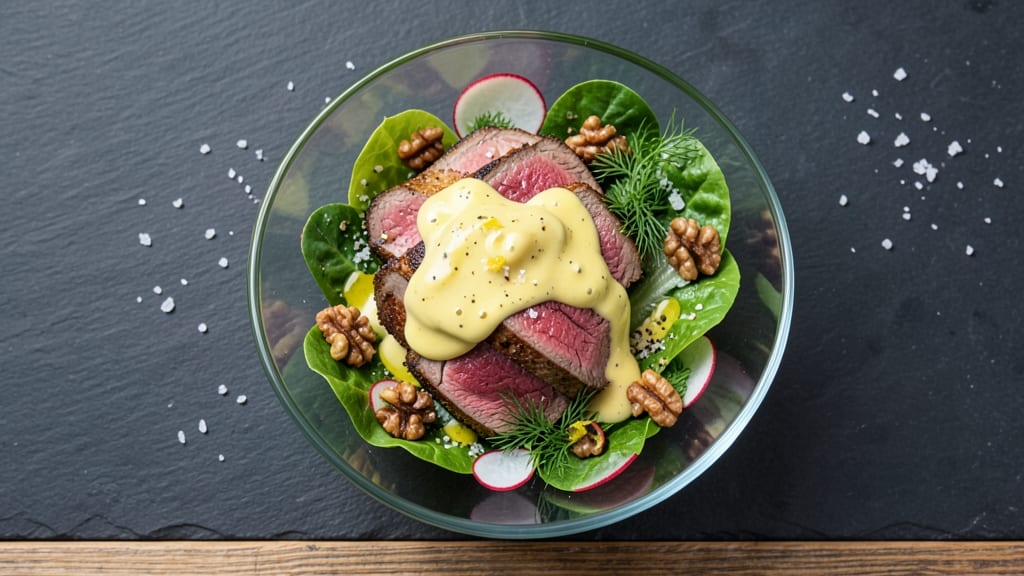
This beef fillet salad recipe transforms premium steak into a restaurant-worthy dish with just 15 minutes of active prep. The secret lies in perfectly seared rare beef fillet bites paired with a velvety horseradish dressing that cuts through the richness while maintaining elegant sophistication.
What sets this apart is the balance—tender, juicy steak meets crisp greens and bright toppings without overwhelming the plate.
The technique is straightforward but critical: quick searing in a screaming-hot pan ensures a perfect crust while keeping the interior rare and tender. A sharp horseradish cream dressing ties everything together, adding a subtle kick that enhances rather than dominates.
This isn't your average salad—it's a protein-forward masterpiece that delivers both visual appeal and bold flavor in every bite.
What you'll achieve is a dish that feels indulgent yet light, with each component playing its part: crispy-edged steak that stays juicy, creamy dressing that clings beautifully, and fresh toppings that add texture contrast.
The presentation is just as important as the taste—think elegant plating with precise ingredient placement for maximum impact.
Perfect for summer entertaining or a special weeknight dinner, this recipe scales effortlessly from two to four servings. The key is confidence in the cooking technique—once you master the sear, the rest comes together seamlessly. Let's create a salad that feels like a celebration on a plate.
Ingredients for beef fillet salad
Premium cuts and bold flavors transform this salad into an elegant yet approachable centerpiece.
| Ingredient | Amount | Notes |
|---|---|---|
| Beef Fillet (Tenderloin) 🥩 | 1 lb | Center-cut, rare preferred |
| Extra-Virgin Olive Oil 🫒 | ¼ cup | High-quality, fruity variety |
| Kosher Salt 🧂 | 1 ½ tsp | Diamond Crystal preferred |
| Freshly Ground Black Pepper 🌶️ | ½ tsp | Cracked peppercorns preferred |
| Fresh Horseradish Root 🌿 | 2 tbsp | Freshly grated, pungent variety |
| Mayonnaise 🥫 | ½ cup | High-quality, full-fat |
| Heavy Cream 🥛 | ¼ cup | Full-fat, cold |
| Fresh Lemon Juice 🍋 | 1 tbsp | Freshly squeezed |
| Baby Arugula 🌱 | 4 cups | Tender, organic preferred |
| Red Radishes 🍅 | 1 whole | Thinly sliced, vibrant |
| Toasted Walnuts 🥜 | ½ cup | Chopped, lightly toasted |
| Parmesan Cheese 🧀 | ¼ cup | Freshly grated, aged |
| Fresh Chives 🌿 | 2 tbsp | Finely chopped, mild |
| Microgreens 🌱 | ¼ cup | For garnish, delicate |
The beef fillet is non-negotiable—tenderloin with good marbling ensures the perfect balance of tenderness and flavor. Whole Foods or high-end butcher shops carry the best center-cut pieces, but even standard grocery stores often stock quality fillets. Look for vibrant color and avoid any with grayish edges. For the horseradish, freshly grated root delivers the sharpest kick—prepared horseradish loses potency quickly. The arugula should be bright green and crisp, not wilted, and organic varieties tend to have more robust flavor. Walnuts should be toasted to enhance their natural nuttiness—lightly browned in a dry pan for 3-4 minutes.
No fresh horseradish? Prepared horseradish with a splash of apple cider vinegar works in a pinch, though the texture won't be as velvety. Substitute the heavy cream with Greek yogurt for a tangier profile, but reduce the lemon juice slightly to balance. If you're avoiding dairy entirely, vegan mayo and coconut cream can mimic the richness, though the texture will differ. For the radishes, thinly sliced purple or daikon adds visual contrast without overpowering. The Parmesan can be swapped for Pecorino Romano for a sharper bite, but freshly grated is essential—pre-shredded contains anti-caking agents that dull the flavor.
Store the raw beef fillet in the coldest part of your fridge, wrapped tightly, and use within 2 days for optimal tenderness. The horseradish dressing keeps for 3 days in an airtight container, but the horseradish will mellow over time—add a splash of lemon juice before serving to revive its sharpness. The salad greens should be stored in a sealed container with a paper towel to absorb moisture, lasting 2-3 days. For presentation, assemble the salad just before serving to maintain crispness. The microgreens and chives should be added last to preserve their delicate texture and vibrant color.
Why You'll Love This Recipe
- No-Fuss Protein Power: I slice the tenderloin thin—no fancy butchering, just a sharp knife and 10 minutes—and sear it in olive oil until it’s still pink inside. That’s it. No brining, no marinating, no stress. The horseradish adds a kick that keeps things interesting without overpowering.
- Horseradish Magic: Between us, that fresh horseradish root is the secret weapon. A few grates over the sliced beef turn a simple salad into something ridiculously good—bright, tangy, and sharp enough to cut through the richness of the fillet. Honestly, it’s the kind of flavor that makes you reach for the second helping.
- Weeknight to Dinner Party: This salad works just as well for a lazy Tuesday as it does for a fancier spread. Toss it with arugula and shaved fennel for a quick lunch, or pile it high on crusty bread with a drizzle of balsamic for a dinner that feels special. The fillet stays tender, so it’s forgiving if you’re not a chef.
- Leftovers That Don’t Suck: Unlike most salads, this one actually tastes better the next day. The beef holds up, the horseradish mellows into a deeper flavor, and you’ve got a meal ready in seconds. I’ll be real: I’ve eaten this cold from the fridge on a busy morning, and it’s still solid. No sad, wilted greens here.
Step-by-step instructions for rare steak bites over creamy horseradish dressing
This elegant salad delivers perfect rare steak paired with a velvety horseradish dressing.
Prepare the Horseradish Dressing
In a small bowl, combine the 0.5 cup mayonnaise, 0.25 cup heavy cream, and 2 tbsp freshly grated horseradish root. Mix thoroughly until smooth and fully incorporated. The horseradish should be finely grated to prevent any graininess in the final dressing.
Add the 1 tbsp fresh lemon juice and 0.5 tsp freshly ground black pepper, then whisk again until completely emulsified. Taste and adjust seasoning with the 1.5 tsp kosher salt if needed. Cover and refrigerate while you prepare the steak—this allows the flavors to meld perfectly.
Sear the Beef Fillet to Rare Perfection
Pat the 1 lb beef fillet (tenderloin) completely dry with paper towels—this ensures maximum crispiness on the exterior. Season both sides generously with the remaining 1 tsp kosher salt and 0.25 tsp black pepper, pressing the seasoning into the meat.
Heat a heavy skillet over high heat until it's screaming hot, then add the 0.25 cup extra-virgin olive oil. Once the oil shimmers, add the steak and sear for 2-3 minutes per side for medium-rare, or 1-2 minutes per side for rare. The internal temperature should reach 120-125°F for rare. Remove from heat and let rest for 5 minutes before slicing.
Assemble the Salad Base
In a large bowl, gently toss the 4 cups baby arugula with the 0.5 cup toasted walnuts and 0.25 cup freshly grated parmesan cheese. Thinly slice the 1 whole red radish and add to the bowl along with the 2 tbsp finely chopped fresh chives. The radish adds a crisp, peppery contrast that cuts through the richness of the steak.
Divide the salad among four plates, creating an even bed of greens and toppings. Spoon the reserved horseradish dressing over each portion, allowing it to cascade through the greens. The dressing should coat the arugula lightly without overwhelming the delicate flavors.
Slice and Serve the Steak
Slice the rested beef fillet into ½-inch thick medallions against the grain for maximum tenderness. Arrange 2-3 medallions per plate over the salad base, ensuring each serving has an equal distribution of steak and greens.
Garnish each plate with the 0.25 cup microgreens, adding a final touch of color and freshness. Serve immediately while the steak is still warm and the dressing maintains its creamy consistency. The combination of rare steak, peppery radish, and creamy horseradish dressing creates a harmonious balance of textures and flavors.
Pro Tips For Making Beef Fillet Salad
- SEAR THEN CHILL: Hit the fillet hard in a screaming-hot pan with olive oil—just 30 seconds per side for a deep crust—then plunge it into ice water for 30 seconds. This stops the cooking and keeps the texture buttery, not chewy. (Yes, it’s weird, but your salad will thank you.)
- GRATE THE HORSERADISH FRESH: Skip the jarred horseradish—it’s dull and bitter. Use a microplane on fresh root, then toss it with a splash of olive oil to mellow the bite. Add it to the salad just before serving so it doesn’t turn the dressing into a sad, watery mess.
- SALT THE MEAT TWICE: Kosher salt the fillet before searing, then again right after it hits the pan. The first layer seasons deeply, the second locks in moisture. (I learned this the hard way—dry, salty crusts are a crime against beef.)
- LET IT REST (REALLY): After cooking, tent the fillet loosely with foil and walk away for 5 minutes. Cutting into it too soon makes the juices pool at the bottom of your salad bowl instead of staying where they belong—in the meat. (Your guests won’t see the foil. They’ll just notice the difference.)
Storing and reheating your leftovers
Steak Storage Secrets
Store your 1 lb beef fillet in an airtight container on the bottom shelf of your fridge—this keeps it at the coldest temperature possible. Wrap it tightly in plastic wrap or butcher paper before placing it in the container to prevent moisture loss.
Use within 2 days for peak tenderness, and never store it uncovered as it will dry out quickly. 🥩
Dressing Longevity
Your creamy horseradish dressing stays fresh for 3 days in the fridge, but the horseradish flavor mellows over time. To revive it, whisk in ½ tsp fresh lemon juice before serving.
Store it in a small glass jar with a tight-sealing lid, and keep it submerged in dressing to prevent a skin from forming. The texture remains velvety if stored properly.
Salad Prep Ahead
Assemble the salad base—arugula, radishes, walnuts, and chives—up to 1 day ahead and store in an airtight container with a paper towel to absorb excess moisture. Keep the dressing separate until ready to serve.
The greens will stay crisp if you avoid crushing them—store them in a single layer in the container. Add the steak fresh to maintain its perfect sear and temperature.
Reheating Steak Safely
If you must reheat the steak, use a skillet over low heat for 2-3 minutes per side—just enough to warm through without overcooking. Add 1 tsp butter to the pan to keep it moist.
For maximum flavor, reheat immediately after slicing rather than storing the cooked steak. The internal temperature should reach 130°F to maintain safety while preserving tenderness. 🔥
Freezer Options
You can freeze the steak medallions for up to 1 month by wrapping them individually in plastic wrap and placing them in a freezer bag. Thaw overnight in the fridge before reheating.
The salad components don't freeze well—prep them fresh each time. If freezing the dressing, add an extra ½ tsp lemon juice to maintain sharpness after thawing.
Plating for Freshness
Assemble the salad on each plate just before serving to maintain crispness and presentation. The microgreens should be added last to preserve their delicate texture. Keep the steak medallions warm in a 200°F oven for up to 10 minutes while you plate—this prevents chilling and maintains the perfect sear.
Serve immediately for the best experience. ✨
Nutrition facts
Frequently asked questions
Can I substitute the beef fillet with another protein?
While beef fillet delivers the best flavor and texture, you can use filet mignon or sirloin for similar results. For a lighter option, try grilled chicken breast (cooked to 165°F), though it won't have the same richness. Avoid lean cuts like flank steak—they can dry out quickly when sliced thin. The key is tender, juicy protein that holds up to slicing.
How do I adjust the recipe for fewer/more servings?
Scale all ingredients proportionally. For 2 servings, halve everything (including the 1 lb beef fillet becomes ½ lb). For 6 servings, multiply by 1.5 (use 1.5 lbs beef and adjust greens/dressing accordingly). The horseradish dressing ratio stays consistent—just increase the mayo and cream proportionally. Keep the steak slices at ½-inch thick for even cooking.
What if I can't find baby arugula?
Use mixed baby greens or butter lettuce for a milder flavor, or spinach for heartier texture. Avoid iceberg—it lacks the peppery bite that balances the creamy dressing. If using spinach, wilt it slightly with a pinch of salt before assembling to remove excess moisture. The radishes and walnuts will still provide the necessary crunch and contrast.
Can I make this salad ahead of time?
Prep the salad base (greens, radishes, walnuts) up to 1 day ahead and store separately from the dressing. Keep the steak raw until serving—sear it fresh to maintain the perfect rare temperature. The dressing stays fresh for 3 days but revives best with a splash of lemon juice before serving. Assemble everything just before eating to preserve crispness and presentation.
Why does my steak turn out dry?
Overcooking or skipping the 5-minute rest after searing are the most common mistakes. Use a meat thermometer to hit 120-125°F for rare, and let it rest—juices redistribute during this time. Pat the steak completely dry before seasoning (moisture steams instead of sears), and use a heavy skillet for even heat distribution. A ½-inch thick slice ensures tenderness.