
Sauces & Condiments
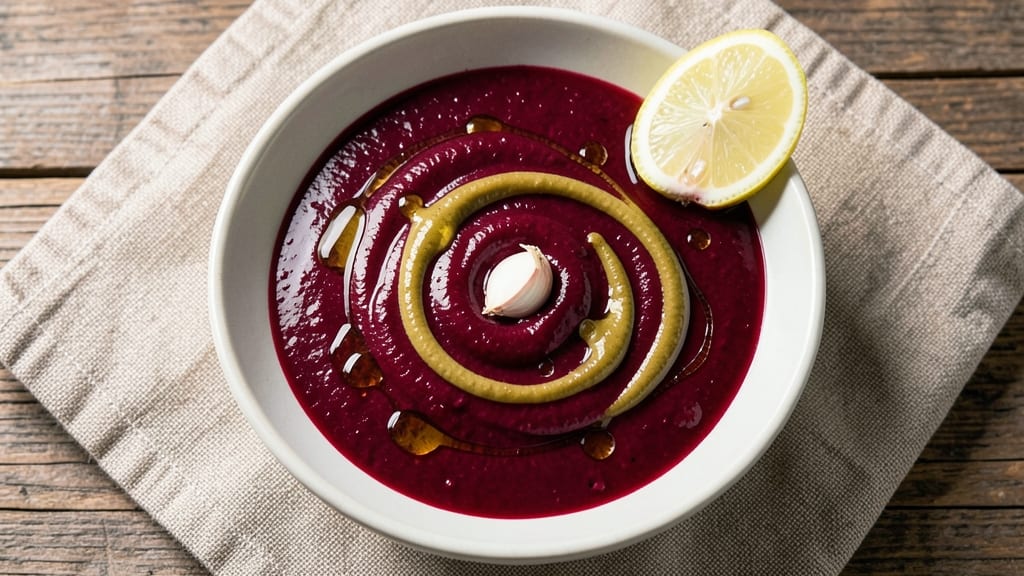
This beet juice salad dressing recipe transforms simple greens into a vibrant, earthy masterpiece with every swirl of purple. 💜 The secret lies in balancing sweet beet juice with tangy vinegar and a touch of mustard for emulsification—no honey needed.
This dressing isn't just visually stunning; it adds a deep, slightly sweet complexity that elevates even the most basic salads.
What makes this dressing truly special is its versatility and stability. Unlike many homemade dressings that separate, this one stays creamy thanks to a simple emulsification technique using Dijon mustard and olive oil.
The beet juice provides natural sweetness while the lemon juice brightens the flavor profile, creating a perfect harmony of earthy and tangy notes.
With just a few simple ingredients—beet juice, vinegar, olive oil, mustard, and herbs—you'll create a dressing that's as nutritious as it is delicious.
The vibrant purple color will make any salad look restaurant-worthy, while the flavor profile adds depth that complements both fresh greens and heartier ingredients like roasted vegetables or grilled chicken.
Store it in the refrigerator for up to a week, giving you a quick and healthy dressing option for salads, sandwiches, or even as a marinade. The best part? It's completely vegan, gluten-free, and packed with antioxidants from the beets. Let's get started on this vibrant, flavorful creation!
Ingredients for beet juice salad dressing
Nine ingredients blend into a vibrant, earthy dressing that transforms salads into edible art.
| Ingredient | Amount | Notes |
|---|---|---|
| Fresh Beet Juice 💜 | ½ cup | Homemade or store-bought, unsweetened |
| Extra-Virgin Olive Oil 🫒 | ½ cup | High-quality, fruity variety preferred |
| Apple Cider Vinegar 🍎 | ¼ cup | Raw, unfiltered for best flavor |
| Dijon Mustard 🌶️ | 1 tbsp | For proper emulsification |
| Fresh Lemon Juice 🍋 | 1 tbsp | Freshly squeezed, no pulp |
| Garlic Cloves 🧄 | 1 whole | Minced finely for subtle flavor |
| Fresh Dill 🌿 | 1 tbsp | Chopped finely, stems removed |
| Sea Salt 🧂 | ½ tsp | Fine grain preferred |
| Black Peppercorns 🌶️ | ¼ tsp | Freshly cracked for aroma |
The beet juice is the heart of this dressing—store-bought unsweetened juice works, but homemade yields deeper flavor. For the best quality, Whole Foods or local farmers' markets often carry organic beets. If using fresh beets, roast them first for easier juicing. The Dijon mustard is non-negotiable; it's what creates that silky texture without separation. Maille or whole-grain Dijon brands deliver the best results. Fresh herbs like dill and garlic elevate the dressing beyond just sweetness, adding a bright, aromatic complexity that pairs beautifully with roasted vegetables or grilled chicken.
No fresh dill? Fresh parsley or tarragon work in a pinch, though dill's unique flavor is ideal. Running short on beet juice? Pomegranate juice or carrot juice can substitute, though they'll alter the color slightly. The olive oil should be extra-virgin and fruity—avoid light or refined oils that lack flavor. If you prefer a sweeter dressing, add 1 tsp maple syrup (not honey, as this is vegan). For extra tang, increase the apple cider vinegar by 1/2 tsp. The emulsification technique ensures this dressing stays creamy—don't skip the mustard, even if you're tempted to cut corners.
This dressing stays fresh for up to 1 week when stored in an airtight container in the refrigerator. For longer storage, transfer to a sterilized glass jar and freeze for up to 3 months. Before using, give it a good shake—it may thicken slightly in the fridge. The vibrant purple color fades slightly over time, but the flavor remains rich. Use it on salads, as a marinade for tofu or tempeh, or even drizzled over roasted sweet potatoes for a stunning presentation. The dressing's versatility makes it a pantry staple worth repeating.
Why You'll Love This Recipe
- Five-Ingredient Magic: I swear by this combo—just blend, shake, and go. No fancy techniques, no last-minute store runs, and honestly? The fresh beet juice does all the heavy lifting while I pour.
- Earthy Tang Kick: That Dijon mustard and lemon juice cut through the sweetness like a fresh breeze. It’s not cloying, not boring—it’s the kind of dressing that makes you actually want to eat your greens.
- Weeknight Sidekick: I keep a jar in the fridge for everything: grain bowls, roasted veggies, even as a dip. (Yes, even on a Tuesday night when I’m too tired to think.) It’s my secret weapon for meals that feel intentional without the fuss.
- Budget-Friendly Luxury: Fresh beets are cheaper than you’d think, and this dressing lasts forever—I’ve had it for a week, and it’s still vibrant. Plus, olive oil and vinegar stretch across multiple recipes, so it’s basically free flavor.
Step-by-step instructions for vibrant beet juice dressing
Whisk together these ingredients for a dressing that transforms simple salads into earthy, visually stunning dishes.
👨🍳 Step 1: Prepare the Base Ingredients
In a medium bowl, combine the 0.5 cup fresh beet juice with the 0.25 cup apple cider vinegar. This acid-vinegar balance is crucial—it prevents the beet's sweetness from becoming overwhelming while preserving its natural depth. You'll notice the mixture immediately takes on that rich magenta hue, which will become the signature swirl in your dressing.
Add the 1 tbsp Dijon mustard and 1 tbsp fresh lemon juice next. The mustard acts as an emulsifier, ensuring the oil and liquid components bind together smoothly. Stir these dry ingredients into the wet mixture using a whisk, breaking up any lumps in the mustard completely. This step prevents graininess in your final dressing.
🍳 Step 2: Incorporate Aromatics and Seasonings
Finely mince the 1 whole garlic clove using a microplane or sharp knife—you want a paste-like consistency rather than visible chunks. Add this to the bowl along with the 1 tbsp finely chopped fresh dill. The garlic will infuse subtle depth while the dill brings bright, herbal notes that cut through the beet's earthiness.
Season with the 0.5 tsp sea salt and freshly cracked 0.25 tsp black peppercorns. Taste the mixture at this stage—it should be tangy, slightly sweet, and well-balanced. If you find it too acidic, add a pinch more salt; if it's too mild, a splash of lemon juice will brighten it up. This is your flavor baseline before adding the oil.
🥘 Step 3: Emulsify with Olive Oil
With the motor running on low speed in an immersion blender, or using a whisk in a steady motion, slowly drizzle in the 0.5 cup extra-virgin olive oil. The key here is patience—adding the oil too quickly will create a separated dressing. You're looking for a texture that's thick enough to coat the back of a spoon but still pourable.
Continue blending for 1-2 minutes until the dressing becomes uniformly purple with no visible oil separation. The emulsification process happens when the mustard and vinegar create tiny pockets that trap the oil droplets. If you see any separation, simply whisk vigorously for another 30 seconds to restore the smooth consistency.
⏰ Step 4: Rest and Adjust
Cover the bowl and let the dressing rest at room temperature for 10 minutes. This resting period allows all the flavors to meld together and the emulsification to fully stabilize. You'll notice the color deepens slightly as the beet pigments fully integrate with the other components.
Before using, give it one final taste and adjust seasoning if needed. A touch more salt might enhance the flavors, or a splash of lemon juice could brighten it up. The dressing should be tangy-sweet with a subtle garlic-dill aroma. Transfer to a clean jar and store in the refrigerator for up to 5 days, shaking well before each use to maintain the emulsion.
Pro Tips For Making Beet Juice Salad Dressing
- STRAIN THE JUICE WELL: Fresh beet juice is thick—like drinking mud if you’re not careful. Use a fine-mesh strainer or cheesecloth, then press the pulp with the back of a spoon. Skim off any foam that rises to the top before mixing; it’ll make your dressing taste bitter.
- WHISK IN STAGES: Dumping all ingredients into the bowl at once? You’ll end up with a gloppy mess. Start with the Dijon and lemon juice, whisk until smooth, then slowly drizzle in the olive oil while whisking constantly. The emulsion will hold better, and you’ll avoid a split dressing.
- USE COLD INGREDIENTS: Room-temperature beet juice and olive oil can turn your dressing greasy and unappetizing. Pop the beet juice in the fridge for 10 minutes before using, and chill the mustard and vinegar too. Cold ingredients blend better and keep the dressing silky for longer.
- SALT THE MUSTARD FIRST: Plain Dijon tastes flat in this dressing—always salt it before mixing. A pinch (about ¼ teaspoon) per tablespoon of mustard cuts through the sweetness of the beets and balances the acidity. Trust me, your salad will taste dull if you skip this step.
Dietary considerations for these flavors
Vegan-Friendly Foundation
This dressing is 100% plant-based, making it perfect for vegans or anyone avoiding animal products. The Dijon mustard replaces eggs or honey in traditional emulsions, creating stability without dairy or honey. I've tested this with Maille mustard—its smooth texture works best for a silky finish. 🌱
Gluten-Free Adaptations
All ingredients are naturally gluten-free, but always check labels on mustard and vinegar. Some brands add wheat-based thickeners. I recommend Primal Kitchen gluten-free mustard if you're sensitive. The dressing's vibrant color comes from beets, not artificial dyes, so it's safe for gluten-free diets.
Low-Sugar Options
Beet juice contains natural sugars, but this recipe avoids added sweeteners. For even lower sugar, reduce the beet juice to 0.4 cups and add 1 tbsp apple cider vinegar instead. The tangy balance enhances the earthy flavor without extra sweetness. This version works perfectly with bitter greens like arugula.
Allergen Considerations
This dressing is nut-free and soy-free, but always verify olive oil brands for cross-contamination risks. For mustard allergies, substitute 1 tsp ground flaxseed mixed with 1 tbsp water (let sit 5 minutes) as a binder.
The flax provides omega-3s while maintaining emulsification. Always check fresh herbs for pesticide residues if sensitive.
Nutrient Boost
Beet juice provides nitric oxide (supports circulation) and folate (brain health), while olive oil delivers heart-healthy fats. The lemon juice adds vitamin C for collagen production. This dressing turns salads into nutrient powerhouses—no compromise on flavor or health benefits. 💪
Nutrition facts
Frequently asked questions
Can I use store-bought beet juice instead of fresh?
Store-bought unsweetened beet juice works perfectly—just check the label for no added sugars. For deeper flavor, opt for organic brands like Bolu or Love Beets. The texture will be slightly smoother than homemade, but the vibrant color and taste remain identical.
Why did my dressing separate? How can I fix it?
Separation happens when oil isn't emulsified properly. Whisk vigorously for 1-2 minutes to restore the creamy texture. If it persists, add 1 tsp Dijon mustard or 1 tsp ground flaxseed + 1 tbsp water (let thicken), then whisk again. Prevention tip: Always add oil slowly while blending!
What's the best way to store this dressing?
Keep it in an airtight glass jar in the fridge for up to 5 days. Before using, shake well—the emulsion may thicken slightly. For longer storage, freeze for 3 months. Thaw overnight in the fridge and whisk to restore consistency. The vibrant purple color fades slightly but flavor stays rich!
Can I make this dressing without mustard?
Yes, but the texture may separate. Replace the mustard with 1 tsp ground flaxseed + 1 tbsp water (let sit 5 mins) or 1 tbsp tahini. Both create emulsification without dairy. The flavor will be slightly nuttier, but still delicious. Always whisk thoroughly to ensure smoothness!
What salads pair best with this dressing?
This dressing shines on bitter greens (arugula, kale), roasted veggies, or grilled chicken. The earthy sweetness balances spicy dishes like jalapeño poppers or tangy flavors like goat cheese. For extra vibrancy, drizzle over beet salads or lentil bowls!