
Sauces & Condiments
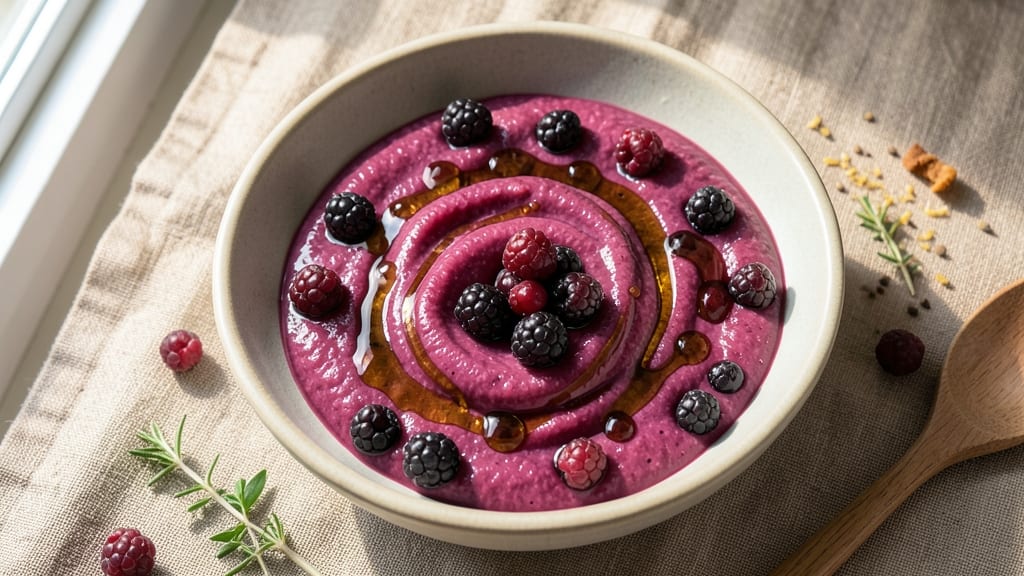
This blackberry vinaigrette transforms ordinary salads into vibrant, tangy-sweet masterpieces with just five minutes of effort. 💫 The secret lies in balancing ripe blackberry puree with sharp vinegar and rich oil, creating a dressing that clings beautifully to greens while delivering bold fruit-forward flavor.
What makes this recipe stand out is its versatility—it elevates everything from mixed greens to grilled chicken salads without overpowering delicate ingredients.
The process couldn't be simpler: whisk together blackberry puree, Dijon mustard, and vinegar to create a smooth base, then gradually incorporate oil while whisking vigorously. This emulsification technique ensures the dressing stays creamy and cohesive, not separating in your container.
For extra depth, fresh herbs like thyme or basil add aromatic complexity, while a touch of honey or maple syrup balances the acidity for a more refined finish.
What you'll end up with is a dressing that's bright, balanced, and packed with natural sweetness from the blackberries. The tangy-sweet profile makes it perfect for summer salads, grilled vegetable platters, or even as a marinade for chicken or fish.
Best of all, it keeps beautifully in the refrigerator for up to five days, making it an ideal make-ahead solution for busy weeknights.
For those who prefer a smoother texture, strain the blackberry puree before mixing, while adding a pinch of salt enhances all the flavors. This dressing delivers restaurant-quality results with minimal effort—proof that homemade can truly outshine store-bought every time.
Ingredients for blackberry vinaigrette salad dressing
Eight simple ingredients transform salads into vibrant, restaurant-quality masterpieces with minimal effort.
| Ingredient | Amount | Notes |
|---|---|---|
| Fresh Blackberries 🫐 | 1 cup | Ripe, preferably organic for sweetness |
| Extra-Virgin Olive Oil 🫒 | ½ cup | High-quality, fruity variety preferred |
| Red Wine Vinegar 🍷 | 2 tbsp | Bold, dry variety for tangy flavor |
| Dijon Mustard 🌶️ | 1 tbsp | Smooth, not coarse for emulsification |
| Pure Maple Syrup 🍁 | 1 tbsp | Grade B for robust flavor profile |
| Fresh Thyme Leaves 🌿 | 1 tsp | Finely chopped for aromatic depth |
| Diamond Crystal Kosher Salt 🧂 | ¼ tsp | Fine grain for even distribution |
| Freshly Ground Black Pepper 🌶️ | ⅛ tsp | Freshly cracked for optimal flavor |
The blackberries are the heart of this dressing—look for plump, deep purple berries at your local farmers market or grocery store's produce section. Trader Joe's and Whole Foods often carry organic varieties that deliver superior sweetness without bitterness. If using frozen blackberries, thaw and drain them thoroughly before blending to avoid excess liquid. For a smoother texture, strain the puree through a fine-mesh sieve before incorporating into the dressing. The extra-virgin olive oil should be the highest quality you can find—look for bottles labeled 'cold-pressed' and 'first press' for maximum flavor complexity.
No fresh blackberries? Frozen blackberries work perfectly when thawed and drained, though they may yield slightly less vibrant color. Substituting balsamic vinegar for red wine vinegar adds depth but alters the flavor profile slightly. For a sweeter balance, agave nectar can replace maple syrup at a 1:1 ratio. The fresh thyme is non-negotiable for aromatic complexity, but if unavailable, dried thyme at one-third the amount will suffice. For those avoiding refined sugar, date syrup provides a similar depth of flavor. Always taste as you go—this dressing should balance sweet, tangy, and herbal notes harmoniously.
This vinaigrette keeps beautifully in an airtight container in the refrigerator for up to five days, though flavor continues to develop over time. For longer storage, transfer to a sterilized glass jar and freeze for up to three months. When ready to use, give it a good shake to re-emulsify. The dressing works beautifully on everything from mixed greens to grilled chicken salads—its vibrant color and bold flavor elevate even the simplest ingredients. For extra richness, drizzle over warm roasted vegetables or use as a marinade for grilled shrimp or chicken.
Why You'll Love This Recipe
- Five-Ingredient Magic: I swear by this combo—just mash those blackberries (no straining, no fuss), then whisk in olive oil, vinegar, mustard, and a drizzle of maple syrup. Honestly, it’s the kind of recipe that makes me feel like a chef without the stress.
- Summer in a Jar: That bright blackberry tang cuts through greens like a knife, while the maple syrup softens the vinegar’s bite. It’s the perfect balance—sweet enough to satisfy, sharp enough to wake up your taste buds.
- Picnic or Potluck Ready: I’ve taken this to backyard BBQs, office potlucks, and even packed it in mason jars for my kids’ school lunches. The dressing keeps for days, so you’re always covered—no last-minute store-bought nonsense.
- Budget Brightness: Fresh blackberries might seem pricey, but a single pint stretches across multiple dressings. Plus, olive oil and vinegar last forever, so you’re not breaking the bank for a flavor punch that feels gourmet.
Step-by-step instructions for blackberry vinaigrette salad dressing
A vibrant, balanced dressing with bright berry notes and rich depth—perfect for summer salads.
👨🍳 Step 1: Purée the Blackberries for Smooth Texture
Place the 1 cup fresh blackberries in a blender or food processor. I always use ripe berries—they purée more easily and yield a sweeter base. Add the 1 tsp finely chopped fresh thyme leaves and blend until completely smooth. You might need to scrape down the sides once or twice to ensure even blending.
This step creates the fruit foundation of your dressing. The purée should be silky with no visible seeds or pulp. If you prefer a slightly textured dressing, leave it slightly chunky, but for a refined finish, aim for complete smoothness. Taste the purée—it should be naturally sweet with a hint of tartness from the berries.
🥘 Step 2: Whisk Together the Base Ingredients
In a medium bowl, whisk the 2 tbsp red wine vinegar and 1 tbsp Dijon mustard until fully combined. The mustard helps emulsify the dressing later, preventing separation. Gradually drizzle in the 0.5 cup extra-virgin olive oil while whisking continuously. This slow incorporation creates a stable emulsion from the start.
Add the 1 tbsp pure maple syrup and whisk again until fully integrated. The syrup balances the vinegar's acidity while adding depth. At this point, you should have a thick, slightly chunky mixture. If it looks too thick, add 1-2 teaspoons of water to loosen it—this helps when you incorporate the purée next.
🍳 Step 3: Combine and Emulsify the Dressing
With the motor running on low speed, slowly pour the blackberry purée into the bowl while whisking continuously. This gradual addition prevents the dressing from curdling. Once fully incorporated, add the 0.25 tsp Diamond Crystal kosher salt and 0.125 tsp freshly ground black pepper. Taste and adjust seasoning—you might need a pinch more salt or a splash of vinegar to balance the sweetness.
The dressing should now have a glossy sheen and a smooth, velvety texture. If it looks too thin, whisk in another 1-2 teaspoons of olive oil until it reaches your desired consistency. For a more robust flavor, let it sit at room temperature for 10-15 minutes before using—this allows the flavors to meld.
⏰ Step 4: Rest and Adjust for Perfect Balance
Transfer the dressing to a clean jar or airtight container. Let it rest for at least 30 minutes (or up to 2 hours) in the refrigerator. This resting period allows the flavors to fully develop and the emulsion to stabilize. Give it a final taste before serving—you can adjust the balance by adding a touch more vinegar for tang or maple syrup for sweetness.
This dressing keeps well in the fridge for up to 5 days, making it perfect for meal prep. Before using, give it a gentle shake or whisk to re-emulsify if it separates slightly. The result should be a vibrant, fruity dressing with a perfect balance of sweet, tangy, and savory notes—ideal for greens, grain bowls, or grilled proteins.
Pro Tips For Making Blackberry Vinaigrette Salad Dressing
- MASH THE BERRIES WELL: I learned this the hard way—skipping a proper mash leaves your dressing with pulp clumps that ruin texture. Use a fork and press hard, or pulse briefly in a food processor. No straining needed, but smoothness matters more than you’d think.
- USE COLD OIL, NOT ROOM TEMP: Cold extra-virgin olive oil emulsifies better and keeps the dressing stable longer. I used to pour it straight from the bottle at room temp, and the separation happened within hours. Chill the oil for 10 minutes first—your dressing will thank you.
- MEASURE THE MAPLE SYRUP LAST: Adding maple syrup too early can make the vinegar and mustard curdle. Wait until you’ve whisked oil and vinegar first, then drizzle in the syrup while tasting. This keeps the balance smooth, not cloying.
- DILUTE GRADUALLY WITH WATER: If your dressing is too thick, don’t dump in all the water at once. Add 1 teaspoon at a time, whisking vigorously after each addition. I once ruined a batch by over-diluting—now I test on greens first. Consistency should coat a spoon but still drip cleanly.
Pro cooking tips for this dish
Emulsification Secrets
The key to a creamy, non-separating vinaigrette lies in the gradual oil incorporation technique. Start by whisking the vinegar, mustard, and maple syrup until smooth—this creates an emulsifier base. Then, drizzle in the olive oil in a thin, steady stream while whisking vigorously.
This slow addition prevents oil droplets from clumping and creates a stable emulsion. For extra insurance, I use a handheld immersion blender for 10 seconds after adding the blackberry purée—this ensures perfect consistency every time. 💫
Blackberry Texture Control
For a smooth, restaurant-quality finish, strain the blackberry purée through a fine-mesh sieve before mixing. If you prefer subtle texture, leave it slightly chunky but avoid large seeds.
The purée should be completely smooth for elegant salads, while a slightly rustic texture works beautifully with hearty dishes like grilled vegetables. Always taste the purée before combining—ripe blackberries should be naturally sweet with just a hint of tartness to balance the vinegar.
Flavor Balancing Tricks
This dressing thrives on three core flavors: sweet (maple syrup), tangy (vinegar), and herbal (thyme). Taste at each stage—after combining the base, after adding purée, and finally before serving. Need more tang? Add ½ tsp extra vinegar.
Too sweet? Balance with ¼ tsp lemon juice. For depth, a pinch of smoked paprika adds warmth without overpowering. I keep a small bowl of these adjustments handy while making dressings—it saves time during meal prep.
Equipment Upgrades
While basic whisking works, I recommend a mini food processor for puréeing and a small glass jar with tight seal for storage. The processor ensures completely smooth texture without seeds, while the jar preserves freshness. For emulsification, a French whisk with fine tines creates better air incorporation than plastic forks.
If you make dressings often, invest in a small scale—measuring by weight gives more consistent results than volume measurements for liquids.
Storage Hacks
This vinaigrette keeps beautifully in an airtight glass jar in the fridge for up to 5 days, though flavor improves after 24 hours as ingredients meld. For longer storage, freeze in 1-ounce portions—thaw overnight in the fridge and shake gently to re-emulsify.
To prevent separation, store the oil and vinegar-mustard mixture separately, then combine just before use. I always label jars with the date to track freshness—this dressing maintains vibrant color and flavor when properly stored. ⏰
Flavor Variations
Want to customize? Swap maple syrup for honey (1:1 ratio) for floral notes, or add 1 tsp balsamic glaze for depth. For heat, stir in ½ tsp chili flakes or 1 tsp hot honey. Herbal lovers can boost thyme to 2 tsp or add ½ tsp rosemary.
The dressing works equally well on warm roasted beets or cold grain salads—its versatility makes it my go-to for summer meals. Always adjust seasonings after adding variations to maintain balance.
Nutrition facts
Frequently asked questions
Can I substitute frozen blackberries for fresh?
Yes, but with one important step! Use 1 cup thawed frozen blackberries that have been drained completely to remove excess liquid. The texture will be slightly less vibrant, but the flavor remains excellent. For best results, strain the purée after blending to achieve a smoother consistency that won't dilute your dressing.
Why did my dressing separate? How can I fix it?
Separation happens when oil and vinegar aren't properly emulsified. Gently whisk or shake the jar vigorously to re-combine—this works for minor separation. For stubborn cases, add 1 tsp Dijon mustard or ½ tsp honey and whisk again. Prevention tip: Always add oil slowly while whisking continuously. A quick fix is to use a handheld immersion blender for 5-10 seconds to restore creaminess.
How much dressing should I make for a salad?
This recipe yields about 1 cup of dressing—perfect for 4-6 servings of salad. For a light drizzle, use 1-2 tablespoons per serving, while hearty salads with grilled proteins may need 2-3 tablespoons per serving. The dressing also works beautifully as a marinade (use ¼ cup per pound of meat) or sauce for roasted vegetables. Store leftovers in the fridge for up to 5 days in an airtight container.
Can I make this dressing without a blender?
Mash the blackberries with a fork in a bowl until completely broken down, then strain through a fine-mesh sieve to remove seeds. For extra smoothness, press the berries through a garlic press or use the back of a spoon to work them against the sieve. The texture will be slightly thicker but still delicious. This method works especially well if you're making the dressing in a small batch.
What are the best salads to pair with this dressing?
This vibrant dressing shines on mixed greens with goat cheese, grilled chicken salads, or warm roasted beet salads. It also elevates grain bowls with quinoa, charred corn salads, and even cold pasta salads. For maximum flavor impact, toss with ingredients that complement its sweet-tangy profile like walnuts, feta cheese, or avocado. The dressing's bold color makes it perfect for summer dishes where visual appeal matters!