
Sauces & Condiments
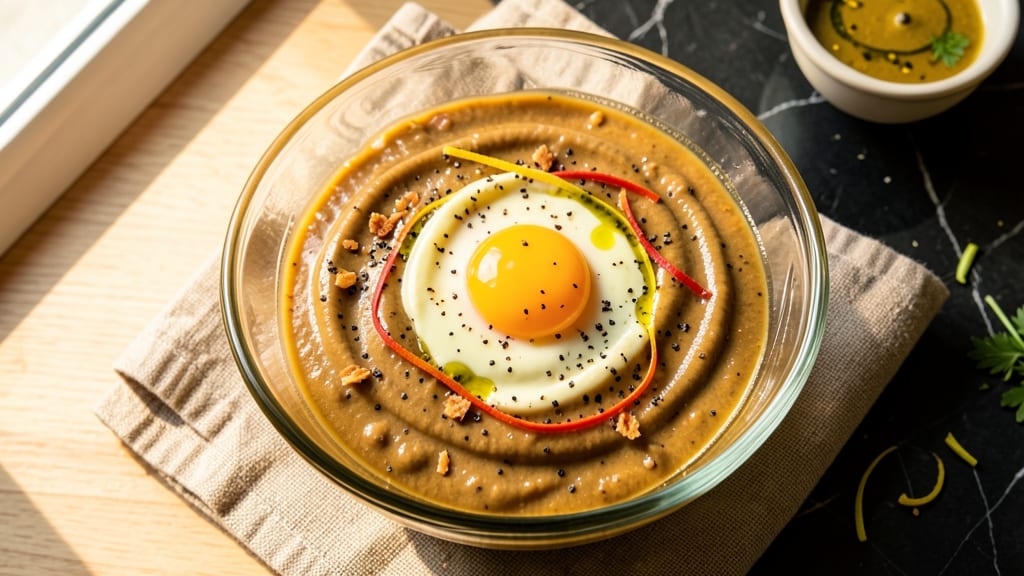
This blender Caesar salad dressing recipe transforms classic Caesar into a silky, velvety sauce with no chunks or lumps—just pure, creamy anchovy richness. The secret lies in blending all ingredients together until perfectly smooth, creating a dressing that clings beautifully to romaine while delivering that signature tangy, umami-packed flavor.
I developed this version after years of struggling with clumpy store-bought dressings that never tasted authentic.
The foundation of this dressing is a simple blend of anchovies, garlic, Dijon mustard, Parmesan, and egg yolks—all pureed together with olive oil and lemon juice until completely smooth.
Unlike traditional Caesar recipes that rely on mayonnaise or heavy cream, this version achieves its luxurious texture through proper emulsification in the blender. The result is a dressing that's rich enough to stand up to hearty salads but light enough to let the romaine shine.
What sets this recipe apart is its versatility—use it immediately on fresh Caesar salads, or store it in the refrigerator for up to 5 days. For a vegan version, simply replace the egg yolks with silken tofu and use nutritional yeast instead of Parmesan.
The dressing maintains its creamy consistency while delivering that same bold, savory flavor profile that Caesar lovers crave.
Perfect for meal prep, restaurant-quality salads, or as a base for Caesar wraps and crostini. The blender method ensures every bite is consistently velvety, with no need to strain or whisk. Let's make dressing that actually tastes homemade.
Ingredients for blender caesar salad dressing
Nine essential ingredients blend into velvety Caesar dressing with restaurant-quality depth.
| Ingredient | Amount | Notes |
|---|---|---|
| Anchovy Fillets 🐟 | 4 whole | High-quality, oil-packed preferred |
| Garlic Cloves 🧄 | 4 cloves | Fresh, peeled, for maximum flavor |
| Dijon Mustard 🍯 | 2 tbsp | Mellow, not hot, for balance |
| Extra-Virgin Olive Oil 🫒 | 1 cup | High-quality, fruity variety |
| Fresh Lemon Juice 🍋 | 3 tbsp | Freshly squeezed, not bottled |
| Large Egg Yolks 🥚 | 2 whole | Fresh, room temperature preferred |
| Parmesan Cheese 🧀 | ½ cup | Freshly grated, from Parmigiano-Reggiano |
| Diamond Crystal Kosher Salt 🧂 | ½ tsp | Fine grain for even dissolution |
| Ground Black Pepper 🌶️ | ¼ tsp | Freshly ground for optimal flavor |
| Worcestershire Sauce 🍶 | 1 tbsp | High-quality, anchovy-free if strict |
The anchovies form the dressing's umami backbone—high-quality oil-packed fillets from Italian markets deliver the most authentic flavor. Whole fillets (not paste) ensure proper emulsification without graininess. For garlic, fresh cloves are non-negotiable; pre-minced loses potency quickly. The Dijon mustard should be mellow (not hot) to avoid overpowering the delicate balance. Whole Foods or specialty grocers carry superior-quality anchovies and Parmesan, but even standard grocery stores stock adequate versions if you check expiration dates. The Worcestershire sauce should be anchovy-free for strict authenticity, though traditional versions contain it.
No anchovies? High-quality fish sauce at half the amount provides umami depth, though purists may prefer to omit entirely. Substitute silken tofu for egg yolks (blend until completely smooth) for a vegan version, though texture will differ slightly. Bottled lemon juice lacks freshness—always squeeze your own. The olive oil must be extra-virgin; lower grades can impart bitter notes. For a lighter dressing, reduce the Parmesan to one-third cup and increase lemon juice by one tablespoon. The kosher salt should be Diamond Crystal (not Morton)—it dissolves more completely for even seasoning.
This dressing emulsifies immediately but develops deeper flavor when rested 30 minutes to 1 hour before serving. Store in an airtight container with a thin layer of olive oil on top to preserve freshness for up to 5 days. For meal prep, portion into small containers—1 tablespoon per serving works perfectly. The dressing thickens slightly when refrigerated; simply whisk with 1 teaspoon warm water to restore original consistency. Freezing is not recommended as it alters the emulsified texture.
Why You'll Love This Recipe
- No Blender Skills Needed: I swear, you don’t need to be a mixologist to pull this off. Toss in the anchovies, garlic, Dijon, olive oil, and lemon juice—pulse, not blend—until it’s just thick enough to cling. That’s it. No straining, no waiting, no fancy techniques.
- Umami Bomb in a Jar: Between us, anchovies and garlic are a match made in flavor heaven. The Dijon mustard ties it all together with a tangy kick, while the lemon juice brightens it up so it doesn’t get heavy. One taste and you’ll understand why this dressing is the secret weapon for any salad.
- Weeknight to Dinner Party: This stuff works just as well on a quick lunch as it does on a fancy charcuterie board. Use it for Caesar wraps, drizzle it over grilled chicken, or even toss it with roasted veggies. Honestly, I’ve used it for all three—and no one’s ever questioned me.
- Makes More Than You’ll Use: A single batch keeps for days in the fridge, and it only gets better as the flavors meld. Plus, anchovies are cheap, and a little goes a long way. I’ll be real: I’ve made this twice and still have half left—because it’s too good to waste.
Step-by-step instructions for blender Caesar salad dressing
This method delivers silky-smooth Caesar dressing with no anchovy chunks—just pure umami richness.
Prepare the Anchovy-Garlic Base
Place the 4 whole anchovy fillets in a blender and pulse briefly until they break into small pieces. Add the 4 cloves garlic cloves and pulse again until the garlic is finely minced. This creates an intense umami foundation without any visible texture. I like to work quickly here—anchovies can get bitter if over-processed.
Add the 2 tbsp Dijon mustard and 1 tbsp Worcestershire sauce to the blender. These ingredients help emulsify the dressing later and provide depth of flavor. Pulse everything together until completely smooth, scraping down the sides of the blender with a rubber spatula to ensure no ingredients cling to the sides.
Blend Wet Ingredients to Emulsion Stage
Add the 2 whole large egg yolks to the blender and pulse until fully incorporated. The yolks will help create that signature creamy texture. With the blender running on low speed, slowly drizzle in the 1 cup extra-virgin olive oil through the feed tube or by holding the lid slightly ajar. This gradual addition prevents the oil from separating and ensures a stable emulsion.
Continue blending on low speed for 1-2 minutes until the mixture becomes thick and creamy. You'll notice the dressing transform from a loose liquid to a velvety paste—this is the moment that matters. If it looks too thick, you can add 1-2 teaspoons of water to adjust the consistency, but usually the emulsion holds perfectly.
Incorporate Acid and Cheese for Balance
Add the 3 tbsp fresh lemon juice and 0.5 cup freshly grated Parmesan cheese to the blender. The acid brightens the flavors while the cheese adds salty depth. Pulse until the cheese is completely dissolved and the dressing is smooth. I always use freshly grated Parmesan—pre-shredded cheese contains anti-caking agents that can make the dressing grainy.
Season with the 0.5 tsp Diamond Crystal kosher salt and 0.25 tsp freshly ground black pepper. Taste the dressing at this stage—it should be rich, tangy, and properly balanced. If it needs more acid, add another ½ teaspoon of lemon juice. If it needs more salt, add it gradually—you can always adjust later, but you can't remove excess salt.
Final Blending and Texture Check
Blend the dressing on high speed for 30-45 seconds until completely smooth and silky. The final texture should be thick enough to coat the back of a spoon but still flow easily when poured. If it's too thick, thin it with 1 teaspoon of water at a time until you reach the perfect consistency—it should coat lettuce beautifully without being gloopy.
Transfer the dressing to a clean jar or airtight container. It will keep in the refrigerator for up to 5 days, though I find it's best used within 2-3 days for maximum freshness. This dressing works perfectly on classic Caesar salads, croutons, or even as a dip for grilled vegetables. The key to success is patience during the blending process—rushing leads to separation.
Pro Tips For Making Blender Caesar Salad Dressing
- Soak the Anchovies First: I learned this the hard way—dry, brittle anchovies just turn the dressing into a grainy mess. Toss them in 2 tablespoons of warm water for 5 minutes before blending; they’ll soften and dissolve completely, giving you that classic Caesar depth without texture surprises.
- Use Cold Garlic: No need to cook the garlic—raw, cold cloves (peeled and smashed) add a sharper, fresher bite that balances the richness. If you’re worried about bitterness, let them sit in the blender with the mustard for 30 seconds before adding oil.
- Start with Less Oil: The dressing will thicken as it sits, so begin with ¼ cup olive oil instead of dumping in the full ½ cup. You can always add more later if it’s too thick, but you can’t undo a gloppy, oily disaster.
- Strain for Smoothness: After blending, press the mixture through a fine-mesh sieve to catch any mustard seeds or garlic bits. It’s not strictly necessary, but the result is silky—like the difference between a homemade sauce and one from a jar. (Yes, even if you’re impatient like me.)
Best sauces and condiments for this recipe
Classic Caesar Upgrades
Elevate your dressing with garlic-infused olive oil—heat ½ cup olive oil with 3 minced garlic cloves for 2 minutes before using in the recipe. This adds a fragrant depth that takes your dressing from good to extraordinary.
For extra richness, stir in 1 tbsp crème fraîche or mascarpone at the end—it blends seamlessly and adds a luxurious creaminess. 🌟
Vegan Caesar Twist
Replace egg yolks with ½ cup silken tofu blended until completely smooth, then add 1 tbsp nutritional yeast> for that cheesy umami. Use vegan Worcestershire sauce (like Annie’s) and vegan Parmesan (like Follow Your Heart).
The texture will be slightly lighter but still velvety when properly emulsified. This version keeps all the bold flavors while being completely plant-based.
Low-Fat Version
Cut the olive oil to ½ cup and replace the remaining ½ cup> with low-fat Greek yogurt (strain if too thick). Use light Parmesan and add an extra 1 tbsp lemon juice> for brightness.
The dressing will be tangier but still cling beautifully to romaine. For extra protein, add 1 tbsp vital wheat gluten> (it mimics egg texture perfectly when blended).
Herb Variations
Add fresh herbs right before serving to keep their brightness intact. Try 1 tbsp chopped parsley> for classic freshness, or ½ tbsp chopped chives> for a delicate onion note.
For a Mediterranean twist, blend in ½ tsp dried oregano> with the garlic—it pairs surprisingly well with anchovies. Always add herbs after blending to preserve their texture and aroma.
Storage Hacks
Store dressing in an airtight glass jar with a thin layer of olive oil on top to prevent oxidation. Shake or whisk vigorously before using—it may separate slightly in the fridge.
For meal prep, portion into small containers (like mason jars) with 1 tbsp per serving—this keeps it fresh and ready to toss. The dressing thickens when chilled, so thin with 1 tsp warm water> if needed before using. Never freeze—it ruins the emulsion.
Nutrition facts
Frequently asked questions
Why does my blender Caesar dressing separate?
Separation usually happens when oil and liquid ingredients aren't properly emulsified. Always blend the egg yolks and olive oil on low speed while slowly drizzling in the oil. For extra stability, add 1 tsp cornstarch mixed with 1 tbsp water and blend it in. Give the dressing 10 minutes to rest before using—this helps it set properly.
Can I make this dressing without anchovies?
Yes! For a vegetarian version, replace anchovies with 2 tbsp high-quality fish sauce or 1 tbsp soy sauce. For vegan, use ½ cup silken tofu blended with 1 tbsp nutritional yeast instead of egg yolks. The umami flavor will be slightly different but still delicious. The key is balancing the saltiness with extra lemon juice.
How much dressing should I make for a Caesar salad?
This recipe yields about 1½ cups of dressing—perfect for 4-6 servings of Caesar salad. For individual salads, use 2-3 tbsp per serving. The dressing thickens when chilled, so thin with 1 tsp warm water if needed before tossing. Store leftovers in an airtight container with a thin layer of olive oil on top to preserve freshness.
Can I use this dressing on other dishes besides salads?
This versatile dressing works beautifully on grilled chicken, steak, or as a dip for veggie sticks. For crostini, spread a thin layer on toasted baguette slices and top with grilled shrimp or avocado slices. The rich, creamy texture also pairs well with roasted potatoes or as a marinade base for seafood—just thin it with extra lemon juice.
What's the secret to getting that perfect creamy texture?
The secret lies in proper emulsification and fresh ingredients. Use room-temperature egg yolks and blend them with the oil on low speed while gradually adding the oil. For extra creaminess, add 1 tbsp crème fraîche or mascarpone at the end. Always use freshly grated Parmesan—pre-shredded cheese contains anti-caking agents that can make the dressing grainy. Patience is key!