
Sauces & Condiments
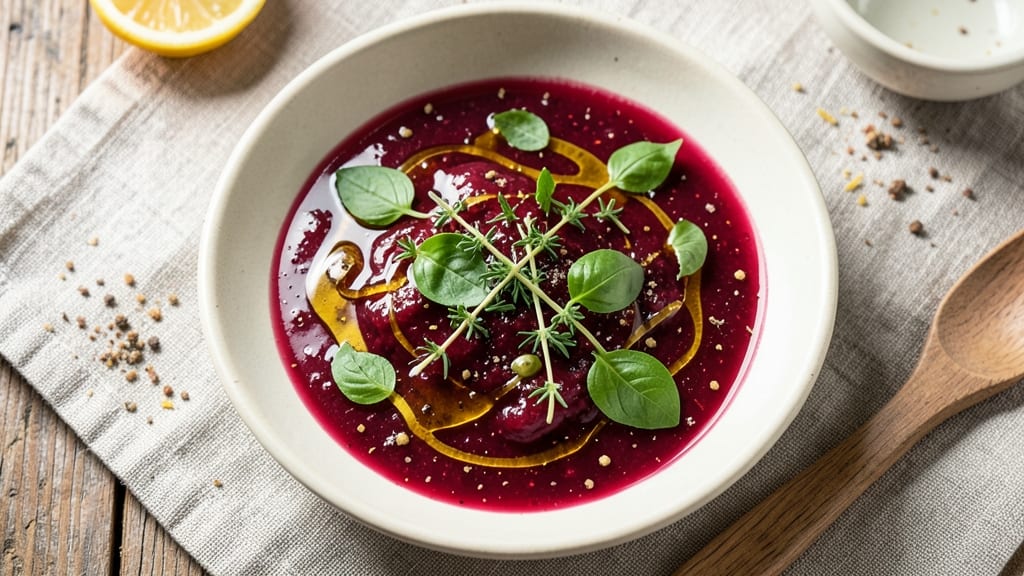
This blood orange salad dressing recipe transforms ordinary salads into vibrant, citrus-kissed masterpieces with just a few simple ingredients. The deep ruby swirls of blood orange juice create a dressing that's bright, tangy, and impossibly fresh—perfect for spring and summer dishes. I developed this recipe after realizing how much store-bought dressings lacked that burst of natural citrus flavor, and it's now my go-to for everything from grain bowls to grilled chicken.
The secret lies in balancing blood orange juice with high-quality olive oil and a touch of Dijon mustard for emulsification, ensuring the dressing stays creamy and clings to greens without separating.
Fresh herbs like thyme and basil add aromatic depth, while a hint of honey rounds out the sharp citrus notes. What makes this dressing truly special is its versatility—it elevates simple salads to restaurant-quality while keeping prep under 10 minutes.
What you'll end up with is a dressing that's as beautiful as it is delicious, with a perfect harmony of sweet, tart, and herby flavors. The vibrant color alone makes any dish look inviting, while the taste delivers that refreshing citrus punch that cuts through rich ingredients.
This isn't just another salad dressing—it's a flavor enhancer that transforms everyday meals into something memorable.
Use it on mixed greens, grain bowls, or even drizzled over grilled fish for a bright, citrusy finish. The dressing keeps well in the fridge for up to a week, making it ideal for meal prep.
Let's get started on this vibrant, flavor-packed creation that will become your new favorite pantry staple.
Ingredients for blood orange salad dressing
Bright citrus meets fresh herbs in this dressing—simple ingredients, restaurant-quality flavor.
| Ingredient | Amount | Notes |
|---|---|---|
| Blood Orange Juice 🍊 | ½ cup | Freshly squeezed for vibrant color |
| Extra-Virgin Olive Oil 🫒 | ½ cup | High-quality, fruity variety |
| Dijon Mustard 🍯 | 1 tbsp | For creamy emulsification |
| Honey 🍯 | 1 tbsp | Lightly sweetens citrus |
| Fresh Thyme Leaves 🌿 | 1 tbsp | Chopped, aromatic depth |
| Fresh Basil Leaves 🌿 | ¼ cup | Chopped, bright herbal note |
| Apple Cider Vinegar 🍎 | 1 tbsp | Balances sweetness |
| Salt 🧂 | ½ tsp | Kosher or sea salt |
| Black Pepper 🌶️ | ¼ tsp | Freshly ground |
Blood oranges are the star here. Look for deep ruby ones at specialty grocers—they've got more juice and sweetness than pale varieties. Whole Foods or Trader Joe's usually carry them in season. If you can't find blood oranges, regular navel oranges work in a pinch, but the dressing will be less vibrant. For the olive oil, California-grown varieties like Bertolli or Pompeian add that fruity depth. The mustard is non-negotiable—Dijon's tang helps emulsify everything so it doesn't separate. I always grab the Maille brand when I'm making dressings.
No blood oranges? Grapefruit juice at half the amount gives similar tartness, though it'll be more bitter. Swap honey for maple syrup if you prefer, but honey's floral notes play better here. Fresh herbs are ideal, but dried thyme at one-third the amount works if you're short on time. The vinegar can be balsamic for extra depth, though apple cider keeps it bright. For a smoother texture, blend the dressing briefly after mixing—no need to go full food processor. And if you're making this ahead, add the olive oil last to prevent separation.
This dressing stays fresh for up to 1 week in the fridge, but the flavor actually improves after a day as everything mellows. For longer storage, pour it into an airtight jar and cover with a thin layer of olive oil—keeps it green and prevents oxidation. I make double batches because it disappears fast—perfect for grain bowls, grilled chicken, or even drizzled over avocado toast. The color fades slightly over time, but the flavor stays bright. If it separates, just give it a quick whisk before using.
Why You'll Love This Recipe
- Five-Ingredient Whip: I swear by this one—just juice, oil, mustard, honey, and thyme. No fancy gadgets, no stress, and zero cleanup beyond a whisk and a jar.
- Citrus Kiss Magic: That blood orange juice? It’s like sunshine in a bottle—bright, tart, and just sweet enough to balance the sharp Dijon. The thyme leaves add this earthy whisper that makes it taste restaurant-worthy.
- Salad Game Changer: Drizzle it over greens for a lunch upgrade, toss it with roasted veggies for dinner, or even use it as a marinade. It’s my go-to for anything that needs a little je ne sais quoi without overpowering.
- Lasts All Week: Make a big batch—it keeps for days in the fridge, and the flavors only get better as the oils meld. Honestly, I’ve had this dressing three times this month, and I’m not tired of it yet.
Step-by-step instructions for blood orange salad dressing
Here's how to blend vibrant citrus and aromatic herbs into a dressing that transforms any salad.
Whisk Together Wet Ingredients
In a medium bowl, combine the 0.5 cup blood orange juice, 0.5 cup extra-virgin olive oil, 1 tbsp honey, and 1 tbsp apple cider vinegar. Start by whisking the blood orange juice and vinegar together—the acidity helps emulsify the oil later. Then gradually drizzle in the olive oil while whisking continuously. This slow incorporation prevents the dressing from separating.
Add the 1 tbsp Dijon mustard next, whisking until fully dissolved. The mustard acts as a natural emulsifier, binding the oil and citrus for a silky texture. Taste at this point—the balance should be bright but not overly sweet. If it needs more acidity, add a splash more vinegar; if it's too sharp, a tiny drizzle of honey helps smooth it out.
Add Herbs and Seasonings
Chop the 0.25 cup fresh basil leaves and 1 tbsp fresh thyme leaves into very small pieces—you want them finely minced so they distribute evenly. Fold them into the dressing along with the 0.5 tsp salt and 0.25 tsp black pepper. Gently stir with a spoon rather than whisking to avoid bruising the herbs, which can make the dressing bitter.
Let the mixture sit for 5 minutes at room temperature. This resting period allows the flavors to meld and the herbs to soften slightly, releasing their aromatic oils. Give it one final taste—you might want to adjust the seasoning. The dressing should be tangy, slightly sweet, and herbaceous with a subtle peppery finish.
Emulsify and Test Consistency
Transfer the dressing to a blender or food processor and pulse for 10-15 seconds until completely smooth. This step ensures a silky texture without any visible herb bits. If the dressing looks too thick after blending, add 1-2 teaspoons of water or a splash of blood orange juice to reach your desired consistency—it should coat the back of a spoon but still pour easily.
For a true test, drizzle a small amount over your favorite greens. The dressing should cling to the leaves without pooling at the bottom, creating those beautiful, vibrant swirls. If it separates, whisk in another ½ teaspoon of Dijon mustard to help stabilize the emulsion. Store any leftovers in the refrigerator for up to 5 days, shaking well before each use.
Pro Tips For Making Blood Orange Salad Dressing
- STRAIN THE ORANGE JUICE: Blood orange juice is packed with pulp that turns your dressing grainy faster than you can say "overcomplicated." Strain it through a fine-mesh sieve or cheesecloth—even if it means extra work—because that pulp will separate and ruin the texture in hours. (Yes, even if you’re using it immediately.)
- WHISK THE MUSTARD FIRST: Dijon mustard loves to clump like a stubborn guest at a dinner party. Mix it with the honey first, then slowly drizzle in the blood orange juice while whisking like your life depends on it. This keeps the dressing smooth and prevents those annoying lumps that make you question your cooking skills.
- DILUTE THE OIL GRADUALLY: Pouring the olive oil in all at once turns your dressing into a sad, thin sauce. Instead, add it in a thin stream while whisking constantly—about ¼ cup at a time—until you hit the right consistency. This ensures every drop emulsifies properly, so you don’t end up with a split dressing that looks like a science experiment gone wrong.
- STORE IT IN A JAR: If you’re not using it right away, transfer the dressing to a clean, airtight jar and let it sit for 10 minutes before sealing. This gives the flavors time to meld without the oil separating, and the jar keeps it stable longer than a loose container. (Pro move: Label it—trust me, you’ll forget what it is by Wednesday.)
Storing and reheating your blood orange salad dressing
Fridge Storage Tips
Store your blood orange dressing in a glass jar with a tight-sealing lid—I love using Le Parfait jars for their airtight fit. Keep it refrigerated at 40°F or below for up to 7 days.
The vibrant color fades slightly over time, but the flavor actually improves as the citrus mellows and the herbs release more aroma. I always shake it well before using, especially after 3-4 days, to redistribute any settled ingredients. 🌿
Freezer Preservation
For longer storage, freeze the dressing in ice cube trays—each cube makes a perfect single serving. Once frozen, transfer cubes to a ziplock bag and flatten to save space. Thaw overnight in the fridge before using.
The texture may separate slightly after freezing, but a quick whisk with ½ teaspoon Dijon mustard brings it back to perfection. This method works best if you're prepping for future meals when blood oranges aren't in season. ❄️
Reheating for Best Texture
This dressing doesn't need reheating, but if you want to serve it slightly warmed (great for drizzling over warm grains), gently heat it in a small saucepan over low heat for 1-2 minutes. Never boil it—the heat will break the emulsion and cause separation.
For a quick fix, place the jar in a bowl of warm water for 30 seconds to loosen the ingredients before shaking. The dressing should return to its silky consistency almost instantly. 🔥
Reviving Separated Dressing
If your dressing separates in the fridge, don't toss it! Whisk in ½ teaspoon Dijon mustard and 1 teaspoon water to help re-emulsify. For stubborn separation, add 1 tablespoon blood orange juice and whisk vigorously.
The mustard acts as a natural emulsifier, while the extra juice helps bind the oil. Most separated dressings come back to life with this trick—just give it a good stir before using. 💡
Portion Control
Divide the dressing into small containers (like 4-ounce mason jars) before storing to make it easier to grab just what you need. This prevents the dressing from sitting too long in the jar, which can lead to oxidation and flavor loss.
I keep one jar in the fridge for quick use and freeze extras for later. The smaller portions also make it easier to shake thoroughly before each use, ensuring consistent flavor every time. 🍽️
Flavor Boost After Storage
After refrigeration, the dressing might taste slightly muted. Brighten it up by adding ½ teaspoon freshly squeezed blood orange juice or a pinch of flaky sea salt. The acidity from the fresh juice cuts through any dullness, while the salt enhances all the flavors.
If the herbs have lost their punch, stir in ½ teaspoon finely chopped fresh basil or thyme right before serving. This little trick makes stored dressing taste almost as fresh as the day you made it! 💛
Nutrition facts
Frequently asked questions
Can I substitute regular oranges for blood oranges in this dressing?
You can use regular oranges, but the dressing will lose its signature deep ruby color and some of the natural sweet-tart complexity. For best results, use a mix of ½ cup regular orange juice and ¼ cup grapefruit juice—this mimics the tartness while keeping the vibrant hue. If you're set on using only oranges, add an extra ½ teaspoon of honey to compensate for the milder flavor.
Why did my dressing separate? How can I fix it?
Separation happens when oil and liquid ingredients aren't properly emulsified. To fix it, whisk in ½ teaspoon Dijon mustard and 1 teaspoon water until smooth. For stubborn separation, add 1 tablespoon blood orange juice and whisk vigorously. The mustard acts as a natural emulsifier, while the extra juice helps bind everything back together. Always store dressing in a sealed container to prevent future separation.
What's the best way to use this dressing beyond salads?
This versatile dressing works beautifully on grilled chicken or fish, as a marinade for shrimp skewers, or even as a glaze for roasted vegetables. Try drizzling it over warm grain bowls with quinoa and avocado, or use it as a dip for fresh bread or crostini. The bright citrus flavor also pairs well with goat cheese or feta in savory dishes, and surprisingly, it even enhances dessert fruit salads with berries.
How do I make this dressing spicier?
For added heat, stir in ½ teaspoon of red pepper flakes or 1 teaspoon of hot sauce like Tabasco. For a smoky kick, add ¼ teaspoon of smoked paprika or a pinch of cayenne pepper. If you prefer fresh heat, finely chop 1 small jalapeño (seeds removed) and blend it into the dressing. Always taste as you go—start with less and adjust to your preferred spice level.
Can I make this dressing without a blender?
Skip the blending step and simply whisk all ingredients together vigorously for 2-3 minutes until smooth. For extra creaminess, add a ¼ teaspoon of xanthan gum (common in baking) to help stabilize the emulsion. You'll get a slightly textured dressing with visible herb bits, but it will still taste delicious. The key is to whisk continuously to prevent separation—this method works best for immediate use rather than storage.