
Sauces & Condiments
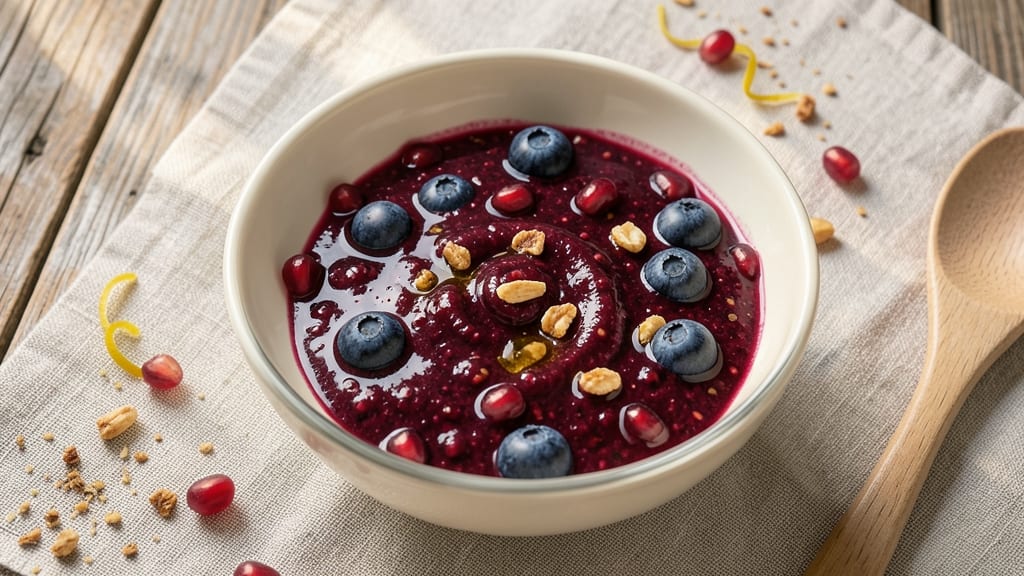
This vegan blueberry pomegranate salad dressing transforms simple greens into a vibrant, jewel-toned masterpiece with every drizzle. The secret lies in balancing tart pomegranate seeds and sweet blueberries with a touch of maple syrup, creating a dressing that’s bright, tangy, and packed with natural sweetness—no refined sugar in sight.
I developed this recipe after craving a dressing that could elevate both summer salads and hearty winter bowls without overpowering the main ingredients.
The base is a simple emulsion of olive oil and apple cider vinegar, but it’s the fruit that steals the show. Fresh or frozen blueberries add bursts of juicy sweetness, while pomegranate seeds contribute a crunchy, jewel-like texture and a tartness that cuts through rich dishes.
A pinch of salt and a splash of maple syrup tie everything together, ensuring the dressing stays balanced and luscious. The best part? It takes just 10 minutes to blend and keeps for up to one week in the fridge, making it the perfect make-ahead condiment.
Drizzle this dressing over mixed greens for a refreshing start to any meal, or use it to brighten grilled vegetables, roasted meats, or even as a glaze for tofu.
The colors alone make it a showstopper—deep ruby reds and blues that turn even the simplest dish into a feast for the eyes. Whether you're prepping for a picnic or whipping up dinner, this dressing is your new go-to for adding depth and vibrancy to every bite.
For extra flair, garnish with fresh herbs like mint or basil, or a sprinkle of toasted nuts for added crunch. The dressing’s versatility means it works equally well as a marinade for chicken or as a dip for veggie sticks.
Store it in an airtight jar in the refrigerator, and give it a quick shake before each use to redistribute the seeds and oil. Ready to elevate your meals with a splash of color and flavor?
Ingredients for blueberry pomegranate salad dressing
Eight ingredients, ten minutes, and your salads will never look the same again.
| Ingredient | Amount | Notes |
|---|---|---|
| Extra-Virgin Olive Oil 🫒 | ¾ cup | High-quality, fruity variety |
| Apple Cider Vinegar 🍏 | ¼ cup | Raw, unfiltered preferred |
| Fresh Blueberries 🫐 | ½ cup | Frozen works if thawed first |
| Pomegranate Seeds 🍇 | ¼ cup | Fresh or jarred, no sugar added |
| Pure Maple Syrup 🍁 | 1 tbsp | Grade B for deeper flavor |
| Sea Salt 🧂 | ½ tsp | Fine grain preferred |
| Fresh Lemon Juice 🍋 | 1 tbsp | Freshly squeezed |
| Fresh Mint Leaves 🌿 | ⅛ cup | Chopped, optional garnish |
The olive oil and apple cider vinegar form the base, so pick a fruity, extra-virgin olive oil—none of that cheap, processed stuff. Whole Foods or Trader Joe's have great options, or check the bulk bins at natural grocery stores. For blueberries, fresh is ideal, but frozen works in a pinch (just thaw them first). Pomegranate seeds can be tricky to find pre-seeded, so buy a whole pomegranate and crack it open yourself—it's worth the effort for that jewel-toned color. If you're buying pre-seeded, make sure it's labeled 'no sugar added'. The maple syrup should be Grade B for that rich, caramel-like flavor—Wyman's or Aunt Jemima are reliable brands.
No fresh mint? Skip it or use basil—it won't ruin the dressing, just change the vibe slightly. Short on pomegranate seeds? Substitute with dried cranberries at half the amount, but you'll lose that gorgeous ruby color. The lemon juice is non-negotiable for brightness, but if you're out, lime juice works too. Olive oil allergy? Avocado oil is a great substitute, though the texture might be slightly thinner. For extra tang, add a splash more vinegar, but don't overdo it—you want the fruit flavors to shine. This dressing is naturally vegan, but always double-check your maple syrup label to ensure it's 100% plant-based.
Store this dressing in an airtight jar in the fridge for up to one week. Give it a good shake before each use—the seeds like to sink. For longer storage, freeze in ice cube trays and transfer to a bag—3 months max. The flavors actually improve after a day or two as everything melds together. I like to make a double batch so I always have some on hand. It’s perfect for drizzling over summer salads, but don’t sleep on it for grilled veggies or even as a marinade for tofu. Trust me, your meals will look (and taste) like a million bucks.
Why You'll Love This Recipe
- Five-Ingredient Magic: I swear by this combo—just toss those blueberries and pomegranate seeds into a jar with olive oil, vinegar, and maple syrup, then shake. No straining, no fuss, no extra bowls. Honestly, it’s the kind of recipe where I forget I’m even cooking.
- Sweet-Tart Balance: That maple syrup and apple cider vinegar? They’re the dynamic duo—rich and bright at the same time. The blueberries add juicy bursts, while the pomegranate seeds give it a crunch that makes every bite feel like a little celebration. (Yes, even on a Tuesday night.)
- Dresses Everything: Salads? Check. Grilled chicken? Done. Even drizzled over yogurt or oatmeal—it’s my go-to for breakfast. Between us, I’ve used it on tacos, and no one’s ever asked what’s in it.
- Stays Fresh Forever: Make a big batch and store it in the fridge for weeks. The flavors only deepen, and it’s cheaper than buying fancy dressings. Plus, I always have it ready when my kids demand something “fancy” for lunch—no last-minute store runs.
Step-by-step instructions for blueberry pomegranate salad dressing
This vibrant dressing comes together in minutes with simple ingredients you likely already have.
Blend the Fruit Base
Place the 0.5 cup fresh blueberries and 0.25 cup pomegranate seeds in a high-speed blender. Add the 1 tablespoon pure maple syrup and 1 tablespoon fresh lemon juice—this sweet-tart combination forms the flavor foundation. Pulse until completely smooth, scraping down the sides if needed. You want a thick purée that captures all the juices and vibrant colors from both fruits.
Here's the thing—don't skip the scraping step. Any fruit that sticks to the sides won't get fully incorporated, and you'll end up with a dressing that's less vibrant and slightly grainy. I like to blend in short bursts until everything's perfectly smooth, then give it one final spin to ensure consistency.
Incorporate the Vinegar and Salt
With the blender running on low speed, slowly pour in the 0.25 cup apple cider vinegar and 0.5 teaspoon sea salt. The vinegar will help emulsify the dressing while adding that signature tang. The salt should dissolve completely—this balances all the sweetness and enhances the fruit flavors. Taste at this stage, and you'll notice a bright, complex base that's already delicious.
If you're using frozen blueberries, they'll make the blend thicker, which is actually ideal for this dressing. The texture will be more like a chunky vinaigrette rather than a thin drizzle. Real talk: this is where the magic happens—the acidity from the vinegar and lemon juice will brighten the fruit flavors and prevent the dressing from separating later.
Stream in the Olive Oil
With the blender still running, very slowly drizzle in the 0.75 cup extra-virgin olive oil through the feed tube or by pouring it down the side of the blender. This gradual addition is crucial—it allows the oil to emulsify properly with the fruit mixture. You'll want to blend continuously until the dressing becomes thick, creamy, and homogeneous. It should look like a luxurious, jewel-toned sauce with no visible separation.
Don't rush this step. If you add the oil too quickly, you'll end up with a dressing that looks like oil and vinegar dressing—two distinct layers. I like to blend for about 1-2 minutes after adding all the oil to ensure everything's perfectly combined. The final texture should be thick enough to coat the back of a spoon but still flow smoothly when drizzled.
Add the Mint and Final Adjustments
Transfer the dressing to a bowl and gently fold in the 0.125 cup chopped fresh mint leaves using a silicone spatula. The mint adds a fresh, herbal note that cuts through the sweetness and complements the berry flavors beautifully. Stir well to distribute the mint evenly throughout the dressing.
Taste and make any final adjustments. If it needs more sweetness, add a touch more maple syrup. Too tart? A splash of water or a pinch more salt can help balance it. The dressing should be vibrant, complex, and perfectly balanced between sweet, tart, and savory. Let it sit at room temperature for 10-15 minutes before using—this allows all the flavors to meld together even more.
Store and Use
Transfer the dressing to a clean, airtight jar or container. It will keep in the refrigerator for up to 1 week, though I find it tastes best within the first 3-4 days. Before using, give it a good stir—sometimes the oil and fruit mixture can separate slightly over time, but it should come back together easily.
This dressing shines on everything from mixed greens to grilled chicken or fish. The vibrant colors make any dish look stunning, and the sweet-tart flavor pairs perfectly with both savory and sweet components. I like to drizzle it over arugula with goat cheese crumbles, or use it as a marinade for grilled shrimp before serving. The possibilities are endless!
Pro Tips For Making Blueberry Pomegranate Salad Dressing
- Muddle the Berries: Don’t just toss in whole blueberries—their skins stay tough and chewy. Use a wooden spoon or potato masher to break them down slightly before adding liquid. This releases their juices and flavor, giving your dressing a smoother, richer texture without turning it into a smoothie.
- Chill Before Mixing: If you’re using fresh pomegranate seeds straight from the bag, give them a quick rinse and dry them first—wet seeds make the dressing watery. Then, let the seeds and blueberries sit at room temp for 10 minutes before combining with the oil and vinegar. Cold ingredients can make the dressing separate or taste dull.
- Balance the Vinegar: Apple cider vinegar is bold, so start with 2 tablespoons and taste before adding more. If it’s too sharp, a splash of maple syrup will help, but if you’re unsure, dilute it with a teaspoon of water first. The dressing should taste bright but not like you’re drinking salad.
- Strain for Smoothness: If you’re using a food processor or blender, strain the mixture through a fine-mesh sieve afterward. This catches seeds and skins that can make the dressing gritty—especially important if you’re serving it over creamy dishes like goat cheese or avocado. A quick press with a spoon ensures every pour is silky.
Common mistakes when making your blueberry pomegranate salad dressing
Overblending the Fruit
I’ve ruined a batch or two by blending the blueberries and pomegranate seeds too long, turning them into a thick, grainy paste that separates when you add the oil. The goal is a smooth purée—just enough to break down the fruit while keeping some texture for that jewel-toned crunch.
Pulse in 3-4 short bursts (about 10-15 seconds total) instead of blending continuously. This keeps the seeds slightly intact for visual appeal and prevents the dressing from becoming too thick. 🍇
Skipping the Emulsification Step
Adding the 0.75 cup olive oil too quickly is the fastest way to end up with a split dressing—oil floating on top of the vinegar-fruit mixture. The key is to blend on low speed while slowly drizzling the oil down the side of the blender.
If you pour it all at once, the dressing will break immediately. I like to add the oil in 3-4 streams, pausing between each to let the mixture emulsify. This gradual process creates a stable, creamy texture that stays cohesive for days.
Ignoring the Resting Time
Rushing to use the dressing right after blending means missing out on flavor development. Let it sit at room temperature for 10-15 minutes before tasting—this allows the acidity from the vinegar and lemon juice to mellow slightly and the flavors to meld.
I’ve made this mistake and ended up with a dressing that was too sharp or needed extra sweetness. Patience here makes all the difference, especially if you’re using frozen blueberries (which can make the dressing thicker and more tart initially).
Using Low-Quality Oil
Not all olive oils are created equal, and cheap or heavily processed oils can ruin the dressing’s texture and flavor. Avoid anything labeled "light" or "pure"—opt for a fruity, extra-virgin olive oil with at least 70% oleic acid.
Brands like California Olive Ranch or Colavita are reliable choices. Low-quality oil will make the dressing taste flat and may cause it to separate faster. Trust me, splurging on a good oil elevates the entire dish. 🫒
Forgetting to Shake Before Use
Even the best emulsified dressings can separate slightly over time, especially if stored in the fridge. Always give the jar a vigorous shake before using—this redistributes the oil and fruit mixture, ensuring a smooth, consistent drizzle.
I’ve caught myself pouring a dressing that looked like it had split, only to shake it and realize it was perfectly fine. A quick shake also helps incorporate any settled seeds back into the sauce.
Pro tip: Store the dressing in a glass jar (not plastic) to make shaking easier and to preserve the vibrant colors.
Over-Sweetening or Under-Salting
Balancing the sweetness and acidity is an art, and it’s easy to go overboard with the maple syrup or skip the sea salt entirely. Taste the dressing after blending but before adding the oil*—this is your chance to adjust the sweet-tart ratio.
If it’s too sweet, add a splash more vinegar or lemon juice. Too tart? A pinch of salt or a drizzle of maple syrup can save it. I’ve learned the hard way that the salt isn’t just for flavor—it’s what ties all the components together. Don’t skip it!
Nutrition facts
Frequently asked questions
Can I use frozen blueberries instead of fresh?
Yes! Frozen blueberries work perfectly—just thaw them first to prevent a watery dressing. The texture will be slightly thicker, which actually works well for a chunkier vinaigrette style. If using frozen, you might need an extra 1-2 teaspoons of vinegar to balance the extra moisture.
How do I make this dressing thicker or thinner?
For a thicker consistency, add 1 tablespoon more olive oil or blend slightly longer. To thin it out, stir in 1 teaspoon of water or extra vinegar. The ideal texture should coat the back of a spoon but still drizzle smoothly.
What are the best ways to use this dressing?
This vibrant dressing shines on mixed greens, grain bowls, and grilled proteins. Try it as a marinade for chicken or shrimp, or drizzle over roasted vegetables. The jewel-toned colors make it perfect for summer picnics or elegant dinner parties.
Can I make this without a blender?
You can try! Mash the blueberries and pomegranate seeds with a fork, then whisk with the vinegar, oil, and other ingredients. The texture will be less smooth but still delicious. For best results, use a food processor or immersion blender.
How long does it keep and can I freeze it?
Store in an airtight jar in the fridge for up to 1 week. For longer storage, freeze in ice cube trays (up to 3 months). Thaw overnight in the fridge before using. The flavors actually improve slightly after a day or two as everything melds together.