Sauces & Condiments
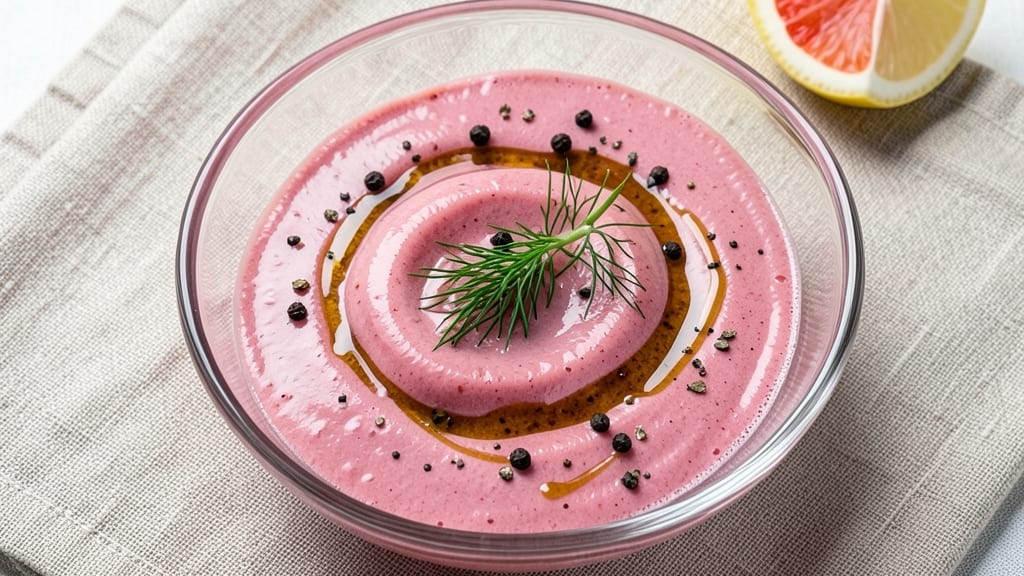
This blush wine salad dressing recipe transforms simple greens into a vibrant, restaurant-worthy dish with just five ingredients and 10 minutes of prep.
The key lies in balancing blush wine's delicate fruitiness with bright herbs and a touch of acidity—creating a dressing that's light enough for summer salads but bold enough to stand up to heartier greens like arugula or kale.
What sets this dressing apart is its emulsification trick: whisking the wine with Dijon mustard and olive oil creates a stable, clingy texture that won't separate. The secret ingredient?
A splash of lemon juice, which brightens the wine's natural sweetness while adding freshness that cuts through rich ingredients like goat cheese or grilled chicken.
By the time you drizzle this dressing over your salad, you'll taste layers of herbal freshness, subtle berry notes, and a silky finish that elevates even the simplest greens.
It's the kind of dressing that makes you want to eat salads year-round—whether paired with crisp apples and walnuts for a fall twist or fresh strawberries and mint for a summer refresh.
The best part? This dressing keeps beautifully in the fridge for up to 5 days, so you can make a batch on Sunday and enjoy it all week.
Perfect for meal prep, potlucks, or when you want to impress without spending hours in the kitchen. Let's get started with the ingredients.
Ingredients for blush wine salad dressing
Five simple ingredients, ten minutes—transform your salads with restaurant-worthy blush wine dressing.
| Ingredient | Amount | Notes |
|---|---|---|
| Blush Wine 🍷 | ½ cup | Dry variety for best flavor |
| Extra-Virgin Olive Oil 🫒 | ½ cup | Light fruity variety preferred |
| Dijon Mustard 🟡 | 1 tbsp | For emulsification |
| Fresh Lemon Juice 🍋 | 1 tbsp | Brightens wine's sweetness |
| Fresh Dill 🌿 | ¼ cup | Chopped finely for herbal freshness |
| Salt 🧂 | ½ tsp | Kosher or sea salt |
| Black Pepper 🌶️ | ¼ tsp | Freshly ground preferred |
| Honey 🍯 | 1 tsp | Balances acidity (optional) |
The wine is everything here. Dry blush like Sutter Home or Freixenet works best—avoid anything overly sweet. Trader Joe's and Whole Foods carry great options, or grab a bottle from your local wine shop. Fresh dill is a must for that herbal punch, but if you're in a pinch, fresh parsley at double the amount gives a milder flavor. The Dijon mustard might seem small, but it's the emulsifier that keeps everything clingy. Maille is my go-to, but any good-quality Dijon will do.
No blush wine? Dry white wine or apple cider vinegar works in a bind, though the flavor will shift slightly. Skip the honey if you prefer a sharper taste, but it's worth it for balancing the wine's acidity. The olive oil should be light and fruity—California extra-virgin brands like Corto or Pompeian are perfect. If you're making this ahead, store the dressing in a sealed jar and shake before using. The flavors meld beautifully overnight, so it's worth prepping a batch for the week.
This dressing keeps for 5 days in the fridge, but the first day is always the best. I like to make a double batch—one for salads, one to drizzle over grilled chicken or roasted veggies. If it separates, just give it a good whisk. The lemon juice is your friend here—if it tastes too sharp, add a tiny bit of honey. And if you're feeling fancy, add a pinch of fresh tarragon for an extra herbal layer.
Why You'll Love This Recipe
- Five-Ingredient Magic: I swear by this—just wine, oil, mustard, lemon, and dill. No fancy emulsifiers or straining required. The blush wine adds depth without overpowering, and the Dijon mustard ties everything together in seconds.
- Bright & Balanced: That lemon juice cuts through the richness of the olive oil, while the dill keeps it fresh. It’s tangy, herby, and just sweet enough—not cloying, not bland, but exactly what you want on greens, grilled chicken, or even roasted veggies.
- Weeknight Workhorse: I make a big batch on Sunday and keep it in the fridge for the whole week. Drizzle it on salads, toss it with pasta, or even use it as a marinade. It’s my go-to when I don’t want to think too hard about dinner.
- Budget-Friendly Luxury: Honestly, this costs me pennies but tastes like I spent hours in a kitchen. Blush wine is cheap, olive oil lasts forever, and a handful of dill goes a long way. Fancy dressing, zero guilt.
Step-by-step instructions for blush wine salad dressing
Here's how to create a perfectly balanced dressing with bright acidity and herbal depth.
Whisk Together the Wet Ingredients
In a medium bowl, combine the 0.5 cup blush wine and 0.5 cup extra-virgin olive oil. I like to use a whisk for this step because it helps emulsify the oil and wine right from the start. The wine should look slightly cloudy at first—this is normal and will clear as you whisk.
Next, add the 1 tablespoon Dijon mustard and 1 tablespoon fresh lemon juice. The Dijon helps bind the dressing, while the lemon juice brightens the wine's natural sweetness. Whisk vigorously for about 1 minute until the mixture begins to thicken slightly. You'll notice the oil starts to emulsify with the wine, creating a smooth consistency.
Add the Fresh Dill and Seasonings
Gently fold in the 0.25 cup finely chopped fresh dill using a rubber spatula. I prefer folding instead of whisking here to preserve the dill's delicate texture. The dill should be distributed evenly throughout the dressing, giving it that signature herbal freshness.
Sprinkle in the 0.5 teaspoon salt and 0.25 teaspoon black pepper, then give it another quick whisk to incorporate. The salt enhances the wine's flavor, while the pepper adds a subtle warmth. Taste the dressing at this point—it should be tangy and slightly sweet from the wine, with a hint of mustard bite.
Sweeten and Adjust to Perfection
Drizzle in the 1 teaspoon honey and whisk until fully combined. The honey balances the acidity of the lemon juice and softens the wine's tannins, creating a more approachable dressing. If you prefer a sweeter dressing, you can add an extra ½ teaspoon honey—just taste as you go.
Let the dressing sit for 5-10 minutes before using. This resting time allows the flavors to meld together, giving you a more cohesive taste. If the dressing separates after resting, simply whisk it again until smooth. The final texture should be creamy yet pourable, with a vibrant blush hue.
Store and Use for Maximum Freshness
Transfer the dressing to an airtight jar or container and refrigerate for up to 1 week. The flavors actually improve over time, deepening as the wine and herbs infuse further. Before using, give it a good shake—especially if it's been refrigerated, as the oil may separate.
This dressing works beautifully on mixed greens, grain salads, or even as a marinade for grilled proteins. The blush wine adds a subtle fruitiness, while the dill and lemon keep it bright and refreshing. If you prefer a lighter consistency, thin with a splash of water or additional lemon juice before serving.
Pro Tips For Making Blush Wine Salad Dressing
- Reduce the Wine: Simmer your blush wine in a small saucepan first—just 3-4 minutes over medium heat. This cuts the alcohol bite and concentrates the flavor, so your dressing doesn’t taste like you’re drinking it straight. (Yes, I’ve learned this the hard way after making a dressing that smelled like a cocktail.)
- Whisk in Stages: Start with the mustard and lemon juice, then slowly drizzle in the olive oil while whisking constantly. Stopping mid-whisk means you’ll end up with a broken emulsion—lumpy oil floating on top. I used to rush this, and my dressings always looked like a failed science experiment.
- Salt the Mustard: Mix a pinch of salt into your Dijon before adding it to the wine. The mustard’s sharpness mellows out, and the dressing won’t need extra salt later. My grandmother swore by this, and she was right—it makes a real difference in balance.
- Pulse the Dill: Use a knife to finely chop the dill, then give it a quick pulse in a mini food processor with a splash of water. This keeps the herbs bright and evenly distributed instead of clumping like sad confetti. (Yes, even if you’re impatient like me—it takes 10 seconds.)
Pro cooking tips for perfect results
Emulsify Like a Pro
The secret to a creamy, non-separating blush wine dressing lies in the emulsification technique. Start by whisking the 0.5 cup blush wine and 0.5 cup olive oil together for 30 seconds before adding the Dijon mustard.
The mustard acts as a natural emulsifier, binding the oil and wine into a stable mixture. I find using a small whisk (like the OXO Good Grips) creates less foam than a large one, keeping the texture smooth. 🌡️
For an extra-stable dressing, add the 1 tablespoon lemon juice gradually while whisking continuously. The acidity helps break down the oil molecules, creating a more cohesive emulsion. If your dressing starts to separate later, simply whisk it again—it always comes back together.
The key is patience: whisk for at least 1 full minute before adding herbs.
Herb Freshness Matters
Fresh dill is non-negotiable for that signature herbal brightness, but proper prep makes all the difference. I chop the 0.25 cup dill using a sharp chef's knife in a figure-eight motion to finely mince the leaves without bruising them.
Bruised herbs release bitterness into the dressing, so handle them gently. For an even fresher taste, add the dill just before serving—it keeps its vibrant color and aroma longer this way.
If you're using fresh parsley as a substitute, double the amount (to 0.5 cup) and chop it slightly coarser than the dill. Parsley has a milder flavor, so you need more volume to match the herbal depth.
I also like adding a pinch of fresh tarragon (about 1 teaspoon chopped) for a sophisticated twist—it pairs beautifully with the wine's berry notes.
Sweetness Balance
The 1 teaspoon honey in this recipe is your flavor anchor, balancing the wine's acidity and sweetness. I recommend using raw honey for its subtle floral notes, but agave nectar works in a pinch.
Taste the dressing after adding the honey—if it needs more sweetness, add ½ teaspoon at a time until it reaches your preference. The honey should round out the wine's tartness without making the dressing cloying.
For a sharper dressing, reduce the honey to ½ teaspoon or omit it entirely. The lemon juice alone will provide enough acidity, but the wine's natural sweetness will still shine through.
If you're using a drier blush wine, you might need slightly more honey (up to 1.5 teaspoons) to balance the tannins. Always taste as you go—this is where the magic happens!
Temperature Control
Room-temperature ingredients emulsify better than cold ones, so let your blush wine, olive oil, and lemon juice sit at room temperature for 10-15 minutes before mixing. Cold ingredients can cause the dressing to separate or develop a cloudy texture.
I keep my wine bottle on the counter while I prep the other ingredients—it makes all the difference in the final consistency.
If you're making this dressing in a hot kitchen, chill the finished product for 10 minutes before refrigerating. Temperature fluctuations can cause the oil to separate, so gradual cooling is key.
Store it in a glass jar (like Ball Mason jars) to preserve the flavors and prevent any off-tastes from plastic.
Nutrition facts
Frequently asked questions
Can I use white wine instead of blush wine in this dressing?
Yes, but the flavor will shift slightly. A dry white wine like Sauvignon Blanc or Pinot Grigio works best—it'll give a crisp, citrusy note instead of the blush wine's berry undertones. For a closer match, add ½ teaspoon strawberry jam to the finished dressing to mimic the fruitiness. Taste as you go and adjust sweetness with honey if needed.
Why did my dressing separate? How do I fix it?
Separation happens when oil and liquid aren't properly emulsified. Simply whisk vigorously for 30-60 seconds until smooth. For future batches, whisk the wet ingredients for 1 full minute before adding herbs, and let everything sit at room temperature before mixing. If it keeps separating, add ½ teaspoon extra Dijon mustard as a natural binder.
How can I make this dressing thicker or thinner?
For a thicker dressing, whisk in 1 teaspoon cornstarch mixed with 1 tsp water and heat gently until slightly translucent, then cool before adding. To thin it out, add 1-2 tablespoons water or extra lemon juice (1 tbsp at a time) until reaching your desired consistency. The dressing should coat the back of a spoon but still pour easily.
What salads pair best with this dressing?
This dressing shines on arugula, kale, or mixed greens with roasted veggies, but it's also perfect for grain salads (like farro or quinoa) or protein-based salads (grilled chicken, shrimp, or goat cheese). The herbal brightness cuts through rich ingredients like avocado or nuts, while the wine's subtle sweetness balances bitter greens like endive or radicchio.
Can I make this dressing ahead of time?
The flavors actually improve when made 1-2 days ahead. Store in an airtight jar in the fridge, and shake well before using. For best results, add fresh herbs (like dill) just before serving to maintain their vibrant color and aroma. If the dressing separates after refrigeration, whisk it back together—it always comes back smooth!