Sauces & Condiments
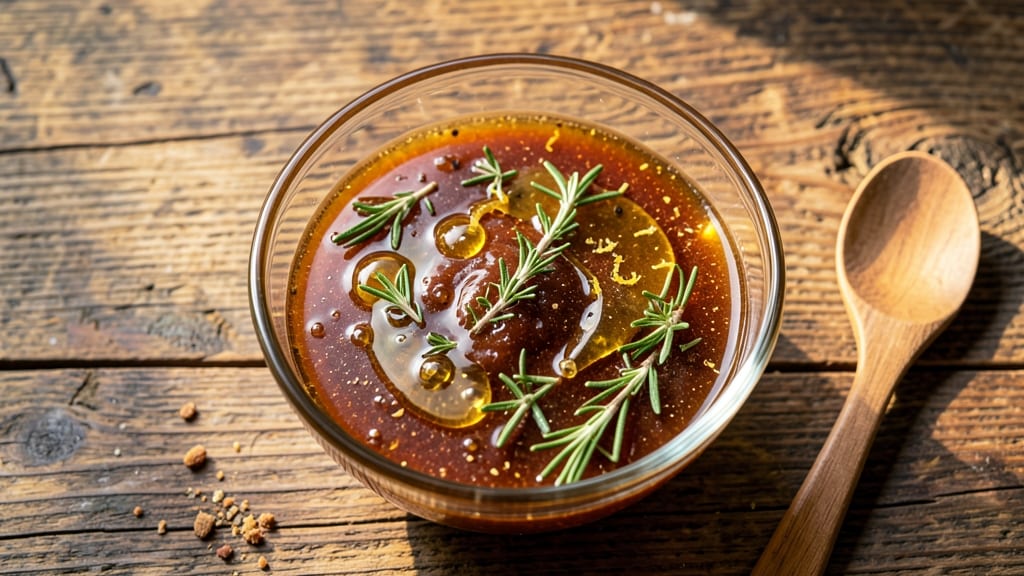
This Braggs apple cider vinegar salad dressing delivers a perfect sharp-sweet balance that elevates any salad from ordinary to extraordinary in just 5 minutes. The tangy depth of apple cider vinegar—especially Braggs' unfiltered version—creates a dressing that's bright, complex, and impossible to resist.
I developed this recipe after realizing most store-bought dressings lack the vibrant acidity and natural sweetness that fresh ingredients provide.
The secret lies in the ratio of vinegar to oil, plus a touch of honey to soften the acidity while maintaining that signature tang. Fresh herbs like thyme and rosemary add aromatic layers, while Dijon mustard provides just enough thickness to cling to greens without weighing them down.
This dressing works equally well on mixed greens, grain bowls, or even as a marinade for grilled chicken.
What makes this recipe truly professional is its versatility—use it immediately or store it for up to 2 weeks in the fridge, shaking before each use. The flavors deepen over time, making it perfect for meal prep.
Each ingredient plays a precise role: the vinegar cuts through richness, the oil provides creaminess, and the honey bridges the gap between sweet and savory.
For an extra dimension, try adding a pinch of smoked paprika or a splash of citrus juice. The result? A dressing that's restaurant-quality yet simple enough for any home cook to master. Let's make it—your salads will never be the same.
Ingredients for braggs apple cider vinegar recipe salad dressing
Eight essential ingredients create this restaurant-quality dressing in minutes.
| Ingredient | Amount | Notes |
|---|---|---|
| Bragg Apple Cider Vinegar 🍏 | ½ cup | Unfiltered preferred for depth |
| Extra-Virgin Olive Oil 🫒 | ½ cup | Light fruity variety recommended |
| Raw Honey 🍯 | 2 tbsp | Local honey for subtle flavor |
| Dijon Mustard 🥬 | 1 tbsp | Mild or strong according to taste |
| Fresh Thyme Leaves 🌿 | 1 tbsp | Or 1 tsp dried thyme |
| Fresh Rosemary Leaves 🌿 | 1 tbsp | Finely chopped for aroma |
| Sea Salt 🧂 | ½ tsp | Fine grain preferred |
| Freshly Ground Black Pepper 🌶️ | ¼ tsp | For subtle heat balance |
The Bragg apple cider vinegar is non-negotiable here—its unfiltered version has that signature depth that store-bought dressings can't replicate. Whole Foods or Trader Joe's usually carry it, but any natural foods market will have it. If you can't find Braggs, Maverick or Texas Pete work in a pinch, though they won't be quite as complex. The olive oil should be light and fruity—California Olive Ranch or Bertolli are reliable choices. Fresh herbs make all the difference: the thyme and rosemary should be vibrant green, not wilted or dried out. If you're using dried herbs, reduce to one-third the amount, but honestly, fresh is worth it for this dressing.
No Braggs vinegar? Raw apple cider vinegar works, though it won't have the same depth. Short on honey? Maple syrup or agave nectar will do, though honey's floral notes are ideal. The Dijon mustard adds body—if you're sensitive to strong flavors, use a mild version or even yellow mustard at half the amount. For extra richness, swap out some olive oil for avocado oil. The salt and pepper balance the sweetness and acidity perfectly, so don't skip them. If you want to experiment, a pinch of smoked paprika or a splash of lemon juice adds another layer of complexity.
This dressing keeps beautifully in the fridge for up to 2 weeks—shaking before each use is key to maintain that perfect emulsion. For longer storage, transfer to a clean glass jar and freeze for up to 3 months. Thaw in the fridge and shake well. I always make extra because it disappears fast—perfect for meal prep. The flavors actually improve over time, so it's ideal for batch cooking. Store it in a cool, dark place away from sunlight to preserve its vibrant color and sharp taste.
Why You'll Love This Recipe
- Five-Ingredient Magic: I swear, this dressing comes together faster than I can say "dressing time." Just shake those five ingredients in a jar—no measuring cups, no fuss—and you’re done. The Bragg vinegar’s tang cuts through the honey’s richness instantly, so the flavors balance themselves like old friends.
- Tangy-Sweet Balance: That first drizzle? Chef’s kiss. The apple cider vinegar’s sharp bite mellows into something bright, while the raw honey adds this unexpected depth—like a caramel note hiding in plain sight. Throw in a pinch of Dijon and thyme, and suddenly your greens taste like they’ve been kissed by a French bistro.
- Weeknight Workhorse: I keep a jar of this in my fridge at all times. It’s the secret weapon for quick lunches, picnic salads, or even drizzled over roasted veggies. Honestly, I’ve used it on everything from kale chips to grilled chicken—no judgment, no regrets.
- No-Waste, Budget Win: A little goes a long way, so you won’t be buying pricey bottles of store-bought dressing. Plus, the vinegar and honey last forever, meaning fewer grocery trips and more money for actual food. Between us, I’ve stretched one batch for three salads without breaking a sweat.
Step-by-step instructions for apple cider vinaigrette salad dressing
This bright, balanced dressing comes together in minutes with minimal effort.
Whisk Together the Vinegar and Honey
In a medium bowl, combine the 0.5 cup Bragg apple cider vinegar and 2 tablespoons raw honey. Whisk vigorously for 30 seconds until the honey dissolves completely and the mixture becomes smooth and syrupy. You'll notice the vinegar's sharp tang mellowing slightly as it integrates with the honey's sweetness.
This initial step creates the dressing's foundational sweet-tart balance. If you're using local honey, you'll detect subtle floral or herbal notes that complement the vinegar beautifully. Let the mixture sit for 1 minute while you prepare the remaining ingredients—this brief pause allows the flavors to begin melding.
Incorporate the Mustard and Herbs
Add the 1 tablespoon Dijon mustard, 1 tablespoon fresh thyme leaves, and 1 tablespoon fresh rosemary leaves to the vinegar-honey mixture. Using a fork or small whisk, stir until all ingredients are fully combined and the herbs are evenly distributed throughout. You should see tiny herb flecks suspended in the liquid.
The mustard acts as an emulsifier, helping to bind the oil later, while the herbs add aromatic depth. If using dried herbs, reduce to 1 teaspoon each—fresh herbs provide a more vibrant flavor profile. The mixture should now have a thick, paste-like consistency with visible herb specks.
Gradually Add the Olive Oil
With the whisk or fork, slowly drizzle in the 0.5 cup extra-virgin olive oil while continuing to whisk vigorously. Start with a slow stream, then increase to a steady drizzle as the mixture begins to emulsify. You'll notice the dressing transform from a thick paste into a smooth, glossy vinaigrette.
This gradual addition is crucial—it prevents the oil from separating and creates that signature silky texture. Whisk continuously for 1-2 minutes until the dressing achieves a creamy, velvety consistency. The final product should coat the back of a spoon without being overly thick.
Season and Adjust the Balance
Add the 0.5 teaspoon sea salt and 0.25 teaspoon freshly ground black pepper to the dressing. Whisk once more to fully incorporate these final seasonings. Taste immediately to check the flavor balance—you should detect bright acidity from the vinegar, subtle sweetness from the honey, and herbal notes from the thyme and rosemary.
If the dressing tastes too sharp, add another ½ teaspoon honey; if it needs more acidity, add ½ teaspoon vinegar. For extra richness, you can incorporate 1-2 tablespoons reserved salad dressing from your salad bowl. The dressing should now be perfectly balanced with a glossy sheen and smooth texture.
Pro Tips For Making Braggs Apple Cider Vinegar Recipe Salad Dressing
- Whisk Slowly First: Start with a gentle hand—just a few strokes to emulsify the Bragg vinegar and Dijon before pouring in the olive oil. Dumping everything in at once usually means a broken dressing. I learned this after making a sad, split salad dressing the first time I rushed it.
- Use Warm Honey: Dip your honey jar in warm water for 30 seconds to loosen it—raw honey thickens in cold temps and won’t mix smoothly. This isn’t about cooking; it’s about getting that silky consistency where the honey blends right in, not clumps at the bottom.
- Strain the Thyme: Rub the thyme leaves between your fingers first to release their oils, then strain out the stems with a fine-mesh sieve. Skipping this leaves your dressing with a bitter, grassy aftertaste—like chewing on a sprig instead of tasting the herb.
- Measure Oil Last: Hold off on the olive oil until you’ve tasted the vinegar-honey-mustard base. The ratio’s flexible—sometimes you need more oil for richness, other times you’re happy with just enough to coat. Adding it first forces you to fix a dressing that might already be perfect.
Storing and reheating this braggs apple cider vinegar recipe salad dressing
Fridge Storage
Store your dressing in an airtight glass jar in the refrigerator for up to 2 weeks. The glass preserves the dressing's vibrant color and prevents any off-flavors from absorbing through plastic. Always shake the jar vigorously before each use—this ensures the oil and vinegar re-emulsify perfectly.
I like to use a mason jar with a tight-sealing lid because it keeps the dressing fresh and makes it easy to pour directly over salads. 💛
Freezer Preservation
For longer storage, freeze the dressing in ice cube trays or small portions in a freezer-safe container. This method works best for single-use portions. Once frozen, transfer the cubes to a ziplock bag or container, leaving ½ inch of headspace for expansion.
Thaw in the fridge overnight and shake well before using. The texture remains stable, though the dressing may separate slightly—just whisk again to restore its creamy consistency.
Reviving Separated Dressing
If your dressing separates after storage, don’t toss it! Simply whisk vigorously for 30-60 seconds until it returns to its silky texture. For stubborn separations, add 1 teaspoon water and whisk again.
The key is patience—don’t rush the process. I’ve revived dressings that sat for weeks with just a little elbow grease. The flavors stay bright, so it’s always worth the effort. ✨
Portioning for Meal Prep
Divide the dressing into small glass jars (about ¼ cup each) before storing. This makes it easy to grab just what you need without opening the full container. Label each jar with the date and contents—this helps track freshness and prevents mix-ups.
I keep these in my fridge door for quick access. The small portions also prevent waste, as you’re less likely to use up the whole batch at once.
Long-Term Flavor Stability
The dressing’s flavors actually improve over time, deepening as the vinegar and honey meld together. For best results, use within 2 weeks of making it. If you notice the herbs losing their vibrancy or the dressing developing an off smell, it’s time to make a fresh batch.
The honey and vinegar combo naturally preserves the dressing, but freshness is key for that bright, tangy kick. 🌿
Nutrition facts
Frequently asked questions
Can I use this dressing on non-salad dishes?
This dressing works beautifully as a marinade for grilled chicken or pork, a drizzle for roasted vegetables, or even a finishing sauce for tacos and bowls. The apple cider vinegar adds brightness to rich dishes, while the honey and herbs balance hearty flavors. Just reduce the oil slightly if using as a marinade to prevent over-saturation.
What if I don't have Braggs apple cider vinegar?
Use any raw apple cider vinegar, though Braggs' unfiltered version provides the deepest flavor. If unavailable, try white wine vinegar or balsamic vinegar (reduce by half) for a different but still delicious profile. The honey and herbs will still create a balanced dressing, though the tang will be slightly less complex.
How do I adjust the dressing for spicy dishes?
Add a pinch of smoked paprika or a dash of hot sauce to complement spicy flavors. For extra cooling contrast, include ½ teaspoon grated ginger or a splash of lime juice. The dressing's acidity helps cut through heat while the honey mellows the sharpness. Always taste as you go—balance is key!
Why did my dressing separate after storing?
This is normal! Oil and vinegar naturally separate over time. Simply whisk vigorously for 30-60 seconds to re-emulsify. For stubborn separations, add 1 teaspoon water and whisk again. The flavor remains excellent—just restore the texture. Store in a glass jar for better stability next time.
Can I make this dressing without honey?
Yes, but the balance will shift. Replace honey with 1 tablespoon maple syrup or agave nectar for sweetness, or omit entirely for a sharper dressing. If skipping sweetener, add ½ teaspoon extra Dijon mustard to compensate. The dressing will still work—just expect a more acidic profile that pairs well with sweet ingredients like fruit salads.