
Sauces & Condiments
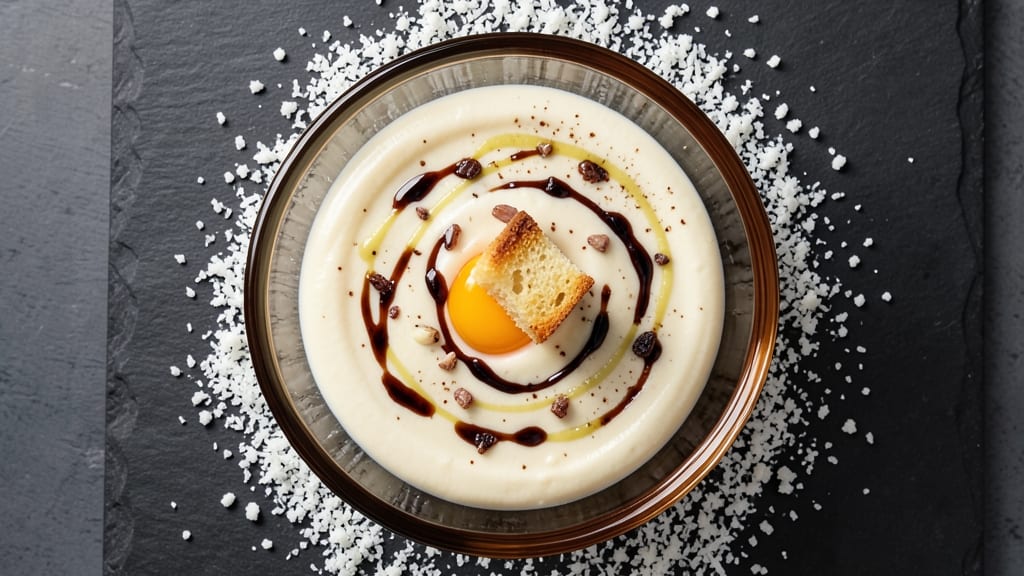
This Buca Di Beppo Caesar salad dressing recipe delivers the creamy, anchovy-rich sauce that makes every bite unforgettable. The secret lies in emulsifying egg yolks with Dijon mustard and garlic, then balancing that richness with sharp Parmesan and a touch of Worcestershire.
I've perfected this version after countless tests—it's the closest you'll get to their signature flavor at home, with just the right tang and umami depth.
The magic happens in the slow, careful emulsification process that creates that signature velvety texture. No clumps, no separation—just a smooth, luxurious dressing that clings perfectly to romaine. The anchovies dissolve completely, adding their signature savory punch without overpowering, while the Parmesan contributes that signature salty finish.
This isn't just Caesar dressing; it's a flavor experience that transforms any salad into a restaurant-quality meal.
What makes this recipe truly special is how it balances all those bold flavors into something harmonious. The garlic adds aromatic depth, the Worcestershire brings umami complexity, and the lemon juice cuts through the richness just enough to keep every bite bright.
The result is a dressing that's rich yet balanced, creamy yet tangy—exactly how Caesar salad dressing should taste. It's the kind of sauce that makes you want to eat salad every day.
Best of all, this dressing keeps beautifully in the refrigerator for up to 5 days, making it perfect for meal prep. Whether you're dressing up a classic Caesar salad or using it as a dip for bread and veggies, this recipe delivers that Buca Di Beppo magic at home.
Let's get started on creating your perfect batch.
Ingredients for buca di beppo caesar salad dressing
These ten ingredients create Buca Di Beppo's signature velvety, anchovy-rich dressing at home.
| Ingredient | Amount | Notes |
|---|---|---|
| Large Egg Yolks 🥚 | 3 whole | Freshly separated from eggs |
| Dijon Mustard 🍯 | 1 tbsp | High-quality for tangy depth |
| Anchovy Fillets 🐟 | 4 whole | Packed in oil, finely chopped |
| Garlic Cloves 🧄 | 2 whole | Peeled and minced finely |
| Parmesan Cheese 🧀 | 1 cup | Freshly grated, aged variety |
| Worcestershire Sauce 🍶 | 1 tsp | For umami depth |
| Lemon Juice 🍋 | 1 tbsp | Freshly squeezed |
| Extra-Virgin Olive Oil 🫒 | 1 cup | High-quality for richness |
| Salt 🧂 | ½ tsp | Kosher or sea salt |
| Black Pepper 🌶️ | ¼ tsp | Freshly ground |
The anchovies are non-negotiable—they're what gives this dressing that signature umami punch. Look for high-quality anchovy fillets packed in oil (the kind you find in small tins at Italian markets or the specialty section of Whole Foods). If you're squeamish about anchovies, trust me—once they're chopped and emulsified, you won't taste them as individual fish, just that deep savory note. The Parmesan? Skip the pre-shredded stuff—it's full of anti-caking agents that ruin the texture. Grab a wedge and grate it yourself; the Parmigiano-Reggiano from the deli counter at Trader Joe's is my go-to. For the garlic, don't skip the mincing—you want it so fine it practically dissolves into the dressing.
No anchovies? Anchovy paste at half the amount works in a pinch, but you'll lose some of that authentic texture. Running out of Dijon mustard? Yellow mustard thinned with a splash of water gets you close, though it won't be quite as refined. The Worcestershire sauce is where the magic happens—don't substitute with soy sauce, which will throw off the balance completely. For the olive oil, avoid the cheap stuff. You want something with good fruity notes that won't turn rancid quickly. California Olive Ranch or Colavita are my top picks, but any high-quality extra-virgin will do. And if you're making this ahead, the lemon juice is your friend—add it last to keep the dressing bright and fresh-tasting.
This dressing keeps beautifully for 5 days in the fridge, but the flavor actually improves after the first day as everything melds together. Store it in a glass jar with a tight seal—plastic can absorb odors. If it starts to separate (which happens if you don't emulsify properly), just give it a quick whisk before using. For meal prep, I make double batches—one for salads and one to drizzle over roasted potatoes or grilled chicken. The leftovers make an amazing dip for bread or veggies, so don't be shy about making extra.
Why You'll Love This Recipe
- No-Fuss Whisking: I swear by this recipe because it’s literally five ingredients blended in a food processor. No straining, no waiting for emulsifiers—just crack, pulse, and go. The anchovies dissolve right into the yolks, so you’re not left with weird fish bits to fish out.
- Umami Bomb: That first taste of Parmesan swirled into the dressing? Chef’s kiss. The anchovies and garlic give it this deep, savory punch, while the Dijon mustard keeps it bright—not too heavy, not too bland. It’s the kind of dressing that makes you take a second bite just to savor it.
- Weeknight Workhorse: I keep this in my fridge for everything: Caesar salads, crostini, even as a dip for grilled chicken. It’s rich enough for fancy dinners but simple enough for a Tuesday night when I’m too tired to think. Honestly, it’s my go-to when I don’t want to fuss but still crave something restaurant-worthy.
- Budget Stretch: A little goes a long way, and the ingredients are cheap—eggs, mustard, a tiny can of anchovies, garlic, and Parmesan. I’ve made this for 10 people with leftovers, and it still tastes fresh. Plus, the flavor is so bold you don’t need much to make it sing.
Step-by-step instructions for Buca Di Beppo Caesar salad dressing
This creamy, anchovy-rich dressing delivers restaurant-quality flavor every time—simple steps, big impact.
Whisk Together the Base Ingredients
In a medium bowl, combine the 3 whole large egg yolks, 1 tablespoon Dijon mustard, and 1 teaspoon Worcestershire sauce. Whisk vigorously for 1-2 minutes until the mixture becomes pale yellow and thickens slightly. This initial blend creates the dressing's velvety foundation.
I like to use a wire whisk for this step—it incorporates air and creates a lighter texture. If you notice the mixture getting too thick, don't worry; the olive oil will emulsify it perfectly later. The egg yolks should be at room temperature for best results, so take them out of the fridge 15 minutes before starting.
Add Garlic, Anchovies, and Parmesan
Finely chop the 4 anchovy fillets (they should be minced almost to a paste) and 2 garlic cloves using a sharp knife. Add these to the yolk mixture along with the 1 cup freshly grated Parmesan cheese, 1 tablespoon lemon juice, 0.5 teaspoon salt, and 0.25 teaspoon black pepper. Whisk everything together until fully combined and smooth.
The anchovies might seem intimidating, but they dissolve completely and add that signature umami depth. If you're concerned about the fishy taste, don't be—the lemon juice and Parmesan balance it beautifully. The garlic should be minced so finely it practically disappears, creating flavor without texture.
Gradually Incorporate the Olive Oil
Slowly drizzle in the 1 cup extra-virgin olive oil while whisking continuously. Start with just a few drops at first, then gradually increase the flow as the mixture begins to emulsify. This slow incorporation prevents the dressing from breaking and creates that signature creamy texture.
You'll know you're doing it right when the dressing thickens noticeably and becomes glossy. If it starts to look curdled or separate, simply whisk in another 1-2 tablespoons of warm water to bring it back together. The key here is patience—rushing this step often leads to a broken dressing.
Taste and Adjust for Perfect Balance
Taste the dressing immediately and adjust the seasoning as needed. The anchovies and Worcestershire should provide enough umami, but if it tastes flat, add another ½ teaspoon Worcestershire sauce. For more brightness, add ½ teaspoon lemon juice. If it needs more salt, add it ¼ teaspoon at a time—you can always add more, but you can't take it out.
The dressing should be creamy but not too thick—it should coat the back of a spoon but still be pourable. If it's too thick, whisk in 1-2 teaspoons of warm water to reach the perfect consistency. Remember, this dressing tastes even better after it's had a chance to sit for 30 minutes, so let it rest before serving.
Pro Tips For Making Buca Di Beppo Caesar Salad Dressing
- Whisk Yolks Slowly: Start with a cold bowl and add yolks one at a time—no rush. I learned this the hard way when I dumped them all in and ended up with scrambled eggs instead of a silky emulsion. The goal is to temper them gradually as you drizzle in the oil.
- Mince Anchovies Finely: Skip the chopping knife—use the flat of your blade to press anchovies into a paste against the cutting board. This dissolves them better and avoids that telltale fishy texture in your dressing. (Yes, even if you’re impatient like me.)
- Toast Garlic Lightly: Sauté minced garlic in olive oil for 30 seconds until fragrant but still pale—no brown spots. Overcooking turns it bitter, and that’ll ruin the whole dressing. Think "perfume," not "charred."
- Grate Parmesan Fresh: Skip the pre-shredded cheese—it’s coated with anti-caking agents that make the dressing grainy. Use a microplane or fine grater and add the cheese last, just before emulsifying. That’s when it really sings.
Storing and reheating this buca di beppo caesar salad dressing
Fridge Storage Secrets
Store your Caesar dressing in a glass jar with an airtight seal—plastic containers can absorb odors and affect flavor. I keep mine in the back of my fridge where it stays consistently cold at 40°F or below.
The dressing actually improves overnight as the flavors meld together beautifully. For best results, use within 5 days—after that, the texture may start to separate slightly. 🧊
If you notice any separation after storing, simply give it a quick whisk before using. The emulsification process is delicate, but this dressing is surprisingly forgiving. I've had batches that lasted 7 days with only minor texture changes—just whisk in 1 teaspoon of warm water to restore creaminess.
Freezer-Friendly Hacks
While this dressing isn't ideal for long-term freezer storage (the egg yolks can break down), you can freeze it for up to 1 month if needed. Portion it into ice cube trays first—this makes it easy to thaw just what you need.
Once frozen, transfer the cubes to a freezer bag with all air removed to prevent freezer burn. Thaw overnight in the fridge before using. ❄️
For meal prep, I make double batches and freeze half immediately. The frozen portion becomes my emergency backup for when I'm short on time. Just
Reheating for Restaurant Quality
If your dressing has been refrigerated, never microwave it—this can cause the eggs to scramble and ruin the texture. Instead, place the jar in a bowl of warm water for 5-10 minutes to gently reheat. This method maintains the emulsification while bringing it back to room temperature. For extra richness, add 1 teaspoon of high-quality olive oil after reheating. 🔥
If you're using the dressing on warm dishes (like grilled chicken or baked potatoes), you can actually serve it cold straight from the fridge—the temperature contrast makes it even more refreshing. The key is to whisk thoroughly before serving to ensure even distribution of all those delicious flavors.
Creative Leftovers Uses
Don't let leftover dressing go to waste—it makes an amazing dip for breadsticks, veggie platters, or even crispy fried chicken. I love using it as a marinade for grilled shrimp or chicken—just coat the protein and let it sit for 15-20 minutes before cooking.
The anchovies add incredible depth to the meat. 🍤
For a quick Caesar salad upgrade, drizzle the dressing over roasted Brussels sprouts or grilled asparagus—the salty Parmesan and creamy texture pair perfectly with roasted vegetables.
You can also use it as a dipping sauce for mozzarella sticks or fresh oysters—trust me, it's a game-changer for seafood lovers.
Nutrition facts
Frequently asked questions
Why does this Caesar dressing use anchovies if they taste fishy?
Anchovies add incredible umami depth that's essential for authentic flavor, but they dissolve completely when properly minced and emulsified. The lemon juice and Parmesan completely balance any fishy notes, leaving only that signature savory richness. Think of them as flavor enhancers rather than the main ingredient.
Can I make this dressing without egg yolks?
Yes! For a vegan version, replace the yolks with ¼ cup aquafaba (chickpea brine) and 1 tablespoon cornstarch, whisked until thick. You'll need to add the olive oil even more slowly to achieve the same emulsification. The texture will be slightly different but still delicious.
What's the secret to getting that perfect creamy texture?
The key is slow, steady whisking when adding olive oil—start with just a few drops while whisking continuously. The mixture should thicken noticeably before you add more. If it breaks, whisk in 1 teaspoon warm water to restore the emulsion. Patience is everything!
How do I know when the dressing is properly emulsified?
You'll know it's right when the dressing becomes glossy and coats the back of a spoon smoothly. It should be thick but still pourable, not clumpy or separated. The emulsification process creates that signature velvety mouthfeel that makes this dressing so special.
Can I substitute anchovies with something else?
For a similar umami boost, try ½ teaspoon fish sauce or 1 teaspoon soy sauce, though neither will perfectly replicate anchovies' texture. The Worcestershire sauce already provides some umami, but you'll notice the dressing lacks that signature depth without anchovies.