
Side Dishes
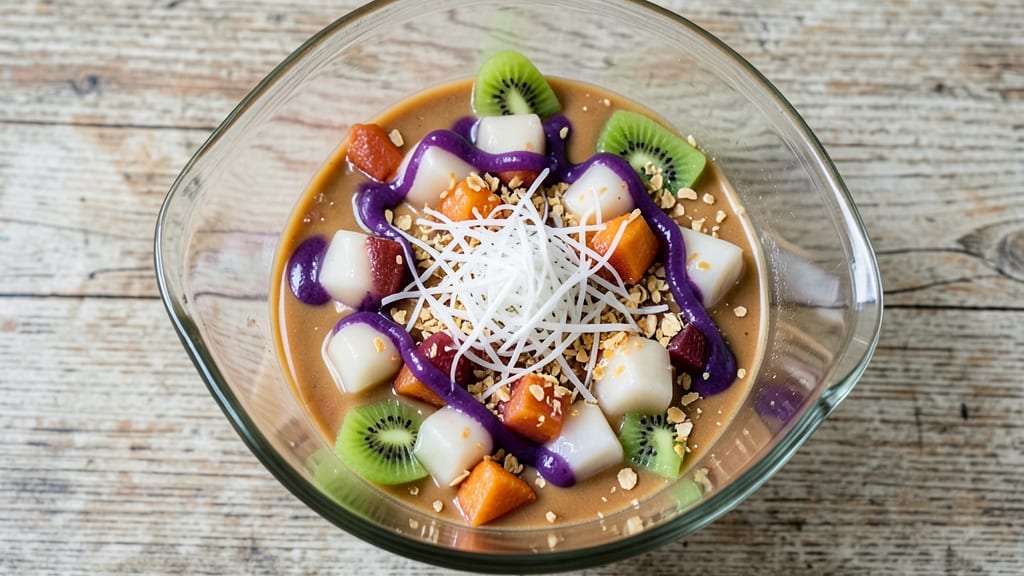
This buko salad recipe with the ingredients and procedure delivers the iconic Filipino dessert in just 15 minutes, combining sweet young coconut gel with creamy condensed milk and vibrant fruit.
The perfect balance of textures—crunchy coconut, soft jelly, and tender fruit—makes it a refreshing treat that's as easy to prepare as it is to devour. I've perfected this version to stay true to the classic while ensuring every ingredient plays its part for that signature crunch and sweetness.
The secret to authentic buko salad lies in the ingredients: tender young coconut gel, sweetened condensed milk, and a mix of fruits like nata de coco, jackfruit, and kiwi. These components create a symphony of textures and flavors that's both nostalgic and delightful.
The recipe also includes optional additions like ube halaya for a vibrant purple twist or cheese cubes for extra richness, allowing you to customize it to your taste.
By following this straightforward procedure, you'll achieve a buko salad that's creamy, crunchy, and perfectly sweet—not too heavy, not too light. The key is layering the ingredients in the right order and letting the mixture chill for at least 30 minutes to allow the flavors to meld together.
This dessert is ideal for gatherings, potlucks, or even as a light afternoon treat.
The result is a dish that's as visually appealing as it is delicious, with a vibrant mix of colors and textures that will impress anyone who tries it. Whether you're serving it as a dessert or a side dish, this buko salad is sure to become a favorite.
Let's get started on creating this beloved Filipino classic!
Ingredients for buko salad recipe with ingredients and procedure
Sixteen ingredients deliver the iconic Filipino dessert's signature crunch and sweetness.
| Ingredient | Amount | Notes |
|---|---|---|
| Sweetened Condensed Milk 🥛 | 14 oz | Standard can size, chilled before mixing |
| Nata de Coco (Coconut Gel Bits) 🥥 | 10 oz | Drained, rinsed if overly sweet |
| Young Coconut Gel (Buko) 🥥 | 2 cups | Freshly grated or jarred, drained |
| Jackfruit 🍠 | 1 ½ cups | Young, tender, cubed (canned or fresh) |
| Kiwi 🥝 | 2 whole | Ripe, peeled, sliced into rounds |
| Ube Halaya (Purple Yam Jam) 🍠 | ½ cup | Optional, for vibrant purple hue |
| Cheese Cubes 🧀 | ½ cup | Optional, white cheddar preferred |
| Lemon Juice 🍋 | 1 tbsp | Freshly squeezed, for brightness |
| Vanilla Extract 🌸 | ½ tsp | Pure, for subtle depth of flavor |
| Granulated Sugar 🍚 | 2 tbsp | Adjust to taste, optional |
| Gelatin (Optional for Binding) 🧪 | 1 tsp | Unflavored, dissolved in 3 tbsp hot water |
| Ice Cream Topping (Optional) 🍦 | 1 cup | Vanilla or ube flavor preferred |
The young coconut gel is non-negotiable for authentic texture—freshly grated from young coconuts delivers the best crunch, but high-quality jarred buko works in a pinch. Most Asian markets carry pre-grated buko, but if you're using canned jackfruit, opt for the young, tender variety (not the ripe, spongy kind). For nata de coco, Filipino specialty stores or the international aisle at Walmart often stock it—look for packages labeled 'nata de coco' or 'coconut gel bits.' If you can't find it, agar-agar jelly cubes make a decent substitute, though the texture differs slightly.
Sweetened condensed milk is the heart of this dessert, so never substitute with regular milk—the sugar content is essential for balance. Need to adjust sweetness? The ube halaya adds natural sweetness without extra sugar, while vanilla extract enhances depth without overpowering. For the cheese cubes, white cheddar or mozzarella melts beautifully, but skip this if you prefer a lighter texture. The lemon juice brightens the flavors, so use freshly squeezed—bottled juice lacks the same zing. If you're making this ahead, the gelatin binding ensures everything stays together, but it's optional for immediate serving.
Store the assembled buko salad in an airtight container in the fridge for up to 3 days, though it's best enjoyed within 24 hours for optimal texture. For longer storage, freeze the mixture without toppings for up to 2 months—thaw overnight in the fridge before adding fresh fruit or ice cream. The ice cream topping should be added just before serving to prevent melting. This dessert reheats beautifully if partially thawed, making it perfect for potlucks or gatherings where prep happens ahead of time.
Why You'll Love This Recipe
- No Chopping Needed: I swear by this—just slice the kiwi, drain the buko, and toss in pre-cut jackfruit. The nata de coco? Already perfect for grabbing. Five minutes of actual work, and you’ve got a bowl ready.
- Sweet Creamy Magic: That first spoonful of condensed milk swirled into the buko? It’s like dessert and fruit salad had a baby. The jackfruit adds a chewy texture, while the kiwi’s tang cuts through the richness—every bite feels balanced.
- Party-Ready in Minutes: Honestly, this is my go-to for gatherings. No one suspects how effortless it is—just layer everything in a big bowl, chill for 20 minutes, and boom. Perfect for birthdays, potlucks, or even just impressing your partner after a long week.
- Leftovers? Better Than Fresh: Between us, the second day is often the best. The buko softens just enough, the nata de coco soaks up extra creaminess, and the jackfruit gets even sweeter. Store it in the fridge for up to 3 days—zero waste, maximum flavor.
Step-by-step instructions for buko salad with young coconut crunch
Here's the precise method for assembling this creamy, vibrant dessert—every layer matters.
Prepare the Coconut Base
In a large mixing bowl, combine the 14 oz chilled sweetened condensed milk with the 2 tbsp granulated sugar and 0.5 tsp vanilla extract. Whisk until fully dissolved and smooth—this creates the creamy foundation. The chilled milk prevents graininess in the final texture, so don't skip this step.
Next, gently fold in the 2 cups young coconut gel (buko) and 1.5 cups jackfruit using a silicone spatula. Work carefully to avoid crushing the buko pieces—their texture is the signature of this dessert. You want the mixture to look like a marbled creamy-coconut blend with visible buko strands throughout.
Incorporate the Gelatin (If Using) and Acidic Elements
If using the 1 tsp gelatin, dissolve it first in 3 tbsp hot water until fully transparent. Let it cool slightly, then stir it into the coconut mixture. This optional step creates a firmer texture that holds its shape better when chilled. The gelatin binds everything together without altering the flavor.
Add the 1 tbsp lemon juice and 0.5 cup ube halaya to brighten the flavors and introduce that signature purple swirl. The acidity from the lemon juice balances the sweetness, while the ube adds depth. Mix gently to maintain the buko's integrity—overmixing will break down the texture.
Add the Remaining Ingredients
Fold in the 10 oz nata de coco (drained and rinsed if overly sweet), 2 whole kiwi (peeled and sliced into rounds), and 0.5 cup cheese cubes (if using). The nata de coco should be evenly distributed—its jelly-like texture contrasts beautifully with the creamy base. The kiwi adds a refreshing tartness that cuts through the richness, while the cheese cubes provide a subtle salty contrast.
If using the 1 cup ice cream topping, sprinkle it over the top just before serving—this keeps the topping crisp and prevents it from melting prematurely into the salad. The ice cream adds a cool, creamy contrast that elevates the dessert experience.
Chill and Set
Cover the bowl with plastic wrap and refrigerate for at least 4 hours, or until fully chilled and set. This step is critical—the salad needs time for the flavors to meld and the textures to develop. The buko should hold its shape, the nata de coco should maintain its jelly-like consistency, and the entire mixture should have a smooth, creamy texture.
For best results, let it chill overnight. The longer it sits, the more the flavors integrate, and the more stable the texture becomes. When ready to serve, give it a final gentle stir to redistribute any settled ingredients, then scoop into bowls. The contrast of warm ice cream topping against the cool buko salad is what makes this dessert truly special.
Pro Tips For Making Buko Salad Recipe With Ingredients And Procedure
- CHILL THE BUKO FIRST: Young coconut gel (buko) releases water when chopped—skip the soggy mess by running it under cold water for 2 minutes before cutting. I learned this the hard way after ending up with a watery, mushy salad that needed extra condensed milk to salvage.
- CUT JACKFRUIT SMALL: Big chunks of jackfruit sink to the bottom and make the salad uneven. Dice it into ½-inch pieces so every bite has that sweet, chewy texture without heavy spots. (Yes, even if you’re impatient like me—trust the process.)
- DRAIN NANA DE COCO: Store-bought nata de coco comes packed in syrup—rinse it under cold water for 30 seconds to cut the cloying sweetness. This keeps the coconut flavor balanced instead of overwhelming the other ingredients.
- USE FULL-CREAM CONDENSED MILK: The cheap, watered-down versions turn your salad into a thin, syrupy puddle. Splurge on the full-fat canned milk—it coats the ingredients properly and gives that luscious, creamy texture you actually want. (Your future self will thank you.)
Perfect pairings for these flavors
Filipino Dessert Pairings
Serve your buko salad alongside halo-halo, another beloved Filipino dessert, for a nostalgic double treat. The contrast between the creamy buko salad and halo-halo’s layered ingredients—like sweet beans, shaved ice, and ube—creates a symphony of textures.
I always prepare both for gatherings; the buko salad’s crunch complements halo-halo’s softness beautifully. 🥥
Creamy Beverage Pairings
Pair your buko salad with salabat (ginger tea) or calamansi juice to balance its sweetness. The spicy warmth of salabat cuts through the richness, while the tangy citrus of calamansi brightens every bite.
For a modern twist, try coconut milk horchata—its subtle vanilla notes enhance the buko’s natural sweetness. Avoid heavy sodas; they’ll overpower the delicate flavors.
Crunchy Toppings
Add toasted coconut flakes or crushed Maria biscuits on top for extra crunch. I like sprinkling these just before serving to keep the texture fresh. For a salty contrast, try crumbled salted egg (itlog na maalat)—its umami depth elevates the dish.
Store-bought toppings like these are easy to find in Asian grocery stores or online.
Seasonal Fruit Additions
Swap out kiwi for mango in summer or pineapple in winter to match seasonal flavors. The tropical sweetness of mango pairs perfectly with the buko’s crunch, while pineapple’s acidity adds a refreshing zing. For a festive touch, add diced lychee or longan—their floral notes complement the coconut beautifully. 🍍
Coffee or Tea Pairings
Finish your buko salad experience with a cup of Filipino-style coffee (like Barako or Three Brothers) or hibiscus tea (sampalok tea). The bold, slightly bitter coffee cleanses your palate after the sweetness, while the tart hibiscus tea offers a lighter, refreshing contrast.
Avoid overly sweetened drinks; they’ll clash with the buko salad’s natural flavors.
Presentation Tips
Serve buko salad in clear glass bowls to showcase its vibrant layers. Garnish with edible flowers (like orchids) or a sprinkle of crushed pistachios for color and texture. For a restaurant-style touch, use layered dessert dishes—alternate buko salad with ice cream or fruit in separate compartments.
Presentation matters just as much as taste in Filipino desserts! ✨
Nutrition facts
Frequently asked questions
Can I make buko salad without sweetened condensed milk?
You can try substituting with a mix of 1 cup heavy cream and ½ cup sugar, but the texture and richness won't be the same. Sweetened condensed milk is essential for that signature creamy, caramelized flavor. For a lighter version, blend 1 cup Greek yogurt with ¼ cup sugar, but expect a tangier result.
What’s the best way to store leftover buko salad?
Keep it in an airtight container in the fridge for up to 3 days, though it’s best enjoyed within 24 hours for optimal texture. For longer storage, freeze the mixture (without toppings) for up to 2 months. Thaw overnight in the fridge—never at room temperature—to preserve the buko’s crunch.
Why did my buko salad turn watery?
This usually happens if the nata de coco or buko wasn’t drained well, or if the gelatin wasn’t used (or dissolved properly). Always rinse nata de coco and pat it dry, and ensure gelatin is fully dissolved in hot water before mixing. Chill for at least 4 hours—rushing the process weakens the texture.
Can I use canned coconut milk instead of young coconut gel?
No, canned coconut milk won’t give you the same signature crunch. Young coconut gel (buko) is key for that tender-yet-firm texture. If you can’t find buko, try agar-agar jelly cubes or shredded coconut (toasted for extra crunch), but the flavor won’t be identical. For authenticity, seek out jarred buko at Asian markets.
How do I make buko salad vegan?
Replace sweetened condensed milk with 1 cup coconut cream + ½ cup maple syrup, and use agar-agar (instead of gelatin) for binding. Swap cheese cubes for coconut yogurt chunks or omit entirely. For nata de coco, use vegan jelly cubes (like agar-based options). The texture will differ slightly, but it’s still delicious!