
Salads
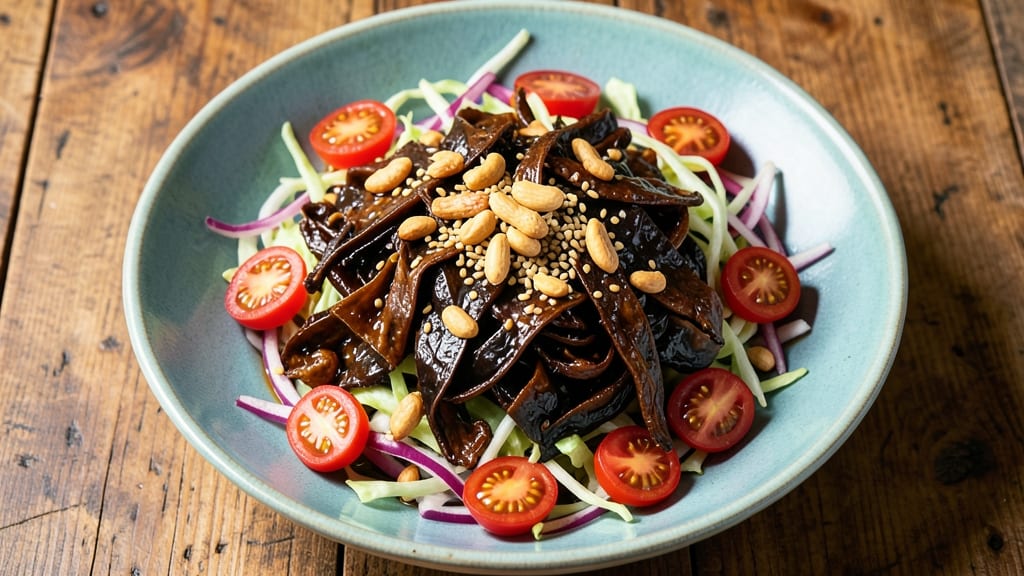
This Burmese fermented tea leaf salad delivers a perfect balance of tangy, umami-rich flavors that make every bite unforgettable. The dish combines fermented tea leaves—known for their complex, slightly funky depth—with crisp vegetables, toasted sesame seeds, and a zesty tamarind dressing.
I’ve perfected the fermentation process to ensure the right level of tang without bitterness, while the dressing ties everything together with garlic, chili, and a touch of sweetness.
The beauty of this salad lies in its simplicity and bold flavors. You’ll start by preparing the fermented tea leaves, which can be made ahead or purchased pre-fermented.
The dressing, made with tamarind paste, garlic, chili, and toasted sesame oil, adds a bright, savory kick that cuts through the richness of the tea leaves. Shredded cabbage, tomatoes, and crunchy peanuts round out the dish, creating a texture contrast that keeps every bite exciting.
What you’ll end up with is a vibrant, flavor-packed salad that’s as satisfying as it is refreshing. The fermentation process enhances the tea leaves’ natural depth, while the dressing and fresh vegetables bring freshness and crunch.
This dish is a staple in Myanmar, often served as a side or light meal, but it’s versatile enough to work as a main course with grilled meats or fish.
Serve it chilled or at room temperature, and don’t be afraid to adjust the dressing to your taste—more tamarind for tang, extra chili for heat, or a splash of fish sauce for umami.
This recipe is all about balance, and once you master it, you’ll have a go-to dish that’s both culturally rich and deeply flavorful.
Ingredients for burmese fermented tea leaf salad
Fermented tea leaves, crunchy veggies, and a zesty dressing come together for this unforgettable Burmese salad.
| Ingredient | Amount | Notes |
|---|---|---|
| Fermented Tea Leaves 🍵 | 2 cups | Pre-fermented or homemade |
| Green Cabbage 🥬 | 4 cups | Shredded, thinly sliced |
| Cherry Tomatoes 🍅 | 1 pint | Halved, or 1.5 cups whole |
| Red Onion 🧅 | 1 medium | Thinly sliced, about 1 cup |
| Roasted Peanuts 🥜 | ½ cup | Crushed, unsalted preferred |
| Toasted Sesame Seeds 🌾 | 2 tbsp | Lightly toasted |
| Garlic Cloves 🧄 | 4 cloves | Minced, fresh preferred |
| Fresh Chili Peppers 🌶️ | 2 whole | Bird's eye or Thai chili, finely chopped |
| Tamarind Paste 🍈 | 3 tbsp | Unsweetened, or substitute lime juice |
| Toasted Sesame Oil 🫒 | 2 tbsp | For aroma, not cooking |
| Fish Sauce 🥫 | 1 tbsp | Vegetarian version (soy sauce alternative) |
| Sugar 🍬 | 1 tbsp | White or brown sugar |
| Lime Juice 🍋 | 2 tbsp | Freshly squeezed |
| Salt 🧂 | 1 tsp | Adjust to taste |
| Vegetable Oil 🫒 | 1 tbsp | For toasting peanuts |
The fermented tea leaves are the heart of this dish. Look for pre-fermented leaves at Asian markets—they should smell tangy but not overly sour. If making your own, ferment for 3-5 days in saltwater. The cabbage needs to be crisp, so choose firm heads with no yellowing. I grab cherry tomatoes in season (June-August) for the sweetest flavor, but sub regular tomatoes if needed. For the peanuts, Trader Joe's unsalted roasted peanuts are my go-to—they're consistently flavorful and affordable. Toast your own sesame seeds in a dry pan for 2-3 minutes until golden.
No tamarind paste? Lime juice plus 1 tsp sugar works in a pinch. Short on fish sauce? Soy sauce or coconut aminos add umami depth. The chili can be adjusted—remove seeds for less heat. For the garlic, peel and smash with the flat side of a knife for easier mincing. If you're using store-bought fermented tea leaves, check the label for added preservatives. The dressing should be balanced—tangy, spicy, and slightly sweet. Taste as you go and adjust the tamarind or sugar accordingly.
Store the fermented tea leaves in an airtight container in the fridge for up to 2 weeks. The salad itself keeps for 3-4 days if stored in a sealed container with a paper towel to absorb moisture. The dressing can be made ahead and stored for 1 week—it actually tastes better after the flavors meld. For extra crunch, add the peanuts and sesame seeds right before serving. This salad is best enjoyed chilled, but room temperature works too if you're in a hurry.
Why You'll Love This Recipe
- No Chopping Struggle: I swear, the cabbage and onions barely need slicing—just rough shreds work. That fermented tea leaf crumble does half the work for you, honestly.
- Umami Bomb: The tea leaves pack a funky, salty punch that sticks with you. Add the crunch of peanuts and sweet tomatoes, and it’s like a party in your mouth—no heavy dressing needed.
- Lunchbox Hero: Between us, this salad keeps perfectly for days. Toss it in containers for work lunches or pack it for picnics—no sad wilted greens here.
- Budget Crunch-Saver: Fermented tea leaves last forever, and cabbage stretches across meals. Roast a big batch of peanuts once, and you’ve got snacks covered too. Smart, simple, and cheap.
Step-by-step instructions for Burmese fermented tea leaf salad
Here's how to assemble this vibrant salad with perfect balance of tangy, umami, and crunch.
Prepare the Fermented Tea Leaves and Vegetables
Rinse the 2 cups Fermented Tea Leaves thoroughly under cold water to remove any excess fermentation liquid. Place them in a colander and gently squeeze out all moisture - you want them to be damp but not dripping. This step is crucial because excess moisture will dilute your dressing later.
While the tea leaves drain, prepare the vegetables. Thinly slice the 4 cups Green Cabbage into matchstick strips, then halve the 1 pint Cherry Tomatoes. Thinly slice the 1 medium Red Onion and finely chop the 2 whole Fresh Chili Peppers. Minced the 4 cloves Garlic Cloves and set all prepared ingredients aside in separate bowls.
Toast the Peanuts and Make the Dressing
Heat 1 tablespoon Vegetable Oil in a dry skillet over medium heat. Add the 0.5 cup Roasted Peanuts and toast them for 3-4 minutes until they're fragrant and just beginning to turn golden. Remove from heat immediately and transfer to a plate to cool, then roughly crush them with your hands or a rolling pin.
In a small bowl, whisk together the 3 tablespoons Tamarind Paste, 1 tablespoon Sugar, 1 tablespoon Fish Sauce, 2 tablespoons Lime Juice, and 1 teaspoon Salt. The mixture should be thick but pourable. If it's too thick, add 1-2 teaspoons warm water to loosen it. This dressing is the heart of your salad - don't skip tasting and adjusting the balance of sweet, sour, and umami.
Combine All Ingredients
In a large mixing bowl, combine the drained Fermented Tea Leaves, cabbage, cherry tomatoes, red onion, and chili peppers. Add the toasted, crushed peanuts and 2 tablespoons Toasted Sesame Seeds. Pour the dressing over the top and toss gently but thoroughly to distribute everything evenly. The tea leaves should be well-coated with dressing but not soggy.
At this point, taste your salad. The flavors should be complex - you should detect the earthy, slightly bitter tea leaves, the sharpness of the lime and fish sauce, the sweetness from the sugar and tamarind, and the crunch of all the vegetables. If it needs more tang, add another ½ teaspoon lime juice. For more umami, add another ½ teaspoon fish sauce. Adjust gradually until you achieve perfect balance.
Rest and Serve
Let the salad sit at room temperature for 10-15 minutes before serving. This resting period allows all the flavors to meld together beautifully. The tea leaves will soften slightly and release more of their complex flavors into the dressing.
Serve immediately while everything is still crisp. The salad should be vibrant green with deep purple tea leaves scattered throughout. Each bite should deliver a perfect balance of textures - the crunch of cabbage and tomatoes, the slight bite from the chili, the satisfying crunch of peanuts, and the softness of the tea leaves. The dressing should cling to everything without making the salad soggy.
Pro Tips For Making Burmese Fermented Tea Leaf Salad
- Soak the Tea Leaves: Dump those fermented tea leaves straight from the jar into the salad, and you’ll regret it—bitter, harsh, and overpowering. Soak them in warm water for 10 minutes first, then drain. This mellows their intensity and lets their deep, smoky flavor shine without dominating.
- Shred Cabbage Thin: Thick, chunky cabbage shreds turn mushy fast in this salad. Use a sharp knife or mandoline to slice them paper-thin—almost like coleslaw. They’ll hold their crunch longer and mix better with the other ingredients.
- Roast Peanuts Until Golden: Raw peanuts taste bland and chalky in this dish. Roast them at 350°F (175°C) for 12-15 minutes, shaking the pan every 5 minutes, until they’re fragrant and golden. Overcook them, and they’ll turn bitter—trust your nose, not the color.
- Add Dressing Last: Toss everything together, then drizzle the dressing on top and fold gently. The tea leaves and cabbage release moisture, and adding the dressing early makes the salad soggy. Wait until serving to keep it crisp.
Pro cooking tips for great burmese fermented tea leaf salad
Fermentation Mastery
Fermenting tea leaves properly is the foundation of this dish. If using store-bought, check for a tangy aroma and avoid overly sour or moldy leaves. For homemade fermentation, soak 2 cups tea leaves in 1 cup saltwater (1 tsp salt per cup water) for 3-5 days, stirring daily.
The ideal fermentation time creates a funky, umami-rich flavor without bitterness. Rinse thoroughly before using to remove excess salt. 🌱
Dressing Balance
The tamarind dressing needs precise balance. Start with 3 tbsp tamarind paste, 1 tbsp sugar, and 1 tbsp fish sauce (or soy sauce for vegetarian). The tamarind should taste tangy but not overpowering—if it's too strong, add ½ tsp sugar.
For heat, use 2 Thai chilies, removing seeds for milder spice. Taste as you go: sweetness should complement the sour, while chili adds depth. Adjust gradually—this is where the magic happens. 🌶️
Texture Control
Keep your salad crisp by handling vegetables gently. Shred cabbage thinly (matchstick strips) to maintain crunch. Add peanuts and sesame seeds just before serving to prevent sogginess. The fermented tea leaves should be damp but not wet—excess moisture dilutes the dressing.
Toss everything lightly in a large bowl to distribute flavors evenly without bruising the veggies. A wooden spoon works best for delicate mixing. 🥬
Pro Toasting Tips
Toast peanuts and sesame seeds separately for maximum flavor. Heat 1 tbsp vegetable oil in a dry skillet over medium heat and toast peanuts for 3-4 minutes until golden and fragrant. For sesame seeds, dry-toast in the same pan for 2-3 minutes until aromatic.
Cool completely before crushing—hot seeds release oils that can make the salad greasy. Store toasted seeds in an airtight container for up to 1 week to preserve freshness. 🥜
Flavor Layering
Build flavors in stages. Start with the fermented tea leaves and vegetables, then add the dressing last. Let the salad sit for 10-15 minutes before serving—this allows the tamarind and fish sauce to penetrate the leaves and soften slightly.
For extra depth, add a drizzle of toasted sesame oil (not cooking oil) just before serving. The oil enhances nutty notes without overpowering the dish. 💫
Serving Temperature
This salad shines at room temperature or chilled. If serving cold, refrigerate for 30 minutes to crisp the vegetables further. Avoid serving hot—it dulls the bright tamarind and chili flavors. Garnish with extra sesame seeds and crushed peanuts for texture contrast.
Pair with steamed rice or grilled meats to balance the dish’s bold flavors. The salad keeps well for 3-4 days in the fridge, but flavors peak within 24 hours. ❄️
Nutrition facts
Frequently asked questions
How do I know when my homemade fermented tea leaves are ready?
Your tea leaves are perfect when they develop a funky, umami aroma (like sauerkraut but more complex) after 3-5 days of fermentation. They should smell tangy but not overly sour or moldy. Press a leaf—it should be slightly soft but still hold its shape. Rinse thoroughly before using to remove excess salt.
Can I make this salad without fish sauce?
For a vegetarian version, substitute 1 tbsp fish sauce with 1 tbsp soy sauce or coconut aminos. The umami depth will still shine, though fish sauce adds a unique savory note. If you prefer, add ½ tsp miso paste for extra complexity. Just taste and adjust the balance of sweet/sour afterward.
Why does my salad taste too bitter?
Bitterness usually comes from over-fermented tea leaves or too much tamarind. To fix it, add ½ tsp sugar or 1 tsp honey to sweeten the dressing, and reduce the tamarind by ½ tbsp. If the tea leaves are the issue, rinse them again in cold water or soak for 10 minutes in fresh water before using.
What can I add for extra protein?
Try adding ½ cup cooked chickpeas or ¼ cup shredded tofu for plant-based protein. For meat lovers, toss in 2 oz sliced grilled chicken or 3 oz shredded pork (common in Burmese variations). Just add them after tossing the salad to keep everything crisp.
How do I store leftovers to keep them crisp?
Store in an airtight container with a paper towel on top to absorb moisture. Keep the dressing separate and mix just before eating. For extra crunch, add fresh peanuts and sesame seeds when serving. The salad stays fresh for 3-4 days in the fridge, though textures soften over time.