
Side Dishes
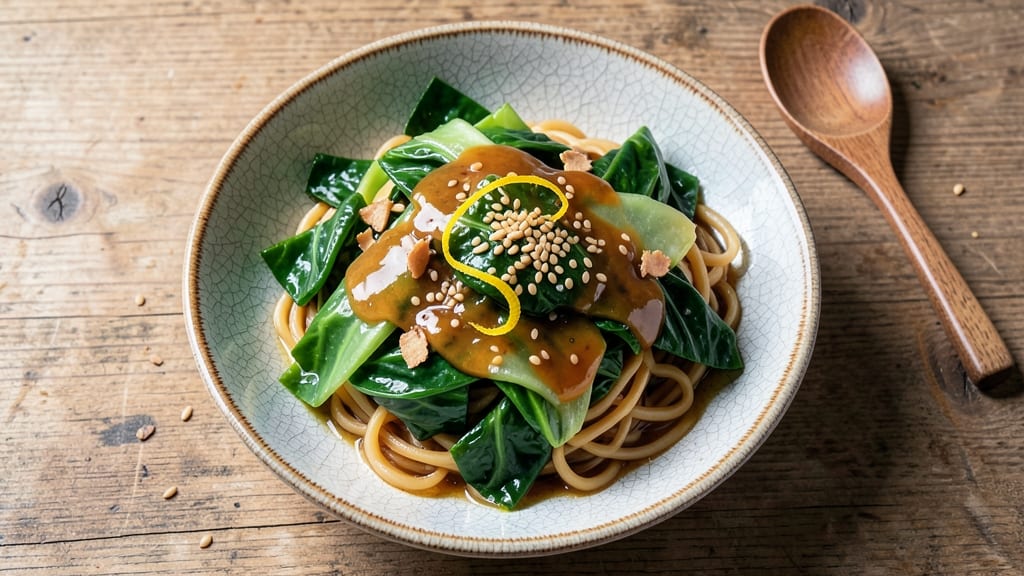
This Japanese cabbage salad recipe with ramen noodles transforms simple ingredients into a crunchy, umami-packed side dish that rivals restaurant-quality ramen bowls. The secret lies in blanching the cabbage for tender-crisp texture while the noodles absorb a savory sesame-soy dressing—no meat needed.
I developed this after craving that perfect balance of chewy noodles and fresh vegetables, and it’s become a staple in my meal rotations.
The beauty of this dish is its versatility—it works as a light lunch, hearty side, or even a vegetarian main when paired with protein like tofu or mushrooms.
The dressing, a mix of sesame oil, rice vinegar, and soy sauce, cuts through the cabbage’s slight bitterness while enhancing the noodles’ natural flavor. A quick 15-minute prep time makes it ideal for weeknight dinners or meal prep.
By the time you’re done, you’ll have a salad with golden noodles that hold their shape, crisp-tender cabbage, and a dressing that’s tangy, nutty, and just sweet enough.
The contrast of textures—chewy noodles, crunchy cabbage, and silky dressing—makes every bite satisfying. Garnish with sesame seeds and chili flakes for extra depth.
This recipe is perfect for anyone looking to add a flavorful, protein-friendly twist to their meals. Whether you’re serving it alongside grilled fish, in a bento box, or as a standalone dish, it delivers restaurant-quality results with minimal effort. Let’s get started!
Ingredients for japanese cabbage salad recipe with ramen noodles
Simple, fresh ingredients that pack umami flavor and satisfying textures for this Asian-inspired salad.
| Ingredient | Amount | Notes |
|---|---|---|
| Japanese Cabbage 🥬 | 6 cups | Shredded, outer leaves removed |
| Ramen Noodles 🍜 | 7 oz | Dried, any variety preferred |
| Sesame Oil 🫒 | 2 tbsp | Toasted for nutty aroma |
| Rice Vinegar 🍶 | 3 tbsp | Unseasoned preferred |
| Soy Sauce 🍶 | 2 tbsp | Low-sodium for balance |
| Sesame Seeds 🥜 | 1 tbsp | Toasted, for garnish |
| Red Chili Flakes 🌶️ | ½ tsp | Adjust for heat preference |
| Sugar 🍚 | 1 tsp | Granulated, optional |
| Ginger Root 🌿 | 1 tbsp | Freshly grated, finely |
| Garlic Cloves 🧄 | 2 cloves | Minced, aromatic |
| Vegetable Oil 🫒 | 1 tbsp | For blanching cabbage |
| Salt 🧂 | ½ tsp | Kosher or sea salt |
The cabbage is the star—look for firm, crisp heads with bright green leaves, no yellowing. Trader Joe's and Asian markets often carry pre-shredded versions, but whole heads are fresher. Shred the outer leaves first—they’re tougher. For the ramen noodles, any variety works, but springy wheat noodles hold up best to the dressing. If you’re using instant ramen, skip the seasoning packet—we’re making our own flavor profile. The sesame oil? Toasted sesame oil adds depth, but regular will work in a pinch (just add a pinch of sugar to balance).
No sesame oil? Toasted peanut oil at half the amount mimics the nutty notes. Short on rice vinegar? Apple cider vinegar or lemon juice works, but add a touch more sugar to balance. The ginger and garlic are non-negotiable for that authentic umami kick—freshly grated ginger is best, but powdered works if you’re in a hurry (use half the amount). For extra crunch, add 1 tbsp toasted peanuts or crushed wasabi peas. The chili flakes? Adjust to taste—I like mine with a gentle kick, but don’t skip them entirely. They’re the secret to restaurant-quality depth.
Blanched cabbage keeps for 3 days in the fridge if stored in a sealed container with a paper towel to absorb moisture. The cooked noodles? Eat within 2 days—they soften over time. For meal prep, store the dressing separately and toss everything together before serving. The sesame seeds and chili flakes? Toast them fresh when ready to eat—they’ll taste brighter. This salad reheats beautifully in the microwave, though the cabbage gets softer. For extra staying power, freeze the dressing separately for up to 3 months.
Why You'll Love This Recipe
- No-Cook Crunch: The cabbage barely needs chopping—just thinly slice the leaves and toss. Honestly, I’ve made this while scrolling through my phone, and it still comes out fresh and satisfying.
- Umami Bomb: That sesame oil and soy sauce combo? It turns simple noodles into something dangerously addictive. The crunch of raw cabbage cuts through the chewy ramen like a cool breeze on a hot day.
- Lunchbox Hero: Pack it cold for work or school—it keeps well for days. Between us, my kids actually eat their veggies when it’s mixed with noodles (no questions asked).
- Pantry Magic: Use whatever ramen you have—fresh, dried, even leftover takeout. The dressing stretches, so it’s my go-to when I’m low on ingredients but craving something hearty.
Step-by-step instructions for Japanese cabbage salad with ramen noodles
Here's how to create a perfectly balanced salad with crisp cabbage and chewy ramen noodles.
Blanch the Japanese Cabbage
Bring a large pot of water to a rolling boil and add the 1 tablespoon vegetable oil. This prevents the cabbage from sticking and helps maintain its vibrant color. Once boiling, add the 6 cups shredded Japanese cabbage and cook for exactly 1 minute. You'll see the leaves wilt slightly—that's your signal it's done.
Immediately drain the cabbage in a colander and rinse under cold water for 30 seconds. This stops the cooking process and refreshes the cabbage, giving it that perfect crunch. Let it drain completely before proceeding. The key here is timing—overcooking makes it soggy, while undercooking leaves it too firm.
Cook and Prepare the Ramen Noodles
In a separate pot, bring 4 cups water to a boil and add the 7 oz ramen noodles. Cook according to package instructions, but reduce the time by 30 seconds—you want them al dente with a satisfying bite. Drain immediately in a colander and rinse under cold water for 10 seconds to halt cooking.
While still damp, toss the noodles with 1 tablespoon sesame oil and set aside. This step is crucial—it prevents the noodles from sticking together and adds that nutty depth of flavor that ties the dish together. The noodles should be warm but not hot when you combine them with the cabbage later.
Create the Flavorful Dressing
In a small bowl, whisk together the 3 tablespoons rice vinegar, 2 tablespoons soy sauce, 1 tablespoon finely grated ginger root, and 2 minced garlic cloves. Add the 1 teaspoon sugar and 0.5 teaspoon salt, whisking until completely dissolved. Taste and adjust seasoning—you want a balance of sweet, salty, and tangy.
Here's the thing—this dressing should be smooth and well-emulsified. If it looks too thick, add 1 teaspoon water to loosen it. The dressing is the heart of this salad, so take your time getting it just right. The acidity from the vinegar will brighten the cabbage, while the soy sauce and ginger add that umami kick.
Combine and Finish the Salad
In a large mixing bowl, gently combine the blanched cabbage and cooked ramen noodles. Pour the dressing over the top and toss everything together with your hands or clean tongs. You want the cabbage and noodles to be evenly coated but still retain some texture—don't overmix or you'll crush the cabbage.
Let the salad sit for 5 minutes before serving. This resting period allows the flavors to meld together perfectly. Just before serving, sprinkle with 1 tablespoon toasted sesame seeds and 0.5 teaspoon red chili flakes. The sesame seeds add a satisfying crunch, while the chili flakes give it just a hint of heat to balance the richness.
Serve Immediately for Best Results
Transfer the salad to a serving platter and serve immediately while everything is still crisp. The contrast between the cool, crunchy cabbage and the warm, chewy ramen noodles is what makes this dish so special. I like to serve it as a side dish with grilled proteins or as a light main course with some miso soup.
Real talk: This salad tastes even better the second day, but the texture changes slightly as the cabbage softens. If you're making it ahead, store the dressing separately and toss it together just before serving to maintain that perfect crunch. The flavors continue to develop as they sit, so it's worth the wait!
Pro Tips For Making Japanese Cabbage Salad Recipe With Ramen Noodles
- Shock the Cabbage: Toss raw Japanese cabbage with 1 teaspoon of salt and let it sit for 10 minutes before slicing—this softens the tough fibers and draws out excess water. I learned this the hard way after biting into a crunchy, uncooperative salad that tasted like overworked cardboard.
- Rinse Noodles Cold: Drain cooked ramen noodles, then immediately rinse them under cold water while stirring with chopsticks to stop the cooking and remove excess starch. Skipping this step turns your salad into a gluey mess—trust me, I’ve served it.
- Balance the Vinegar: Start with just 1 tablespoon of rice vinegar and taste before adding more—too much makes the salad taste like you’re pickling a bowl of noodles. The sesame oil should shine, not hide.
- Toast the Sesame: Warm the sesame oil in a dry pan for 30 seconds until it smells nutty before drizzling it over the salad. Cold oil just sits there; toasted oil adds depth that changes the whole dish. (Yes, even if you’re impatient like me.)
Dietary considerations for this dish
Vegetarian-Friendly Base
This recipe is naturally vegetarian and packed with plant-based protein from the ramen noodles and cabbage. The 7 oz ramen noodles provide about 10-12 grams of protein per serving—opt for whole wheat or chickpea-based noodles for even more fiber and protein.
The Japanese cabbage adds vitamin C and vitamin K, while the sesame seeds contribute calcium and zinc. 🌱
Gluten-Free Adaptations
For a gluten-free version, swap the ramen noodles for rice noodles or gluten-free soba noodles. Look for certified gluten-free brands like Rice Noodle House or King Noodle to ensure no cross-contamination.
The rest of the recipe remains unchanged—just adjust the cooking time for your chosen noodles. Taste as you go to ensure the dressing balances well with the new texture.
Low-Carb Options
Skip the noodles entirely and focus on the cabbage base for a low-carb twist. Boost the salad with shredded carrots, sliced bell peppers, or jicama for extra crunch.
Use avocado oil instead of sesame oil and reduce the sugar to ½ teaspoon to keep carbs in check. This version still delivers big on flavor with minimal carbs. 🥕
Protein Boosts
Add ½ cup firm tofu (pressed and cubed) or shredded rotisserie chicken for extra protein. Toss the tofu with 1 teaspoon soy sauce and ½ teaspoon cornstarch before pan-frying until golden.
For seafood lovers, try shrimp sautéed with garlic and a splash of rice vinegar. These additions turn the salad into a complete meal without sacrificing the dish’s lightness.
Allergen Considerations
This recipe is free of common allergens like dairy, eggs, and nuts, but double-check your sesame oil and soy sauce for cross-contamination warnings. If sesame is a concern, substitute with toasted peanut oil (ensure no tree nut allergies) or avocado oil.
For soy-free versions, use tamari or coconut aminos instead of soy sauce. Always read labels carefully—even "natural" ingredients can hide allergens. ✨
Nutrition facts
Frequently asked questions
Can I use regular cabbage instead of Japanese cabbage?
While you can substitute regular green cabbage, Japanese cabbage has a milder, slightly sweet flavor and thinner leaves that hold up better to blanching. If using regular cabbage, reduce cooking time to 45 seconds and shred it slightly thicker to prevent over-softening. The texture will be slightly heartier but still delicious!
How do I prevent the ramen noodles from getting mushy?
Cook the noodles 30 seconds less than package instructions and immediately rinse them under cold water for 10 seconds to stop cooking. Toss them with 1 tablespoon sesame oil right after draining to create a protective barrier. For extra chewiness, use fresh egg noodles or udon noodles instead of instant ramen.
Can I make this salad ahead of time?
Yes! Store the blanched cabbage and cooked noodles separately in airtight containers for up to 3 days. Keep the dressing in a separate jar. When ready to eat, toss everything together and garnish with fresh sesame seeds and chili flakes. The cabbage will soften slightly but still taste great. For longer storage, freeze the dressing separately for up to 3 months.
What if I don't have sesame oil?
Use toasted peanut oil (½ the amount) or avocado oil for a neutral alternative. If you're avoiding nuts, try light olive oil but reduce it to 1 tablespoon and add an extra ½ teaspoon sugar to balance the flavor. The dish will still taste great—just slightly less nutty!
How can I make this spicier?
Double the red chili flakes to 1 teaspoon or add 1 teaspoon sriracha or gochujang to the dressing. For heat lovers, toss in ½ teaspoon chopped fresh chili (like Thai bird's eye) or a dash of chili crisp before serving. Start with small amounts and adjust to taste!