Salads
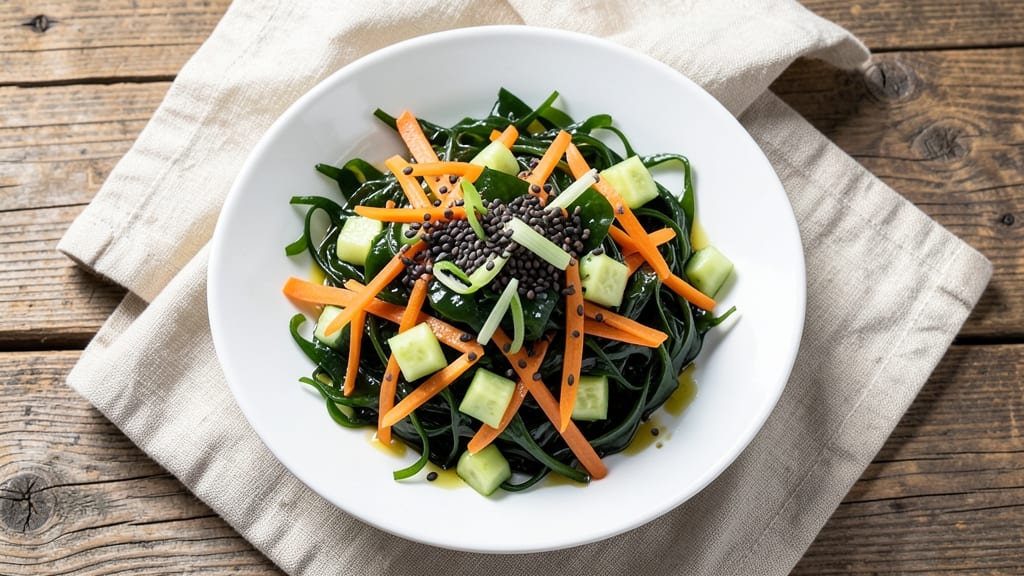
This arame salad recipe transforms humble seaweed into a vibrant, umami-rich dish that’s perfect for vegans and health-conscious eaters alike. The key lies in rehydrating dried arame properly—soaking it until tender yet still holding its signature crisp texture—before pairing it with fresh vegetables and a tangy sesame dressing.
What sets this salad apart is its balance of crunch, depth, and nutritional power, packed with iodine, fiber, and plant-based protein.
The preparation is straightforward but precise: chop arame into bite-sized pieces, combine with shredded carrots, cucumber, and scallions for freshness, then toss with a dressing of sesame oil, rice vinegar, and a touch of maple syrup for sweetness.
The dressing clings to the arame, enhancing its natural brininess while adding a subtle zing from toasted sesame seeds. This salad isn’t just a side—it’s a complete, satisfying meal that’s light yet deeply flavorful.
Once assembled, the salad delivers a textural symphony: crisp arame, juicy cucumber, and the slight bite of carrots, all tied together by the dressing’s velvety finish.
Garnish with extra sesame seeds or a sprinkle of citrus zest for brightness, and you’ve got a dish that’s as visually appealing as it is nutritious. Serve it chilled as a standalone meal or pair it with grilled tofu or sushi for a full spread.
What makes this recipe stand out is its versatility—it works as a refreshing lunch, a vibrant side, or even a topping for grain bowls. The arame’s umami-rich profile ensures every bite is memorable, while the sesame dressing adds complexity without overpowering.
Ready in under 20 minutes, this salad proves healthy eating doesn’t have to mean sacrificing flavor or texture.
Ingredients for arame salad
Four servings of umami-rich arame salad with crisp vegetables and sesame dressing.
| Ingredient | Amount | Notes |
|---|---|---|
| Dried Arame Seaweed 🌿 | ½ oz | Rehydrated for 10 minutes |
| Organic Carrots 🥕 | 1 medium | Shredded, organic preferred |
| Persian Cucumber 🥒 | 1 medium | Seedless, thinly sliced |
| Green Onions 🧅 | 3 whole | Thinly sliced, white and green parts |
| Sesame Seeds 🌰 | 1 tbsp | Toasted, for garnish |
| Sesame Oil 🫒 | 2 tbsp | Toasted, for dressing |
| Rice Vinegar 💧 | 2 tbsp | Unseasoned, for tang |
| Pure Maple Syrup 🍯 | 1 tsp | Grade B for depth |
| Fresh Ginger 🧄 | 1 tsp | Finely grated, fresh |
| Diamond Crystal Kosher Salt 🧂 | ½ tsp | For seasoning |
| Lemon Juice 🍋 | 1 tbsp | Freshly squeezed |
| Toasted Sesame Oil 🫒 | 1 tbsp | For finishing |
| Sesame Seeds 🌰 | 1 tsp | Extra for garnish |
The arame seaweed is the heart of this dish—look for dried, high-quality sheets at Asian markets or health food stores like Whole Foods or Trader Joe's. Avoid pre-packaged arame that's been sitting on shelves for months, as it loses its crispness. For optimal texture, rehydrate in cold water for exactly 10 minutes—no longer or it'll turn mushy. The carrots and cucumber should be fresh, with vibrant color. Organic carrots have a slightly sweeter flavor, but conventional works fine if you're on a budget. Persistent cucumbers with thick skins hold up better during slicing—Trader Joe's carries excellent seedless varieties.
No sesame oil? Toasted peanut oil works in a pinch, though the flavor will differ slightly. Substitute apple cider vinegar for rice vinegar if needed, but the dressing will lack some of its delicate sweetness. For a nut-free option, omit sesame seeds and use toasted sunflower seeds instead—they provide a similar crunch. The ginger should be fresh, not powdered, for that bright, zesty kick. If you can't find Grade B maple syrup, agave nectar is a decent alternative, though it lacks the caramel notes. For extra depth, a dash of soy sauce in the dressing enhances the umami without overpowering.
Store the rehydrated arame in an airtight container with a damp paper towel to maintain crispness for up to 3 days in the fridge. The dressing components last separately for 1 week in the fridge—mix just before serving. This salad keeps well for 4 days fully assembled, though the cucumber will soften slightly. For meal prep, portion into containers and store dressing separately to drizzle fresh. The sesame seeds can be toasted in a dry pan for 30 seconds just before serving to maximize their aroma.
Why You'll Love This Recipe
- Here’s what sold me: a single bag of dried arame lasts me months, and the rest of the ingredients are pantry staples or cheap produce. For under $5, I get a salad that feels fancy but costs next to nothing. Plus, leftovers? They’re my secret weapon for lazy days—I’ll eat this cold, warm, or even tossed with leftover grilled chicken. Zero waste, all flavor.
- No-Soaking Hassle: I’ll admit, I used to dread rehydrating seaweed—until I realized dried arame just needs a quick 10-minute soak in warm water. That’s it. No fancy tools, no waiting hours, just toss it in while you chop the cucumbers and carrots. The texture comes out perfectly tender, not mushy, and honestly? It’s the kind of prep that disappears into the background while you do everything else.
- Umami-Packed Crunch: Between us, this salad has a flavor profile that sneaks up on you. The arame brings that deep, savory punch, while the Persian cucumber adds a refreshing bite—like a cross between a sushi roll and a garden salad. Toss in those toasted sesame seeds, and suddenly you’ve got this addictive contrast of chewy, crisp, and nutty that keeps me coming back for seconds.
- Lunchbox or Picnic Star: I make this at least twice a week because it’s my go-to for anything on the go. Pack it in a jar for work (the layers keep it fresh), bring it to potlucks, or just eat it straight from the bowl while lounging on the couch. It’s the kind of dish that doesn’t need a side—though I’ll never say no to a slice of sourdough alongside it.
Step-by-step instructions for arame salad with sesame zing
This umami-rich salad combines delicate seaweed with crisp vegetables and a nutty sesame dressing.
Rehydrate the Arame Seaweed
Place the 0.5 oz dried arame seaweed in a small heatproof bowl and cover it with hot water (not boiling) for 10 minutes. The seaweed will expand dramatically—about 3 times its original size—becoming tender and slightly chewy. Drain thoroughly using a fine-mesh strainer, pressing gently to remove excess water. This rehydration step is crucial; under-hydrated seaweed will remain tough and chewy.
While the seaweed hydrates, use this time to prepare the vegetables. The seaweed's texture should be firm yet pliable, similar to cooked angel hair pasta. If you notice any hard pieces after draining, return them to the hot water for another 2 minutes to ensure even tenderness.
Prep and Combine Vegetables
Using a mandoline or sharp knife, shred the 1 medium organic carrot into thin, even strips—about 1/8-inch thick. For the 1 medium persian cucumber, slice it into 1/8-inch thick half-moons, removing the seeds if present. Thinly slice the 3 whole green onions, separating the white and green parts.
In a large mixing bowl, combine the shredded carrot, cucumber slices, and green onions. Gently toss with 0.5 tsp diamond crystal kosher salt and let sit for 5 minutes to draw out excess moisture. This step prevents a watery salad later. The vegetables should look vibrant and slightly wilted at the edges—this is normal and indicates proper moisture release.
Create the Sesame Dressing
In a small bowl, whisk together 2 tbsp toasted sesame oil, 2 tbsp rice vinegar, 1 tsp pure maple syrup, 1 tsp finely grated fresh ginger, and 1 tbsp freshly squeezed lemon juice. The mixture should be smooth and slightly thick—if it separates, whisk vigorously until emulsified. This dressing balances the salad's umami with bright acidity and natural sweetness.
Taste the dressing before adding it to the salad. It should be tangy, slightly sweet, and nutty, with a subtle ginger heat. Adjust the maple syrup for more sweetness or lemon juice for increased acidity if needed. The dressing will mellow slightly when combined with the vegetables, so don't over-adjust.
Assemble and Finish the Salad
Add the drained arame seaweed to the prepared vegetables and gently toss to combine. Pour the dressing over the mixture and toss again, using your hands if needed to ensure even coating. Let the salad sit for 5 minutes to allow the flavors to meld—this is when the seaweed absorbs the dressing and the vegetables soften slightly.
Before serving, drizzle with 1 tbsp toasted sesame oil and sprinkle with 1 tbsp toasted sesame seeds and 1 tsp extra sesame seeds for garnish. The final salad should have vibrant colors, with the seaweed's deep green contrasting against the orange carrots and pale cucumber. Each bite should deliver a crunchy texture from the vegetables, a chewy bite from the arame, and a nutty, tangy finish from the dressing.
Pro Tips For Making Arame Salad
- SOAK ARAMÉ 15 MINUTES: Dried arame expands like a sponge—skip the soak, and you’ll end up with chewy, unappetizing strands. Use warm (not boiling) water for 15 minutes, then drain and rinse twice to cut the saltiness. (Yes, even if you’re impatient like me.)
- SLICE CARROTS THINLY: Thick carrot rounds turn mushy fast. Use a mandoline or sharp knife to cut them paper-thin—about 1/8-inch slices—so they stay crisp even after dressing. (No mandoline? Stack and slice freehand with a chef’s knife.)
- PEEL CUCUMBERS LAST: Persian cucumbers have thin skins that hold moisture, but if you peel them first, they’ll turn soggy before you toss the salad. Keep the skin on until you’re ready to slice, then work fast to keep them firm.
- TOSS DRESSING IN STAGES: Dumping all the dressing at once drowns the arame and softens the veggies. Start with half, let it sit 5 minutes, then add the rest right before serving. (Pro move: Chill the salad 10 minutes after tossing for cleaner bites.)
Perfect pairings for arame salad
Crispy Sides
Pair this arame salad with crispy roasted edamame for a satisfying crunch contrast. Toss 1 cup shelled edamame with 1 tbsp olive oil, ½ tsp smoked paprika, and ¼ tsp salt, then roast at 400°F for 15-18 minutes until golden.
The nutty, toasted flavor complements the seaweed’s brininess beautifully. 🌱
Protein Pairings
For a complete meal, serve with miso-glazed tofu or grilled tempeh. Marinate 8 oz firm tofu in 2 tbsp white miso paste, 1 tbsp maple syrup, and 1 tsp grated ginger for 30 minutes, then pan-sear until caramelized.
The umami depth mirrors the salad’s flavors while adding protein. 🍳
Warm Grain Bowls
Transform this salad into a warm grain bowl by serving over jasmine rice or quinoa. Add steamed broccoli, sliced avocado, and a drizzle of spicy peanut sauce for a hearty meal. The arame’s texture holds up perfectly against warm grains, creating a satisfying contrast. ✨
Citrusy Garnishes
Brighten the salad with yuzu kosmet or mandarin orange segments for a refreshing finish. The citrus’s acidity cuts through the richness of the sesame dressing, while the sweetness balances the arame’s saltiness. Use ¼ cup segments per serving for a pop of color and flavor. 🍊
Dipping Sauces
Serve with a wasabi aioli or soy-ginger dipping sauce on the side for extra versatility.
Mix 2 tbsp vegan mayo, 1 tsp wasabi paste, and 1 tsp rice vinegar for the aioli, or combine 2 tbsp soy sauce, 1 tsp grated ginger, and 1 tsp maple syrup for the soy-ginger sauce.
These add another layer of flavor for dipping or drizzling. 🥄
Beverage Pairings
Pair this salad with a sparkling yuzu soda or green tea to complement its umami and freshness. The effervescence of the soda cleanses the palate between bites, while the earthy notes of green tea enhance the seaweed’s natural flavors.
For a non-alcoholic option, try hibiscus iced tea for a tart contrast. 🍵
Nutrition facts
Frequently asked questions
Can I use fresh arame instead of dried?
Fresh arame is extremely rare and typically sold only in specialty Asian markets. If you find it, you can use it directly without rehydration—just rinse thoroughly and pat dry before chopping. However, dried arame is far more common and has a longer shelf life, making it the better choice for most home cooks.
How do I store leftover arame salad?
Store the salad in an airtight container with a damp paper towel on top to maintain crispness. It will keep well in the fridge for 3-4 days. For best texture, store the dressing separately and toss it in just before serving. The arame may soften slightly over time, but it remains safe to eat.
What can I substitute if I don't have sesame oil?
Toasted peanut oil or avocado oil work well as alternatives. For a nut-free option, use extra virgin olive oil with a pinch of smoked paprika to mimic the toasted flavor. Just note that the dressing will have a slightly different profile, but it will still taste delicious.
Is this salad safe for iodine-sensitive individuals?
Arame contains natural iodine, so if you're sensitive, consider using nori or wakame instead, which have lower iodine levels. Always check with your healthcare provider before making dietary changes based on iodine sensitivity. The rest of the recipe remains perfectly safe for most people.
Can I make this salad ahead of time?
Yes! Prepare all components separately and store them in the fridge. Rehydrate the arame, chop vegetables, and make the dressing ahead. Assemble just before serving to maintain the best texture. This method works especially well for meal prep—just keep the dressing separate until you're ready to eat.