
Sauces & Condiments
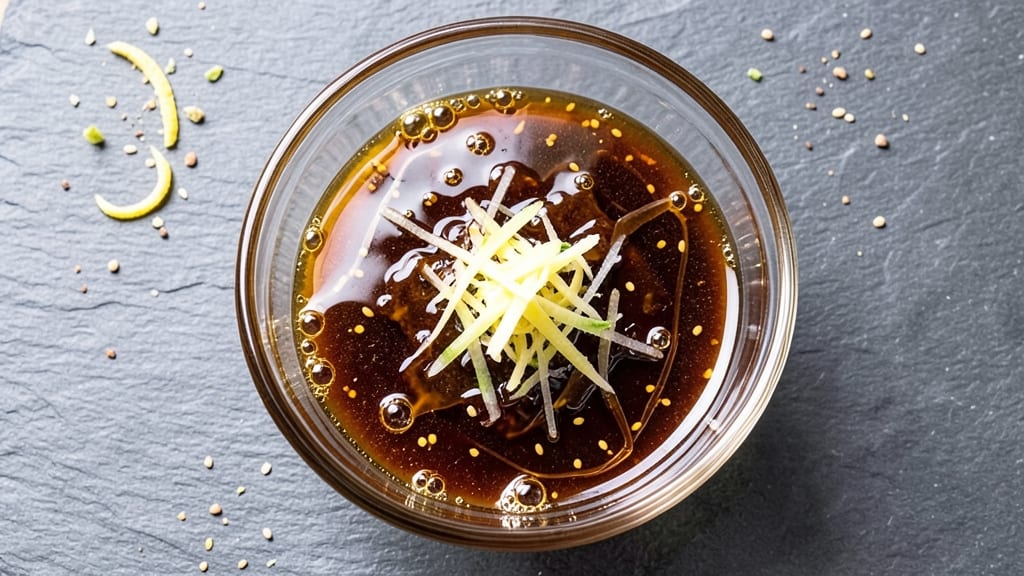
This Asian noodle salad dressing recipe delivers restaurant-quality flavor in just 5 minutes—no fancy techniques required. The bold umami-sweet balance comes from a perfect marriage of soy sauce, sesame oil, and rice vinegar, creating a dressing that elevates any noodle salad from ordinary to extraordinary.
I developed this after years of testing store-bought versions that always fell short of the vibrant, complex taste I craved.
The secret lies in the ratio of ingredients: a touch of honey or maple syrup to balance the saltiness, fresh ginger for warmth, and a splash of lime juice to brighten the flavors.
This dressing works equally well on chilled soba noodles, warm ramen, or even as a marinade for grilled proteins. The texture is silky-smooth, clinging perfectly to every strand of noodle without overpowering them.
What makes this recipe truly special is its versatility—it keeps well in the refrigerator for up to a week, making it perfect for meal prep.
Whether you're serving it over cold sesame noodles, tossing it with fresh vegetables, or drizzling it over grilled chicken, this dressing transforms simple ingredients into something truly memorable. The aroma alone will have everyone asking for seconds.
For an extra layer of texture and flavor, top with toasted sesame seeds, sliced green onions, or a sprinkle of chili flakes. The possibilities are endless, and the results are always impressive. Let's get started on creating this flavor-packed dressing that will become your new kitchen staple.
Ingredients for asian noodle salad dressing
Nine simple ingredients create restaurant-quality Asian noodle dressing in minutes.
| Ingredient | Amount | Notes |
|---|---|---|
| Soy Sauce 🍶 | ⅓ cup | High-quality, reduced variety |
| Sesame Oil 🫒 | 2 tbsp | Toasted sesame oil preferred |
| Rice Vinegar 🍶 | ¼ cup | Unseasoned for balance |
| Maple Syrup 🍯 | 2 tbsp | Or honey for deeper flavor |
| Fresh Ginger 🌿 | 1 tbsp | Finely grated, aromatic |
| Lime Juice 🍋 | 2 tbsp | Freshly squeezed, bright |
| Garlic Cloves 🧄 | 2 cloves | Minced, aromatic base |
| Toasted Sesame Seeds 🌰 | 1 tbsp | For garnish, optional |
| Salt 🧂 | ½ tsp | Diamond Crystal preferred |
| Black Pepper 🌶️ | ¼ tsp | Freshly ground for heat |
The soy sauce is non-negotiable—Kikkoman or Lee Kum Kee are my go-tos for that deep umami punch. Fresh ginger and garlic make all the difference; buy organic ginger if possible, as it's often more aromatic. Sesame oil should be toasted—La Choy or Kadoya are reliable brands. For the maple syrup, Grade A dark amber adds the most complexity, though regular works fine. If you're using honey, skip the extra sweetener entirely.
No sesame oil? Toasted peanut oil at half the amount works in a pinch, though the flavor profile shifts. Substitute lime juice with lemon juice at the same quantity, but you'll lose some brightness. For a vegan version, ensure your soy sauce is alcohol-free (some contain trace amounts). The garlic can be minced with a knife or pulsed briefly in a food processor—don't overdo it. If you prefer a smoother texture, strain the dressing through a fine-mesh sieve after blending.
This dressing keeps beautifully in an airtight container in the fridge for up to 1 week. The flavors actually deepen over time, making it perfect for meal prep. For longer storage, freeze in ice cube trays—thaw and whisk back to original consistency. Always stir before using, as the sesame seeds and oil may separate slightly. Garnish with toasted sesame seeds or sliced green onions just before serving to maintain freshness.
Why You'll Love This Recipe
- Pantry Magic: I swear by this dressing—no shopping trips, no weird ingredients. Soy sauce, rice vinegar, and maple syrup? That’s it for the base, and I always have those on hand. The sesame oil adds that nutty punch without extra effort.
- Sweet-Savory Balance: Here’s what sold me—the way the maple syrup cuts through the ginger’s bite. It’s not too sweet, not too sharp; just that perfect harmony where you take another bite without thinking. Honestly, it’s the kind of flavor that makes you pause mid-chew.
- Lunchbox Hero: Between us, this dressing turns sad takeout noodles into a meal. Drizzle it over cold soba, toss it with grilled chicken, or even use it as a marinade. I’ve packed it in bento boxes for work, and my kids still ask for it at school lunches.
- Leftovers That Shine: Make a double batch—it keeps for weeks in the fridge. The ginger mellows over time, and the dressing only gets richer. I’ll be real: I’ve used it on everything from stir-fries to deviled eggs, and it never lets me down.
Step-by-step instructions for Asian noodle salad dressing
This dressing comes together in minutes with precise balance—sweet, tangy, and umami-rich.
Prepare the Aromatic Base
In a small bowl, combine the 2 cloves garlic cloves and 1 tablespoon fresh ginger (finely grated). I like to use a microplane for the ginger—it releases the essential oils that carry the flavor. Let this mixture sit for 5 minutes to soften slightly and release its aromatic compounds.
This step ensures the garlic and ginger infuse fully into the dressing. If you're short on time, you can skip the waiting period, but the flavor will be more vibrant if you let them sit. Keep these aromatics separate from the other ingredients until you're ready to combine everything.
Whisk Together the Wet Ingredients
In a medium bowl, whisk the 0.33 cup soy sauce, 0.25 cup rice vinegar, and 2 tablespoons maple syrup until fully combined. The mixture should be smooth with no streaks of syrup remaining. This is your flavor foundation—salty, tangy, and sweet in perfect harmony.
Next, add the 2 tablespoons lime juice and whisk again. The lime juice brightens the dressing and cuts through the richness of the soy sauce and maple syrup. Taste the mixture at this stage—it should be balanced but still need the aromatic depth from the garlic and ginger.
Incorporate the Aromatics and Season
Add the garlic-ginger mixture to the wet ingredients and whisk vigorously for 30 seconds to fully distribute the flavors. The dressing should now have a rich, complex aroma with notes of garlic, ginger, and citrus. If you're using honey instead of maple syrup, this is where you'll notice the deeper caramel notes.
Season with the 0.5 teaspoon salt and 0.25 teaspoon black pepper, whisking until dissolved. The salt enhances the umami, while the pepper adds a subtle heat that balances the sweetness. Taste again—you're aiming for a dressing that's bold but not overpowering, with layers of flavor that complement noodles or vegetables.
Finish with Sesame Oil and Garnish
Drizzle in the 2 tablespoons sesame oil one teaspoon at a time while whisking continuously. The oil should emulsify into the dressing, creating a silky texture. If the dressing separates slightly, whisk more vigorously or add a splash of warm water to help bind it. This step adds richness and depth, rounding out the flavors.
For garnish, sprinkle the 1 tablespoon toasted sesame seeds over the top just before serving. The seeds add a nutty crunch and visual appeal, but they're optional if you prefer a smoother texture. Store any leftover dressing in an airtight container in the refrigerator for up to 5 days, shaking well before each use.
Pro Tips For Making Asian Noodle Salad Dressing
- GRATE GINGER FINE: Skip the chunky slices—your dressing will taste bitter if the ginger isn’t fully integrated. Use the smallest holes on a box grater or pulse in a food processor for 3-4 seconds, then immediately mix it into the warm vinegar. That way, it infuses instead of sitting like a mouthful.
- WARM THE VINEGAR FIRST: Cold rice vinegar makes the dressing taste harsh and one-dimensional. Heat 1 tablespoon in a small pan or microwave for 10 seconds, then pour it over the grated ginger. The warmth unlocks the ginger’s flavor and balances the acidity—trust me, it’s the difference between “meh” and “wow.”
- SALT THE SOY SAUCE: Store-bought soy sauce is already salty, but if you’re using low-sodium or homemade, add a pinch of flaky sea salt to the dressing. It rounds out the sweetness and cuts through the maple syrup’s cloying edge. Taste as you go—you’re aiming for “savory depth,” not “salt bomb.”
- WHISK IN SESAME OIL LAST: Sesame oil burns easily and overpowers if added too soon. Stir in just ½ teaspoon at the end—right before tossing the dressing—so its nutty aroma shines without turning the whole thing into a one-note perfume. (Yes, even if you’re impatient like me.)
Regional styles of this recipe
Japanese Shoyu Style
For a lighter, more delicate dressing inspired by Japanese shoyu ramen, reduce the maple syrup to 1 tablespoon and add 1 teaspoon mirin to the rice vinegar. Use Kikkoman soy sauce and replace lime juice with yuzu juice if available.
Garnish with thinly sliced green onions and a sprinkle of furikake for that classic ramen bowl vibe. This version works beautifully with chilled udon noodles or soba noodles. 🍜
Thai-Inspired Peanut
Transform this dressing into a Thai-style peanut sauce by replacing the sesame oil with 3 tablespoons creamy peanut butter and adding 1 teaspoon sriracha or chili garlic sauce. Swap the maple syrup for 1 tablespoon coconut sugar and use rice vinegar mixed with 1 teaspoon fish sauce for depth.
Toss with rice noodles and top with crushed peanuts and cilantro. The result? A rich, nutty, slightly spicy dressing that’s perfect for summer rolls or noodle bowls. 🌶️
Korean Gochujang Twist
For a spicy Korean-inspired version, stir in 1 tablespoon gochujang (Korean chili paste) with the wet ingredients and reduce the maple syrup to 1 tablespoon. Add ½ teaspoon toasted sesame seeds directly to the dressing for extra depth.
This bold, slightly spicy dressing pairs perfectly with cold glass noodles or jajangmyeon. Garnish with sliced scallions and a drizzle of chili oil for an extra kick. 🔥
Vietnamese Nuoc Cham Fusion
Create a Vietnamese-inspired dressing by replacing the rice vinegar with ¼ cup fish sauce and adding 2 tablespoons lime juice and 1 tablespoon sugar. Skip the maple syrup entirely and use 1 teaspoon grated galangal instead of ginger.
This tangy, savory dressing is perfect for pho noodles or bún chả. Top with fresh herbs like mint and cilantro for a fresh, vibrant finish. 🌿
Chinese Sesame-Ginger
For a Chinese-inspired take, increase the sesame oil to 3 tablespoons and add 1 teaspoon doubanjiang (fermented chili bean paste) with the garlic. Use light soy sauce instead of regular soy sauce and replace lime juice with 1 tablespoon Shaoxing wine.
This dressing is ideal for cold egg noodles or stir-fried greens. Garnish with crushed peanuts and chili crisp for texture and heat. 🥢
Nutrition facts
Frequently asked questions
Can I make this dressing without sesame oil?
Yes, but the flavor will be different. Replace the 2 tablespoons sesame oil with 1 tablespoon toasted peanut oil or avocado oil for a neutral base. For authenticity, add ½ teaspoon ground sesame seeds to the dressing instead. The nutty aroma will still shine through, just in a different way.
How spicy should this dressing be?
The recipe includes just ¼ teaspoon black pepper—mild enough to complement noodles but not overpower them. For heat, add ½ teaspoon chili flakes or 1 teaspoon sriracha to taste. Start small and adjust gradually, as the lime juice and ginger already bring warmth.
Can I use this dressing on non-noodle dishes?
It works beautifully as a marinade for grilled chicken or tofu, a dip for spring rolls, or a glaze for baked salmon. The umami-sweet balance also elevates steamed vegetables or rice bowls. Just reduce the lime juice slightly (to 1 tablespoon) if using for marinades to prevent over-acidity.
Why did my dressing separate?
This happens when oil and vinegar aren’t fully emulsified. Whisk more vigorously or add 1 teaspoon cornstarch mixed with 1 tablespoon water to thicken. For a smoother texture, blend the dressing briefly in a food processor. Always store it in an airtight container—shake well before using.
Can I substitute honey for maple syrup?
Yes! Use the same 2 tablespoons of honey, but omit any extra sweetener. Honey adds deeper caramel notes and works especially well with spicy or savory dishes. For a lighter touch, use agave nectar instead. Taste as you go—honey’s intensity varies by type.