
Side Dishes
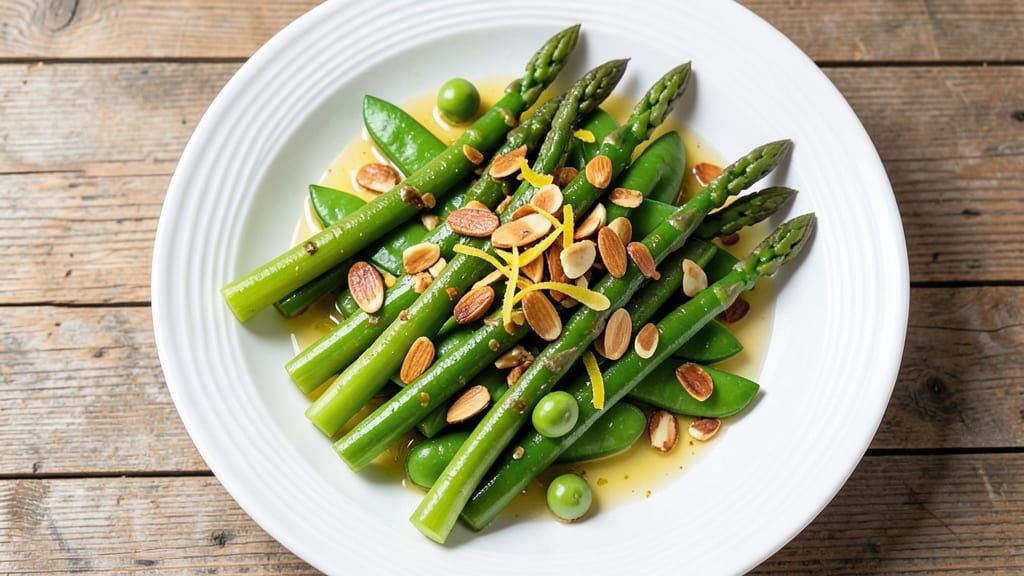
This asparagus and snow pea salad recipe transforms spring's freshest ingredients into a dish that's crisp-tender, vibrant, and bursting with bright citrus notes. The secret lies in blanching the asparagus just enough to preserve its snap while tenderizing the peas—no overcooking here.
I developed this recipe after realizing how often store-bought salads lose their freshness within hours, so I focused on techniques that keep everything crisp and flavorful for days.
The salad's magic comes from balancing textures: crisp-tender asparagus spears, snap peas that stay vibrant, and a zesty dressing that clings without overwhelming. You'll use simple pantry staples—olive oil, lemon juice, Dijon mustard—but the combination creates a dressing that's bright enough to cut through the salad's natural sweetness.
Toasted almonds add a satisfying crunch that elevates the dish from side to something special enough for a main course.
What you'll end up with is a salad that's visually stunning—emerald green peas, bright green asparagus, and golden almonds all arranged on a plate with that citrus dressing glistening.
The flavors are perfectly balanced: the natural sweetness of the vegetables, the tangy punch of the dressing, and the nutty crunch of the almonds. This is the kind of dish that makes you want to eat spring all year round.
Ready in just 15 minutes, this salad is perfect for weeknight dinners, potlucks, or as a refreshing starter before grilled meats. The recipe scales easily, so you can double or triple it for gatherings.
Let's get started on creating this bright, satisfying spring salad that's as beautiful as it is delicious.
Ingredients for asparagus and snow pea salad
Spring's brightest stars: asparagus, peas, and almonds—transformed into a salad that's crisp, vibrant, and bursting with citrus brightness.
| Ingredient | Amount | Notes |
|---|---|---|
| Fresh Asparagus Spears 🌱 | 1 lb | Trim woody ends, leave tips intact |
| Snow Peas (Sugar Snap Peas) 🌿 | 1 lb | Trim ends, leave whole or halve |
| Toasted Sliced Almonds 🥜 | ½ cup | Skin-on, lightly toasted |
| Extra-Virgin Olive Oil 🫒 | ⅓ cup | Light, fruity variety preferred |
| Fresh Lemon Juice 🍋 | ¼ cup | Strain seeds if desired |
| Dijon Mustard 🌶️ | 1 tbsp | High-quality for tangy flavor |
| Granulated Sugar 🍚 | 1 tsp | Balances acidity in dressing |
| Kosher Salt 🧂 | ½ tsp | Diamond Crystal preferred |
| Freshly Ground Black Pepper 🌶️ | ¼ tsp | Cracked peppercorns preferred |
| Fresh Flat-Leaf Parsley 🌿 | ¼ cup | Chopped, for garnish |
| Ice Water 💧 | 1 cup | For blanching asparagus |
The asparagus and snow peas are your stars here—farmers markets have the freshest, brightest picks, but even grocery store produce works if it's firm and vibrant. Look for asparagus with tightly closed tips and peas that snap when bent (not mushy). The almonds? Trader Joe's or Costco sell pre-sliced toasted almonds, but toasting your own skin-on almonds in a dry pan for 3-4 minutes gives that perfect crunch. For the dressing, extra-virgin olive oil makes all the difference—skip the cheap stuff, trust me. The lemon should be juicy but not overly tart; Meyer lemons add subtle sweetness if you can find them.
No fresh parsley? Dried parsley at half the amount works in a pinch, but fresh is ideal for that bright pop. The dressing can be made ahead—it actually tastes better after the flavors meld for an hour. No Dijon mustard? Yellow mustard in a 1:1 swap, though it'll be less complex. For the blanching water, ice water bath is non-negotiable—it stops the cooking process instantly and keeps those asparagus spears perfectly crisp-tender. The sugar in the dressing isn't about sweetness; it rounds out the acidity so the lemon doesn't overwhelm. And if you're feeling fancy, infuse the olive oil with a few garlic cloves while it warms for toasting the almonds—game-changer.
This salad holds up beautifully. Store the dressing separately in the fridge for up to 5 days—shake before using. The asparagus and peas? Keep them dry in a sealed container with paper towels for 3-4 days. The almonds stay crisp for 1 week if stored in an airtight container. Pro tip: Toss the salad just before serving to keep everything crisp. Leftovers? It reheats surprisingly well—microwave for 20 seconds with a splash of water to revive the crunch. Perfect for meal prep lunches all week.
Why You'll Love This Recipe
- No-Cook Magic: I swear, this salad takes three ingredients to assemble if you skip the almonds—just snap the peas, trim the asparagus, and toss. The lemon oil dressing comes together in a jiffy while you’re chopping, and honestly? That’s my kind of recipe.
- Crunchy-Lemon Bliss: The almonds add this insane texture contrast—crunchy, salty, toasty—while the lemon brightens every bite. Between us, I’ll often double the lemon juice because the first squeeze just isn’t enough. That’s how good it is.
- Office Lunch Hero: Between us, this is my go-to for work lunches—packs beautifully in a container, stays crisp, and tastes fresh all day. I’ll even bring it to potlucks; it’s the one dish that always gets eaten first, no matter who’s there.
- Budget Brightener: Asparagus and snow peas are cheap this time of year, and a little olive oil goes a long way. Toasted almonds bulk it up without breaking the bank, and leftovers? They taste just as good the next day—if they last that long.
Step-by-step instructions for crisp-tender asparagus and snow pea salad
Here's how to achieve that perfect balance of tender asparagus and crisp snow peas with a bright, zesty dressing.
🍳 Step 1: Blanch the Asparagus for Crisp-Tender Perfection
Fill a large pot with the 1 cup ice water and bring to a rolling boil over high heat. While waiting, trim the woody ends from the 1 lb fresh asparagus spears—leave about 1 inch of the tender tips intact. This ensures you keep the delicate parts that hold the best flavor.
When the water boils, add the asparagus and cook for exactly 2 minutes. You're not trying to fully cook it—just blanch to remove any bitterness and create that crisp-tender texture. Immediately transfer the asparagus to a bowl of ice water to stop the cooking process. Let it cool for 3 minutes, then drain and pat dry with paper towels.
🍳 Step 2: Blanch the Snow Peas for Crispness
Return the same pot of ice water to a boil. Add the 1 lb snow peas (sugar snap peas) and blanch for 1 minute. This brief cook preserves their natural sweetness and keeps them crisp rather than mushy. Transfer them to the same ice bath as the asparagus and let them cool for 3 minutes. Drain well and pat dry—any moisture will make your salad soggy.
Here's the thing—don't skip the ice bath. It's what stops the cooking process instantly and keeps those peas and asparagus at their peak texture. If you're short on time, you can use cold water from the tap, but ice water works fastest and gives you that restaurant-quality crunch.
👨🍳 Step 3: Whisk Together the Bright Citrus Dressing
In a medium bowl, combine the 0.33 cup extra-virgin olive oil, 0.25 cup fresh lemon juice, 1 tbsp Dijon mustard, 1 tsp granulated sugar, 0.5 tsp kosher salt, and 0.25 tsp freshly ground black pepper. Whisk vigorously for 30 seconds until the sugar dissolves completely and the dressing emulsifies into a smooth, glossy consistency.
This dressing is the star of the salad. The sugar balances the acidity of the lemon juice, while the Dijon mustard adds a subtle tang that makes the whole dish pop. Taste it now—it should be bright, slightly sweet, and tangy. If it needs more acidity, add a splash more lemon juice; if it's too sharp, a pinch of sugar will help.
🥘 Step 4: Combine Vegetables and Toss with Dressing
In a large serving bowl, gently combine the blanched asparagus and snow peas. Drizzle the dressing over the vegetables and toss carefully with your hands or tongs. You want to coat everything evenly without crushing the delicate asparagus tips or snapping the peas.
This is where the magic happens. The residual heat from the blanched vegetables will help the dressing cling beautifully, creating that perfect balance of flavors in every bite. If the salad seems dry after tossing, add 1-2 teaspoons of the dressing and mix again—just enough to refresh the coating.
🥗 Step 5: Garnish and Serve Immediately
Sprinkle the 0.5 cup toasted sliced almonds and 0.25 cup chopped fresh flat-leaf parsley over the salad just before serving. The almonds add a satisfying crunch that contrasts beautifully with the tender vegetables, while the parsley brings a fresh, herbal note that ties everything together.
Serve immediately while the vegetables are still crisp and the dressing is fresh. This salad tastes best when enjoyed right away, so don't let it sit for more than 15 minutes before serving. Pair it with grilled chicken or shrimp for a complete, protein-packed meal that's perfect for spring or summer gatherings.
Pro Tips For Making Asparagus And Snow Pea Salad
- Trim Asparagus Properly: Snap off the tough ends at a natural break—don’t cut. The last inch before the natural bend is where the spears turn fibrous. I learned this the hard way by over-trimming and ending up with sad, limp stalks in my salad.
- Blanch Snow Peas First: Drop them in boiling water for 30 seconds, then shock in ice water. This keeps them bright and crisp instead of soggy—especially important if you’re prepping ahead. Trust me, your salad will taste fresher if you do this step.
- Toast Almonds Until Golden: Use a dry pan over medium heat and stir constantly—about 3-4 minutes—until they smell nutty and turn light golden. Burnt almonds taste bitter, and you don’t want that overpowering your salad’s bright flavors.
- Dress Salad Last: Toss the asparagus, peas, and almonds with just olive oil and a pinch of salt first. Then add lemon juice right before serving—this keeps the greens from wilting and the dressing from making everything limp. I skip this, and my salad gets sad.
Serving suggestions for this dish
Elevate with Protein
This salad shines as a side, but it can easily become a main course when paired with lean proteins. Grilled chicken breast or shrimp skewers add a satisfying protein punch without overpowering the fresh flavors.
I love serving it alongside seared scallops or pan-seared salmon fillets for a springtime seafood feast. For a vegetarian option, add crumbled feta cheese or toasted pumpkin seeds for extra substance. 🍽️
Plating for Visual Impact
Presentation matters! Arrange the salad on a white or neutral plate to let the vibrant greens pop. Start with a base of microgreens or thinly sliced radishes for color contrast. Fan the asparagus spears slightly outward and cluster the peas in the center.
Drizzle the dressing in a zigzag pattern and sprinkle the almonds and parsley on top. For extra flair, add edible flowers like nasturtiums or a sprinkle of flaky sea salt on top. ✨
Make-Ahead Serving Tips
Prep the salad components in advance to save time. Blanch and store the asparagus and peas separately in the fridge for up to 3 days—keep them dry with paper towels to maintain crispness. The dressing can be made 2 days ahead and stored in an airtight container.
When ready to serve, toss everything together just before plating. This keeps the vegetables crisp and the dressing fresh. For large gatherings, assemble the salad in individual bowls and transport it in a divided container to prevent sogginess. 💡
Seasonal Garnishes
Customize your salad with seasonal garnishes to keep it exciting. In spring, add thinly sliced strawberries or peach slices for a sweet contrast. Summer calls for cherry tomatoes or cucumber ribbons, while fall can feature toasted pecans or pomegranate seeds.
For a winter twist, swap the almonds for toasted walnuts and add a sprinkle of orange zest to the dressing. These small changes keep the dish fresh and aligned with the season. 🌸
Dressing Variations
Adjust the dressing to suit your taste. For a nutty twist, add 1 tsp tahini or almond butter to the dressing. A herb-infused version swaps parsley for fresh dill or basil. For extra creaminess, whisk in 1 tbsp Greek yogurt or vegetable mayo.
If you prefer a spicy kick, add ½ tsp chili flakes or a dash of hot sauce. Each variation keeps the salad bright but adds a unique flavor profile. 🌶️
Pairing with Beverages
Complement the salad's citrus notes with a crisp beverage. A Sauvignon Blanc or Pinot Grigio enhances the lemon flavors beautifully. For a non-alcoholic option, try sparkling water with lemon slices or iced hibiscus tea.
If you're serving with grilled proteins, a light lager or rosé wine balances the dish perfectly. The key is to choose something refreshing and light that won't overpower the salad's freshness. 🍷
Nutrition facts
Frequently asked questions
Why do we blanch the asparagus and snow peas instead of eating them raw?
Blanching removes any bitterness from the asparagus while keeping it crisp-tender, and it preserves the natural sweetness of the snow peas without making them mushy. Raw asparagus can be tough, and snow peas lose their vibrant texture when eaten straight from the pod. The 2-minute blanch for asparagus and 1-minute for peas is key—it's about texture, not full cooking!
Can I use regular snap peas instead of snow peas?
Yes! Regular snap peas work perfectly—they're essentially the same thing. Just trim the ends and halve them if they're extra thick. The key is keeping them crisp, so stick to the 1-minute blanch time. If you're using flat podded peas (like sugar snap peas), leave them whole for maximum crunch.
What if my asparagus turns out mushy after blanching?
That usually means it was overcooked or not cooled quickly enough. Always use ice water for the bath—it stops cooking instantly. For next time, reduce the blanching time to 1 minute and check texture immediately. Pro tip: Buy younger, thinner asparagus spears—they're naturally more tender and less likely to turn mushy.
How can I make this salad last longer without losing crispness?
Store the blanched veggies separately in airtight containers with paper towels to absorb moisture. Keep them in the fridge for up to 3 days. Make the dressing separately and store it for 5 days. When ready to serve, toss everything together right before eating. For extra crunch, add toasted nuts fresh from the oven just before serving.
Is there a way to make this salad without nuts for allergies?
Swap the almonds for toasted pumpkin seeds or crispy fried shallots for crunch. You could also add crumbled feta cheese or avocado slices for creaminess. The key is maintaining that textural contrast—just pick something with a satisfying bite. Always check labels for cross-contamination warnings if nut allergies are a concern.