
Salads
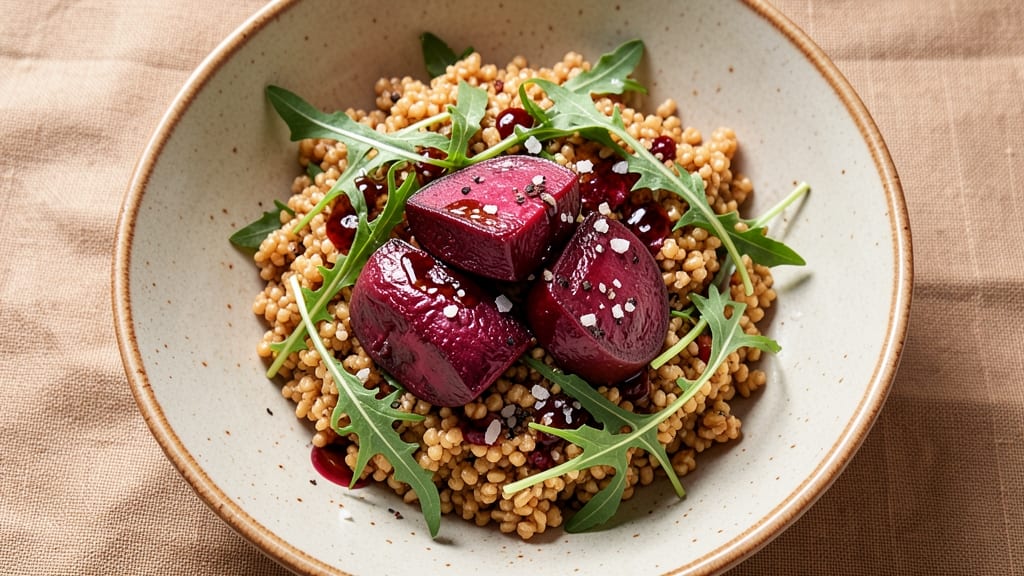
This beet farro salad recipe transforms humble ingredients into a vibrant, nutrient-packed dish that’s perfect for meal prep or elegant gatherings. The deep earthiness of roasted beets pairs beautifully with nutty farro, creating a balance of textures and flavors that’s both satisfying and healthful.
What makes this salad truly special is how its bold components—sweet beets, chewy farro, and fresh herbs—come together to create a dish that’s as nourishing as it is delicious.
The process is straightforward yet rewarding: roast the beets until tender and caramelized, cook the farro until it’s perfectly al dente, then toss everything with a bright vinaigrette that enhances rather than overpowers.
The result is a salad that’s hearty enough to stand alone but versatile enough to complement grilled proteins or fish. Every bite delivers a mix of sweet, earthy, and slightly tangy notes, making it a standout dish for any season.
What you’ll love most about this recipe is its nutritional profile—packed with fiber, antioxidants, and plant-based protein, it’s a powerhouse of goodness without sacrificing flavor. The farro adds a satisfying chew, while the beets bring natural sweetness and vibrant color.
This salad is equally at home as a light lunch, a side dish for dinner, or a make-ahead meal for busy weeks.
Ready to elevate your salad game? This beet farro salad is a game-changer, offering depth of flavor and texture in every forkful. Whether you’re meal prepping for the week or hosting a dinner party, it’s a dish that will impress and nourish. Let’s get started!
Ingredients for beet farro salad
Nine simple ingredients create this vibrant, nutritious beet farro salad that’s perfect for meal prep or gatherings.
| Ingredient | Amount | Notes |
|---|---|---|
| Medium Beets 🍠 | 2 whole | Roasted until tender, peeled |
| Farro 🌾 | 1 cup | Uncooked, pearled or whole grain |
| Extra-Virgin Olive Oil 🫒 | ½ cup | For roasting and dressing |
| Red Wine Vinegar 🍷 | 3 tbsp | For bright vinaigrette |
| Maple Syrup 🍯 | 1 tbsp | For natural sweetness |
| Fresh Arugula 🌿 | 4 cups | Peppery base for salad |
| Fresh Walnuts 🥜 | ½ cup | Toasted, roughly chopped |
| Fresh Lemon Juice 🍋 | 1 tbsp | Brightens the dressing |
| Dried Thyme 🌿 | ½ tsp | Earthy aroma complement |
| Sea Salt 🧂 | 1 tsp | Kosher or fine grain |
| Black Pepper 🌶️ | ½ tsp | Freshly ground preferred |
| Fresh Parsley 🌿 | ¼ cup | Chopped for garnish |
| Garlic Cloves 🧄 | 2 cloves | Minced for vinaigrette |
The beets are the star here—look for small to medium-sized with vibrant color, not wrinkled or soft spots. Trader Joe's often has pre-washed, ready-to-roast beets, but regular grocery stores carry them too. Farro can be tricky to find, so check the bulk section or Whole Foods if your regular store doesn’t stock it. For the walnuts, Costco or bulk bins offer the best price—just toast them yourself for maximum flavor. If you can’t find fresh arugula, baby spinach works in a pinch, though it’ll be less peppery.
No farro? Quinoa or brown rice adds a similar texture, though the flavor won’t be identical. Substitute balsamic vinegar for red wine vinegar if that’s what you’ve got, but the salad will taste slightly different. For the dressing, agave nectar works instead of maple syrup, though maple has a deeper flavor. The thyme is optional but adds that earthy depth—if you skip it, just double the parsley. Walnuts too expensive? Pecans or almonds work, though they’ll change the crunch slightly. Always toast your nuts—they taste infinitely better, and it only takes 5 minutes.
Store cooked farro in an airtight container for 4-5 days in the fridge, and roasted beets keep for 3-4 days. The dressing separates, so shake it before using. I like to prep everything separately and assemble when ready to eat—keeps the beets from getting soggy. This salad tastes even better the next day as the flavors meld. Portion into containers for easy grab-and-go lunches all week. The walnuts and herbs stay fresh for 3 days in the fridge if stored properly, so add them just before serving for maximum freshness.
Why You'll Love This Recipe
- No Boil, No Fuss: I roast the beets whole—just scrub, poke with a fork, and toss in the oven. No peeling, no mess, and the sweetness deepens as they caramelize. That’s 20 minutes of hands-off magic while you actually do something else.
- Sweet-Savory Magic: The maple syrup and red wine vinegar might sound simple, but together they cut through the earthy beets and nutty farro like a perfectly balanced dance. Drizzle it on at the end—trust me, the contrast is ridiculously good.
- Lunchbox Hero: Between us, this salad keeps for days in the fridge, and it’s the only meal I can pack for work that doesn’t turn into a sad, wilted pile. Cold or at room temp, it’s still hearty enough to fill me up—no sad desk lunches here.
- Budget Pantry Power: Farro’s cheap in bulk, beets stay fresh forever, and you’re using olive oil and vinegar you already have. I’ve made this for under $10 for four servings, and it’s still the kind of dish that makes people pause mid-bite. That’s efficiency.
Step-by-step instructions for beet farro salad
This hearty salad comes together beautifully with just a few simple techniques.
Roast the Beets Until Tender
Preheat your oven to 400°F. Scrub the 2 whole medium beets clean, leaving the skins on. Wrap each beet tightly in aluminum foil, then place them on a baking sheet. Roast for 45-50 minutes until they're fork-tender when pierced with a knife.
Here's the thing—roasting beets in their skins preserves their natural sweetness and vibrant color. When they're done, let them cool for 10 minutes before handling. The skins should peel away easily once cool, revealing their deep ruby flesh. If any skins remain stubborn, simply rub them under cool running water—they'll slip right off.
Cook the Farro to Perfect Texture
While the beets roast, rinse the 1 cup farro under cold water to remove any debris. In a medium saucepan, combine the farro with 3 cups water and bring to a boil. Reduce heat to low, cover, and simmer for 25-30 minutes until the grains are tender but still have a slight bite.
Don't drain the farro quite yet. Instead, let it sit covered for 5 minutes off the heat. This resting period allows the grains to absorb any remaining liquid, giving you perfectly plump farro. Once ready, drain it in a fine-mesh strainer and rinse under cold water to stop the cooking process. Spread the farro on a baking sheet to cool completely before assembling the salad.
Toast the Walnuts for Maximum Flavor
In a dry skillet over medium heat, toast the 0.5 cup fresh walnuts for 3-4 minutes, stirring constantly until they're fragrant and lightly golden. Watch them carefully—they'll darken quickly and can burn easily.
As the walnuts toast, they'll release their rich, nutty aroma that'll fill your kitchen. Immediately transfer them to a cutting board and roughly chop them with a knife. Let them cool completely before adding to the salad—they'll continue to crisp up as they cool, giving you that perfect crunchy texture.
Whisk Together the Bright Vinaigrette
In a small bowl, whisk together the 0.5 cup extra-virgin olive oil, 3 tbsp red wine vinegar, 1 tbsp maple syrup, and 1 tbsp fresh lemon juice until fully emulsified. Add the 2 minced garlic cloves, 0.5 tsp dried thyme, 1 tsp sea salt, and 0.5 tsp black pepper. Taste and adjust seasoning if needed.
This dressing is where all the flavors come together. The acidity from the vinegar and lemon brightens the earthy beets, while the maple syrup adds just enough sweetness to balance everything. The olive oil provides richness, and the garlic and thyme give it that savory depth. Make sure to whisk vigorously—you want a smooth, silky dressing that'll coat every ingredient perfectly.
Assemble and Garnish the Salad
In a large bowl, combine the cooled farro, peeled beets (cut into ½-inch cubes), 4 cups fresh arugula, and the toasted walnuts. Drizzle with the vinaigrette and toss gently until everything is evenly coated. Let the salad sit for 10 minutes before serving to allow the flavors to meld.
Just before serving, sprinkle the salad with the 0.25 cup chopped fresh parsley. The parsley adds a fresh, bright contrast to the earthy beets and nutty farro. Serve immediately while the arugula is still crisp and the walnuts maintain their perfect crunch. This salad tastes even better the next day as the flavors continue to develop, so it makes a great make-ahead dish for meal prep.
Pro Tips For Making Beet Farro Salad
- ROAST BEETS UNTIL TENDER: Boil them first—yes, even though it seems counterintuitive. Drop whole beets in salted boiling water for 15 minutes, then roast at 400°F (200°C) for 45-50 minutes. The boiling shortens cooking time and keeps them from turning mushy; I learned this after roasting raw beets and ending up with a sad, uneven mess.
- SOAK FARRO OVERNIGHT: Skip the 30-minute soak—it’s not enough. Toss farro in a bowl with a 3:1 ratio of water to grain (e.g., 3 cups water for 1 cup farro) and let it sit for at least 8 hours, or until it’s fork-tender. This cuts down on cooking time later and guarantees a creamy texture, not that gritty aftertaste you get when you rush it.
- ACIDIFY THE DRESSING GRADUALLY: Don’t dump all the red wine vinegar in at once. Start with half the amount, taste, then add the rest slowly—this salad’s balance hinges on it. Maple syrup and vinegar are a team, but too much acid upfront will make the beets taste bitter before they soften into the dressing. I used to overdo it every time.
- TOSS HOT FARRO WITH COOL BEETS: Wait until the farro is piping hot before mixing it with the cooled beets. The heat opens up the farro’s texture, making it absorb the dressing better and giving the salad a more cohesive bite. I know, it’s weird to wait, but trust me—this is how you avoid a lukewarm, soggy disaster.
Storing and reheating this recipe
Fridge Storage Tips
Store the assembled salad in an airtight glass container for up to 4 days in the fridge. I like using mason jars for easy layering—place the farro and beets at the bottom, then add the arugula and dressing last.
This keeps everything fresh and prevents sogginess. The walnuts stay crispy when stored separately and added just before serving. 🥫
Freezer-Friendly Components
Cooked farro freezes beautifully for 3 months—just portion it into single-serving bags and thaw overnight in the fridge. Roasted beets also freeze well: slice them after roasting, spread on a tray to prevent sticking, then transfer to a freezer bag.
Thaw beets in the fridge before assembling your salad. The dressing should be stored separately and added fresh. ❄️
Reheating for Best Texture
For fridge-stored salad, simply toss it gently with a splash of fresh lemon juice before serving. If reheating from frozen, microwave the farro and beets separately for 2-3 minutes, then combine with fresh arugula and dressing.
The walnuts should always be added fresh to maintain their crunch. I avoid reheating the entire salad together—it can make the greens wilt. 🔥
Make-Ahead Assembly
Prep all components separately and store them in stackable containers for easy assembly. Keep the dressing in a small jar and add it just before serving.
The farro and beets can be prepped 2 days ahead, while the arugula should be added within 6 hours of serving to keep it crisp. This method saves time and keeps everything fresh. ✨
Reviving Wilted Greens
If your arugula looks limp after storage, place it in a bowl of ice water for 5 minutes to revive it. Drain well and pat dry before tossing with the salad.
A sprinkle of flaky sea salt right before serving also helps restore texture. This trick works wonders for any leafy greens that have lost their crunch. 💫
Portioning for Meal Prep
Divide the salad into 4 meal-prep containers with tight-sealing lids. Store the dressing separately and add it when ready to eat. Label containers with dates to track freshness. I like using Bentgo containers because they keep everything separated until you're ready to mix. This makes lunches effortless all week. 📅
Nutrition facts
Frequently asked questions
Can I use canned beets instead of fresh?
Yes, but with a few adjustments! Drain and rinse canned beets thoroughly to remove excess liquid, then chop them into ½-inch cubes just like roasted beets. The texture will be slightly softer, so add 1 extra tablespoon of lemon juice to the dressing to brighten the flavor. For best results, use high-quality canned beets with no added sugar or salt.
What if I can't find farro? What are good substitutes?
No farro? No problem! Try quinoa, brown rice, or couscous for a similar texture. For a nutty flavor closer to farro, use wild rice blend or barley. Just remember: quinoa cooks faster (12-15 minutes) and couscous takes only 5 minutes with hot water. Adjust the dressing ratio slightly—these grains absorb liquids differently.
How can I make this salad more protein-rich?
Add ½ cup chickpeas or white beans (rinsed and drained) for plant-based protein, or top with ¼ cup crumbled feta or goat cheese if you're not vegan. For extra heartiness, include ¼ cup roasted chickpeas or edamame. These additions will make the salad more filling while keeping the flavors balanced. The walnuts already provide 4g protein per ¼ cup, so you're getting a good start!
Why does my farro turn mushy when cooking?
Overcooking is the usual culprit! Farro needs 25-30 minutes total—start checking at 25 minutes with a fork. If it feels mushy, you've likely exceeded the time. Always use 2 cups water per 1 cup farro (not 3 cups as sometimes recommended). After draining, rinse with cold water immediately to stop the cooking process. Spread it on a tray to cool completely before assembling.
Can I make this salad without nuts for a nut-free version?
Swap the walnuts for ¼ cup sunflower seeds or pumpkin seeds for a nut-free crunch. For extra texture without seeds, try ¼ cup dried cranberries or chopped dried apricots. If you want to keep the salad hearty, add ½ cup roasted butternut squash cubes (tossed in olive oil and salt). These alternatives maintain the salad's satisfying bite.