
Sauces & Condiments
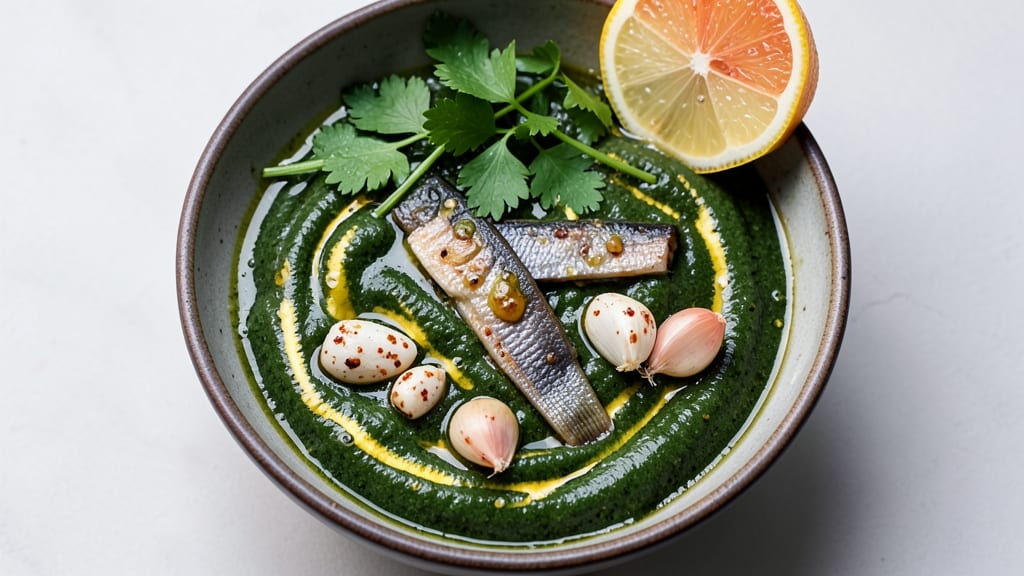
Bill Gianino's salad dressing transforms simple greens into a restaurant-worthy meal with just a few bold ingredients. This herb-anchovy dressing delivers a perfect balance of briny depth, fresh herbs, and a satisfying crunch that elevates any salad or dip.
The secret lies in blending high-quality olive oil with finely chopped anchovies, garlic, and bright lemon juice for a tangy finish.
The recipe comes together in less than 5 minutes with simple pantry staples—no fancy techniques required. Anchovies add umami without overpowering, while fresh parsley and shallots bring brightness. The dressing clings beautifully to mixed greens, grains, or even grilled proteins, making it a versatile addition to any meal.
What sets this dressing apart is its bold, complex flavor that stands up to hearty ingredients like roasted vegetables or crusty bread. The texture is velvety yet slightly textured from the anchovies, creating a satisfying mouthfeel. It’s the kind of dressing that turns a basic salad into a standout dish.
Use it immediately on fresh greens or store it in the fridge for up to a week—it only gets better as the flavors meld. Perfect for weeknight dinners or entertaining, this dressing proves that a little effort yields big rewards.
Ingredients for bill gianino's salad dressing
This dressing transforms ordinary salads into restaurant-quality meals with bold, balanced flavors.
| Ingredient | Amount | Notes |
|---|---|---|
| Extra-Virgin Olive Oil 🫒 | ¾ cup | High-quality, fruity, cold-pressed |
| Anchovy Fillets 🐟 | ¼ cup | Finely chopped, premium quality |
| Fresh Parsley 🌿 | ½ cup | Stems removed, finely chopped |
| Shallots 🧅 | 2 whole | Minced, not sliced |
| Garlic Cloves 🧄 | 3 cloves | Finely minced, fresh |
| Lemon Juice 🍋 | ¼ cup | Freshly squeezed, strained |
| Dijon Mustard 🍯 | 1 tbsp | High-quality, smooth |
| Diamond Crystal Kosher Salt 🧂 | ½ tsp | Fine grain preferred |
| Freshly Ground Black Pepper 🌶️ | ¼ tsp | Freshly cracked |
| Toasted Breadcrumbs 🍞 | 2 tbsp | Panko or fine dry breadcrumbs |
The quality of your olive oil and anchovies makes all the difference here. Look for extra-virgin olive oil with a fruity, peppery finish—California Olive Ranch or Colavita are excellent choices. For anchovies, Italian imports like Colosio or Volpi provide the cleanest, most delicate flavor. Fresh parsley is non-negotiable—the bright green, tightly packed bunches at Whole Foods or your local farmers market are ideal. Shallots should be firm and free of sprouts, while garlic cloves should be plump and fresh-smelling. These ingredients form the flavor foundation that elevates this dressing from ordinary to extraordinary.
No anchovies? Capers or a dash of fish sauce can provide a similar briny depth, though anchovies offer the most authentic umami. Substituting dried parsley is possible but results in a less vibrant dressing—use half the amount if you must. For shallots, red onion works in a pinch, though it adds a sharper bite. The lemon juice must be freshly squeezed—bottled juice lacks the bright acidity needed to balance the richness. If you're avoiding mustard, a splash of white wine vinegar adds tang without the mustard's depth. For texture, crushed almonds or walnuts can replace breadcrumbs, though they'll alter the dressing's mouthfeel.
This dressing reaches its peak flavor after 30 minutes to 1 hour in the fridge, allowing the anchovies to fully dissolve and the flavors to meld. Store it in an airtight glass jar with a thin layer of olive oil on top to preserve freshness. It keeps for up to 1 week in the refrigerator, though the texture may slightly separate. For best results, whisk vigorously before each use. The dressing pairs beautifully with hearty greens like kale or arugula, roasted vegetables, or grilled proteins, making it a versatile pantry staple worth making ahead.
Why You'll Love This Recipe
- Here’s what sold me: those tiny anchovy fillets dissolve into the oil, turning every drizzle into a flavor explosion. The shallots add a sweet bite, and the garlic? Oh, it’s there—but in the best way, like a warm hug for your taste buds.
- Five-Ingredient Magic: I swear by this—just oil, anchovies, parsley, shallots, and garlic. That’s it. No standing over a stove, no blender cleanup, just a quick pulse in a bowl and a taste that punches way above its parts.
- Umami Bomb: Here’s what sold me: those tiny anchovy fillets dissolve into the oil, turning every drizzle into a flavor explosion. The shallots add a sweet bite, and the garlic? Oh, it’s there—but in the best way, like a warm hug for your taste buds.
- Salad’s Best Friend: This dressing isn’t just for greens. Drizzle it over roasted veggies, toss it with pasta, or even use it as a marinade. I’ve had it on grilled fish and even as a quick dip for crusty bread—it’s my secret weapon for lazy nights.
Step-by-step instructions for bill Gianino's salad dressing
Here's how to craft this signature dressing with perfect balance and texture every time.
Blend the Base Ingredients
In a food processor or blender, combine the 0.75 cup extra-virgin olive oil, 0.25 cup anchovy fillets, 2 whole shallots, 3 cloves garlic cloves, 0.25 cup lemon juice, and 1 tablespoon Dijon mustard. The anchovies will dissolve completely, creating a rich umami foundation. Pulse until the shallots and garlic are finely minced—you want a smooth but not completely liquid consistency.
I like to process this in short bursts, about 10-15 seconds at a time, to prevent overheating the oil. The mixture should look like a thick, pale yellow paste with no visible chunks. If you're using a blender, stop occasionally to scrape down the sides and ensure even blending. This step ensures the dressing emulsifies properly later.
Season and Add Fresh Herbs
Transfer the blended mixture to a mixing bowl and stir in the 0.5 cup finely chopped fresh parsley, 0.5 teaspoon Diamond Crystal kosher salt, and 0.25 teaspoon freshly ground black pepper. The parsley adds bright freshness that cuts through the richness of the anchovies and oil. Taste the mixture at this stage—it should be tangy, savory, and slightly salty, but not overpowering.
Here's the thing—if the dressing tastes too acidic, add a tiny pinch more salt. If it needs more depth, add another 1-2 anchovy fillets, finely chopped. The parsley should be evenly distributed, but don't over-blend it or it will turn to mush. This is where the dressing's character develops, so take your time with seasoning.
Emulsify with Toasted Breadcrumbs
Gradually whisk in the 2 tablespoons toasted breadcrumbs, starting with just 1 tablespoon at a time. The breadcrumbs act as a natural emulsifier, helping the oil and vinegar-based components bind together. You're looking for a dressing that's thick enough to coat greens but still pourable—it should coat the back of a spoon without dripping.
If the dressing feels too thin after adding the breadcrumbs, let it sit for 5 minutes and whisk again. The starch in the breadcrumbs will absorb some of the liquid, thickening the mixture. For a smoother texture, strain the dressing through a fine-mesh sieve to remove any remaining breadcrumb particles. This step guarantees a silky, restaurant-quality finish.
Rest and Adjust Consistency
Let the dressing rest at room temperature for 10-15 minutes before using. This allows the flavors to meld and the emulsification to stabilize. During this time, check the consistency—if it's too thick, whisk in 1-2 teaspoons of water at a time until it reaches your desired pourability. For a thinner dressing, add a splash of lemon juice or extra-virgin olive oil as needed.
The dressing should now have a velvety texture with a perfect balance of umami from the anchovies, brightness from the lemon and parsley, and a subtle crunch from the breadcrumbs. If you find it needs more complexity, add a pinch of smoked paprika or a few drops of hot sauce for depth. This resting period is crucial—it's the difference between a good dressing and a great one.
Pro Tips For Making Bill Gianino'S Salad Dressing
- Pulse, Don’t Blend: Use a food processor, but hit the pulse button instead of continuous blending—especially with the anchovies and shallots. I learned this the hard way: pureeing too long turns the dressing into a paste, not a silky emulsion. Two quick pulses keep the texture light and the flavors balanced.
- Toast Shallots First: Sauté the shallots in olive oil over medium-low heat until they’re golden and just starting to caramelize—about 5 minutes. This step adds depth that raw shallots can’t match, and it prevents the dressing from tasting too sharp or raw. (Yes, even if you’re impatient like me.)
- Rinse Anchovies Twice: Give those anchovy fillets a quick rinse under cold water before mincing—once to remove excess salt, and again to wash off any surface oils. Skipping this step means your dressing will taste overly briny, and you’ll end up compensating with more oil. Trust me, it’s worth the 10 seconds.
- Whisk in Oil Slowly: After blending the anchovies, garlic, and parsley, drizzle in the olive oil gradually while whisking vigorously. Adding it all at once risks breaking the emulsion, and you’ll end up with a separated dressing. Think of it like making mayo—patience here makes all the difference.
Pro cooking tips for this dish
Emulsification Secrets
This dressing relies on a natural emulsification technique using toasted breadcrumbs as the stabilizer. Unlike traditional vinaigrettes that separate, this blend creates a velvety, cohesive texture that clings beautifully to greens. The key is adding breadcrumbs gradually while whisking vigorously—this binds the oil and acid components.
For extra stability, I recommend using panko breadcrumbs (toasted in a dry pan for 2-3 minutes until golden) for their high starch content. 🌟
Anchovy Integration
The anchovies are the flavor powerhouse, but their proper incorporation makes all the difference. Finely chop them into a paste before blending to ensure even distribution. If you're nervous about texture, soak the anchovies in 1 tablespoon lemon juice for 5 minutes before processing—they'll dissolve more smoothly.
Never skip this step; anchovies lose their delicate flavor when over-blended or added whole. For a smoother finish, strain through a fine-mesh sieve after blending.
Temperature Control
Work with ingredients at room temperature to prevent the olive oil from congealing. Cold ingredients cause the dressing to thicken unevenly, leading to separation. If your kitchen is chilly, place the olive oil jar in warm water for 10 minutes before measuring.
The anchovies and garlic should also be at room temperature—this ensures they dissolve completely and contribute their full umami potential. A warm kitchen speeds up emulsification, but never exceed 75°F or the dressing may break.
Seasoning Like a Pro
Taste as you go! After blending the base, adjust seasonings in three stages: first with salt, then anchovies, and finally lemon. If the dressing tastes flat, add a pinch of smoked salt or a dash of fish sauce for depth.
For brightness, squeeze in extra lemon juice—1 teaspoon at a time—until the acidity balances the richness. The parsley should be added last to preserve its vibrant color and freshness. Pro tip: Use a microplane for garlic and shallots to avoid bitterness from pressing.
Storage Hacks
Store in an airtight glass jar with a thin layer of olive oil on top to preserve freshness. The dressing separates naturally over time, but a quick whisk before use restores its silky texture.
For long-term storage, divide into 2-ounce portions in ice cube trays—freeze and transfer to a bag for easy single-use servings. Thaw overnight in the fridge and whisk vigorously. If the dressing thickens after refrigeration, thin with 1 teaspoon warm water per 2 tablespoons of dressing. 💡
Texture Troubleshooting
If your dressing is too thick, whisk in ½ teaspoon water at a time until pourable. For a thinner consistency, add 1 teaspoon lemon juice or olive oil. If it separates despite proper emulsification, blend again with 1 teaspoon Dijon mustard to stabilize.
The breadcrumbs are your secret weapon—if the texture feels gritty, strain through a cheesecloth-lined sieve for a smoother finish. Always taste before serving; adjustments at the table ensure perfect balance every time.
Nutrition facts
Frequently asked questions
Why does this dressing use anchovies when most recipes don't?
Anchovies provide a concentrated umami flavor that elevates the dressing without overpowering it. Their briny depth balances the fresh herbs and bright lemon, creating a complex taste that's more interesting than basic vinaigrettes. The recipe uses finely chopped anchovies that dissolve completely, so you won't taste individual fish notes—just a rich, savory foundation.
Can I make this dressing without a food processor?
Use a mortar and pestle to crush the anchovies, shallots, and garlic into a paste first. Then whisk everything together in a bowl, starting with the oil and gradually adding the lemon juice while whisking vigorously. The breadcrumbs will help emulsify it naturally, though you may need to whisk more frequently to maintain consistency.
How much dressing should I make for a salad?
This recipe makes about 1.5 cups of dressing, which is perfect for a large salad (about 8 cups of greens). For a standard dinner salad, 2-3 tablespoons per serving is ideal. The dressing's bold flavor means a little goes a long way—it's designed to complement, not overpower, your salad ingredients.
What if I don't like anchovies but want the same flavor?
Try substituting with 1 tablespoon capers finely chopped or ½ teaspoon fish sauce for the umami element. For a vegetarian option, use 1 tablespoon nutritional yeast plus ½ teaspoon soy sauce. The key is maintaining that savory depth while keeping the bright, herby profile that makes this dressing special.
Can I use this dressing on things other than salads?
This versatile dressing works beautifully on grilled vegetables, roasted potatoes, crusty bread, or even as a marinade for chicken or fish. Its rich texture makes it perfect for dipping too—try it with fresh mozzarella balls or crudité platters. The anchovy base gives it enough depth to stand up to heartier ingredients while still being bright enough for delicate foods.