
Salads
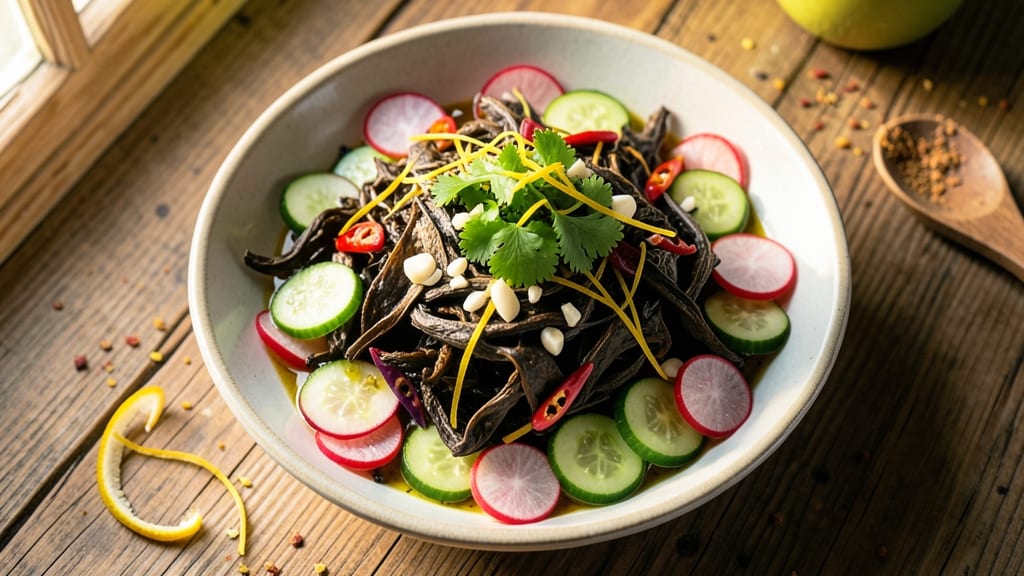
This Burma Superstar Tea Leaf Salad transforms fermented tea leaves into a vibrant, crunchy dish that balances earthy umami with bright citrus zing. The secret lies in fermenting the leaves just right—whether you use store-bought laphet thoke or make your own—to develop that signature funky, tangy depth.
Traditional Burmese techniques meet modern twists here, with crisp vegetables and fresh herbs cutting through the bold flavors.
What sets this salad apart is the texture contrast: tender, fermented tea leaves meet crisp radishes and cucumbers, while toasted peanuts add crunch. The dressing—a simple lime, garlic, and chili blend—brightens every bite, creating a dish that’s as satisfying as it is complex.
No special equipment needed, just patience for fermentation and a sharp knife for clean cuts.
The result is a salad that’s restaurant-quality at home, packed with layers of flavor—funky, tangy, slightly spicy, and fresh all at once. It’s the kind of dish that makes you want to slow down and savor each bite, especially when paired with grilled fish or steamed rice.
Perfect for adventurous eaters or anyone craving something beyond the usual garden salad.
Ready to try it? The process is straightforward once you understand the fermentation step—whether you ferment for a few days or use pre-fermented leaves. Let’s bring the bold flavors of Burma to your table.
Ingredients for burma superstar tea leaf salad
Fermented tea leaves, crisp veggies, and zesty lime dressing create this bold Burmese salad.
| Ingredient | Amount | Notes |
|---|---|---|
| Fermented Tea Leaves (Laphet Thoke) 🍃 | 2 cups | Store-bought or homemade fermented |
| Red Radishes 🥕 | 1 cup | Thinly sliced for crisp texture |
| English Cucumbers 🥒 | 1 whole | Seedless, thinly sliced |
| Fresh Limes 🍋 | 2 whole | Juiced, zest reserved |
| Garlic Cloves 🧄 | 4 cloves | Minced for dressing |
| Bird's Eye Chilies 🌶️ | 3 whole | Finely chopped, adjust to taste |
| Toasted Peanuts 🥜 | ½ cup | Crushed for crunch |
| Fresh Mint Leaves 🌿 | ¼ cup | Chopped, stems removed |
| Fresh Cilantro Leaves 🌿 | ¼ cup | Chopped, stems removed |
| Fish Sauce (Vegetarian Alternative) 🍶 | 1 tbsp | Vegetarian fish sauce or soy sauce |
| Rice Vinegar 🍶 | 1 tbsp | For tangy balance |
| Olive Oil 🫒 | 2 tbsp | Extra-virgin for richness |
| Sea Salt 🧂 | ½ tsp | Diamond Crystal preferred |
| Black Pepper 🌶️ | ¼ tsp | Freshly ground |
| Sesame Seeds 🌾 | 1 tsp | Toasted for garnish |
The fermented tea leaves are the heart of this dish, so quality matters. Look for laphet thoke at Asian markets—the funkier, the better. If you're fermenting your own, use young tea leaves and ferment for 3-5 days in a jar with saltwater. The deeper the fermentation, the more complex the flavor. For a shortcut, Red Boat or Thai Kitchen brands have great pre-fermented options. Freshness is key for the radishes and cucumbers—pick firm, crisp ones and slice just before serving to keep them crunchy. The peanuts? Store-bought roasted work fine, but toasting your own at 350°F for 8-10 minutes adds extra depth.
No fermented tea leaves? Substitute with equal parts marinated mushrooms or sauerkraut, though the flavor will differ. Running low on bird's eye chilies? Red pepper flakes or Thai chilies work in a pinch—just halve the amount. The fish sauce is non-negotiable for authenticity, but vegetarian fish sauce or soy sauce keeps it plant-based. Fresh herbs like mint and cilantro are ideal, but dried works at one-third the amount if you're in a bind. For the dressing, balance is everything—start with the measurements, then adjust lime and chili to taste. The olive oil should be extra-virgin and fruity—none of that cheap, bitter stuff.
This salad keeps beautifully for 3-4 days in the fridge, though the texture softens over time. Store the dressing separately to keep everything crisp. For the best experience, assemble just before serving—the crunch is key. Garnish with toasted sesame seeds right before eating. Leftovers? It reheats poorly, so think of this as a fresh-eat dish. The flavors actually improve after sitting for 20-30 minutes, letting everything meld. Pair with steamed jasmine rice or grilled tofu to round out the meal.
Why You'll Love This Recipe
- No-Chop Night: I swear by this when I’m too tired to fuss. Just thinly slice the radishes and cucumbers—no julienne skills needed—and toss with the pre-fermented tea leaves. That’s it. The garlic gets a quick minced, the lime gets squeezed, and boom: dinner’s ready while you’re still scrolling through your phone.
- Umami Bomb: Between us, that fermented tea leaf is magic. It’s funky, salty, and just a little tangy—like if pickled ginger and curry had a lovechild. Add the bright crunch of radish and cucumber, and the garlic-lime punch? It’s the kind of flavor that makes you go back for seconds without even thinking.
- Lunchbox Hero: This salad keeps like a champ. Pack it in jars for work or school—no soggy greens here. The acid from the lime and the fermented leaves preserve it for days, so you’re always covered. My kids actually eat their veggies this way. (Don’t tell them I’m bragging.)
- Pocketbook Performer: Honestly, it’s one of my go-to budget meals. Tea leaves last forever, radishes stay crisp, and limes are cheap when you buy them in bulk. A few cloves of garlic and cucumbers round it out for under $5. That’s a full salad for a fraction of what store-bought costs—and way more interesting.
Step-by-step instructions for Burma superstar tea leaf salad
This vibrant salad balances fermented tea leaves' deep umami with bright lime and crisp vegetables.
Prepare the Fermented Tea Leaves and Vegetables
Rinse the 2 cups fermented tea leaves (Laphet Thoke) thoroughly under cold water to remove any excess fermentation brine. Gently squeeze out excess moisture with your hands, being careful not to crush the leaves. Transfer them to a large mixing bowl.
Next, thinly slice the 1 cup red radishes and 1 whole English cucumber using a mandoline or sharp knife. The slices should be paper-thin for maximum crispness. Add these to the bowl with the tea leaves. The radishes will add a subtle peppery bite, while the cucumbers provide refreshing crunch. If using store-bought fermented tea leaves, check for any remaining brine and pat them dry again if needed.
Create the Flavorful Dressing
In a small bowl, combine the 2 tablespoons olive oil, 1 tablespoon rice vinegar, 1 tablespoon fish sauce (vegetarian alternative), 0.5 teaspoon sea salt, and 0.25 teaspoon black pepper. Whisk vigorously until fully emulsified. The dressing should be smooth and glossy, with the olive oil fully incorporated.
While whisking, add the 4 minced garlic cloves and 3 finely chopped bird's eye chilies. Taste the mixture and adjust the balance of salt, acid, and heat to your preference. The dressing should be tangy with a subtle kick—this will complement the fermented tea leaves beautifully. Set the dressing aside while you prepare the remaining ingredients.
Toast and Crush the Peanuts
In a dry skillet over medium heat, toast the 0.5 cup toasted peanuts for 3-4 minutes, stirring constantly, until they turn a rich golden brown and release their nutty aroma. Immediately transfer them to a cutting board and roughly crush them with the flat side of a knife or rolling pin. The peanuts should retain some texture but be broken into smaller pieces for easier mixing.
While the peanuts cool, finely chop the 0.25 cup fresh mint leaves and 0.25 cup fresh cilantro leaves, removing any stems. The herbs will add a fresh, aromatic finish to the salad. Fold them into the bowl with the tea leaves and vegetables, reserving a small handful for garnish if desired.
Combine and Dress the Salad
Pour the dressing over the tea leaves and vegetables in the mixing bowl. Use your hands or a large spoon to gently toss everything together, ensuring the tea leaves are evenly coated. The salad should look vibrant and glossy, with the radishes and cucumbers maintaining their crisp texture. Let it sit for 5-10 minutes at room temperature to allow the flavors to meld.
Before serving, sprinkle the crushed peanuts evenly over the salad and garnish with the reserved mint and cilantro. The peanuts add a satisfying crunch, while the herbs provide a fresh contrast to the fermented tea leaves. Toss lightly one more time to distribute the peanuts evenly. Serve immediately while the vegetables are still crisp.
Garnish and Serve with Confidence
Transfer the salad to a large platter or individual bowls. Sprinkle with the 1 teaspoon sesame seeds and finish with a few extra peanuts if desired. The sesame seeds add a nutty depth that ties all the flavors together. Serve with extra lime wedges on the side for those who prefer additional tang.
This salad shines when served immediately, but you can prepare it up to 1 hour ahead and store it in an airtight container in the refrigerator. Before serving, give it a final toss to revive the crispness. The combination of fermented tea leaves, fresh herbs, and crunchy peanuts creates a harmonious balance of umami, freshness, and texture that makes this salad truly special.
Pro Tips For Making Burma Superstar Tea Leaf Salad
- Soak Tea Leaves First: The fermented tea leaves need a quick 10-minute soak in warm water—just enough to soften them without turning them mushy. I used to skip this and ended up with a salad that tasted like eating dried leaves. Trust me, a few minutes here makes the flavor pop.
- Slice Radishes Thin: Cut those red radishes paper-thin—no thicker than 1/8 inch. Thick slices stay crunchy but dull the salad’s bright, peppery bite. Use a sharp knife or mandoline if you’re impatient like me, but don’t rush it.
- Don’t Overmix the Dressing: The lime juice, garlic, and chili should coat the salad, not turn it into a paste. Toss gently after mixing the dressing—overworking it makes the radishes and cucumbers turn limp. Think "lightly dressed," not "drowned."
- Use Cold Garlic: Mince the garlic cloves right before tossing and keep them in the fridge until the last second. Raw garlic releases more heat when warm, and you’ll end up with a salad that’s sharp, not spicy. Cold garlic keeps the flavor clean and bright.
Regional styles of these flavors
Traditional Burmese Style
The classic Burmese version of this salad, known as laphet thoke, relies on fermented tea leaves as the star ingredient. In Myanmar, it’s often served as a side dish with grilled fish or steamed rice, emphasizing the funky, umami depth of the tea leaves.
The traditional recipe skips peanuts and instead uses toasted sesame seeds or crushed roasted chickpeas for crunch. I’ve found that adding a splash of tamarind paste (about 1 teaspoon) to the dressing elevates the dish to authentic restaurant quality. 🌿
Thai-Inspired Twist
Thai cuisine shares many similarities with Burmese flavors, so this salad easily adapts with a few tweaks. Swap the rice vinegar for coconut aminos and add 1 teaspoon of palm sugar to the dressing for a caramelized note.
Thai cooks often include shredded cabbage (about ½ cup) for extra crunch and a touch of sweetness. Garnish with crushed roasted cashews instead of peanuts for a richer texture. The result is a salad that bridges both cuisines beautifully. 🥜
Modern Fusion Adaptation
For a contemporary take, I like to add avocado slices (about ½ cup) and pomegranate seeds (about ¼ cup) for a creamy, juicy contrast. The avocado softens the funk of the tea leaves while the pomegranate adds a bright, tart pop.
Use avocado oil in the dressing instead of olive oil to enhance the salad’s richness. This version works perfectly as a vegan main dish when paired with quinoa or roasted sweet potatoes. 🥑
Street Food Version
In Burmese street food culture, this salad is often served in small, cone-shaped baskets made from banana leaves, adding an aromatic touch. For a portable version, assemble the salad in lettuce cups or mini endive leaves for easy snacking.
Boost the heat by adding 1 extra bird’s eye chili and a pinch of ground star anise (about ¼ teaspoon) to the dressing for a smoky depth. This makes it a perfect party appetizer or quick lunch. 🌶️
Winter Warmth Adaptation
When temperatures drop, I like to add roasted butternut squash cubes (about ½ cup) to the salad for warmth. The squash’s natural sweetness balances the tangy tea leaves, while a sprinkle of toasted pumpkin seeds adds extra crunch.
Use warm coconut milk (about 2 tablespoons) in the dressing instead of olive oil for a cozy, creamy texture. This version feels like a comforting bowl rather than a light salad. ❄️
Nutrition facts
Frequently asked questions
Can I use regular tea leaves instead of fermented ones?
Regular tea leaves won't work—they lack the deep, funky umami flavor that comes from fermentation. Fermented tea leaves (laphet thoke) develop complex tangy, slightly sour notes over 3-5 days in saltwater. If you can't find fermented leaves, try sauerkraut or marinated mushrooms for a similar tangy crunch, though the texture will differ.
How do I know when fermented tea leaves are ready?
Fermented tea leaves are ready when they smell tangy and slightly sour (like sauerkraut), with a deep brown color. Start tasting after 3 days—they should be pleasantly funky, not bitter. If they smell too sharp or have mold, discard them. Store-bought laphet thoke is pre-fermented, so just rinse and use immediately.
What if I don't like spicy food? Can I adjust the heat?
Remove the seeds from the bird's eye chilies or use just 1-2 instead of 3 for milder heat. For no heat at all, substitute with ½ teaspoon of red pepper flakes (or omit entirely). The lime and garlic will still provide bright, zesty flavor without the spice. Taste the dressing before tossing with the salad.
Can I make this salad ahead of time?
Yes, but store the dressing separately to keep the vegetables crisp. Combine everything 30 minutes before serving and toss again just before eating. The fermented tea leaves will soften slightly over time, so assemble as close to serving as possible. For best texture, slice radishes and cucumbers only when ready to eat.
What's the best way to serve this salad?
This salad shines as a refreshing side with grilled fish or tofu, or as a light main with steamed rice. For extra flair, serve in lettuce cups or on a bed of shredded cabbage. Pair with extra lime wedges and a cold Burmese beer like Myanmar Beer for the full experience. It's also perfect as a vegan appetizer at parties!