
Salads
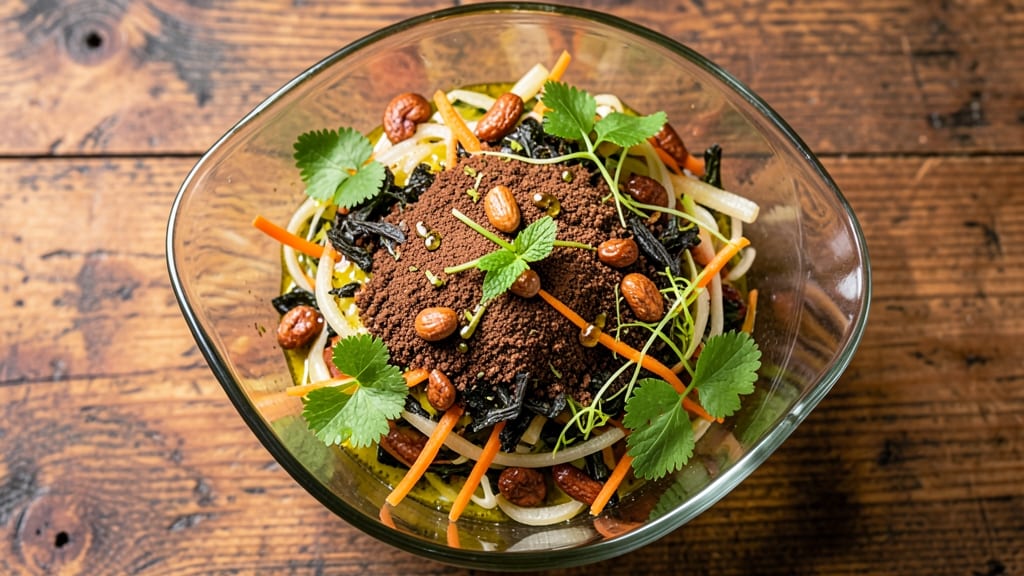
This Burmese green tea salad recipe delivers the perfect balance of earthy, tangy, and crispy flavors in every bite. The secret lies in perfectly crisped shallots and a vibrant tamarind dressing that transforms simple ingredients into a dish bursting with authenticity.
I've adapted this traditional laphet thoke for modern kitchens while preserving its soul—no special equipment required, just fresh ingredients and patience for the crispy shallots.
The salad's foundation begins with toasted green tea leaves, which infuse the dish with their distinctive aroma. Fresh herbs like mint and cilantro add brightness, while crisp vegetables provide texture.
What sets this recipe apart is the tamarind dressing—its sweet-tart profile cuts through the richness of the crispy shallots and peanuts, creating harmony in every mouthful. The result is a vegetarian dish that's both satisfying and refreshing.
What you'll achieve is a visually stunning salad with layers of texture—crunchy shallots, tender herbs, and creamy peanuts—all tied together by that signature tangy dressing. The crispy shallots are the star, delivering a satisfying crunch that contrasts beautifully with the softness of the salad base.
This dish is perfect for warm days, potlucks, or as a light yet flavorful main course.
Presentation matters too—arrange the salad in a wide bowl and garnish with extra crispy shallots and peanuts for that authentic Burmese touch. The aroma alone will draw everyone to the table, and the first bite delivers that perfect balance of flavors.
Ready to make this salad that tastes like a trip to Myanmar?
Ingredients for burmese green tea salad
Toasted green tea leaves, crispy shallots, and vibrant tamarind dressing transform simple ingredients into a dish bursting with Burmese soul.
| Ingredient | Amount | Notes |
|---|---|---|
| Green Tea Leaves 🍵 | 2 tbsp | High-quality, toasted for aroma |
| Shallots 🧅 | 1 ½ cups | Thinly sliced, crisped perfectly |
| Peanuts 🥜 | ½ cup | Roasted, unsalted, chopped |
| Fresh Mint Leaves 🌿 | ½ cup | Finely chopped, stems removed |
| Fresh Cilantro Leaves 🌿 | ½ cup | Finely chopped, stems removed |
| Carrots 🥕 | 1 cup | Julienned, medium size |
| Tamarind Paste 🍯 | ¼ cup | Unsweetened, for dressing |
| Lime Juice 🍋 | ¼ cup | Freshly squeezed, seedless |
| Fish Sauce 🥫 | 1 tbsp | Vegetarian alternative (soy sauce) |
| Sugar 🍚 | 1 tbsp | White granulated, adjust to taste |
| Vegetable Oil 🫒 | 2 tbsp | For crisping shallots |
| Salt 🧂 | ½ tsp | Kosher, for seasoning |
| Red Chili Flakes 🌶️ | ½ tsp | Adjust for heat preference |
The green tea leaves are non-negotiable—high-quality, loose-leaf from World Market or Tazo works best. Toast them lightly in a dry pan until fragrant (about 2 minutes), then let cool before adding to the salad. For shallots, shred them paper-thin with a mandoline—thinner slices crisp faster. I always buy organic shallots from Whole Foods because they're sweeter and more tender. The peanuts should be raw, unsalted—roast them yourself for maximum crunch. Skip the pre-roasted kind; it's a game-changer.
No tamarind paste? Mix 2 tbsp lime juice with 1 tbsp date syrup for a quick substitute. The dressing needs that sweet-tart balance—lime juice is essential (none of that bottled stuff). For the fish sauce, vegetarian soy sauce works perfectly—just reduce the amount by half since it's saltier. The carrots can be any color (orange, purple, or rainbow), but julienne them uniformly so they crisp evenly. Want extra heat? Swap chili flakes for fresh Thai chilies, finely minced—just use half the amount. The oil matters too: avocado oil has the highest smoke point for crisping.
Store the dressing separately in the fridge for up to 5 days—it keeps longer than the salad. The crispy shallots lose their crunch after 2 days, so make them fresh if possible. For a make-ahead salad, toss the raw veggies and herbs with the dressing, then crisp the shallots and peanuts just before serving. The peanuts and shallots can be roasted in advance and stored in an airtight container for 1 week—perfect for batch prep. Garnish with extra crispy shallots and peanuts right before serving for that restaurant-quality touch.
Why You'll Love This Recipe
- No-Chop Chaos: I swear by this one—just tear the mint and cilantro by hand, no knife skills required. The shallots? Toss them in whole (peeled) and let the dressing do the work. Honestly, it’s the kind of recipe that makes me feel like a lazy genius.
- Earthy Crunch Magic: That first bite—tangy, toasty green tea leaves with the crunch of peanuts and fresh herbs? It’s the perfect balance of funky and familiar. The shallots add a sharp bite that cuts through the richness, and the mint? It’s like a cool breeze in your mouth.
- Lunchbox Legend: Between us, this salad keeps perfectly for days in the fridge. Pack it for work, toss it in a bento box, or serve it cold at potlucks—it’s the one dish that never gets skipped. My kids even ask for it (and that’s saying something).
- Pantry Staple Power: You already have the ingredients—dried green tea, peanuts, herbs—no specialty shopping needed. I’ve made this with whatever’s in my cupboard, and it’s still reliably good. Plus, the leftovers? Even better the next day when the flavors meld. Budget-friendly and foolproof.
Step-by-step instructions for Burmese green tea salad
Here's how to create this vibrant salad with perfectly crisped shallots and aromatic tea infusion.
Toast the Green Tea Leaves for Aroma
Heat a dry skillet over medium heat and add the 2 tablespoons green tea leaves. Toast them for 1-2 minutes until they release their fragrant aroma and turn a deeper green color. Be careful not to burn them—they should smell earthy and slightly nutty, not bitter.
Transfer the toasted tea leaves to a small bowl and let them cool completely. Once cooled, crush them lightly between your palms or with a mortar and pestle to release their oils. This aromatic base will infuse the dressing with its signature complexity, balancing the sweet-tart tamarind flavor.
Crisp the Shallots to Perfection
Heat the 2 tablespoons vegetable oil in a separate skillet over medium-low heat. Add the 1.5 cups thinly sliced shallots in a single layer, making sure they don't overlap. Cook them undisturbed for 8-10 minutes until they turn golden brown and crispy.
Here's the key: they should be completely dry and slightly caramelized, not soggy. If they start to brown too quickly, reduce the heat slightly. Once crisp, transfer them to a paper towel-lined plate to drain excess oil. These shallots will add a delightful crunch that contrasts beautifully with the soft carrots and tender greens.
Prepare the Tamarind Dressing
In a small bowl, whisk together the 0.25 cup tamarind paste, 0.25 cup lime juice, 1 tablespoon fish sauce, 1 tablespoon sugar, 0.5 teaspoon salt, and 0.5 teaspoon red chili flakes. The tamarind should dissolve completely, creating a glossy, tangy dressing. If it's too thick, add 1-2 tablespoons water to reach your desired consistency.
Add the crushed green tea leaves to the dressing and stir well. Let it sit for 5 minutes to allow the tea to infuse its flavor. Taste and adjust the balance—you want a harmonious blend of sweet, sour, salty, and spicy notes. The dressing should coat the back of a spoon but remain pourable.
Assemble the Salad Components
In a large bowl, combine the 1 cup julienned carrots, 0.5 cup finely chopped mint leaves, and 0.5 cup finely chopped cilantro leaves. Gently toss them together, being careful not to bruise the delicate herbs. Add the 0.5 cup chopped peanuts and toss again to distribute evenly.
Drizzle the dressing over the salad and toss gently but thoroughly to coat all ingredients. The dressing should cling to the vegetables and peanuts, creating a glossy finish. Fold in the crispy shallots just before serving to maintain their perfect crunch.
Serve Immediately for Best Texture
Divide the salad among serving plates and garnish with any remaining crispy shallots. Serve immediately while the shallots are still crisp and the dressing is vibrant. This salad shines when eaten fresh, with the contrast of textures and temperatures—cool carrots and herbs against warm, crispy shallots.
For an extra touch, sprinkle with additional red chili flakes if you prefer more heat. The balance of flavors should be complex yet harmonious: the earthy tea, sweet-tart tamarind, umami fish sauce, and fresh herbs all coming together in each bite. Enjoy this refreshing salad as a light lunch or side dish that bursts with Burmese-inspired flavors.
Pro Tips For Making Burmese Green Tea Salad
- STEAM THE TEA RIGHT: Don’t just steep—give those green tea leaves a quick 30-second steam in boiling water first. This softens them just enough to break down their bitterness without turning them to mush, so they hold their shape when tossed with the dressing. (Yes, even if you’re impatient like me, resist the urge to skip this—it’s the thing that matters most.)
- CHOP SHALLOTS SMALLER THAN YOU THINK: I used to slice them into half-moons, but the flavor gets lost in the salad’s texture. Instead, mince them into tiny dice—think rice grains—not just for even distribution but so they dissolve slightly into the dressing. Your mouth will notice the difference, especially when paired with the peanuts.
- TOAST PEANUTS UNTIL GOLDEN, NOT BROWN: That means pulling them at the first whiff of nuttiness, not waiting for color to deepen. Over-toasted peanuts taste bitter and dry out the salad; stop when they’re still slightly pale with flecks of gold. (Pro tip from my grandmother: Spread them on a dry pan and stir constantly—this isn’t the prettiest method, but it’s the tastiest.)
- STACK HERBS LAST MINUTE: Toss in mint and cilantro after everything else sits for 10 minutes. Their bright notes fade fast when mixed with acidic dressing or oily peanuts, so adding them fresh keeps the salad vibrant. (Your future self will thank you when the herbs don’t turn to sad, wilted confetti.)
Troubleshooting perfect results
Shallots Too Soft
If your crispy shallots turn out soggy instead of crunchy, you likely cooked them too quickly or at too high heat. I’ve found that medium-low heat is key—it allows the moisture to evaporate slowly without burning.
For extra insurance, pat the sliced shallots very dry with a paper towel before cooking. Also, avoid overcrowding the pan; cook them in single layers with space between slices. If they start to brown too fast, immediately reduce the heat and let them cook gently until fully dry. 🌡️
Dressing Too Thin
The tamarind dressing should coat the back of a spoon but not be watery. If yours is too thin, it’s usually because the tamarind paste didn’t dissolve properly or you added too much liquid.
For a quick fix, whisk in 1 teaspoon cornstarch mixed with 1 teaspoon cold water to thicken it slightly. Alternatively, simmer the dressing gently for 2-3 minutes to reduce excess moisture. Taste as you go—balance is everything here!
Tea Leaves Burning
Burnt tea leaves will make your salad taste bitter, not aromatic. To avoid this, keep the heat medium and watch closely—1-2 minutes is all you need. If you see smoke or the leaves darken too quickly, remove them immediately.
For extra control, use a light-colored skillet so you can see the leaves better. Once toasted, let them cool completely before crushing—they’ll release their oils more effectively when at room temperature. 🍵
Herbs Turning Slimy
Fresh herbs like mint and cilantro can wilt or turn slimy if tossed too vigorously with the dressing. To prevent this, add the dressing gradually and fold it in gently with a rubber spatula. I also recommend keeping the herbs and vegetables separate until just before serving.
If your salad already looks sad, sprinkle with 1 teaspoon lime juice and a pinch of salt to revive the herbs and brighten the flavors.
Peanuts Losing Crunch
Roasted peanuts lose their crunch when exposed to moisture or stored improperly. To keep them crisp, roast them in a single layer on a baking sheet at 350°F for 8-10 minutes, shaking the pan halfway.
Store them in an airtight container at room temperature—never in the fridge, as humidity will make them soft. For extra crunch, sprinkle them with ½ teaspoon sugar before roasting to caramelize their edges slightly. 🥜
Tamarind Paste Clumping
Tamarind paste can be tricky if it’s too thick or old. If it’s clumping, try dissolving it in 2 tablespoons warm water first, then whisking it into the dressing. For a smoother texture, strain the mixture through a fine-mesh sieve to remove any lumps.
If you can’t find tamarind paste, date syrup or mango pulp can work in a pinch—just adjust the sweetness to taste. The goal is a smooth, glossy dressing that coats the salad evenly.
Nutrition facts
Frequently asked questions
Can I use regular green tea bags instead of loose tea leaves?
Loose tea leaves work best because they toast more evenly and release more aroma. If you only have tea bags, remove the leaves from 2-3 bags and use those instead. Just be sure to dry them thoroughly before crushing—they need to be completely free of moisture to avoid a bitter taste.
What's the best way to store leftover salad?
Store the dressing and salad components separately in airtight containers. The dressing lasts 5 days in the fridge, while the vegetables and herbs stay fresh for 2 days. Re-crisp the shallots and peanuts before serving to maintain texture. Never store the crispy shallots with the salad—they'll lose their crunch overnight.
Can I make this salad spicier?
For extra heat, add 1-2 fresh Thai chilies (minced) to the dressing or sprinkle with ½ teaspoon cayenne pepper. Start with small amounts—Burmese cuisine balances heat with sweetness, so you can always adjust the sugar to taste afterward. The tamarind's natural tartness helps balance the spice beautifully.
What vegetables can I substitute for carrots? Carrots add sweetness and crunch, but you can use julienned cucumber, daikon radish, or purple cabbage for variety. For extra texture, try thinly sliced bell peppers or snow peas. Just
Is this salad gluten-free?
Yes, this recipe is naturally gluten-free as long as you use gluten-free fish sauce (or soy sauce) and verify that your tamarind paste contains no wheat additives. The traditional version is always gluten-free—it's the umami from the fish sauce that gives it depth. Always check labels for hidden gluten in processed ingredients.