
Sauces & Condiments
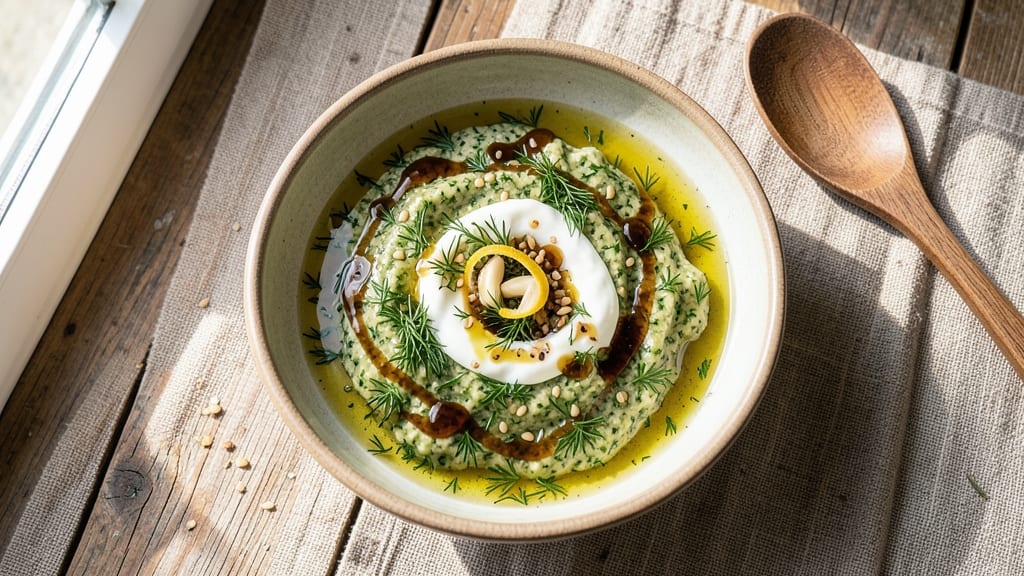
This low acid salad dressing recipe transforms delicate greens into vibrant, flavorful bites without the harsh bite of vinegar or citrus.
The secret lies in a balanced blend of olive oil, tamari, and miso paste that enhances natural flavors while preserving leafy textures—perfect for spinach, arugula, or mixed greens that wilt under acidic dressings.
What sets this dressing apart is its gentle yet complex flavor profile, achieved through toasted sesame oil, fresh herbs, and a touch of maple syrup for subtle sweetness. Unlike traditional vinaigrettes, this version maintains the crispness of greens while adding depth with umami-rich ingredients.
The emulsified texture clings beautifully to every leaf, ensuring each bite is flavorful and cohesive.
Ready in just 5 minutes, this dressing stays fresh in the fridge for up to a week, making it ideal for meal prep. Its mild acidity makes it versatile for salads, grain bowls, or even as a marinade for grilled vegetables.
The absence of sharp vinegar or citrus means no more soggy greens or overpowering flavors—just pure, balanced taste.
For an extra touch of richness, stir in a spoonful of tahini or avocado oil before serving. This dressing is the ultimate partner for any salad that needs flavor without the bite—simple to make, yet sophisticated enough for any table.
Ingredients for low acid salad dressing
Nine ingredients, balanced flavors, and zero acidity—this dressing preserves delicate greens perfectly.
| Ingredient | Amount | Notes |
|---|---|---|
| Extra-Virgin Olive Oil 🫒 | ½ cup | High-quality, fruity variety |
| White Miso Paste 🧈 | 2 tbsp | Unsweetened, smooth texture |
| Tamari 🥢 | 2 tbsp | Gluten-free soy sauce alternative |
| Toasted Sesame Oil 🌾 | 1 tbsp | Lightly toasted, not dark |
| Pure Maple Syrup 🍯 | 1 tbsp | Grade A or B preferred |
| Fresh Dill 🌿 | ¼ cup | Chopped, stems removed |
| Fresh Parsley 🌿 | ¼ cup | Chopped, flat-leaf preferred |
| Garlic Cloves 🧄 | 2 cloves | Minced, fresh preferred |
| Water 💧 | ¼ cup | Room temperature preferred |
| Sea Salt 🧂 | ½ tsp | Fine grain preferred |
The olive oil and miso paste form the dressing's base, so quality matters. Look for extra-virgin olive oil with a fruity aroma—the kind you'd drizzle on bread. For miso, white or shiro miso works best; avoid red or fermented varieties. Tamari is a must for depth, but if you can't find it, regular soy sauce at half the amount works. Toasted sesame oil adds richness—Trader Joe's or Whole Foods carry excellent options. The maple syrup should be pure, with no additives; Grade B is ideal for its deeper flavor.
No fresh herbs? Dried dill or parsley at one-third the amount works in a pinch. Short on garlic? Garlic powder at half the amount is fine. Need to reduce oil? Avocado oil or tahini can replace up to half the olive oil. For a sweeter touch, agave nectar or date syrup swaps maple syrup one-to-one. The water helps emulsify—use room temperature to avoid breaking the dressing. If it separates, whisk vigorously or blend briefly.
Store in an airtight jar in the fridge for up to 1 week. The flavors meld beautifully over time. For longer storage, freeze for 3 months—thaw in the fridge and whisk before use. Shake well before each use, as separation is normal. This dressing works best on spinach, arugula, or mixed greens, but also pairs well with roasted vegetables or grain bowls. The emulsified texture clings perfectly, so no soggy greens here.
Why You'll Love This Recipe
- No Whisk Needed: I just stir it—no emulsifying stress, no clumps. The miso and maple syrup blend right into the oil like magic, and honestly? That’s half the battle won before you even taste it.
- Umami Bomb: That white miso paste? It’s the secret weapon here. One spoonful turns a basic salad into something savory-sweet that lingers—like a hug for your taste buds, but better.
- Weeknight & Wok: Drizzle it over greens, toss it with cold noodles, or glaze grilled fish—it’s my go-to for anything that needs a quick, bold lift. (Yes, even on a Tuesday night.)
- Lasts All Week: Make a big batch—it keeps in the fridge for days without separating. I’ve had this dressing cling to my lunchbox for three days straight, and it’s still better than store-bought. Budget win.
Step-by-step instructions for acid-free salad dressing
This method delivers a perfectly balanced dressing that preserves delicate greens while enhancing flavor.
Prepare the Herb and Garlic Base
In a small bowl, combine the 0.25 cup fresh dill and 0.25 cup fresh parsley. Use a sharp chef's knife to finely chop the herbs, removing any thick stems. Add the 2 cloves garlic cloves, minced until you can barely see the pieces. This herb-garlic blend forms the aromatic foundation of your dressing.
The reason for finely chopping these ingredients is to ensure they distribute evenly throughout the dressing. If you leave larger pieces, they'll settle at the bottom and create an uneven texture. Taste the mixture now—you should notice bright, fresh flavors without any bitterness from the garlic.
Whisk Together the Wet Ingredients
In a medium bowl, add the 0.5 cup extra-virgin olive oil, 2 tbsp white miso paste, 2 tbsp tamari, 1 tbsp toasted sesame oil, and 1 tbsp pure maple syrup. Using a whisk, combine these ingredients until fully emulsified. The mixture should look smooth and homogenous, with no visible streaks of oil.
This is where the magic happens—the miso paste and tamari provide umami depth while balancing the sweetness of the maple syrup. The toasted sesame oil adds nutty complexity. Whisk for at least 1 minute to ensure all ingredients are fully incorporated and the oil is properly emulsified.
Incorporate the Herb Mixture and Season
Gradually add the herb-garlic mixture to the wet ingredients while continuing to whisk. Then add the 0.25 cup water and 0.5 tsp sea salt. Whisk vigorously for another 2 minutes until the dressing reaches a smooth, creamy consistency. The texture should coat the back of a spoon without being too thick.
At this stage, taste and adjust the seasoning if needed. You might find the dressing needs a touch more salt or sweetness. Remember, this dressing is designed to complement delicate greens, so avoid overpowering flavors. The final product should taste balanced—herby, slightly sweet, with a subtle umami depth.
Rest and Adjust Consistency
Let the dressing sit at room temperature for 10 minutes. This resting period allows all the flavors to meld together. After resting, check the consistency. If it's too thick, gradually add 1 teaspoon of water at a time until it reaches your desired pouring consistency.
For best results, store any unused dressing in an airtight container in the refrigerator for up to 5 days. Before using, give it a good shake and adjust the consistency with a splash of water if needed. This dressing works beautifully on arugula, spinach, or mixed greens salads where acidity would otherwise wilt the leaves.
Pro Tips For Making Low Acid Salad Dressing
- Whisk in stages: Mix the miso and tamari first—this prevents clumping and lets the umami really bloom before you add the oil. I learned this the hard way when I dumped everything in at once and ended up with a grainy mess.
- Use cold oil: Let your extra-virgin olive oil sit out for 10 minutes before measuring—it thickens when cold, so you’ll get a smoother dressing. I was skeptical until I tried it; the texture is noticeably creamier when you start with room-temp oil.
- Skip the sesame oil until last: Toasted sesame oil has a low smoke point and a bold flavor—add it just before serving to preserve its aroma and prevent bitterness. If you mix it in early, it’ll mellow out and lose its punch.
- Balance the maple syrup: Taste before adding the full amount—maple syrup can overpower the miso’s depth. Start with half the recipe’s amount, then adjust to taste; you can always add more, but you can’t take it out.
Essential equipment for this recipe
Emulsification Tools
A whisk is your best friend for creating this creamy dressing. I recommend a balloon whisk with thin, flexible wires—it cuts through ingredients faster than a flat whisk and creates a smoother emulsion.
For larger batches, a handheld immersion blender (like the Ninja Mini) eliminates whisking entirely and ensures a silky texture. If you're making this often, invest in a small French whisk for precision control. 🔥
Storage Containers
Use an airtight glass jar with a tight-sealing lid to preserve freshness. I love Le Parfait 8-ounce jars—they’re sturdy, stackable, and keep light out. For travel, a small mason jar with a magnetic lid works perfectly.
Avoid plastic containers, as they can absorb flavors and may react with the sesame oil. Label your jar with the date to track freshness.
Measuring Tools
Precision matters with this dressing, so grab a set of stainless steel measuring spoons for exact amounts. A digital kitchen scale is ideal for weighing miso paste and maple syrup—just 15g per tablespoon—to avoid guesswork.
For herbs, a sharp chef’s knife and small cutting board ensure even chopping. I keep a microplane handy for garlic to create a fine, even mince without overpowering the dressing.
Optional Upgrades
For a foam-style dressing, add a handheld frother (like the Oster Blenderized) to incorporate air while whisking. If you love texture, a food mill can finely chop herbs for a smoother finish.
A small mixing bowl with a silicone spatula helps scrape every last bit of dressing from the jar. For presentation, a glass dipping bottle (like Kikkoman’s) lets you drizzle elegantly over salads.
Budget Essentials
No fancy tools? No problem. A wooden spoon works for mixing, and a clean jar with a lid suffices for storage. A paring knife and small bowl handle herb prep just fine.
The key is whisking vigorously—even a fork in a pinch can emulsify the dressing if you stir for an extra 30 seconds. Just avoid metal spoons that can react with the tamari or miso over time.
Nutrition facts
Frequently asked questions
Why does this dressing work better on delicate greens than traditional vinaigrettes?
The absence of vinegar or citrus preserves leafy greens like spinach and arugula by preventing wilting. The emulsified oil base coats each leaf evenly, while the tamari and miso provide umami depth without acidity. This keeps textures crisp and flavors balanced—perfect for heat-sensitive greens.
Can I make this dressing without miso paste?
Yes! Substitute 2 tbsp tahini or 1 tbsp nutritional yeast for the miso. For umami depth, add 1 tsp fish sauce (if not avoiding) or extra tamari. The dressing will still be creamy, though the flavor profile will shift slightly. Always taste and adjust seasoning after substituting.
How do I fix a separated dressing?
Whisk vigorously for 1-2 minutes to re-emulsify. If it still separates, blend briefly with an immersion blender. For stubborn cases, add 1 tsp water at a time while whisking. The dressing should return to a smooth, creamy consistency. Store in an airtight container to prevent future separation.
What are the best salads or dishes to pair with this dressing?
This dressing shines on arugula, spinach, or mixed greens salads, but also elevates roasted vegetables, grain bowls, and even grilled fish. Try it with quinoa, farro, or roasted sweet potatoes for a hearty meal. The mild acidity-free profile makes it versatile for both cold and warm dishes.
Can I use this dressing as a marinade?
Yes! The emulsified texture and balanced flavors make it an excellent marinade for tofu, chicken, or seafood. Marinate for 15-30 minutes (longer for tougher proteins). For extra tenderness, add 1 tbsp honey or 1 tsp grated ginger to the dressing before using. Always pat proteins dry before cooking for better browning.